
Dress Made of a Book by Jorimoo
Jori Phillips (Jorimoo) built a strapless ruffled dress from thesaurus pages for the Denman Island Readers and Writers Festival—then the photos went viral.
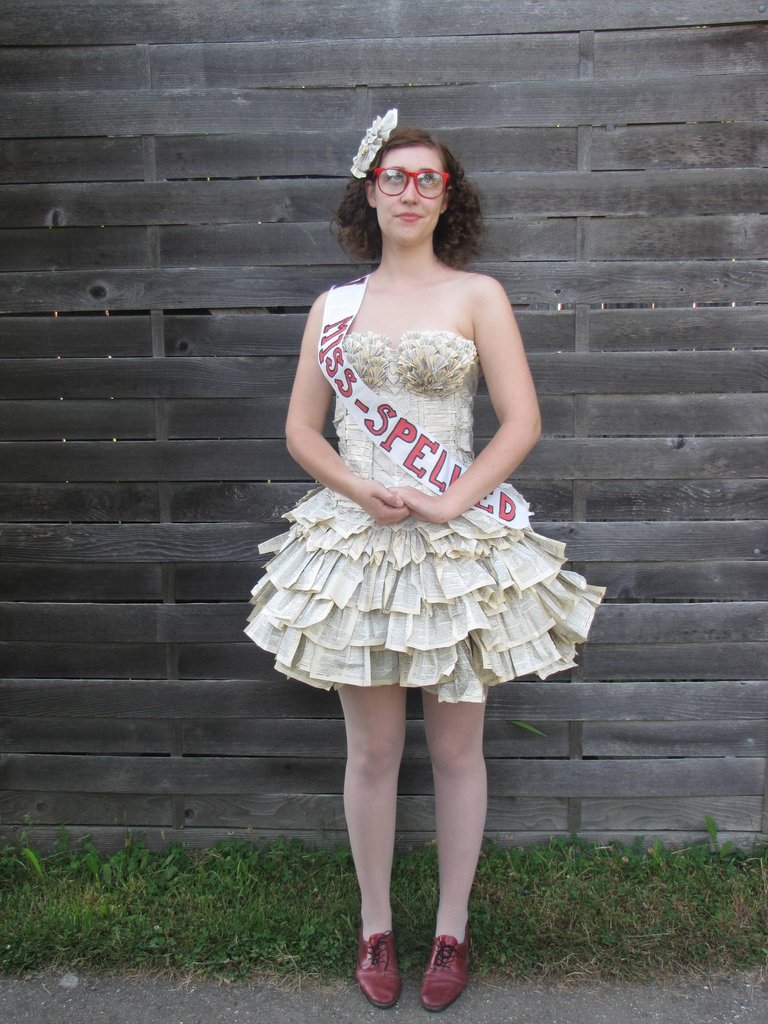
Most book crafts stay small: wreaths, coasters, folded ornaments, shelf decorations that nod at reading without asking much of the page. Jorimoo’s dress does the opposite. Built almost entirely from book paper—pages arranged into a strapless, tiered garment with a ruffled skirt and a carefully folded bodice—it turns literature into wearable sculpture. She modeled it at a readers and writers festival, then shared photos online, where the project traveled far beyond the event that inspired it.
Behind the Reddit and Imgur username Jorimoo is Jori Phillips, a Vancouver-area performer and maker who wore the piece as “Miss-Spelled” at the Denman Island Readers and Writers Festival in British Columbia. The concept was simple and sharp: someone who reads so much she becomes the book. The execution was anything but simple—months of folding, layering, and hot-gluing pages, largely without a commercial pattern, until a fragile dress could walk a literary crowd.
A thesaurus as fabric
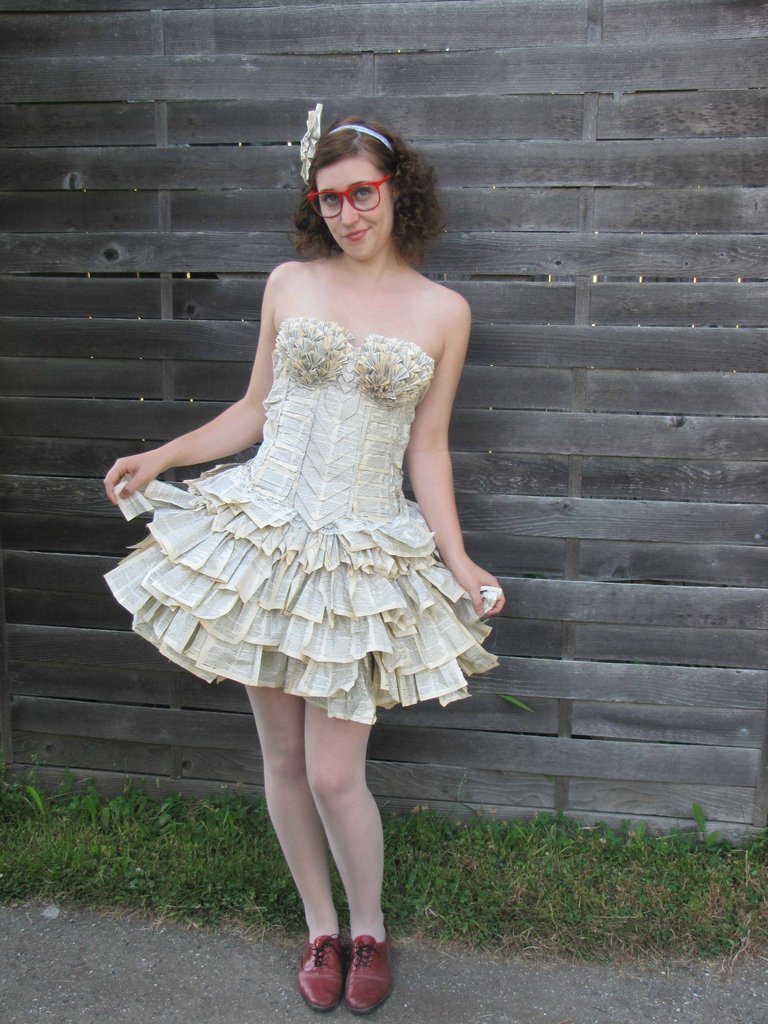
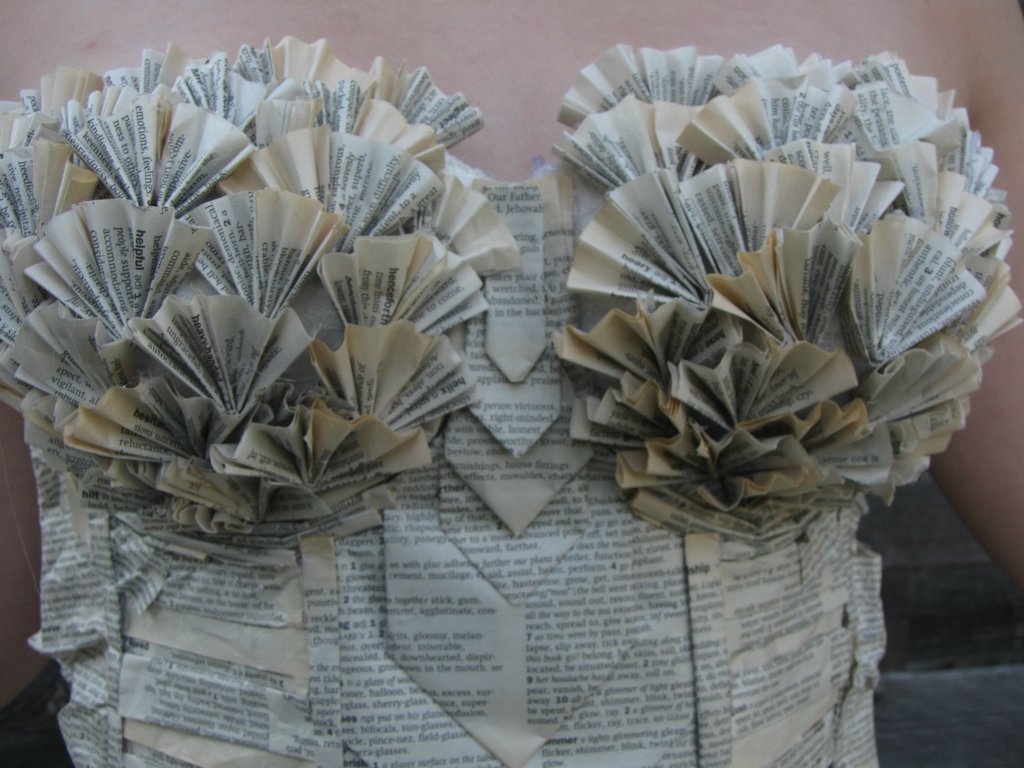
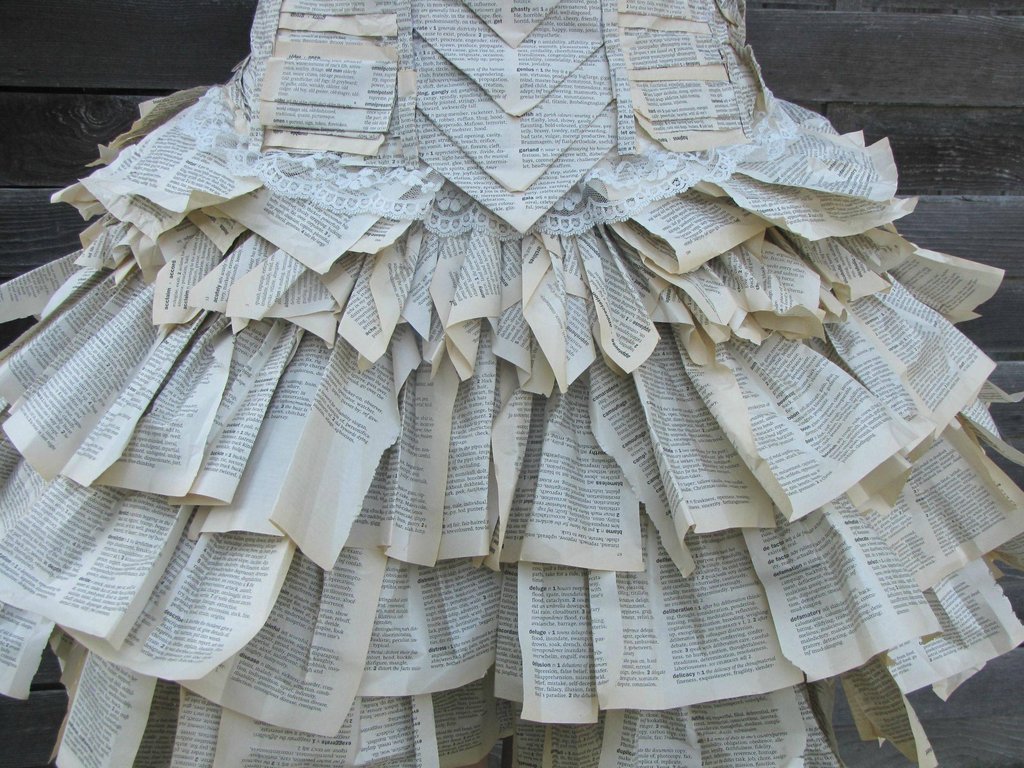
Reports around the project describe the source material as a thesaurus—an especially fitting choice for a festival celebrating writers. A thesaurus is a tool of variation: one idea, many phrasings. Phillips used a large share of such a book’s pages to build volume in the skirt and structure in the bodice. Close views show accordion-like folds across the bust and dense tiers below, each leaf catching light differently so the dress reads as texture before it reads as text.
Paper is unforgiving. It tears, creases permanently, and softens with sweat or humidity. Making a wearable from it means accepting a short performance life in exchange for a strong visual statement. Hot glue, used extensively here, is a maker’s compromise: accessible, quick, and strong enough for display, if not for decades of dry cleaning. The absence of a formal pattern underscores the improvisational craft—fit discovered through trial on a body, not drafted on a table first.
Why a festival was the right runway
Denman Island’s readers and writers gathering was an ideal setting. Attendees already treat books as living culture; a person dressed as language walking among them completes a joke and a tribute at once. The “Miss-Spelled” sash framed the piece as character work as much as fashion—playful, literate, slightly mischievous. Festival documentation later noted the whirl of attention after photos hit Reddit: tens of thousands of views overnight, then features and interviews that carried the dress far from the island.
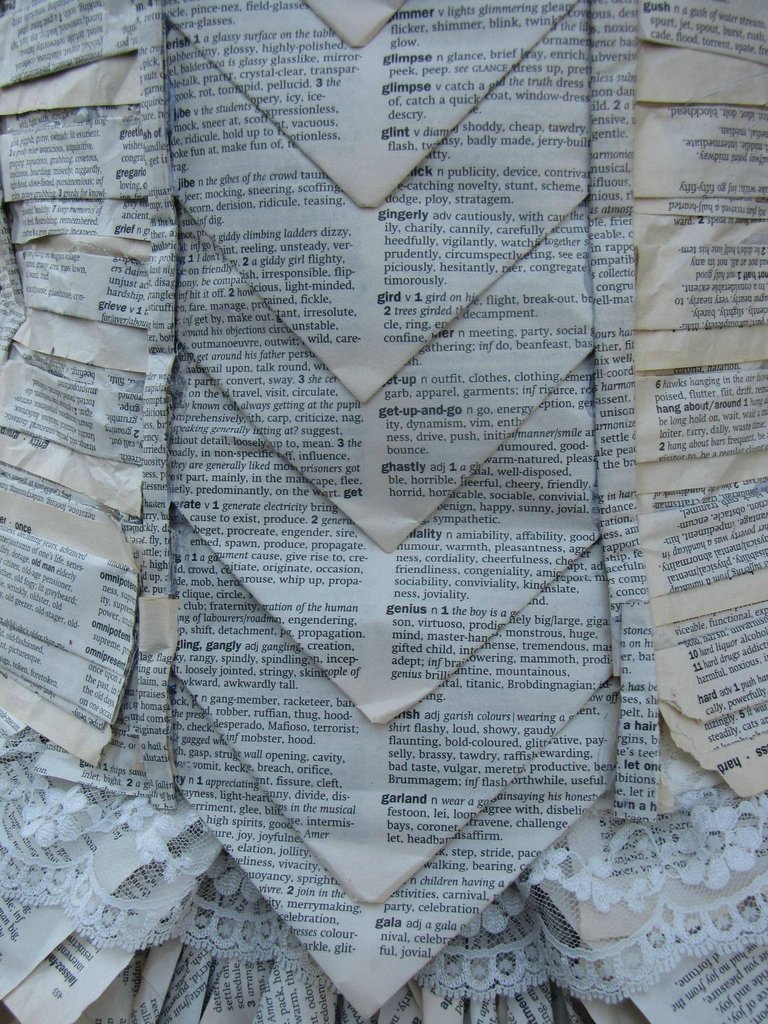
That viral path matters culturally more than commercially. The dress was not launched as a product line. It was a one-off performance object that happened to photograph beautifully: cream pages, clear silhouette, human scale. On a screen, you can read the labor in the ruffles. In person, the sound and fragility would have been part of the experience—paper whispering with each step.
Craft lineage: from DIY books to wearable art
Book-page craft has a long casual life in DIY culture—garlands, roses, decoupage. Parallel to that sits a more ambitious tradition of paper fashion and art-school garments made for runway moments rather than wardrobes. Jorimoo’s dress sits between those worlds. It is handmade with household methods, yet composed with enough design sense to hold as sculpture: fitted torso, cascading skirt, controlled chaos of edges.
Phillips’s background as a circus artist and performer helps explain the confidence. Wearable paper needs timing, posture, and an understanding of how an audience reads a body in space. The dress is costume and concept: not only “look what I made,” but “here is a character built from reading.” That narrative clarity is why the images spread so cleanly. You understand the premise in a second; the craft rewards a longer look.
What the photographs emphasize
In the images, notice how text becomes pattern. Individual words blur into a field of gray print; folds create shadows that act like fabric drape. The bodice’s fanned or accordion sections catch light like pleated silk. The skirt’s tiers build volume the way tulle would, except every layer remains readable as paper if you lean in. The strapless cut keeps the face and shoulders clear, so the garment reads as fashion, not mascot padding.
There is also an unspoken ethics conversation that trails any destroyed book: Was the thesaurus disposable? Damaged? Bought for craft? Festival and press accounts treat the project as celebratory rather than iconoclastic—the book is honored by transformation, not mocked. Still, makers inspired by the photos should choose sources carefully: damaged volumes, thrift discards, or pages already unbound beat stripping a rare edition for a weekend costume.
If you are tempted to try a paper garment
A full tutorial was not the center of the original share; the viral object was the finished dress. Anyone adapting the idea might begin smaller—cuffs, a capelet, a sash—before attempting a full skirt. Practical notes from the project’s public story still help:
- Plan volume: skirts need many pages; count before you cut.
- Build a soft understructure (slip, tape, or light fabric base) so paper is not the only support against skin.
- Work in sections you can repair; one torn tier should not doom the whole piece.
- Test movement: sitting, stairs, and doorways are hostile to stiff paper flares.
- Photograph in soft daylight; print texture disappears under harsh flash.
Expect the result to be temporary. That is not failure. Ephemeral materials suit festival and photo-led art: the memory and the images outlast the object.
Why the piece still charms
Years after the 2013 festival moment, the dress remains appealing because it is specific. It is not generic “bookish décor.” It is a named maker, a local literary event, a thesaurus turned into tiers, and a character called Miss-Spelled walking among readers. The internet loves a clear before-and-after of craft labor; this one also carries affection for books as physical things in an increasingly screen-bound reading culture.
Look again at the ruffles and ask a maker’s question: where would you start if you had only a glue gun, a discarded reference book, and a deadline before a community festival? Jorimoo’s answer was to keep folding until the page became a dress—and then to let the photographs do the rest of the traveling.

Comments
Continue reading
Thomas Allen’s Book-Cut Illustrations
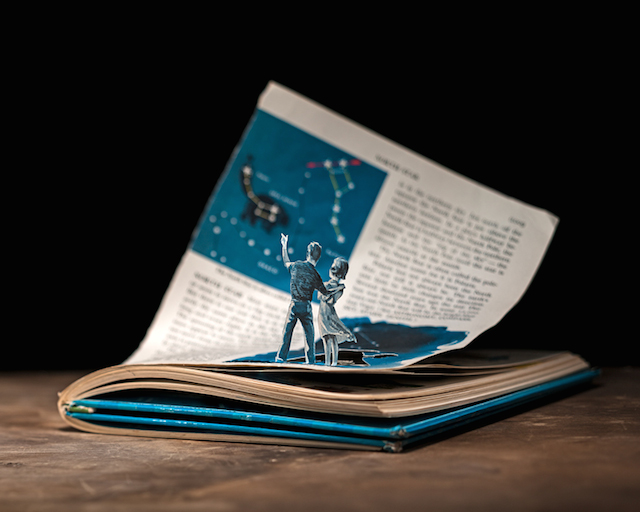
Michigan illustrator Thomas Allen cuts pulp paperback figures into 3D tableaux, photographs them in shallow focus, and gathers the practice in his Aperture book Uncovered.
Evan Robertson’s Illustrations from Underlined Book Quotes
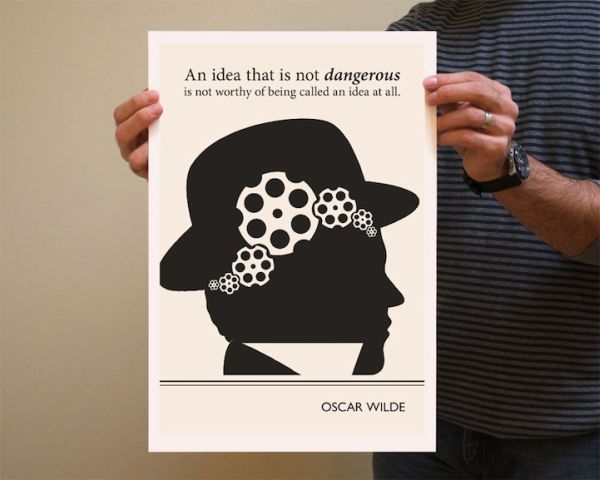
Through Obvious State, designer Evan Robertson turns underlined literary lines into black-and-white posters where text and drawing think together.
Still-Life Photography by Margareth Perfoncio
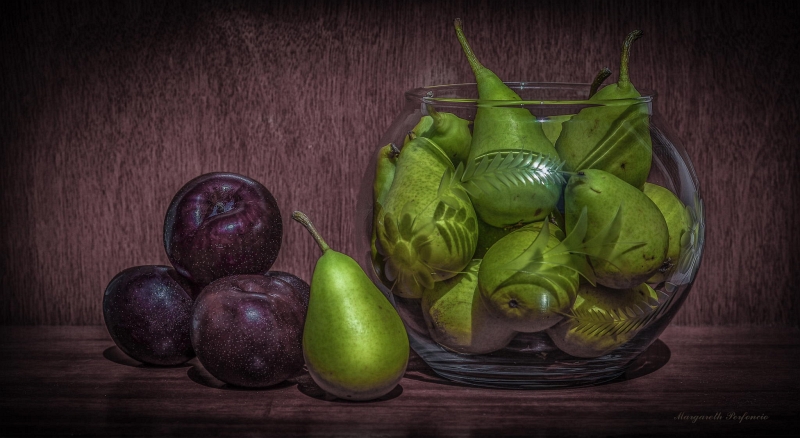
São Paulo photographer Margareth Perfoncio’s still lifes of food and flowers—Old Master light, dark wood, and tables that feel inevitable.