
Disney Princesses as Vogue Covers by Dante Tyler
Dante Tyler’s early-2010s fan-art series casts eight Disney princesses as mock Vogue cover models—high fashion poses, witty cover lines, and all eight images.
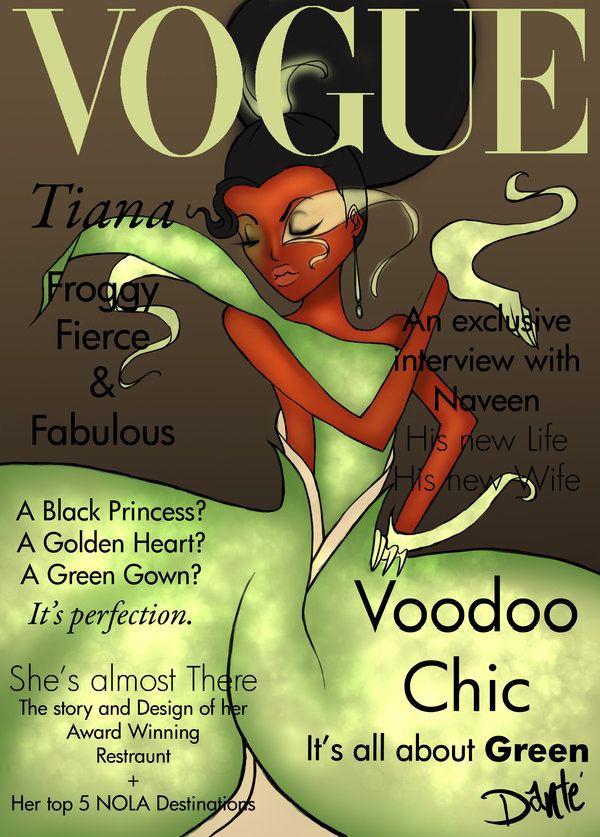
Long before fashion magazines regularly borrowed from animation, illustrator Dante Tyler (also credited as Dante Tyler Brown) put Disney princesses on mock Vogue covers—high hair, editorial poses, and cover lines that wink at each character’s story. The series, which circulated widely around 2011–2012 on DeviantArt and design blogs such as Flavorwire and Stylist, was fan art with the polish of a fashion spread: eight heroines styled like It-girls, not storybook stills.
The images below preserve that gallery. They are not official Disney or Vogue collaborations. They are a designer’s remix—part homage, part satire—about how both princesses and celebrity cover stars are packaged for desire. Read them as a closed set: eight portraits, one visual thesis.
Fashion covers as costume change
Disney princesses already arrive with signature silhouettes: ball gowns, color codes, hair that reads from across a theater. Tyler’s move was to push those signatures through the grammar of fashion photography—smized eyes, cinched waists, poses that sell a product as much as a personality. The result feels familiar and strange at once. You recognize Ariel or Jasmine instantly; you also recognize the blank-stare glamour of a newsstand cover.
That double recognition is the joke and the critique. Princesses are sold as ideals; supermodels are sold as ideals; put them in the same frame and the machinery of aspiration becomes visible. Tyler’s covers stay playful rather than cruel. The cover lines do much of the tonal work—clever, character-specific, never purely mean—so the images read as celebration with a raised eyebrow. In an era when Tyra Banks’s “smize” had entered casual speech, the princesses even appear to practice smiling with their eyes, a small joke for anyone who watched how beauty was coached on television as carefully as on a set.
The masthead and cover architecture matter as much as the gowns. Fake issue lines, stacked headlines, and barcode-adjacent clutter train the eye to accept the fiction before it questions authorship. Once you believe you are looking at a magazine, the cartoon DNA becomes the surprise instead of the starting point.
Who appears in the set
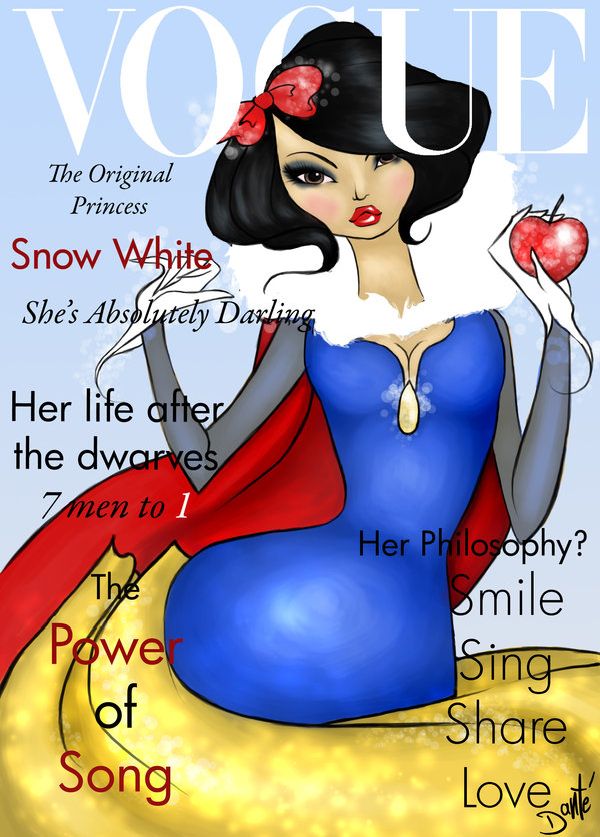
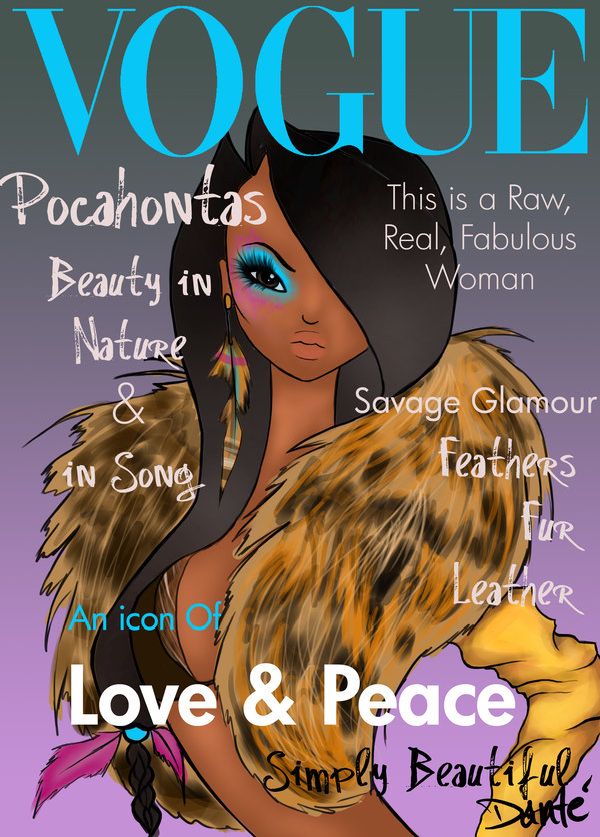
Coverage from the period consistently describes a suite of eight: among them Snow White, Cinderella, Aurora (Sleeping Beauty), Ariel, Belle, Jasmine, Pocahontas, and Tiana. Each gets a wardrobe shift into contemporary or high-fashion codes while keeping a trail of story DNA—Ariel’s ocean motifs, Jasmine’s jewel tones and wish-themed copy, Tiana’s green drama and New Orleans-adjacent chic, Pocahontas styled with feathers and bold makeup that nodded to early-2010s glam rather than the film’s quieter palette.
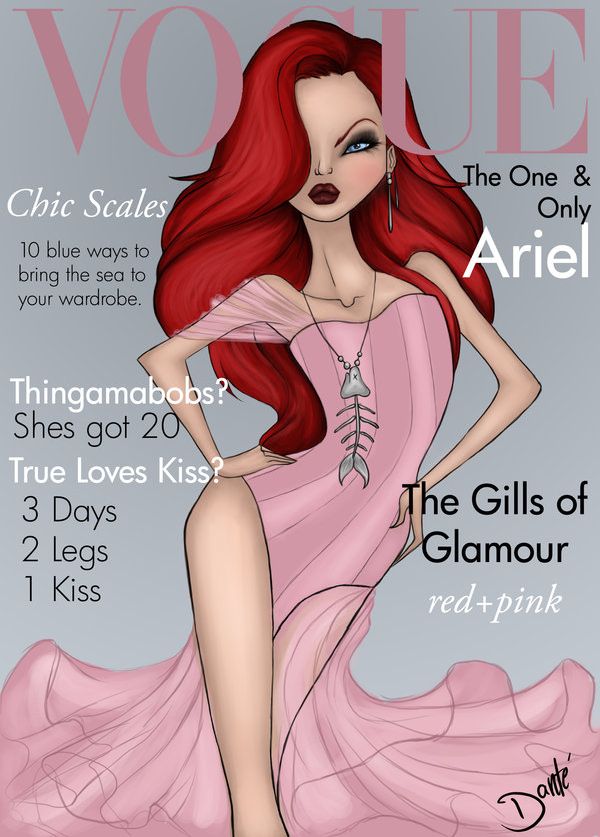
Ariel’s cover line about thingamabobs became one of the most quoted details: a mermaid translated into trend jewelry and pout, still obsessed with human clutter. Jasmine appears in big hair and Chanel-adjacent polish, body-conscious and diva-ready, with wish-list copy that swaps magic lamps for fashion desires—gold rims, jewel tones, a bodysuit mentality. Tiana’s treatment—“froggy, fierce and fabulous” energy in mint and drama, with lines that flirted with “voodoo chic” green—gave Disney’s first Black princess the full cover-star lighting treatment at a moment when that visibility still felt scarce on real fashion newsstands.
Snow White, Cinderella, Belle, and Aurora complete the classic quartet with awakened-glamour and fairytale-couture spins: softer palettes for some, sharper editorial severity for others. Belle’s bookish identity often survives as intellectual chic; Cinderella’s transformation story maps neatly onto the makeover logic magazines have sold for decades. Aurora’s “sleeping” premise becomes an awakened glamour gag—literally waking into fashion. Across the set, the through-line is not historical accuracy; it is recognizability under pressure.
How the styling works
Look at the set as a stylist’s exercise. Hair is bigger, makeup is harder, jewelry is louder. Waists tighten toward fashion-illustration proportions. Backgrounds and mastheads mimic real magazine architecture so the eye accepts the fiction before it questions it. Tyler absorbs supermodel tropes—the distant gaze, the angled shoulder, the practiced non-smile—and applies them to characters who, in their films, smile for friendship and adventure more than for a camera.
That translation is where craft shows. It is easy to paste a princess head onto a gown; it is harder to redesign costume language so Cinderella or Belle feels native to a cover grid. Accessories carry narrative: fish-skeleton necklaces for Ariel, fur-and-feather drama for Pocahontas, green-forward gowns for Tiana. The clothes are not historically accurate Disney couture; they are early-2010s fantasy fashion filtering animated icons through club, runway, and celebrity red-carpet codes. Some looks channel then-current It-girl energy—big volume hair, body-conscious cuts, makeup that photographs from across a room.
Humor keeps the project from collapsing into pure objectification. Cover lines tip the wink. Readers who know the films catch the references; readers who only know Vogue as a cultural object still get glamorous portraits with cartoon DNA. The work sits in the same decade as other Disney redesign experiments—historically “accurate” costumes by artists such as Claire Hummel, dark reimaginings, adult fan art—but Tyler’s angle is specifically magazine culture: how covers manufacture cool, and how cool can be borrowed from childhood icons without asking permission from the studio.
Proportion is part of the satire. Tiny waists and elongated necks exaggerate what fashion illustration already exaggerates. If the images feel slightly unreal even beyond their cartoon origins, that unreality is intentional: cover beauty has always been a construction. Tyler simply made the construction visible by using characters we already know as drawings.
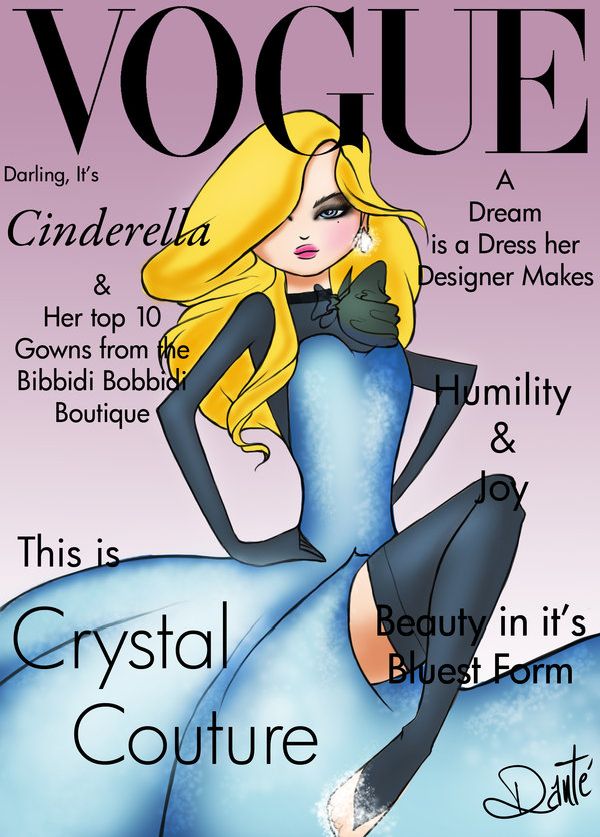
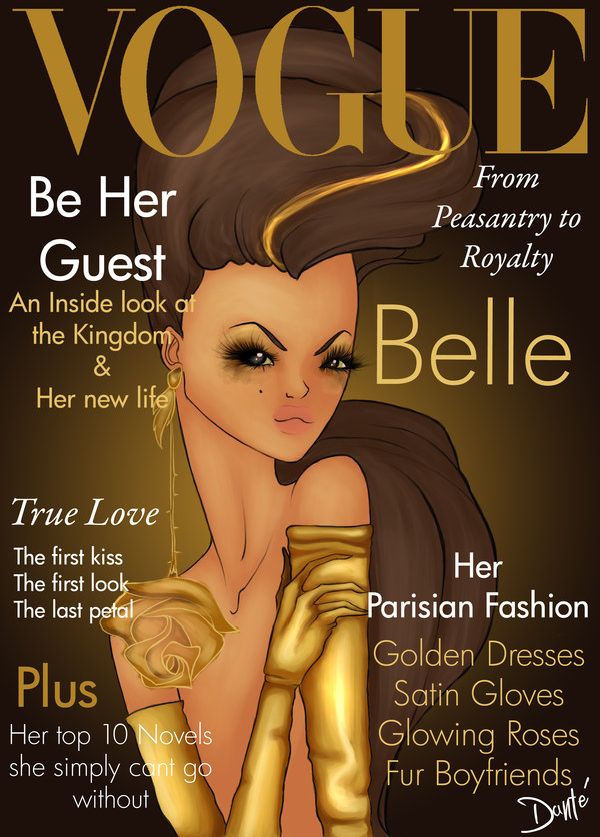
Why the series traveled
In 2011 and 2012, blogs amplified the set because shareability was built in: eight strong images, recognizable IP, fashion literacy, and captions that rewarded a pause. Fans asked for expansions—Alice, Mulan, and others—but Tyler kept the collection finite. Restraint helped. A closed set of eight feels like a portfolio statement; an endless series would have diluted into content churn. DeviantArt hosting and design-blog roundups did the distribution work that social platforms now do automatically.
The images also arrived in a moment when Disney princess branding was culturally loud and fashion was happily raiding pop culture. Putting Tiana and Jasmine on equal cover footing with Snow White and Cinderella mattered to viewers who noticed who usually got the glamour treatment. Whether every styling choice ages perfectly is beside the point; the series documented an impulse that has not gone away—animation characters as fashion muses, later echoed in runway fairy-tale themes, influencer costumes, and studio-sanctioned fashion partnerships that the 2011 fan-art moment only foreshadowed.
There is also a quieter craft lesson for illustrators. Consistency of type treatment, lighting logic, and pose vocabulary makes a series feel like a brand even when it is unofficial. Tyler’s covers cohere as a campaign. That cohesion is why they still read as a set rather than eight unrelated doodles.
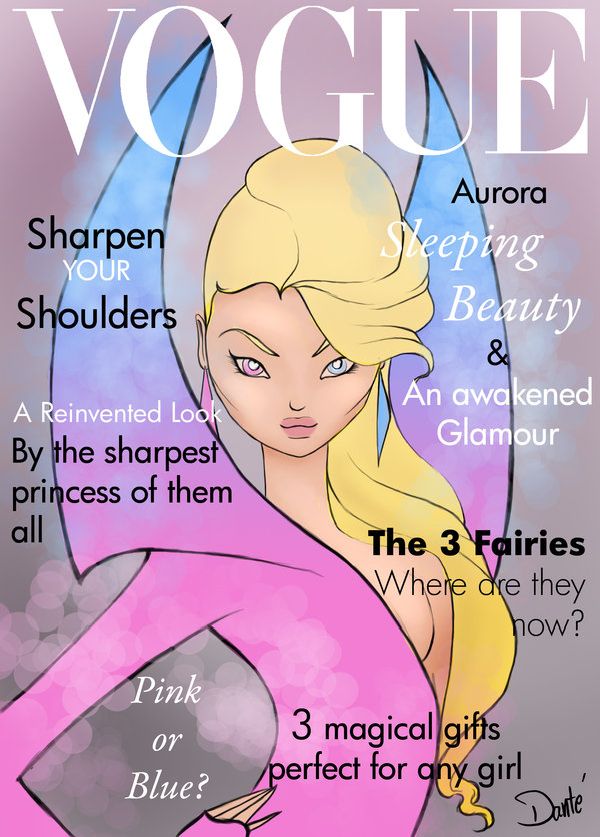
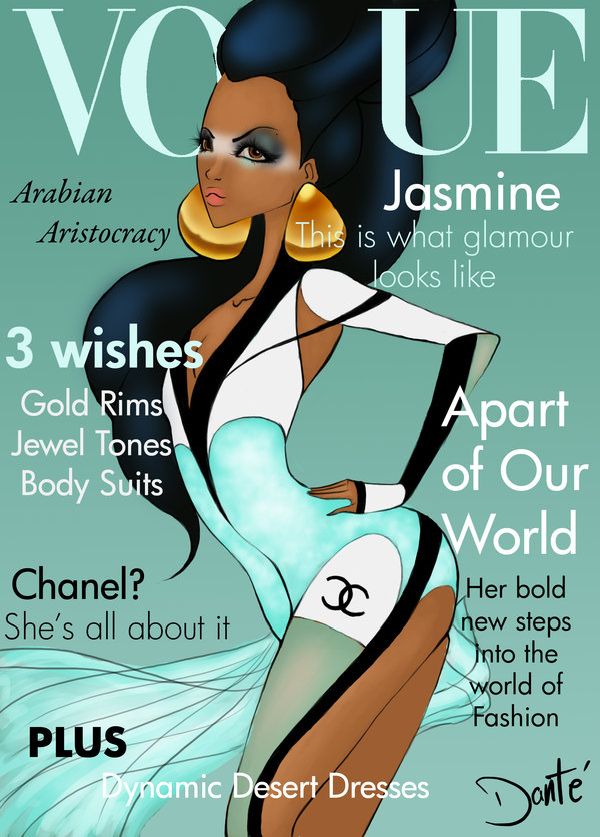
Scroll the eight covers slowly and pick one detail per image: a necklace, a headline, a hand pose, a color temperature. Notice how often the characters look past you rather than at you—the classic cover refusal that sells mystery. Notice which film identities survive the makeover and which get overwritten by trend. Ariel’s thingamabobs line still lands because the mermaid was always a collector of human style. Jasmine’s wish list still lands because Aladdin’s story was already about desire and display. Tiana’s fierce green still lands because aspiration in The Princess and the Frog was never only about a tiara. The magazine masthead is fake. The observation underneath it is not: we keep restyling our fairy tales until they look ready for the newsstand.

Comments
Continue reading
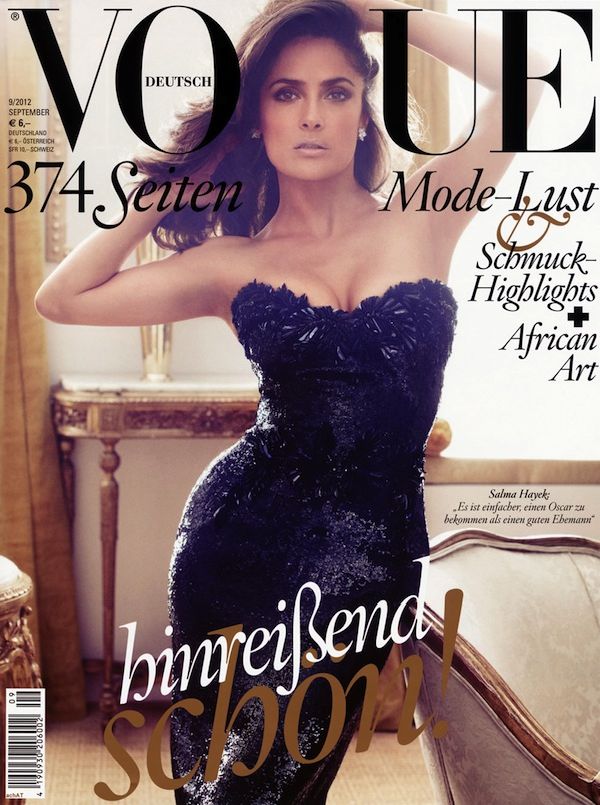
Salma Hayek by Alexi Lubomirski for Vogue Germany, September 2012
Period look at Salma Hayek’s September 2012 Vogue Germany cover story—photographed by Alexi Lubomirski in an after-hours fashion editorial.
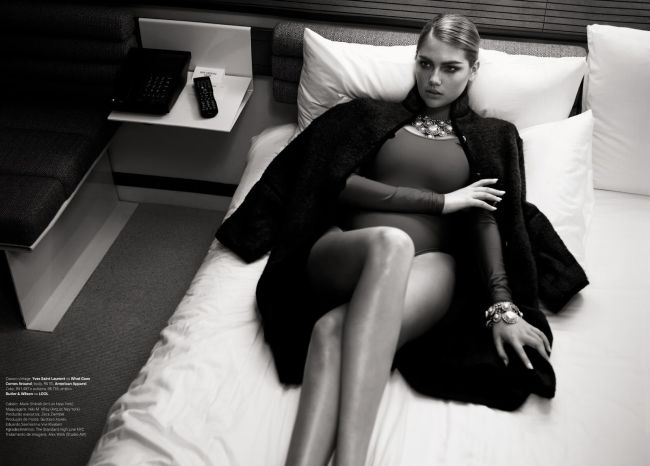
Kate Upton on Vogue Brasil July 2013: E o Novo Sexy
Henrique Gendre and Luis Fiod put Kate Upton on Vogue Brasil’s July 2013 cover in Miu Miu—a Brazilian newsstand thesis on “the new sexy.”
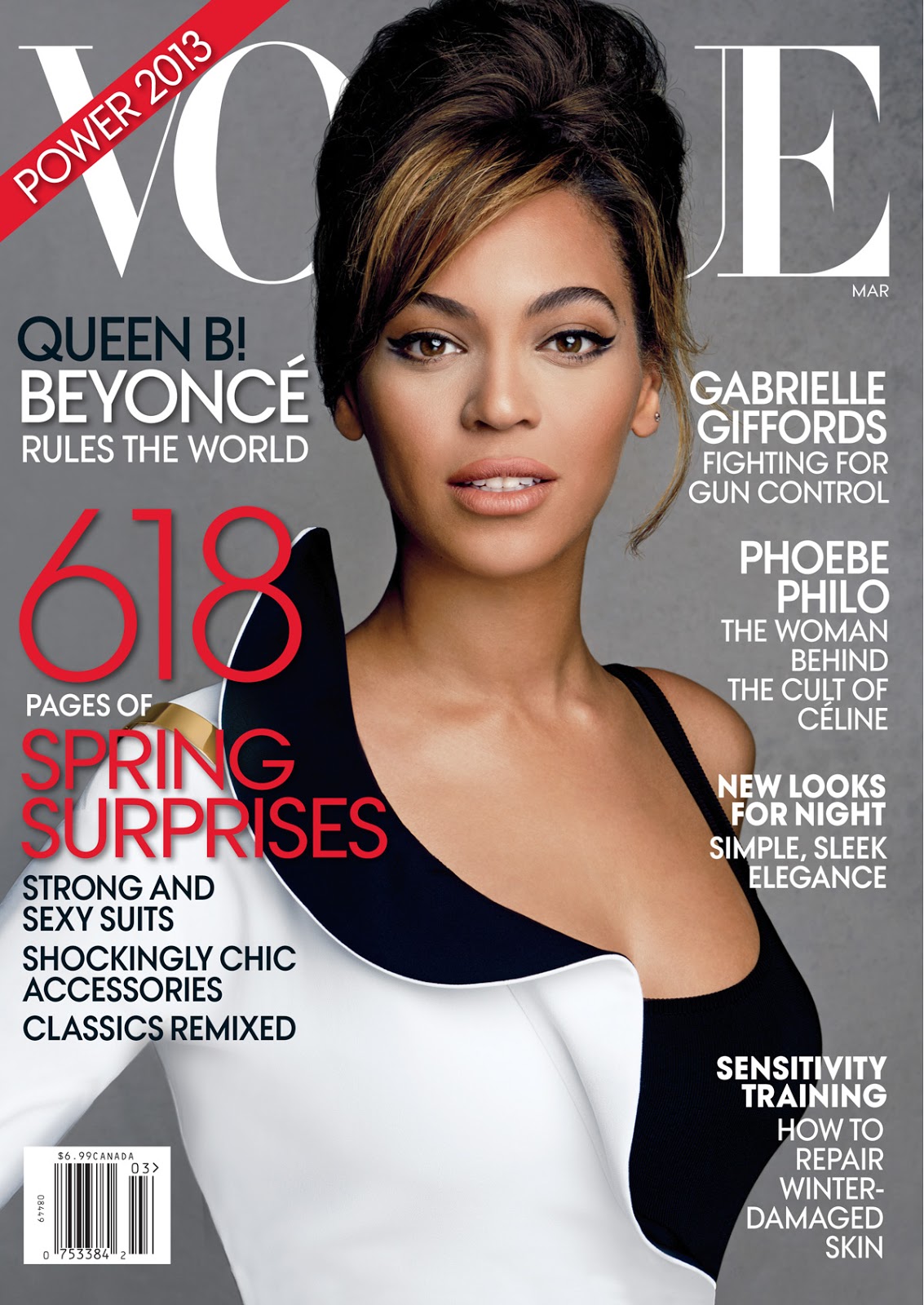
Beyoncé for Vogue US, March 2013 Power Issue
Beyoncé on the March 2013 Vogue US Power Issue—Patrick Demarchelier’s period editorial of fashion, control, and cover-star glamour.