
Dining Room Ideas That Impress Dinner Guests
Table scale, textiles, hearth warmth, layered lighting, and thoughtful accessories—practical ways to make a dining room feel generous, inviting, and ready to host.
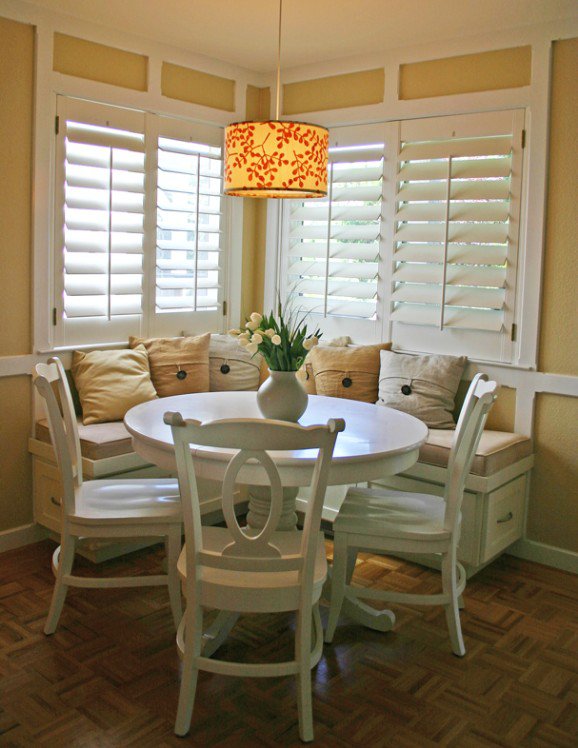
A dining room does a job few other spaces in a home can match: it is where conversation, food, and ceremony meet for a few hours and then disperse. When guests walk in, they read the room before they taste a bite—scale of the table, warmth of the light, whether the place feels staged or genuinely ready to host. Impressing dinner guests is less about purchasing a showroom set and more about composing a room that feels intentional, comfortable, and a little generous.
The ideas below focus on the levers that change how a meal feels: table size, textiles and color, hearth or fireplace presence, layered lighting, and the small tabletop details that signal care. Use them as a menu rather than a checklist; one strong move often beats five half-finished ones.
Start with a generous table
The dining table is the stage. A table that is too small for the number of guests forces elbows inward, piles serving dishes into a precarious center, and makes the evening feel cramped even when the food is excellent. A larger surface gives everyone room to sit back, pass plates without negotiation, and leave space for water glasses, wine, candles, and a simple centerpiece that does not block sight lines.
Generosity here is practical, not only visual. Extra length or width lets unused chairs tuck underneath when the room is empty, so the dining area does not look like storage for spare seating. It also supports family-style serving—platters at both ends, bowls within reach—rather than a single overloaded tray that must circulate the hard way. If you are choosing a new table, match its proportion to the room: leave walkable clearance on all sides, and choose a shape that suits how you gather. Rectangular tables suit longer rooms and formal courses; round or oval surfaces soften corners and keep conversation more equal.
Chairs matter almost as much as the top. A coordinated set reads polished; mixed seating can feel collected and warm if heights and materials relate. Comfort is non-negotiable. Guests who shift every ten minutes because the seat is too hard or too low will remember the furniture, not the dessert. Test a chair the way a guest will use it: sit for twenty minutes, not twenty seconds.
Dress the room, not only the table
Surface dressing turns a bare dining zone into a host’s room. Luxurious does not have to mean heavy: thoughtfully chosen fabrics—drapery with a soft hand, a runner with texture, upholstery that invites a longer stay—add depth without clutter. Fine detailing on chairs, a sideboard, or a mirror frame gives the eye something quiet to land on between courses.
Color sets mood faster than almost any accessory. Brighter, clearer tones bounce light and make evening rooms feel awake; deeper walls or a saturated rug create intimacy for smaller gatherings. Keep the palette coherent. If the walls are calm, let textiles or a single accent wall carry color. If the walls are bold, keep linens and dinnerware simpler so the food and faces remain the focus. Pattern works best in measured doses: a patterned rug under a solid table, or patterned napkins against plain china.
Scale the décor to the architecture. A large room can handle a statement sideboard or a tall floral arrangement; a compact room benefits from vertical interest—art, a narrow console, a hanging light—rather than furniture that eats floor space. Empty wall space is not a failure; it is breathing room. Fill only what supports the evening’s purpose.
Consider a fireplace or hearth cue
Many dining rooms are sparsely furnished by design: table, chairs, perhaps a buffet. Once plates are cleared, the space can feel oddly dormant if nothing else anchors it. A fireplace—real or a well-designed surround with candlelight—changes that. Flame and reflected warmth give guests a reason to linger for coffee or conversation without relocating to another room.
If a structural fireplace is not in the cards, borrow the effect. A low cluster of pillar candles on a stone or wood tray, a wall-mounted electric fireplace with restrained styling, or even a sideboard vignette of lanterns can suggest hearth without renovation. Keep open flame safely away from hanging textiles and from any centerpiece that guests must reach past. The goal is intimacy, not drama that distracts from the meal.
Placement matters. A hearth at the far end of the room draws people to face one another across the table; a fireplace on a long wall can warm the seating line. Either way, treat fire as ambient support, not as a competing spectacle. Soft light from the hearth pairs best with dimmable overheads so the room can shift from dinner brightness to after-dinner glow.
Layer lighting with purpose
Lighting is the difference between a dining room that photographs well and one that feels good to sit in. Overhead glare makes faces look harsh and food look washed out; a single dim bulb leaves guests squinting at their plates. Aim for layers: a primary fixture over the table, softer perimeter light, and optional candles for flicker and height.
A generous pendant or chandelier hung at the right height does more than decorate. Suspended low enough to define the table as a zone, yet high enough that no one bumps it when standing, it becomes a visual ceiling for the gathering. Choose a shade or glass that diffuses rather than spots. Multiple smaller pendants in a row can suit a long table; one wider piece suits a round one. Dimmer switches are worth installing if you host often—they let you brighten for plating and settle for conversation.
Add secondary light where walls feel flat: sconces, a lamp on a buffet, or picture lights over art. Avoid lighting only the center of the table while leaving corners in shadow, which can make the room feel unfinished. Candles belong on the table or nearby surfaces, not where sleeves or menus will catch them. Use unscented or lightly scented options so fragrance does not fight the meal.
Finish with accessories that signal care
Accessories are the last layer guests notice consciously and the first they feel. Polished cutlery, consistent glassware, cloth napkins, and a simple, readable place setting communicate that someone prepared for their arrival. Enamel pieces, candelabras, or a restrained centerpiece can add glamour without crowding serving space. Minimalist does not mean bare; it means every object earns its place.
Think in heights and materials. Low bowls of fruit or a short runner keep sight lines open. Taller candles or a slender vase add vertical rhythm. Mix metals carefully—two finishes at most—and repeat them so the table does not look accidental. Embellished glasses or a distinctive water pitcher can spark conversation without requiring a speech about décor.
Practical hospitality beats ornamental excess. Extra napkins within reach, a water carafe that does not need constant refilling from the kitchen, and clear space for elbows matter more than a towering arrangement. If you serve multiple courses, stage a sideboard or nearby surface for dirty plates so the table stays composed. Sound matters too: a soft rug under the table dampens chair scrape; music at conversation volume supports the evening rather than competing with it.
Put the pieces together before guests arrive
Walk the room the afternoon of a dinner as if you were a first-time visitor. Is the path from entry to seat obvious? Can everyone sit without rearranging furniture mid-greeting? Does the light look flattering with the curtains as you will leave them? Sit in each chair once. Check that the centerpiece does not block faces across the table. Confirm that serving dishes will fit without stacking dangerous towers.
Temperature and scent finish the preparation. A slightly cool room warms once bodies and food arrive; an overheated room makes rich food harder to enjoy. Open a window briefly if cooking smells linger. Keep floral scent light. Have a plan for coats, bags, and phones so the table surface stays dedicated to the meal.
When the evening begins, the room should disappear into the experience: conversation easy, light kind, table generous enough that no one feels managed. Guests remember how they felt more than the brand of the chairs. Design for that feeling—space to gather, warmth to stay, detail enough to notice—and the dining room will do the quiet work of impressing without trying too hard.

Comments
Continue reading

Funny Animal Signs That Warn People (While Animals Ignore Them)
From a seagull on a no-birds disc to classic zoo and park ironies—why animal warning signs get funny, and what the rules are still for.

How to Find Local Amenities on Vacation: Mechanics, Haircuts & More
Locate trustworthy local services and everyday spots while traveling or settling in—using publications, reviews, map apps, neighbor tips, and low-pressure exploration.

Kristen Stewart for V Magazine, Spring Preview 2013
V81’s Wild at Heart cover story—Kristen Stewart shot by Inez & Vinoodh, styled by Joe McKenna, in pale minimal spring glamour.