
1 Carat Diamond Ring Styles: Solitaire to Custom
A practical style guide to one-carat diamond rings—solitaires, accent settings, bridal and triple sets, past-present-future designs, and custom mounts.
A one-carat diamond ring sits in a sweet spot for many people: large enough to read clearly on the hand, restrained enough to wear every day. Whether the ring is for an engagement, an anniversary, or a gift with no ceremony attached, style matters as much as carat weight. The same stone can look quiet or dramatic depending on the setting, the metal, and whether smaller diamonds join the design. This guide walks through common one-carat diamond ring styles so you can match the look to the wearer—not to a hard sell.
Remember that “one carat” describes weight, not face-up size. Cut quality, shape, and setting height change how big the diamond appears. Color and clarity grades also interact with style: a high-clarity solitaire shows every facet; a halo or accent setting can make a slightly warmer stone look brighter by surrounding it with white metal and smaller diamonds.
Single solitaire
A solitaire puts one diamond alone on the band so the stone carries the entire design. It is the classic choice when you have a well-cut one-carat diamond and want nothing to compete with it. Four-prong settings show more of the girdle and can make the stone look slightly larger; six-prong settings add security and a traditional rounded outline, especially popular with round brilliants.
Metal choice shifts the mood. Platinum and white gold keep the look cool and contemporary. Yellow gold warms the hand and suits vintage-leaning tastes. Rose gold softens the contrast between stone and skin. A thin band emphasizes the diamond; a wider band feels more substantial and can balance a taller setting. Solitaires reward excellent cut: if light leaks out the bottom of a poorly cut stone, there is nowhere for the eye to hide.
Daily wear tip: ask how high the head sits. A tall solitaire catches light beautifully and also catches on sweaters and gloves. A lower profile is kinder for people who type, garden, or work with their hands.
Solitaire with accents
Sometimes a lone stone feels too spare for the wearer’s taste. Accent diamonds along the shoulders—or a slender row of pavé down the band—add sparkle without changing the one-carat center as the hero. Accents can be channel-set for a smooth surface, prong-set for more glitter, or milgrain-edged for a vintage nod.
This style helps when someone wants a ring that photographs as “busy” enough for their personality while still reading as a classic engagement shape. Accents also bridge metal color: small diamonds draw white light along a yellow-gold band so the center stone does not feel stranded.
Be honest about maintenance. Extra diamonds mean extra prongs to check over the years. A reputable jeweler should explain how the accents are secured and what a periodic tightening appointment looks like.
Bridal sets
A bridal set pairs an engagement ring with a wedding band designed to nest against it. The two rings are shaped to sit flush, so you avoid awkward gaps or spinning when worn together. Some sets share a continuous pavé line across both rings; others contrast a plain band with a diamond engagement head for visual rest.
Buying as a set can simplify decision-making: you see the finished stack before the wedding day. It is not mandatory. Many people prefer to choose the engagement ring first and select a band later, once daily wear habits are clear. If you do buy a set, try both rings on together. A beautiful engagement ring can still fail if the band forces the center stone to tilt or dig into the finger.
Triple sets (his and hers matching)
A triple set typically includes the engagement ring, the wedding band, and a matching band for a partner. The idea is visual harmony across both hands: shared metal color, similar edge profiles, or echoing diamond details. Partner bands can be plain for comfort or include channel diamonds if that matches the couple’s taste.
Matching does not have to mean identical. A woman’s diamond-heavy stack can sit beside a simpler men’s band in the same platinum, for example. What matters is that the finishes agree under the same lighting. If one ring is high-polish and the other is heavily brushed, they can look like they belong to different stories even when the metal type matches on paper.
Try rings on at the end of the day when fingers are slightly larger, and confirm sizing policies. Stacks change how snug a fit feels compared with a single band.
Past, present, and future
The past-present-future design places three stones in a row: usually a larger center diamond flanked by two smaller ones. Symbolically, the trio represents time together. Practically, it gives the ring a longer horizontal presence on the finger.
There are two common approaches to carat math. In one, the three stones together total about one carat. In the other, the center stone is a full one-carat diamond and the side stones add extra weight. Clarify which version you are looking at—price and visual impact differ sharply. Side stones are often trapeze, round, or pear shapes that frame the center. A shared prong setting keeps the line sleek; individual heads give each stone more separation.
This style suits someone who likes storytelling in jewelry and prefers a ring that does not rely on a single silhouette. It is also a useful option when you want more coverage on the finger without jumping to a much larger center stone.
Custom design with a stone you already own
Inherited diamonds, upgraded stones, or a diamond bought separately from a setting all invite custom work. A jeweler can build a head and band around your one-carat diamond in the metal and style you choose—solitaire, halo, vintage filigree, modern tension-inspired mounts, and more.
Custom is not automatically more expensive than a finished retail ring, but it does require clear communication. Bring photos of styles you like and notes on lifestyle (sports, healthcare work, frequent travel). Ask for CAD renderings or wax models when available. Confirm whether the diamond needs a new certification measurement once remounted, and get the timeline in writing.
Custom also lets you solve fit problems that catalog rings ignore: tapered bands for small fingers, lower heads for active hands, or mixed metals that match other jewelry already in the jewelry box.
Style cues beyond the named categories
Halo settings surround the center diamond with a ring of smaller stones, boosting face-up size and sparkle. They can still feature a one-carat center; just know the ring’s total carat weight will be higher. Vintage-inspired settings use filigree, engraving, and milgrain to soften a modern brilliant cut. East-west settings turn an oval or emerald-cut diamond sideways for a contemporary profile. Bezel settings wrap metal around the girdle for a modern, protected look—excellent for people who are hard on jewelry.
Shape still matters inside every style family. Round brilliants maximize sparkle. Cushions and ovals elongate the finger. Emerald and Asscher cuts emphasize clarity and architectural light. A one-carat emerald cut will look very different from a one-carat round in the same solitaire mounting—try both before deciding “one carat” is a single aesthetic.
A calm way to decide
Start with the wearer’s daily life and jewelry habits. If they already wear delicate chains and small studs, a refined solitaire or slim accent band will probably feel more natural than a heavy triple-row design. If they love statement pieces, accents, halos, or a past-present-future layout may fit better. Next, settle metal color against skin tone and existing watches or wedding-band plans. Then compare two or three settings with the same diamond shape so you are judging style, not accidentally comparing unrelated stones.
Ask to see the diamond under mixed light—daylight and indoor bulbs. Check prong security with a gentle push test only if the jeweler invites it. Get the specs in writing: carat weight, cut/color/clarity grades, measurements, and what the return or resize policy covers.
A one-carat diamond ring earns its keep when the style disappears into the person’s life—comfortable on a Tuesday, still meaningful on an anniversary. Choose the silhouette that still looks like them when the box is closed and the ordinary week begins.

Comments
Continue reading

Funny Animal Signs That Warn People (While Animals Ignore Them)
From a seagull on a no-birds disc to classic zoo and park ironies—why animal warning signs get funny, and what the rules are still for.
How to Find Local Amenities on Vacation: Mechanics, Haircuts & More
Locate trustworthy local services and everyday spots while traveling or settling in—using publications, reviews, map apps, neighbor tips, and low-pressure exploration.
Kristen Stewart for V Magazine, Spring Preview 2013
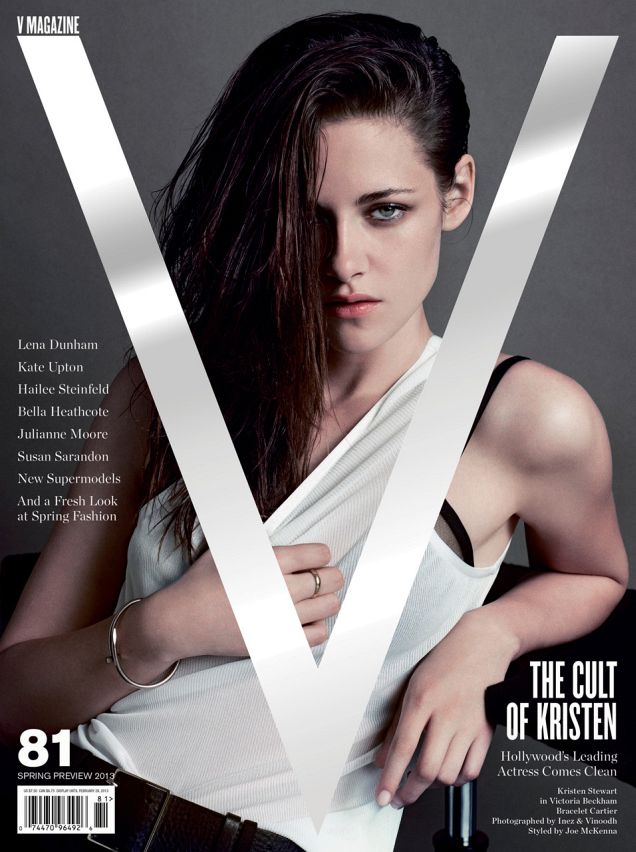
V81’s Wild at Heart cover story—Kristen Stewart shot by Inez & Vinoodh, styled by Joe McKenna, in pale minimal spring glamour.