
Decorate with Old Wooden Crates: Shelves, Tables, and Storage
Prep sound crates, then turn them into stacked shelves, coffee tables on casters, entry benches, planters, and vertical storage without buying faux-distressed furniture.
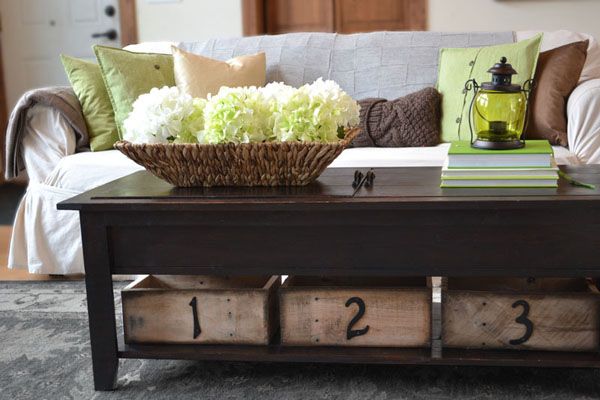
Old wooden crates solve a problem many rooms share: you want storage and display that look intentional, but you do not want another matching set of particle-board cubes. Crates arrive with grain, nail holes, stencil marks, and a ready-made grid of slats. That worn surface reads as rustic without forcing you to buy “distressed” furniture that was manufactured to look used. One crate can become a side table; a stack can become a bookcase; a pair on casters can become a coffee table you can roll aside when guests need floor space.
The material is inexpensive when you source produce crates, winery boxes, or surplus shipping crates that are still structurally sound. Flexibility matters as much as price. You can leave the wood raw, sand it smooth, stain it darker, paint one face, or line the interior with fabric. Vintage-leaning rooms absorb crates easily; modern rooms can use them as a single warm accent against plaster and metal. The projects below stay practical—shelves, storage, tables, and vertical displays—so the rustic accent earns its footprint.
Choose and prep crates that will last
Not every crate deserves a second life indoors. Reject wood with active mold, soft rot, or a chemical smell you cannot identify. Food crates that held produce may need a thorough scrub; industrial crates may have oil or pesticide residue. Wash with mild soap, rinse, and dry completely in open air. Sand splinters and proud nails. Countersink or pull fasteners that could snag clothing. If the crate will hold books or ceramics, reinforce loose joints with wood screws from the inside so the exterior keeps its weathered look.
Decide early whether you want the original stencils and brand marks. Those graphics are part of the charm for many people; for others they feel too busy. A light sanding softens lettering without erasing it. A full paint job hides it. Food-safe finishes matter only if the crate will contact edible items directly; for plant stands and shoe storage, a clear water-based sealer that reduces splintering is usually enough.
Horizontal shelves and stacked bookcases
The simplest shelf is a single crate on its side, open face forward, sitting on a console or mounted to the wall. Mounting requires finding studs or using appropriate anchors; empty crates look light until you fill them with records. Two or three crates stacked and fastened to each other create a modular bookcase. Offset the openings—some facing forward, one facing sideways—to break the grid and create cubbies of different depths.
For a freestanding unit, add a plywood back panel screwed from the inside. The back keeps the stack square and prevents books from falling through slats. Stain the back a shade darker than the crates if you want the contents to pop. Leave the top clear as a display surface for a lamp or plant so the piece reads as furniture rather than a pile of boxes.
Coffee tables and side tables
Four matching crates arranged in a square, openings outward or inward, can support a glass or wood top. If openings face out, the voids become magazine storage; if they face in, you get a hidden well under the top. Screw the crates to each other and to a lower frame if the floor is uneven. Casters on the bottom corners turn the table mobile—useful in small living rooms—but lockable wheels prevent drift on hardwood.
A single sturdy crate on its base becomes a nightstand or sofa end table. Add a tray on top for drinks so condensation does not stain unfinished wood. For a taller drinks station, stack two crates and bolt them; keep heavy bottles on the lower level. Avoid overloading thin fruit crates that were never meant for glassware weight; winery and heavy shipping crates handle table duty better.
Vertical storage and room dividers
Crates mounted in a column beside a desk hold files, yarn, or camera gear. Alternate orientation so some cubbies are wide and shallow while others are tall. In a studio apartment, a low wall of stacked crates can separate a sleeping niche from a living area without blocking light the way a solid partition would. Weave a few open backs toward a window so daylight still crosses the room.
Under-bed drawers are another quiet win: add small wheels to a shallow crate and use the open face as a pull. Soft felt pads on the bottom protect floors if you skip wheels. Label the short end with a tag rather than painting large text if you want the wood grain to stay the visual focus.
Kitchen, entry, and plant uses
In kitchens, wall-mounted crates hold cookbooks, oil bottles, or baskets of onions and potatoes—provided airflow is good and the wood is sealed against grease. Entryways welcome crate benches: a reinforced crate on its side with a cushion on top and shoes stored inside. Secure the unit so it cannot tip when someone sits to tie laces.
As planters, crates need liners. Plastic trays or landscape fabric keep soil from rotting the wood too quickly. Herbs and shallow-rooted flowers suit crate depth better than trees. Elevate outdoor crates on feet so rainwater drains. Indoor plant crates look strongest when grouped in odd numbers with mixed heights rather than lined up like a nursery display.
Finishes that keep the rustic story
Whitewash—thinned paint wiped on and off—keeps grain visible while brightening a dark corner. Dark wax or gel stain deepens an already aged look. Milk paint chips naturally over time if you want a softer worn edge. Metallic handles or leather pulls on the short ends help crates read as drawers when they slide from a bench base.
Mixing finishes across a stack usually looks accidental. Pick one treatment for a set that shares a wall. You can still vary contents: books in one cubby, baskets in another, a small lamp in a third. Restraint in finish lets the DIY read as design rather than leftover packaging.
Safety and longevity
- Anchor tall stacks to walls in homes with children or pets.
- Check weight ratings mentally: if the crate flexed when empty, it will fail when full.
- Keep raw wood away from constant damp; bathrooms need sealed finishes or different materials.
- Sand until clothing can brush the edges without catching.
- Use felt or rubber feet so unfinished bottoms do not scratch floors.
Start with one crate and one job—magazine storage beside the sofa, or a wall shelf for plants—and finish that piece completely, including sanding and a clear coat, before hunting for a matching set. A single well-made crate unit teaches you how the wood behaves; a house full of half-screwed boxes teaches you only how clutter multiplies.

Comments
Continue reading
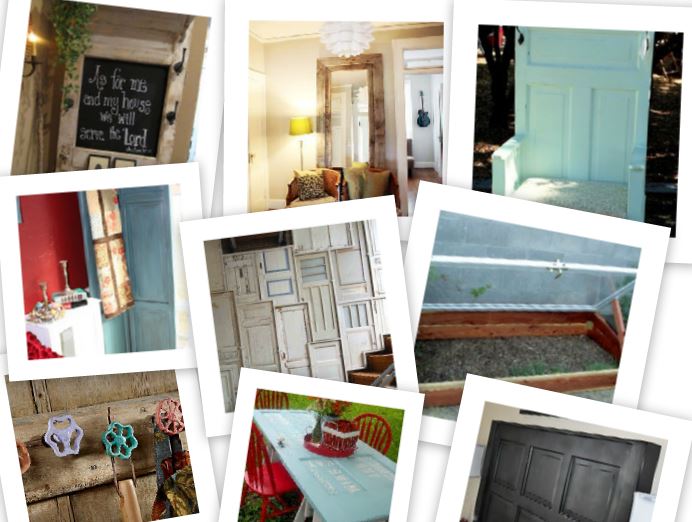
Upcycle Ideas for Old Doors
Turn surplus doors into headboards, benches, tables, shelves, and screens—prep tips, project ideas, and finishes so salvage wood gets a solid second life at home.
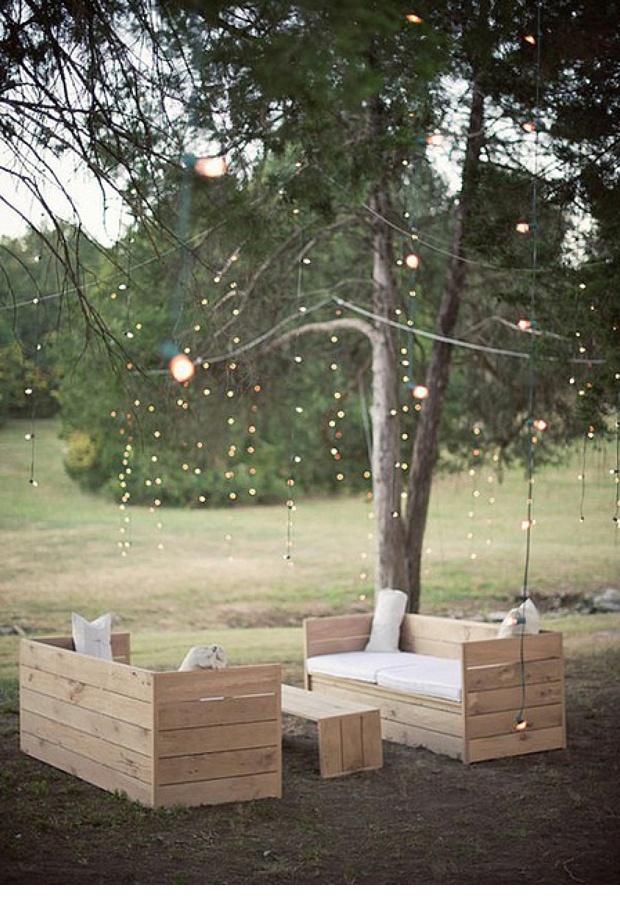
13 Creative Ways to Repurpose Wood Pallets at Home
Planters, coffee tables, lounge bases, headboards, compost bins, and more—thirteen practical pallet DIY projects with safety and finishing notes.
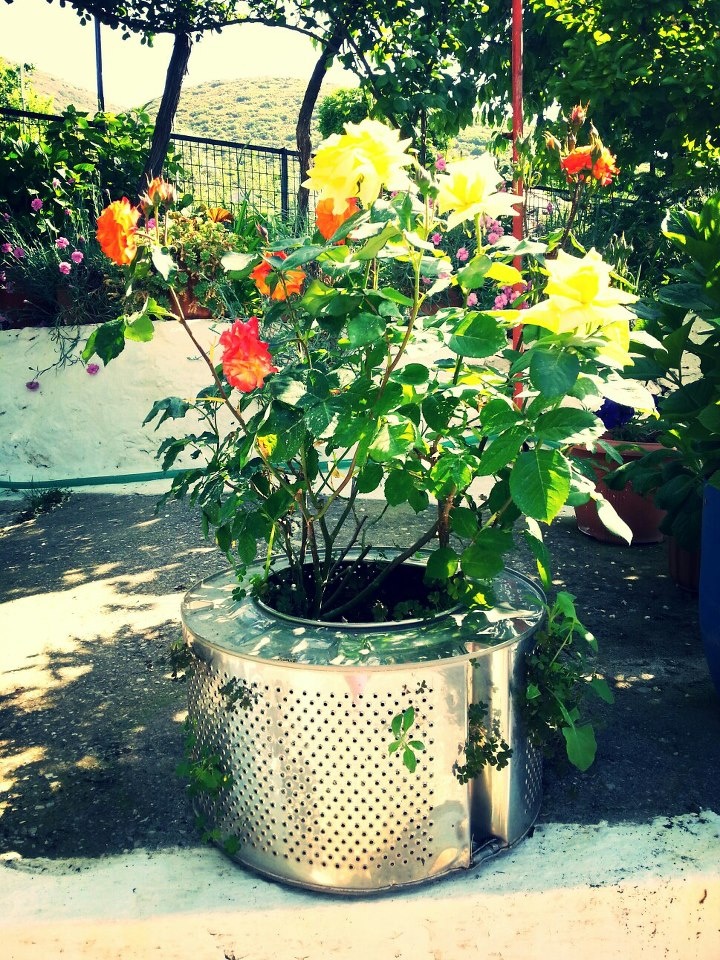
Washing Machine Drum Upcycles: Fire Pits, Tables, Lights, Planters
Practical drum projects with real safety notes on sharp edges, rust, wiring, and fire—plus when salvaging a drum is not worth DIY.