
13 Creative Ways to Repurpose Wood Pallets at Home
Planters, coffee tables, lounge bases, headboards, compost bins, and more—thirteen practical pallet DIY projects with safety and finishing notes.
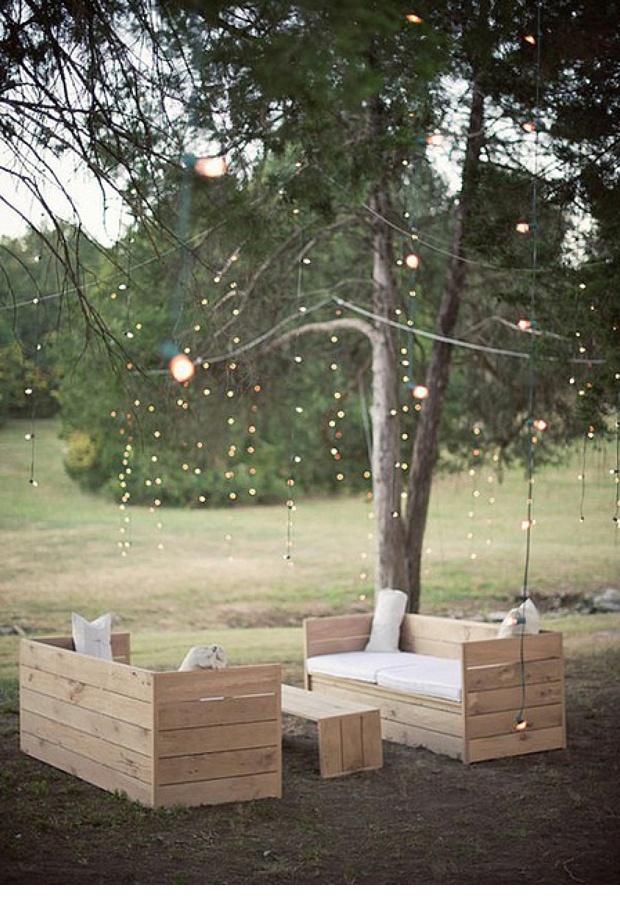
Wood pallets are free or cheap industrial leftovers that already come as modular platforms: spaced slats, sturdy stringers, and a footprint sized for stacking. With a pry bar, saw, sander, and outdoor-rated fasteners, those same boards become furniture, planters, and storage. The thirteen ideas below keep the original project photos and spell out what each build is good for—plus the safety habits that separate a clever DIY from a splinter hazard.
Prefer heat-treated pallets (often marked HT) over chemically treated ones for anything that will touch skin, food gardens, or indoor air. Scrub dirt, pull or sink protruding nails, and sand surfaces people will sit or lean on. Seal outdoor pieces; leave indoor pieces raw only if the wood is clean and you like the unfinished look. Measure twice before you cut stringers—pallet lumber is rarely as straight as kiln-dried boards from a store.
1. Vertical pallet planter
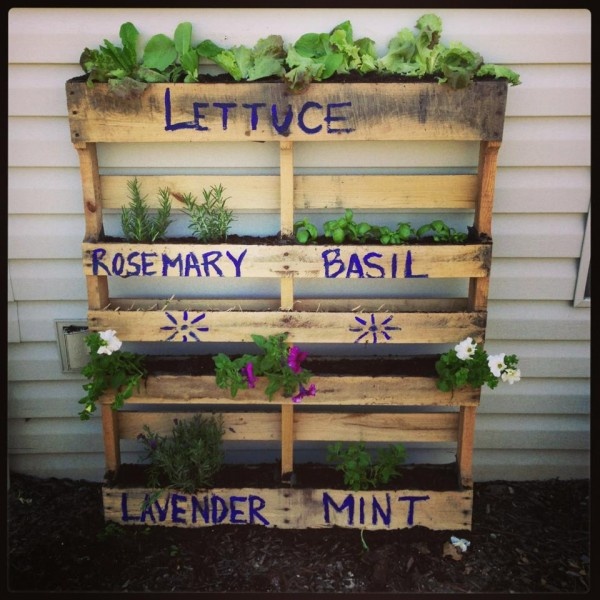
Stand a pallet upright, line pocket rows with landscape fabric, and fill with soil for herbs or trailing flowers. Mount securely to a wall or sturdy frame so irrigation weight does not tip the unit. Choose plants that tolerate shallow root zones, and water carefully so runoff does not stain siding. Start with herbs you actually cook with—basil, thyme, mint in its own pocket—so the planter stays useful after the first Instagram week. This is the classic small-space garden move when you have sun but little ground.
2. Pallet coffee table
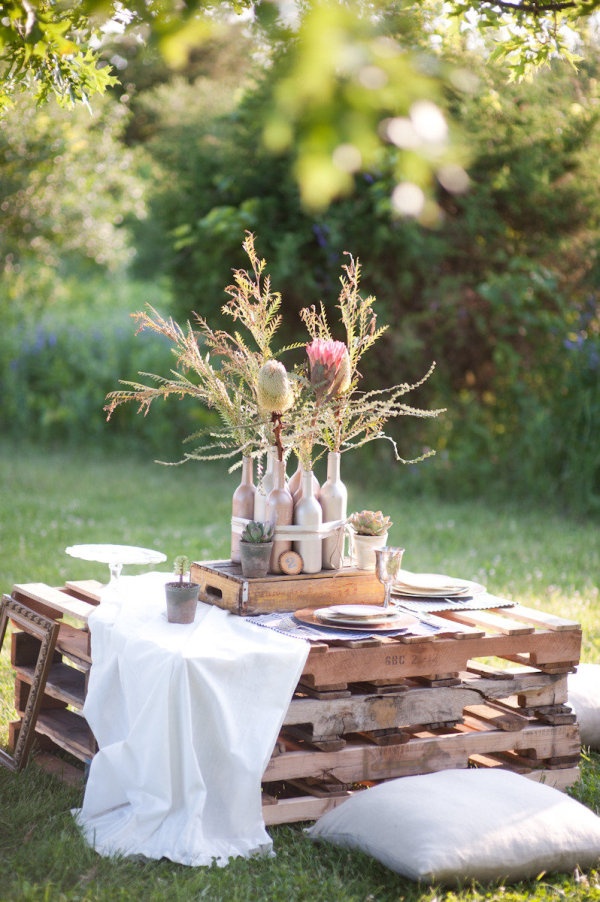
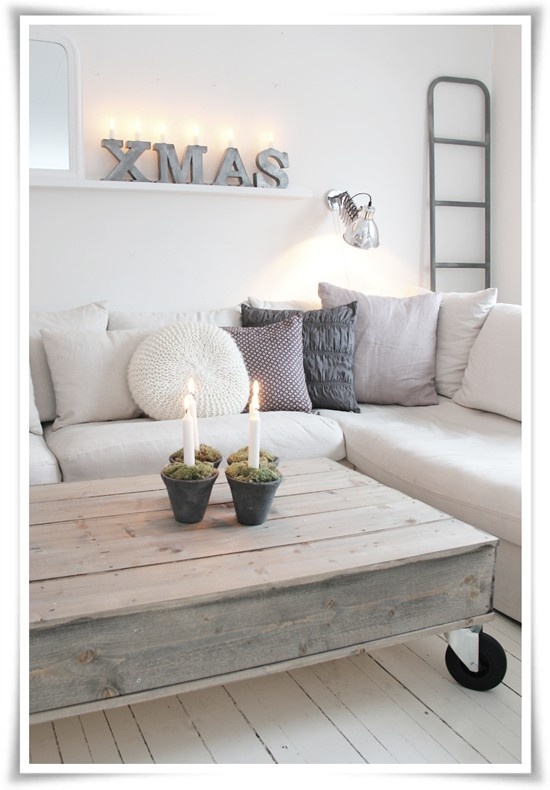
Stack one or two cleaned pallets, screw them together, and add casters or simple legs. A glass or plywood top creates a usable surface without losing the slat look. Sand thoroughly and finish with a clear coat or paint that matches the room. Leave open sides for magazine storage if the stack height allows. Keep height coffee-table friendly so knees and cups both win. Felt pads under feet protect floors if you skip casters.
3. Outdoor lounge base
Multiple pallets screwed into an L-shape or rectangular platform become a patio sofa once you add outdoor cushions. Elevate slightly for airflow and drainage. Use exterior screws and check for rot every season. Store cushions when rain is heavy. The build is modular: start with a two-pallet daybed and expand if the deck has room. A simple backrest from a third pallet tilted and braced makes longer sits more comfortable.
4. Headboard from pallet boards
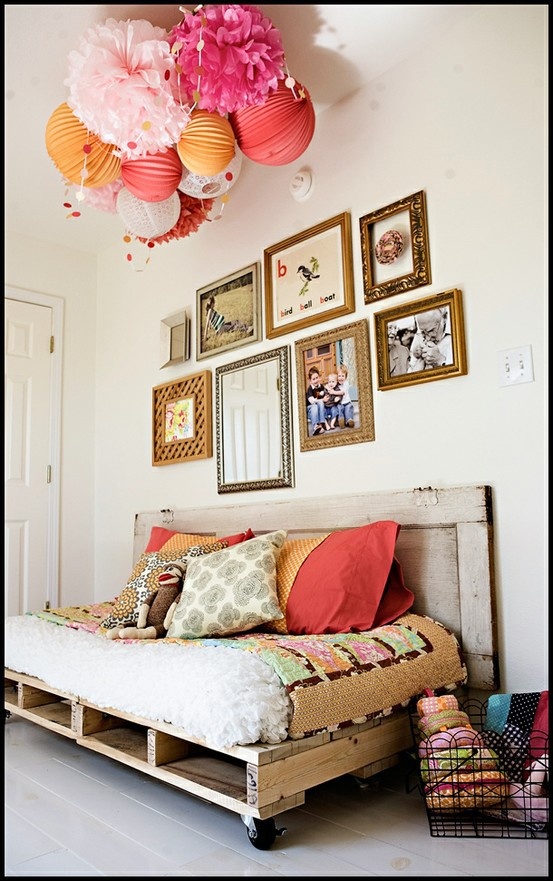
Disassemble a pallet into boards, arrange them horizontally or in a chevron behind the bed, and mount to a cleat anchored in wall studs. Sand until the surface is kind to bare shoulders. Stain dark for drama or whitewash for a lighter bedroom. Keep fasteners flush. A pallet headboard reads rustic without needing a full reclaimed-lumber budget. If the bed moves for cleaning, mount the headboard to the wall rather than only to the frame.
5. Shoe rack or entry shelf
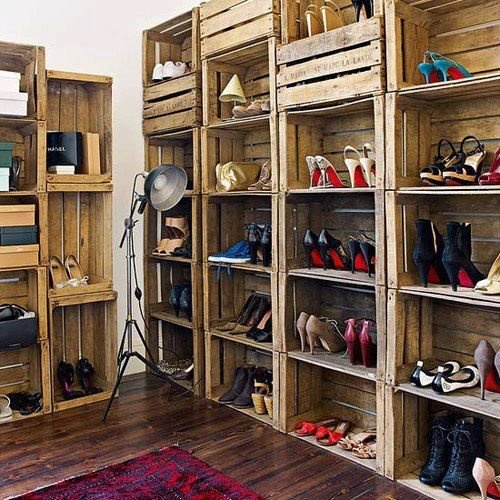
A shortened pallet on its side, or boards rebuilt into open cubbies, corrals shoes by the door. Add a top plank for keys and mail. Finish the wood so wet soles do not raise endless grain. Keep the footprint narrow in apartments. Label family cubbies if you want less morning chaos. A low lip at the front of each shelf stops shoes from sliding onto the floor when the door swings open.
6. Compost or garden bin frame
Four pallets wired or screwed into a square make a working compost bay. Leave gaps for airflow; add a removable front for turning. Site it on soil, not against untreated house siding. This is utility over décor—expect weathering. When boards fail, replace one face at a time rather than discarding the whole bin. A second bay beside the first lets you rest one pile while filling the other.
7. Hanging pallet swing or bench
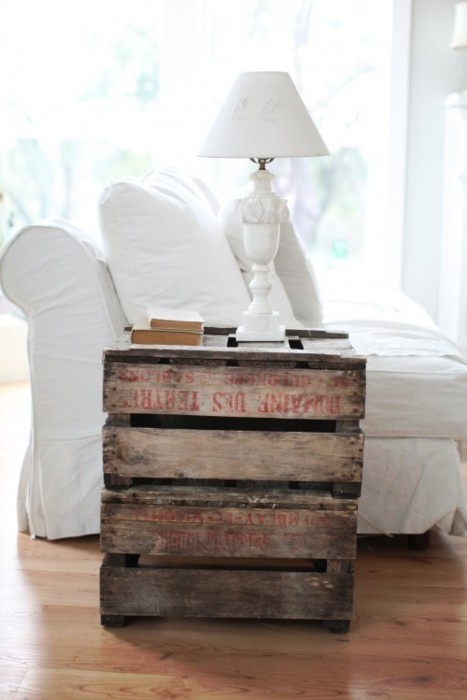
A reinforced pallet seat hung from chains can become a porch swing if—and only if—the structure above and the hanging hardware are rated for people. Reinforce stringers, sand every edge, and add a comfortable cushion. When in doubt, build a fixed bench on legs instead of a swinging seat. Safety beats the viral photo. Have a second person check clearances so the seat cannot pinch fingers against a railing.
8. Bookshelf or media lean-to
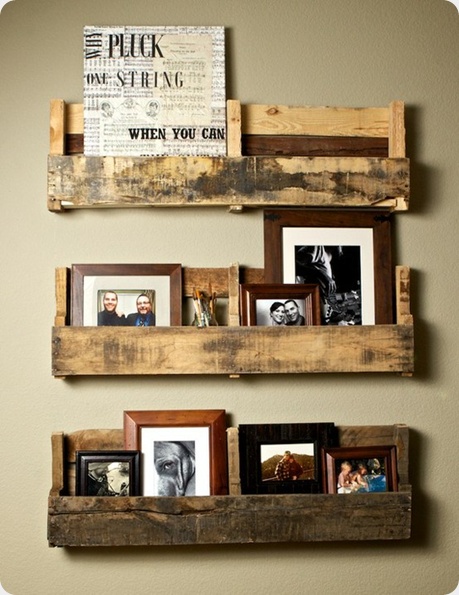
Stand a pallet vertically, add cross shelves between slats or rebuild with even shelf spacing, and anchor it to the wall. Use it for books, plants, or vinyl. Paint the back wall a contrasting color so objects pop through the gaps. Do not overload upper shelves on a tall thin unit without bracing. Heavier items belong low; light décor can sit higher where tips matter less.
9. Patio deck tiles or walkway
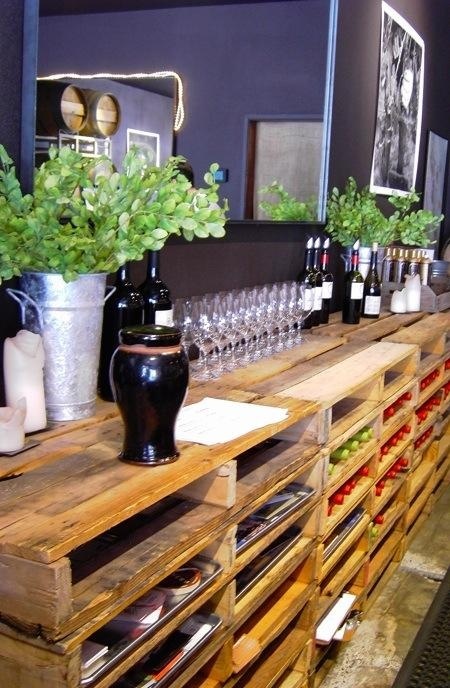
Disassembled boards laid as decking over leveled ground or joists create a low patio or garden path. Leave drainage gaps, treat for outdoor exposure, and watch for warping after the first wet season. This project consumes many pallets; gather stock before you commit to a large square footage. Weed barrier under a path keeps maintenance saner than bare dirt between boards.
10. Outdoor bar or serving cart
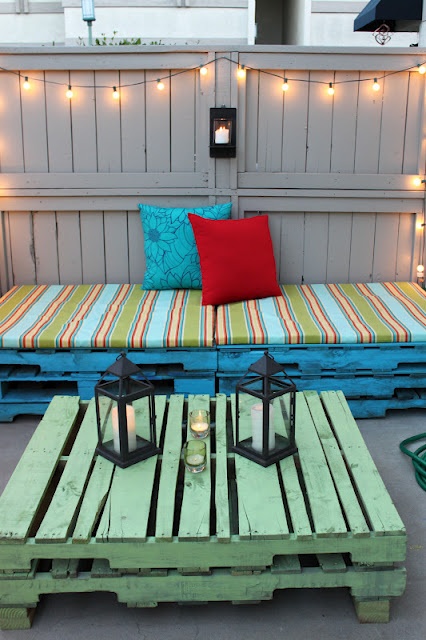
A tall pallet section with a solid top board becomes a standing bar for parties. Add hooks for utensils, a lower shelf for bottles, and a food-safe finish on the serving surface. Casters turn it into a movable cart if the path is smooth. Store under cover when possible so the top stays pleasant to wipe. A simple towel bar on the side keeps cleanup within reach mid-party.
11. Pet bed frame
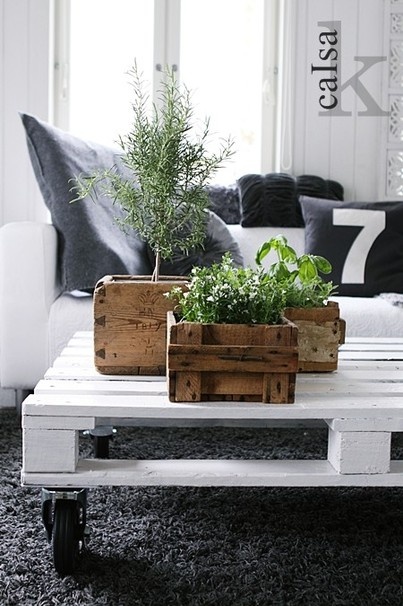
A low pallet box with a foam cushion fitted to size gives dogs and cats a defined bed that still looks like furniture. Sand obsessively—pets investigate with noses and paws. Use clean HT wood and non-toxic finish. Removable covers make washing realistic. Size the frame to the animal you have, not the animal you wish would stay tiny. Raise the bed slightly if floors stay cold in winter.
12. Desk or workbench top
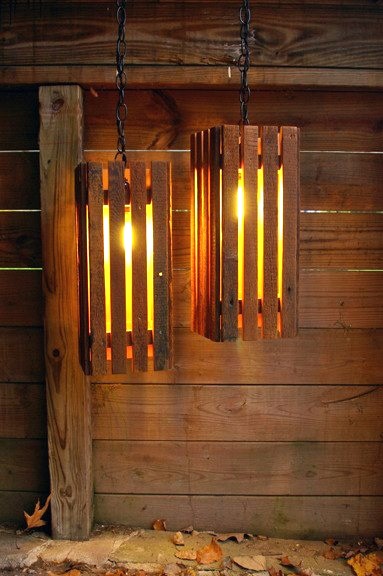
Pallet boards glued and screwed over a simple frame make a rustic desk or garage workbench. Fill gaps if you need a smoother writing surface, or embrace the texture for a tool bench. Level the top carefully. Add a lower stretcher so the piece does not rack. Clamp projects, do not rely on decorative weakness. A scrap of hardboard as a sacrificial top protects the pallet face during messy jobs.
13. Privacy screen or fence panel
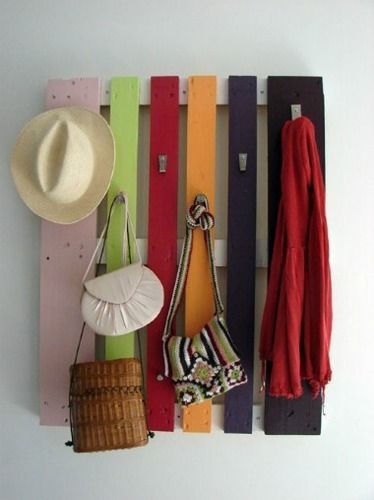
Pallets wired in a row, or boards spaced on posts, create a quick privacy screen for a balcony or patio edge. Stagger heights for a less institutional look. Anchor against wind. Paint one side for color and leave the other natural if you like contrast. Check local rules before anything that functions as a permanent fence on a property line. Climbing plants can soften the industrial look without hiding structural gaps you still need for airflow.
Choosing and finishing well
Match project to tools. Planters and shoe racks need less precision than swings and desks. Always budget time for nail removal and sanding—those steps decide whether the piece feels handmade or hazardous. Exterior projects want weatherproof fasteners and finishes; interior projects want cleaner wood and smoother touch surfaces. A random-orbit sander earns its keep faster than almost any decorative stain.
Start with one pallet and one clear need: herbs by the kitchen door, a coffee table that can take abuse, a headboard that costs more in effort than cash. When the first build earns its keep, the next twelve ideas stop being a gallery and start being a backlog of useful weekends.

Comments
Continue reading
Upcycle Ideas for Old Doors
Turn surplus doors into headboards, benches, tables, shelves, and screens—prep tips, project ideas, and finishes so salvage wood gets a solid second life at home.
Decorate with Old Wooden Crates: Shelves, Tables, and Storage
Prep sound crates, then turn them into stacked shelves, coffee tables on casters, entry benches, planters, and vertical storage without buying faux-distressed furniture.
Washing Machine Drum Upcycles: Fire Pits, Tables, Lights, Planters
Practical drum projects with real safety notes on sharp edges, rust, wiring, and fire—plus when salvaging a drum is not worth DIY.