
Daily Doodles by David Michael Chandler: Moody Hand-Drawn Loops
Los Angeles illustrator David Michael Chandler’s Daily Doodles pair self-taught linework with tiny stories—dark childhood fantasy rendered as sticky GIF moods.
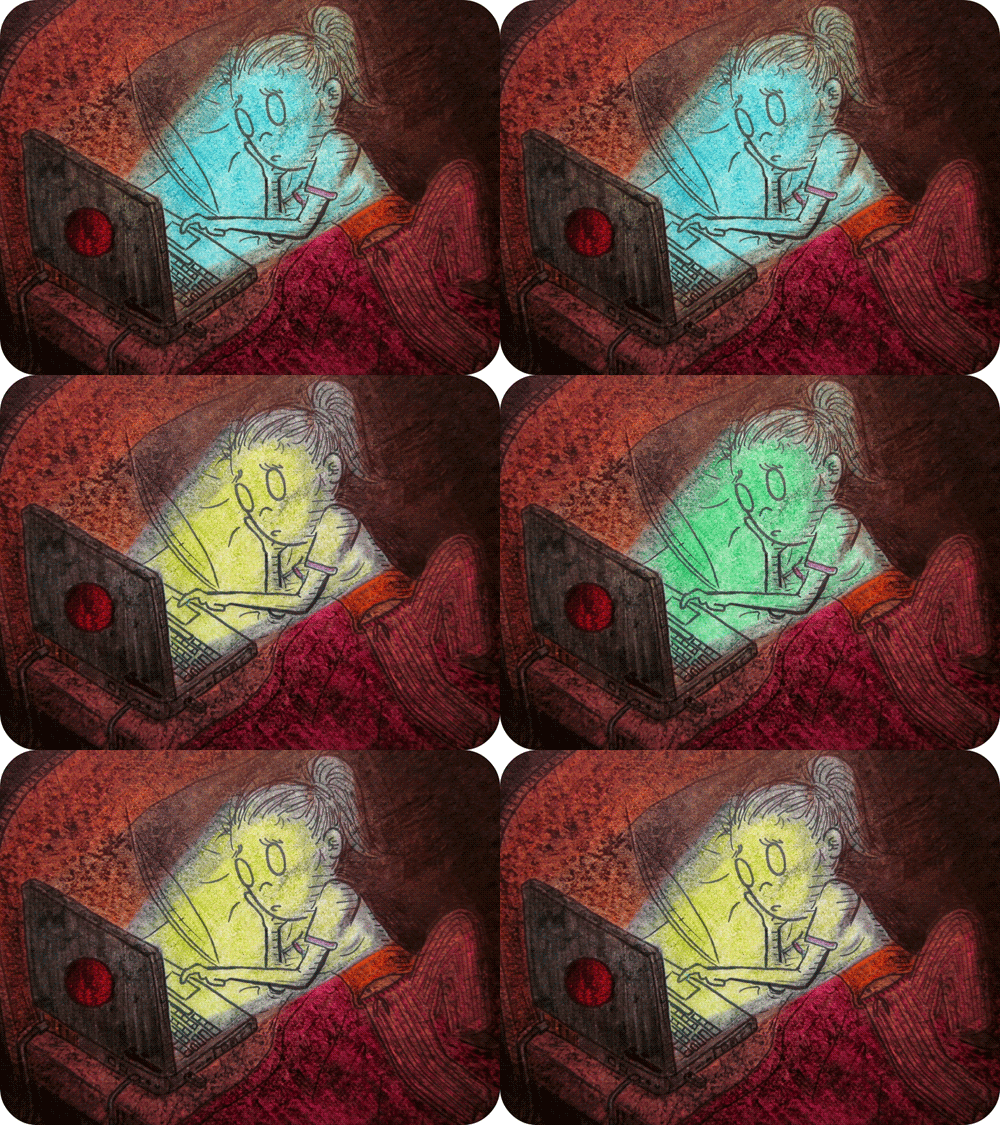
David Michael Chandler’s Daily Doodles look handmade in the best sense: lines that feel drawn at a desk late at night, colors laid flat like storybook ink, and tiny looping motions that turn a still idea into weather. After Portland roots and years living and working in Los Angeles—including time he described as Koreatown—Chandler built a practice around posting doodles that arrive with short stories attached. Each piece is meant to be complete on arrival: a scene you can read in a minute and stare at for five. He has said the work is written, drawn, and colored on his own. That solo control shows. Nothing here feels committee-smoothed or licensed from somewhere louder.
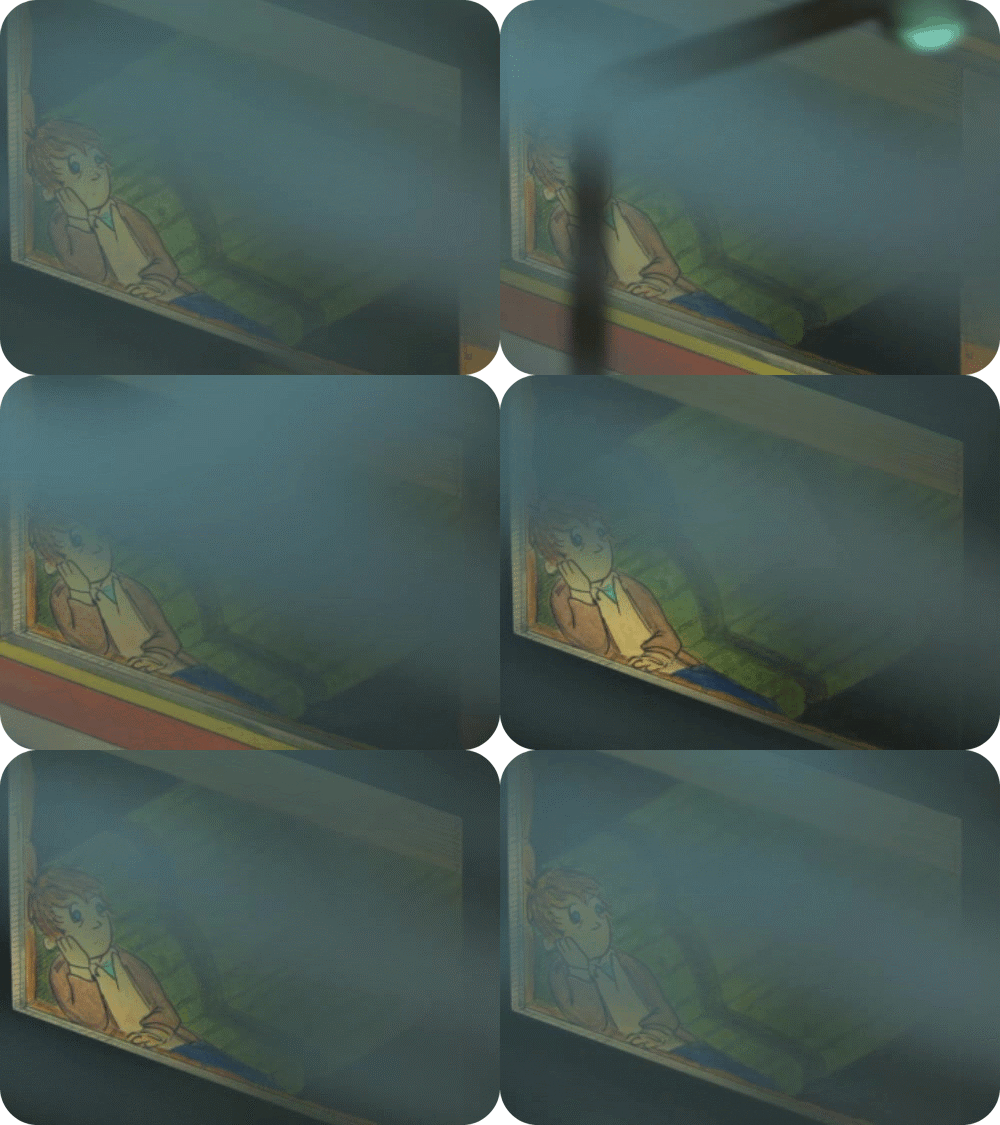
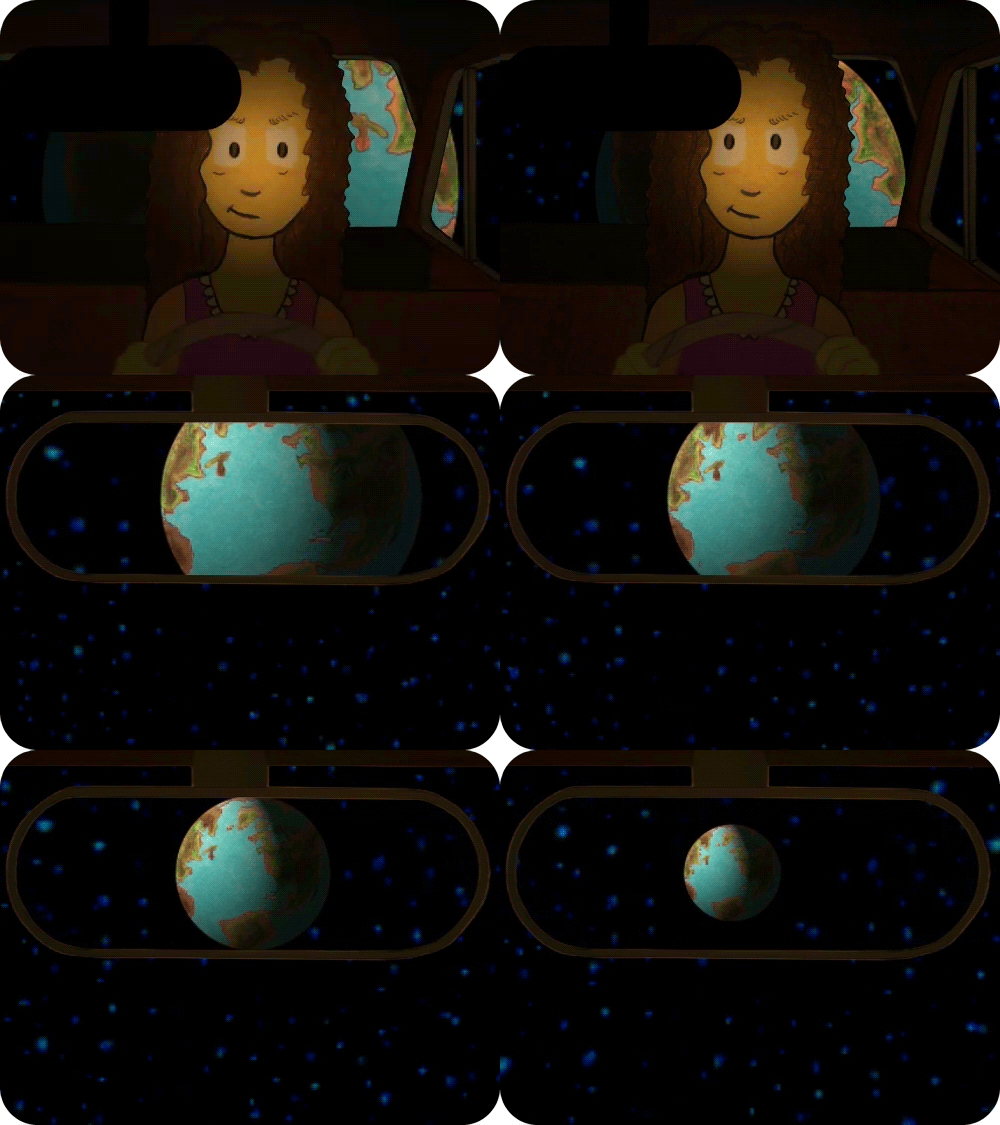
The word “doodle” undersells the craft. Chandler’s images often carry the emotional charge of a short film compressed into a square: loneliness at a window, a demon hanging in a night sky, a robot tallying the cost of a strange life, space travel treated as wonder and exile at once. He has talked about drawing from the darker edges of childhood imagination and from fantasy that stays original rather than borrowed from television and movies. In notes from the project’s era, he said he loved being able to control every aspect of the art so that success or failure had only him to blame, and that he tried not to reference pop culture as a crutch. The result sits next to internet pop without becoming fan art.
A daily practice with narrative attached
The Daily Doodles project was never only a drawing streak. Chandler paired pictures with brief prose—tiny fictions, confessions, or scene-settings that angled the feeling of what you were seeing. Later write-ups of his GIF work noted that some animations grew from stories people sent to the Tumblr, rendered as a few paragraphs of text plus a looping image. That hybrid form mattered on the early-2010s internet, when Tumblr dashboards, embedded GIFs, and short blogs rewarded objects that could be felt quickly and shared easily without erasing the author’s voice.
Self-taught, in this case, does not mean unfinished. The linework is confident. Silhouettes read at thumbnail size. When a piece is animated, the motion usually does one clear job: a blink, a drift of smoke, a pulse of light, a figure shifting weight. Restraint keeps the loops from becoming noisy. You can leave a GIF open in a tab and it keeps breathing instead of shouting for attention every half-second.
Daily cadence also trained a kind of emotional range. Not every post needed to be a masterpiece thesis. Some days could be quieter, stranger, or funnier, because tomorrow would arrive with another complete object. Over time that rhythm built a private mythology large enough for strangers to wander through.
What the images feel like
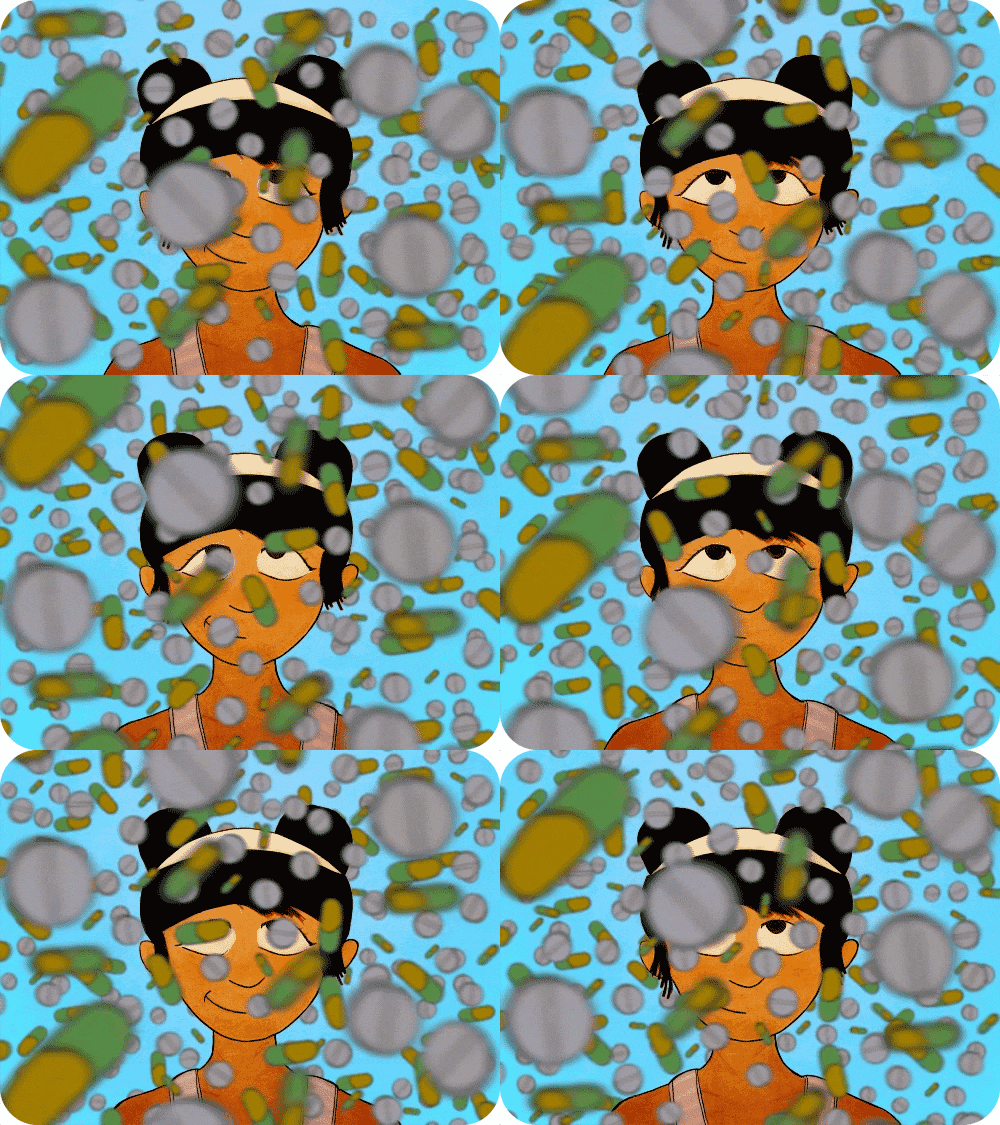
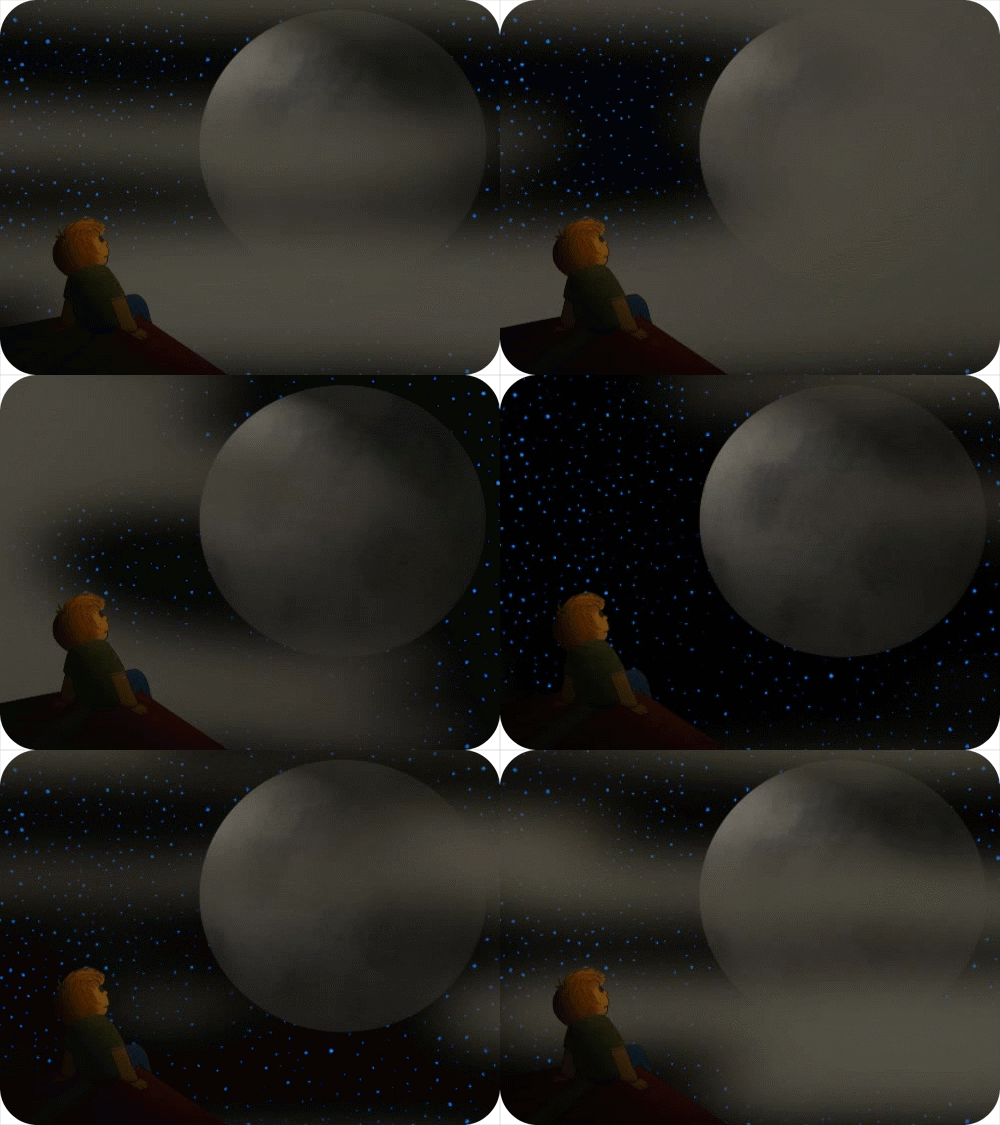
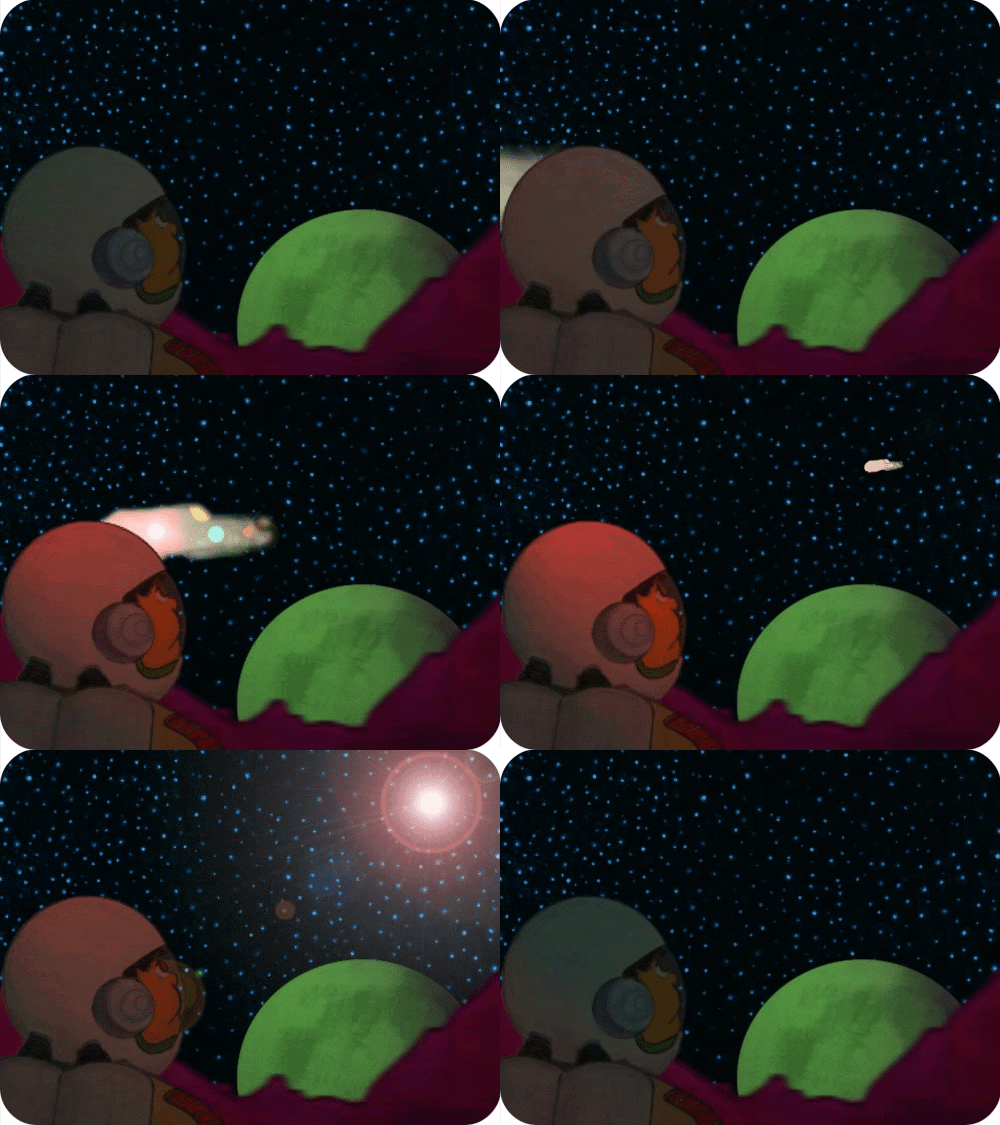
Scroll the set on this page and a vocabulary repeats in different costumes: night skies, small lonely figures, creatures that are scary and sad in the same breath, interiors that feel like memories of being awake too late. Chandler’s note about childhood darkness is useful here. These are not gore pieces. They are closer to the way a kid restages fear after the lights go out—theatrical, symbolic, oddly cozy. A demon can look like a bedtime story villain. Outer space can look like an attic fantasy drawn carefully enough to believe for thirty seconds.
Color often works like stage lighting rather than naturalism. A limited palette pushes emotion faster than photoreal detail would. Faces stay simplified enough to become vessels for whatever story you bring, which is why the accompanying text mattered so much on the original site: it aimed the feeling without nailing every meaning shut. Titles associated with some of his animated pieces—long, deadpan, almost story-length in themselves—show the same instinct. The joke and the ache travel together.
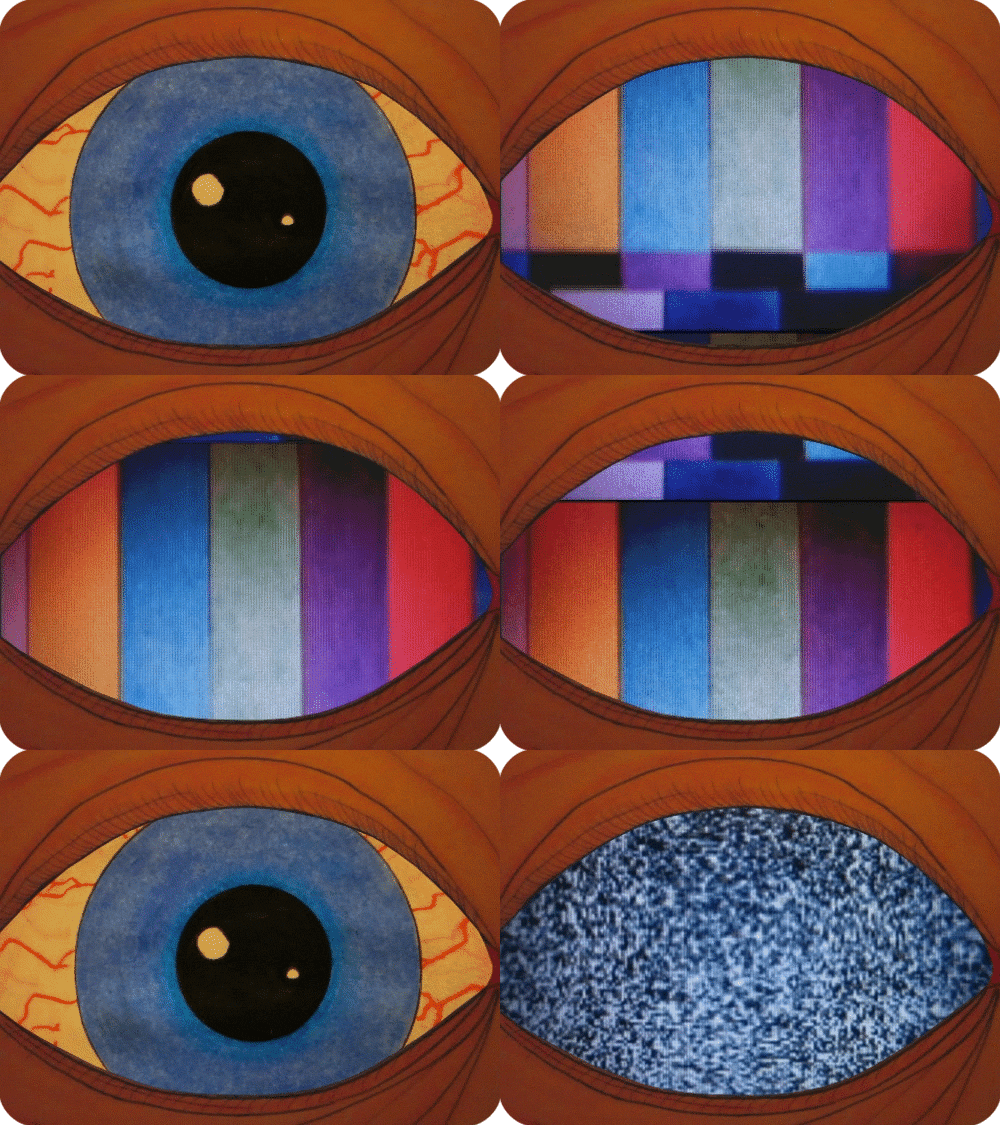
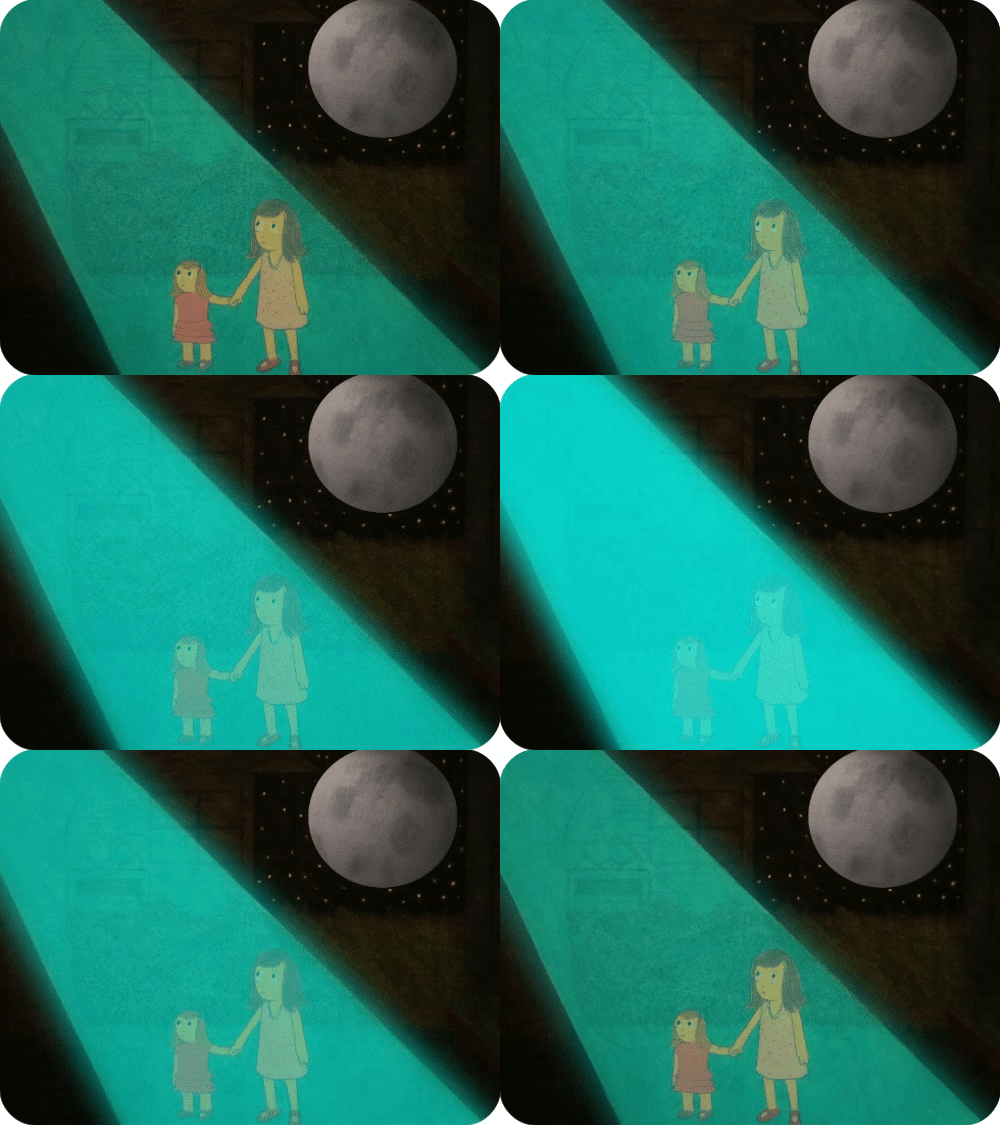
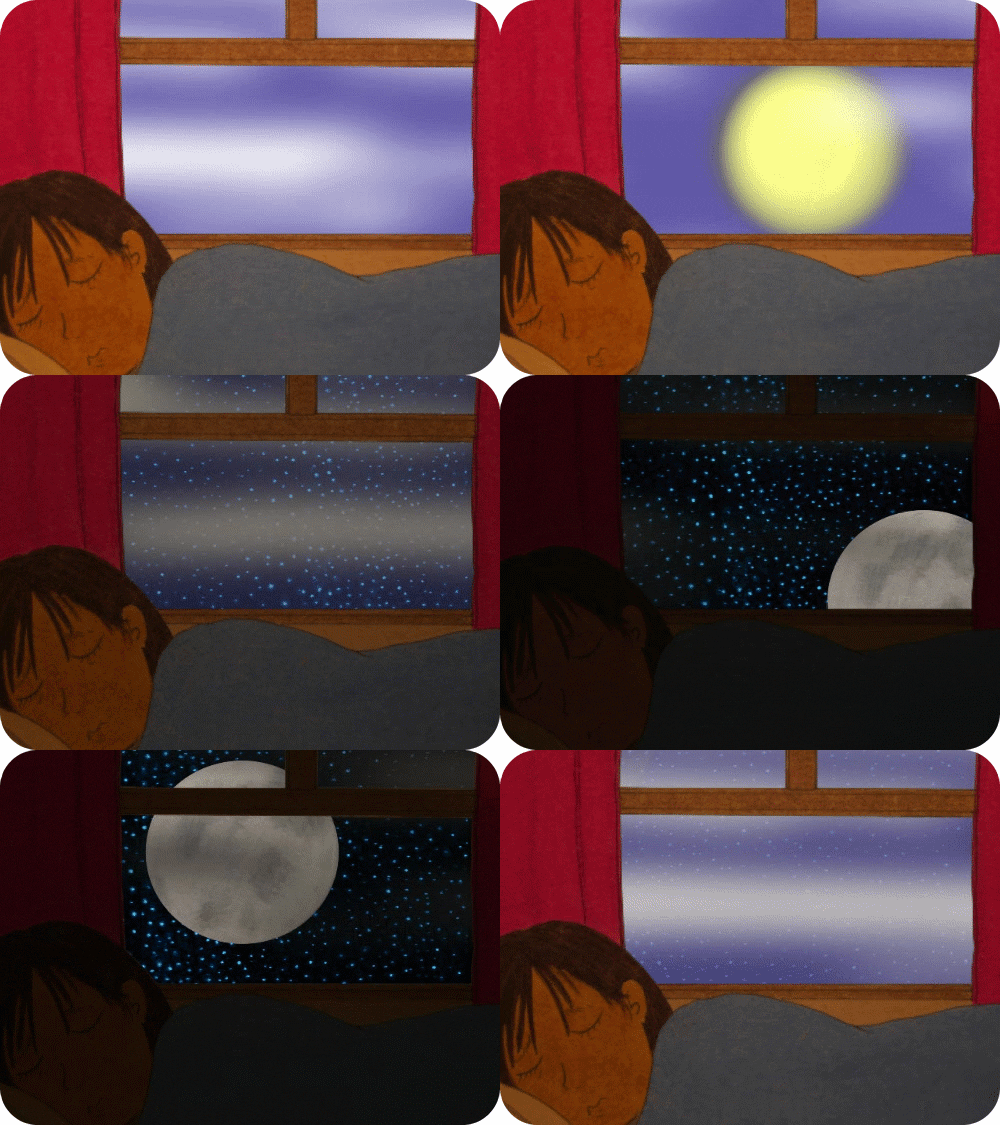
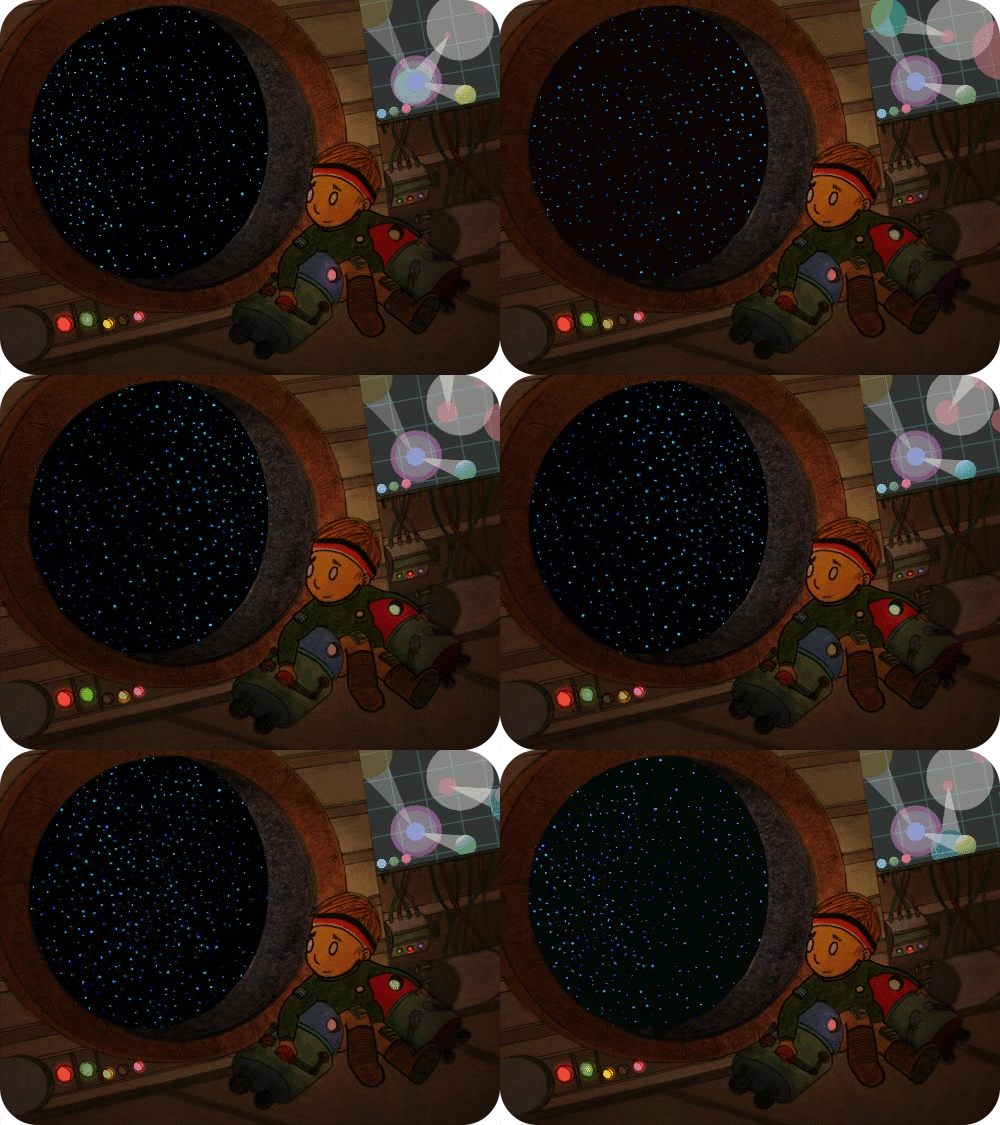
Why GIFs suited this artist
Still illustration can be perfect on its own. Chandler’s work, though, gains a second life in motion. A tiny loop makes melancholy kinetic. It also matched the distribution channels of the time: Tumblr, GIF roundups, and later GIPHY-style discovery. Features that highlighted his “moody animations” were pointing at a larger truth—his drawings already behaved like frames from a private cartoon, so animating them felt natural rather than forced onto an incompatible style.
There is also an honesty to the hand-drawn loop that glossy CG showpieces sometimes lack. You see decisions. You see what was left unfinished on purpose. In a period that often equated “professional” with software sheen, Chandler’s professional signal was authorship: one person responsible for world, joke, ache, and timing. That is why the pieces still feel personal even when they are circulating as anonymous reaction GIFs years later. Somewhere under the loop is a desk, a rule, and a person who wanted the failure to be his if it failed.
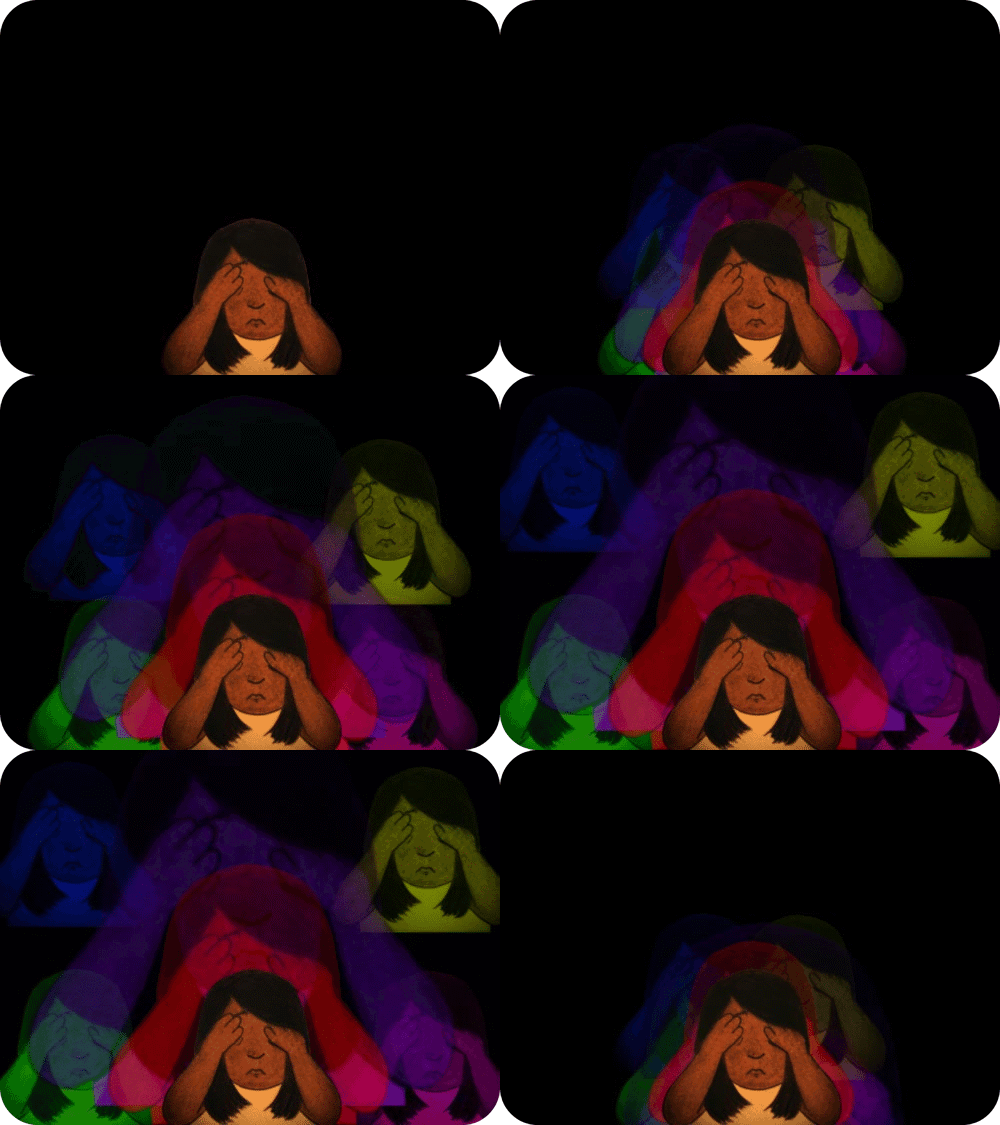
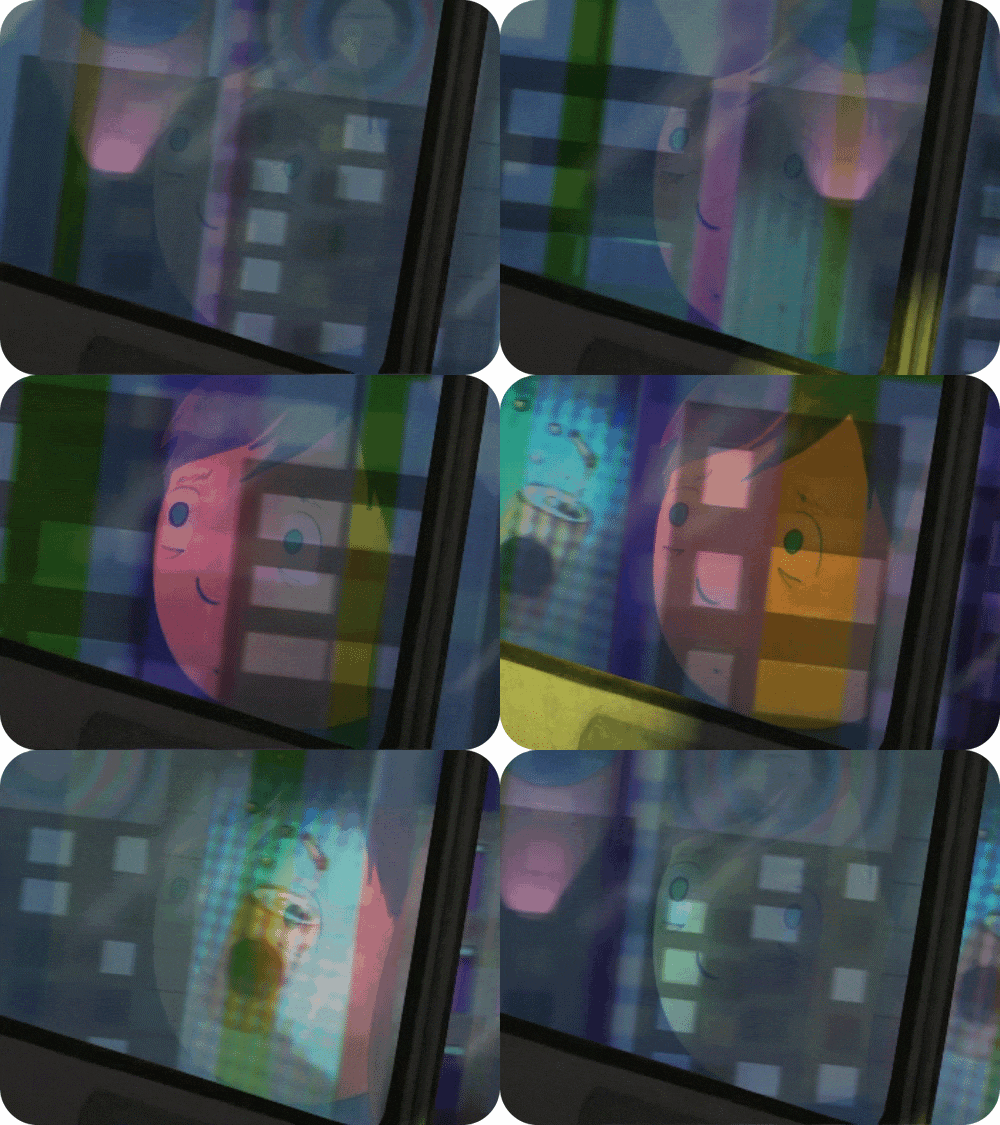
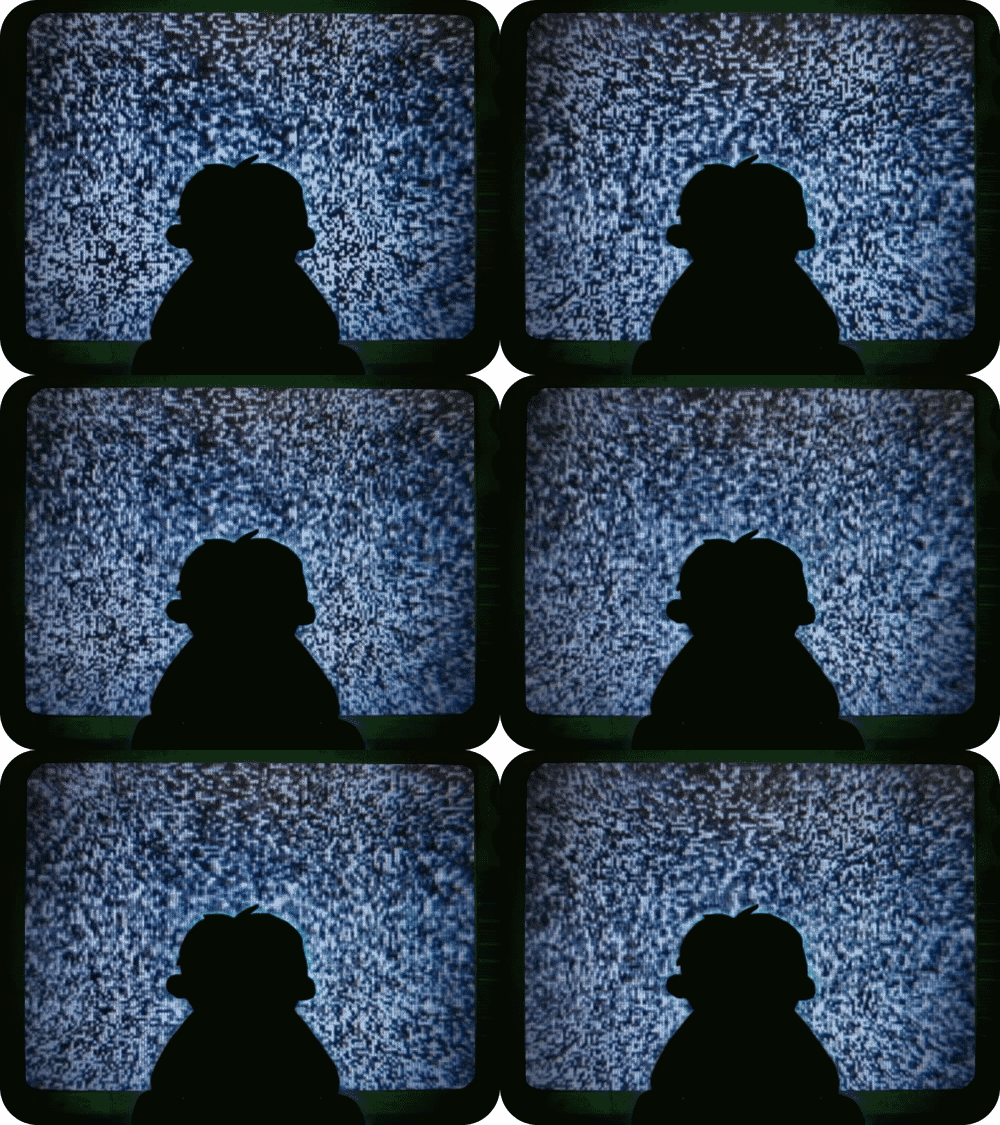
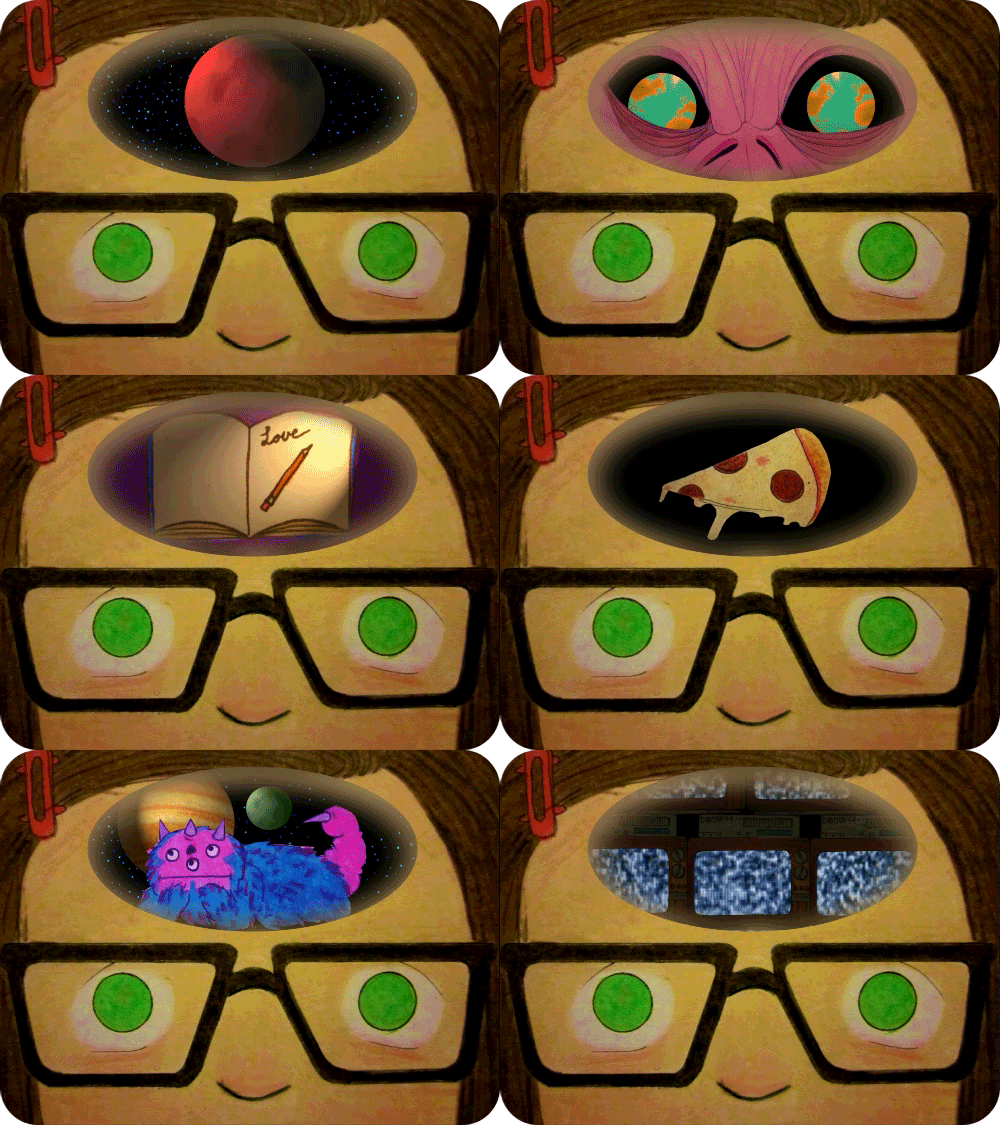
How to look at a Daily Doodle
If you want more than a quick smile from the gallery below, try a slower pass:
- Watch the loop twice without reading anything. Notice the single motion that carries the piece.
- Look at the negative space. Chandler often lets emptiness do emotional labor that denser illustrators fill with props.
- Ask what childhood fear, wish, or late-night thought the scene might be translating—not as a quiz with one answer, as a way into the tone.
- If story text is available in archives of his site, read it after the image, not before. The delay keeps the drawing from collapsing into caption-illustration too quickly.
- Compare two GIFs side by side. Shared palette or posture often reveals more about his world than any single viral favorite.
Where the project sits in internet art history
Daily drawing challenges are common now. Chandler’s version stands out because the cadence served a narrative climate rather than a pure skill-demo streak. The Portland origin story he shared with readers, the Los Angeles chapter of the work, and the Tumblr-native distribution place the project in a specific moment: when independent illustrators could grow audiences by showing up every day with a complete tiny object—picture plus prose—without waiting for a gallery calendar or a brand brief.
That moment also rewarded sincerity that could coexist with irony. Chandler’s voice on the project site was playful and a little theatrical, but the drawings themselves rarely winked so hard they emptied out. Melancholy stayed melancholy. Wonder stayed wonder. The internet of that era needed both: shareable loops and rooms you could sit inside for longer than a double-tap.
The pieces collected here are favorites from that stream—dark-bright, funny-sad, simple at a glance and oddly sticky afterward. If one of them hooks you, follow the mood rather than hunting for a franchise key. Chandler’s rule about avoiding pop-culture scavenger hunts is a gift to the viewer too. You are not missing a reference. You are meeting a private mythology drawn carefully enough for strangers to borrow for a minute.
Leave one GIF open while you do something else nearby. When you glance back and the little figure is still moving through the same quiet trouble, the ambition of “daily” makes sense. Consistency did not flatten the work. It deepened the weather—one small, complete storm at a time.

Comments
Continue reading
Still-Life Photography by Margareth Perfoncio
São Paulo photographer Margareth Perfoncio’s still lifes of food and flowers—Old Master light, dark wood, and tables that feel inevitable.

Meaningful Love Quotes for Inspiration (and Ink)
Meaningful love quotes that still feel true — short lines for tattoos, gifts, and everyday reminders, with placement and wording tips.
Christina Hess’s Animals From History: Costumed Pets as Playful Portraits
Illustrator Christina Hess reimagines historical icons as ornate animal portraits—Elvis Petme and friends—mixing puns, costume detail, and soft history lessons.