
Cute and Crafty Jewelry Organizers You Can Build
Wire, cork, and board projects that keep earrings visible, necklaces untangled, and rings from vanishing into the wrong drawer.
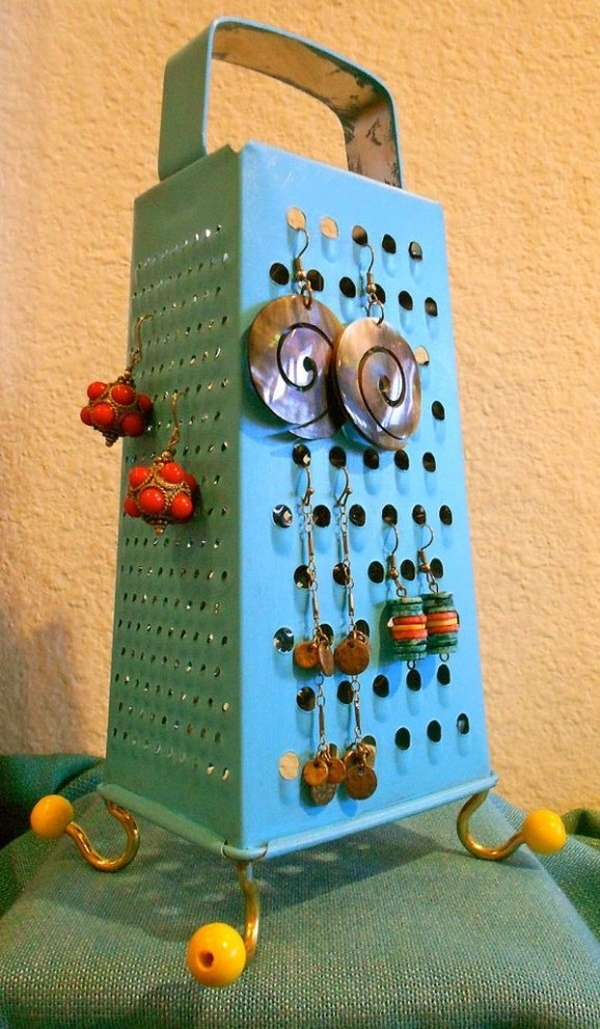
Jewelry has a talent for disappearing into the wrong drawer. Earrings migrate as singles, necklaces knot into one metallic bird’s nest, and rings hide under cotton pads until you forget you own them. A good organizer does two jobs at once: it keeps pieces visible enough to wear and separate enough to stay untangled. The projects and displays gathered here lean crafty on purpose—wire, cork, wood, frames, and small hardware turned into stands you can build, thrift, or adapt in a weekend without a workshop full of tools.
Start with how you actually get dressed
Before you cut wire or drill a board, watch your morning routine for three days. Do you grab earrings every day but wear necklaces twice a month? Do bracelets live near the sink while fine chains need a bedroom dust shield? Organize for frequency first. Everyday studs deserve the easiest reach. Formal pieces can live higher, behind a cabinet door, or in a shallow tray with a lid.
Also sort by failure mode. Chains tangle. Hoops need vertical hanging. Cuffs want width. Tiny studs vanish without a grid. One “pretty tree” cannot solve every failure mode; many of the best crafty systems combine a hanging zone, a tray zone, and a small closed box for valuables. If you share a bathroom, add a fourth rule: whatever lives on the counter must wipe clean in seconds, or it will become a soap-scum sculpture.
Wire, cork, and board: the DIY core kit
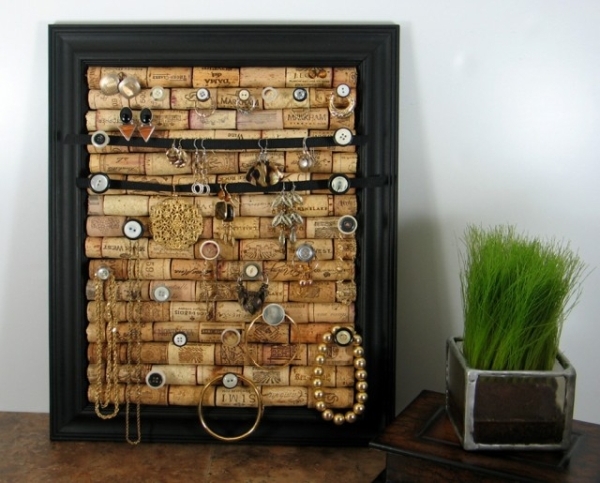
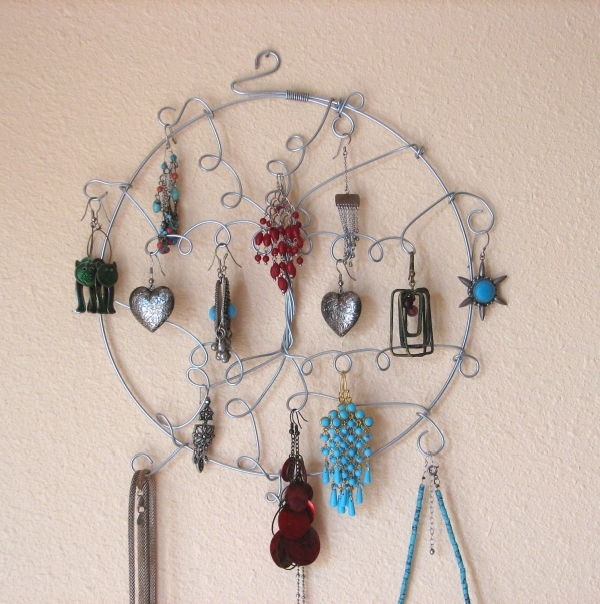
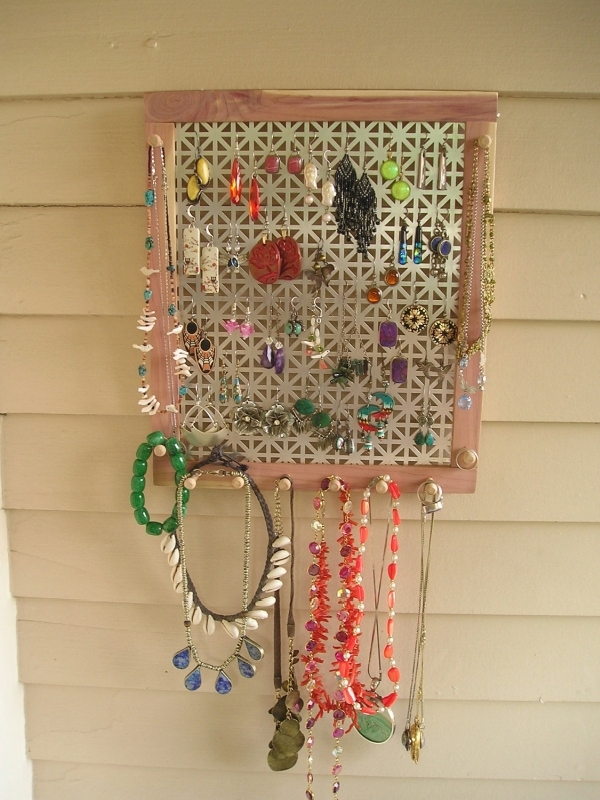
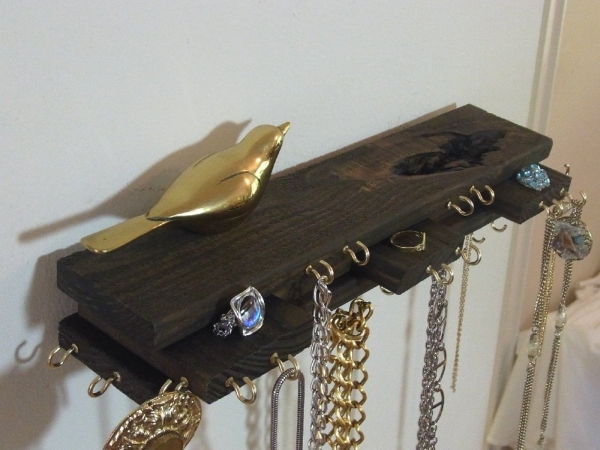
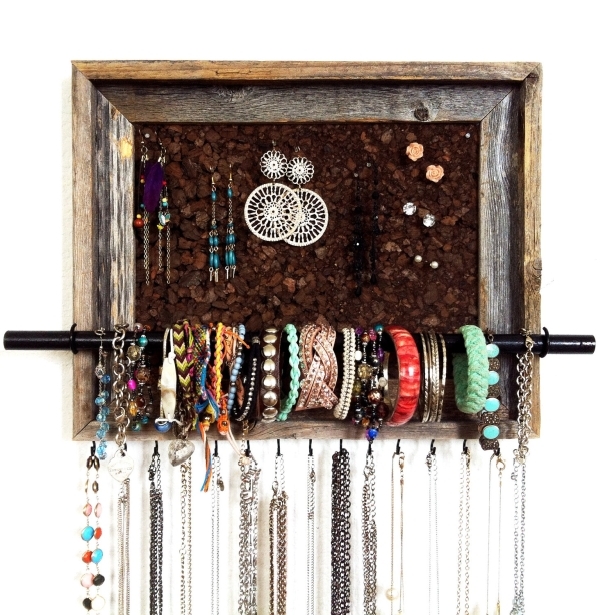
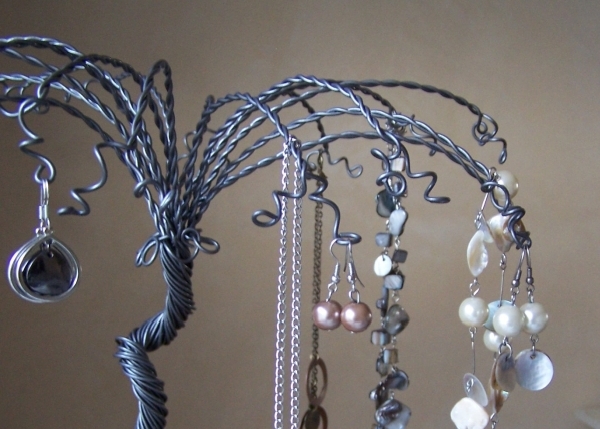
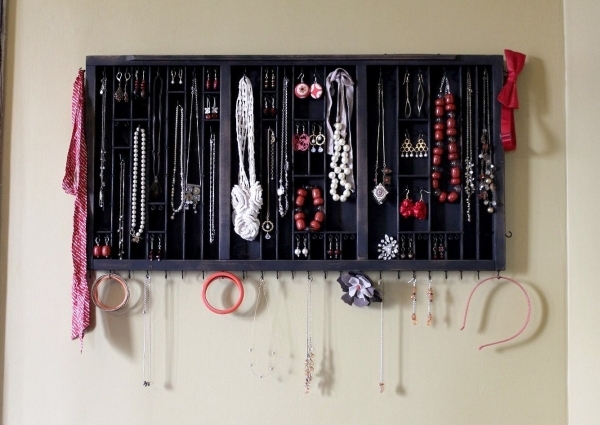
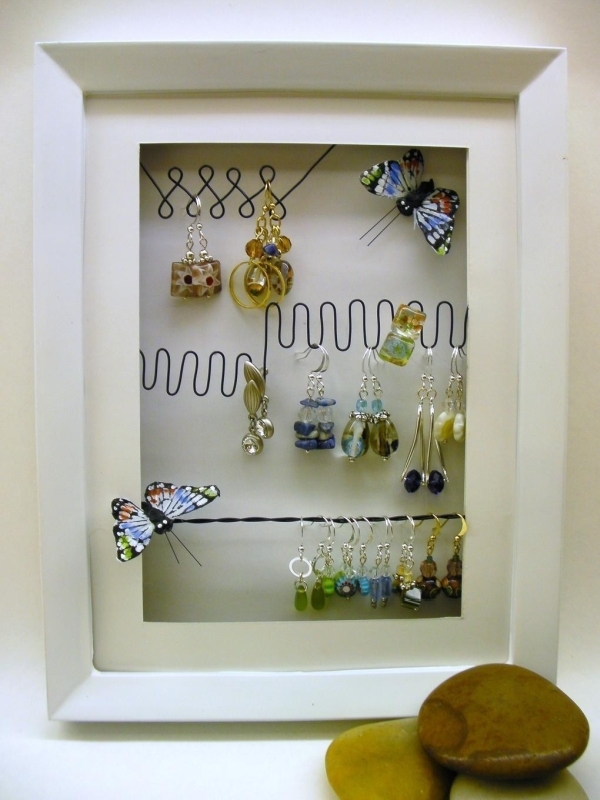
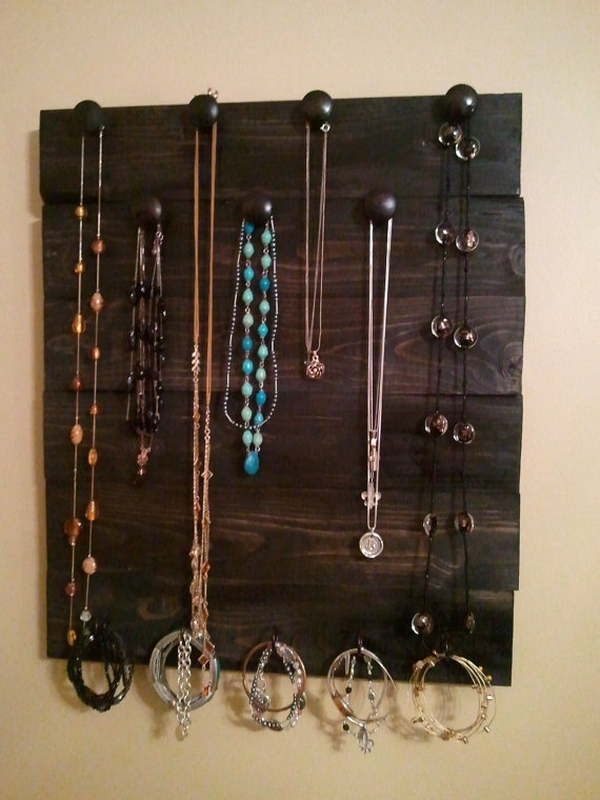
Wire frames and bent-arm stands are classic for a reason. Stiff craft wire or inexpensive metal grid panels create hooks for necklaces without buying a boutique tower. Cork sheets or wine corks mounted on a painted board make soft landing pads for studs and pins. A scrap wood plank, sanded and sealed, becomes a backer for cup hooks, knobs, or small nails spaced for chains of different lengths.
Useful build notes:
- Space necklace hooks farther apart than you think—crowding recreates the tangle you were escaping.
- Mount earring screens at eye level; bending to a low rack means you will stop using it.
- Seal raw wood if the stand lives in a humid bathroom; moisture dulls metals and warps soft boards.
- Keep a shallow dish at the base for rings you remove while washing hands.
- Test stability by tugging a heavy necklace; top-heavy sculptures tip at the worst moment.
If you dislike power tools, start with adhesive cork tiles on a thrifted frame and removable adhesive hooks rated for light loads. You can upgrade to screws later once you know the layout works.
Wall displays that double as décor
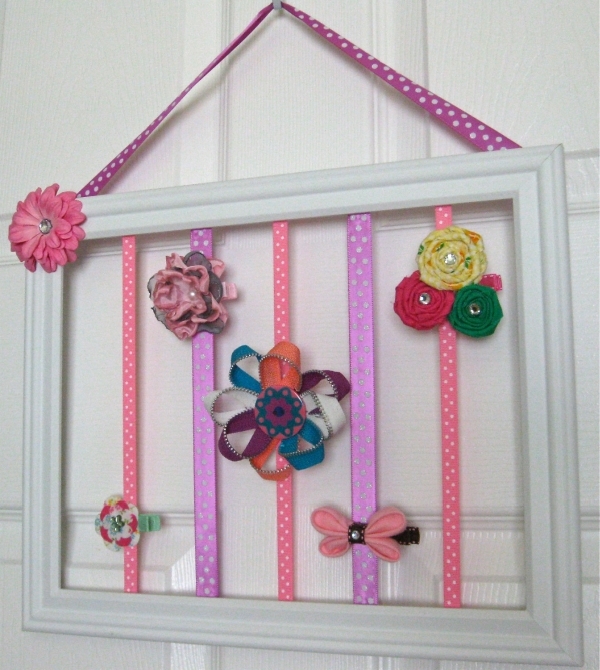
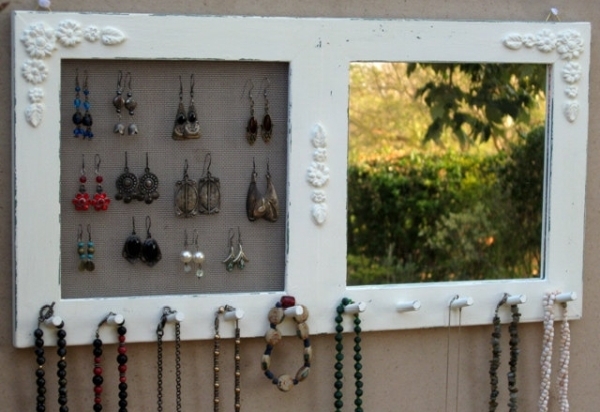
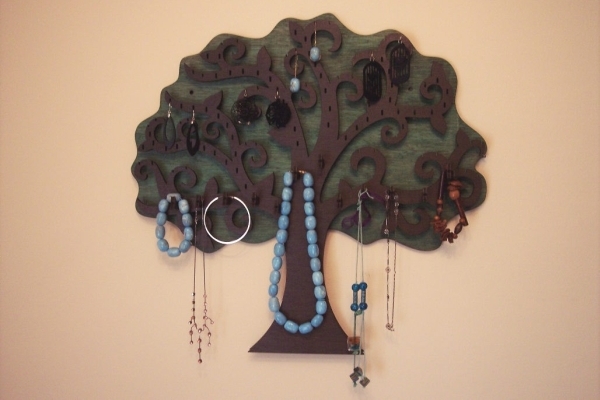
If your jewelry is part of how you decorate, put it on the wall. Shadow-box frames with mesh backs, vintage window frames strung with wire, and narrow picture ledges with small hooks all keep pieces in sight without claiming dresser real estate. Paint the backer a color that contrasts with silver or gold so silhouettes pop. In shared rooms, a hinged frame that closes protects dust-sensitive chains while still looking intentional when open.
Think about security and privacy. Costume collections can live openly. Heirlooms and high-value pieces need a lockable box nearby even if everyday metal stays on display. A crafty wall can be the “browse” layer; a small safe or drawer can be the “protect” layer. Renters should prefer tension rods, removable hooks, and freestanding ladders over large drilled grids they will hate patching later.
Desktop stands and tiny footprints
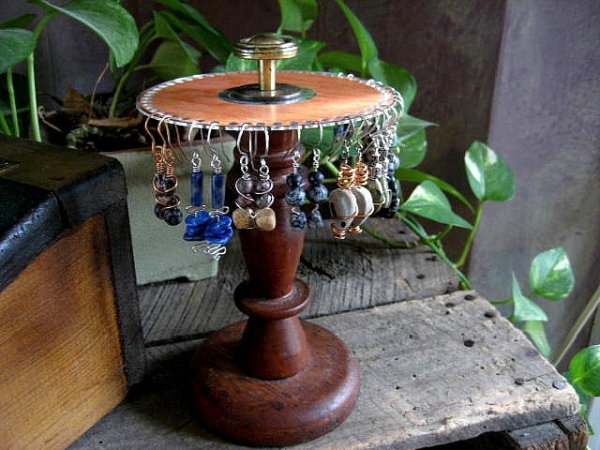
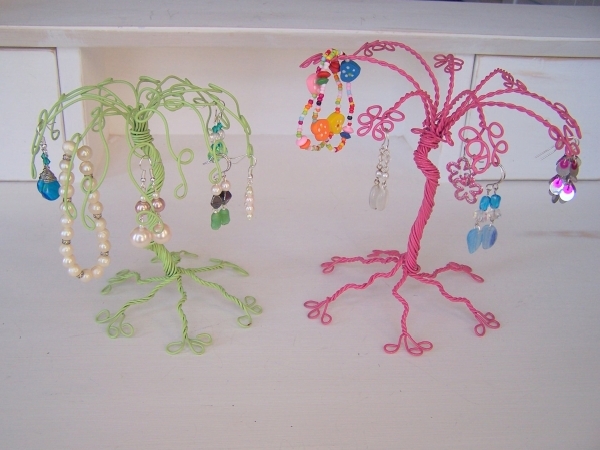
Not everyone wants a gallery wall of earrings. Compact trees, branched stands, and tiered trays suit rented rooms and shared bathrooms. Look for a stable base—top-heavy wire sculptures tip when you pull one necklace free. Felt pads under bases protect painted furniture. If you travel, choose a roll-up pouch or a small frame with a latch rather than a fragile sculpture that only works at home.
Pairing matters. A busy patterned tray under a busy stand becomes visual noise and you stop seeing individual pieces. A calm ceramic dish or linen liner makes metal read clearly. Rotate seasonal jewelry to a secondary box so the daily stand stays scannable in under ten seconds. That rotation habit does more for “organization” than another row of hooks.
Materials that age kindly
Uncoated iron racks can rust and leave marks on soft gold plating. Prefer sealed wood, powder-coated metal, ceramic, acrylic, or fabric-wrapped boards for pieces you wear against skin. Soft inserts—felt, cork, velvet scraps—protect pearls and soft stones from hard contact. Avoid storing elastic bracelets stretched on wide forms for months; they lose tension. Keep perfume and hair spray away from open displays; residue builds faster than dust.
Cleaning day is easier when the organizer itself can be wiped. Removable trays beat glued-in clutter catchers. Labeling a backboard with light pencil zones (“hoops,” “studs,” “long chains”) sounds fussy until guests borrow a pair and you can restore order in a minute. Once a season, empty everything, wipe metal, and donate pieces you have not worn in a year—storage systems fail when they become museums of guilt.
A simple build path for beginners
If you want one starter project, try this: paint a small board, glue a cork rectangle on the upper half for studs, add three to five cup hooks along the bottom edge for necklaces, and set a thrifted saucer at the base for rings. Hang it beside a mirror. Live with it for two weeks. Only then add a second module—maybe a mesh frame for pairs of earrings or a shallow drawer insert for tangled-prone chains. Expanding after real use beats building a complicated tower you abandon.
A second easy upgrade is a photo frame with window screen or embroidery mesh stretched across the opening. Push earring posts through the mesh and secure backs on the reverse side. It is cheap, cute, and surprisingly orderly if you keep pairs together in columns.
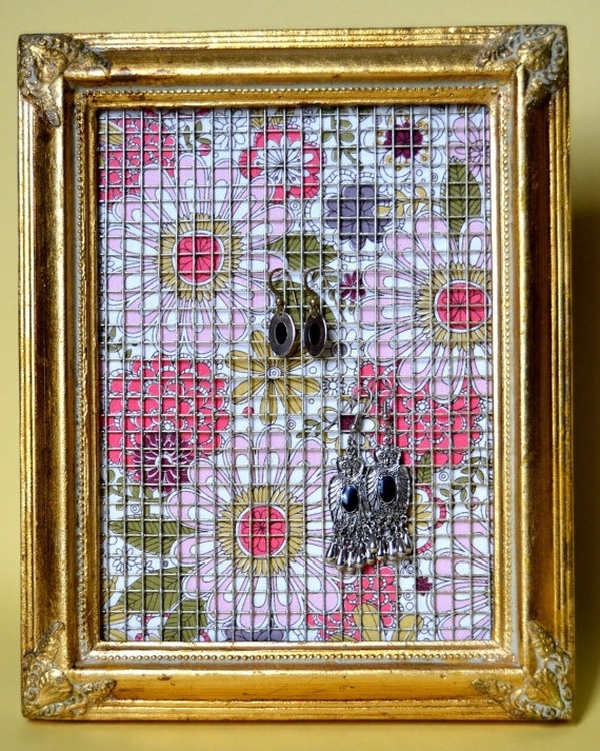
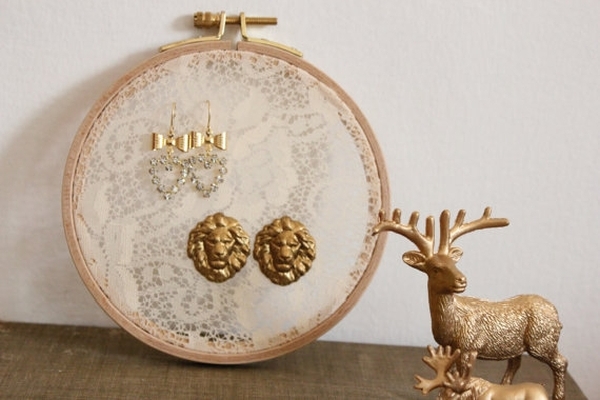
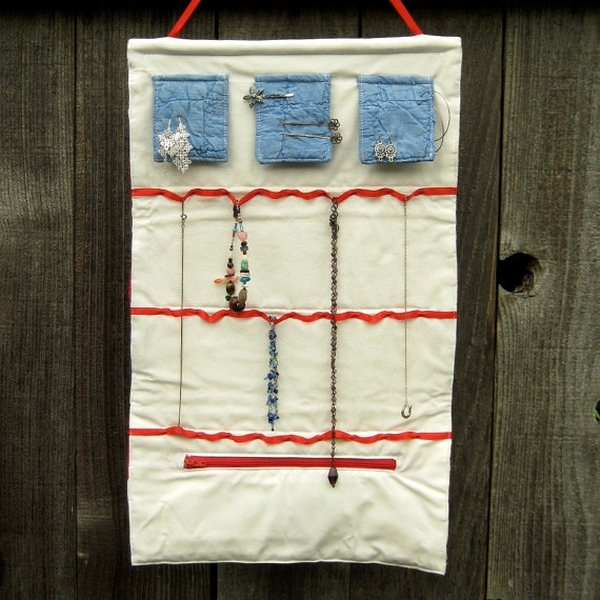
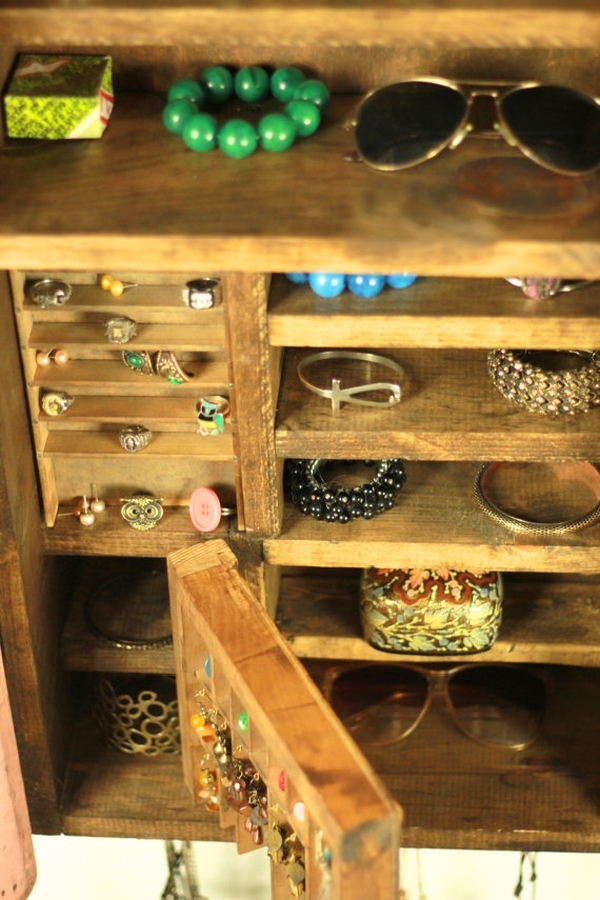
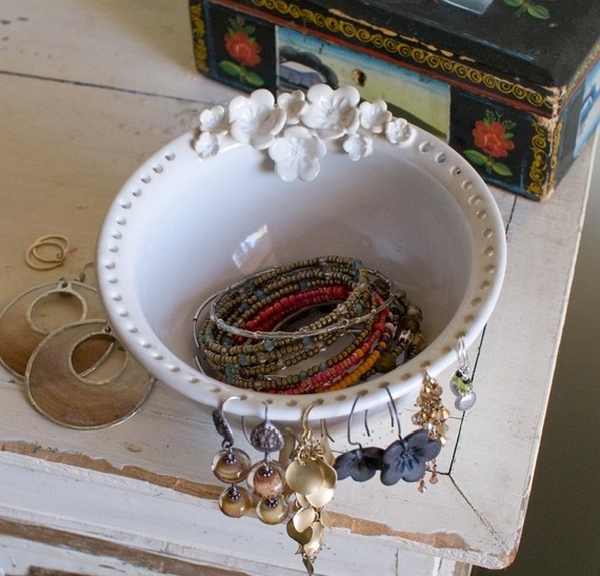
Pick one image that matches your counter space and one that matches your jewelry mix. Steal the structure, not necessarily the exact décor. The organizer that wins is the one that makes Thursday morning easier—when you can see both earrings, free a chain with one hand, and still get out the door on time.

Comments
Continue reading
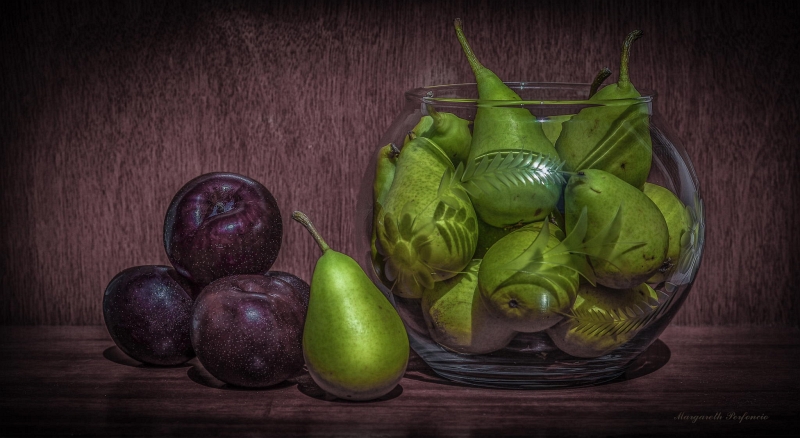
Still-Life Photography by Margareth Perfoncio
São Paulo photographer Margareth Perfoncio’s still lifes of food and flowers—Old Master light, dark wood, and tables that feel inevitable.

Meaningful Love Quotes for Inspiration (and Ink)
Meaningful love quotes that still feel true — short lines for tattoos, gifts, and everyday reminders, with placement and wording tips.

Christina Hess’s Animals From History: Costumed Pets as Playful Portraits
Illustrator Christina Hess reimagines historical icons as ornate animal portraits—Elvis Petme and friends—mixing puns, costume detail, and soft history lessons.