
Behind the Scenes: Actors Caught Laughing Between Takes
From Gladiator to Léon, candid set photos where serious characters break into grins—and sworn enemies share a joke.
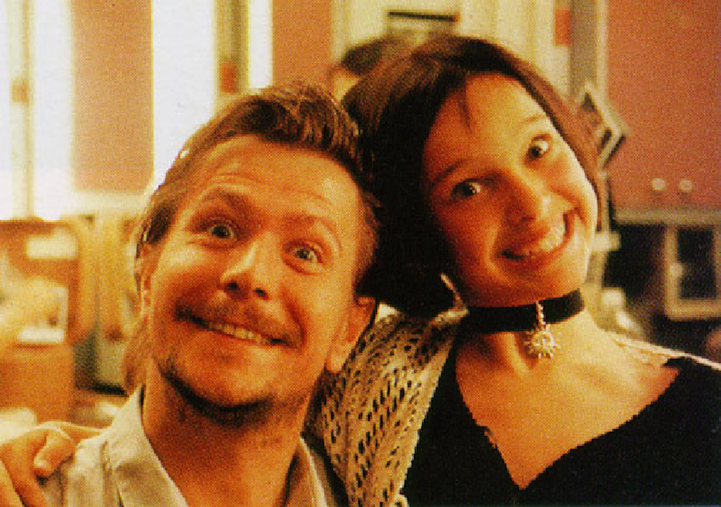
On screen, characters glare, scheme, and break each other’s hearts. Between takes, the same faces crack into grins. That mismatch is why behind-the-scenes stills travel so well: a surly antihero doubled over laughing, or two performers chatting easily while their roles are sworn enemies. The gap between performance and set life is the joke—and the reminder that movies are made by people clocking long days together.
Candid galleries of actors breaking character have floated around the internet for years. The titles below follow that familiar mix of blockbusters and sharp dramas: moments caught when the audience camera is off and a still photographer records the real room temperature on set.
The Dark Knight Rises
Christopher Nolan’s Bat-world is built on grit and threat. Off-camera frames from the production often show the opposite—cast and crew in ordinary light, armor and capes suddenly props rather than destiny. When someone in cowl or face paint laughs, the myth thins for a second. You see the labor underneath the legend: early calls, heavy costumes, night exteriors, and the relief of a shared joke after a hard setup. The grimace sells tickets; the grin reveals the job.
Raiders of the Lost Ark
Spielberg’s adventure classic thrives on peril and swagger. Behind-the-scenes photos tend to look sunnier and looser—dust, practical sets, and performers who know the boulder is a gag until it is not. A smile in khaki does not cancel Indy’s on-screen urgency; it shows how much charm the production needed off-screen to survive stunts, heat, locations, and endless resets. Adventure cinema depends on that off-duty ease as much as on whip cracks.
Harry Potter and the Goblet of Fire
By the fourth film, the young cast were veterans of a machine that mixed school corridors with dragons and deathly stakes. Candid shots from that chapter often feel like teenagers at work: robes half-serious, laughter breaking through before the next mark. The tonal whiplash is part of the franchise’s memory—childhood workplace, global phenomenon, and still a place where someone could corpse a take. Growing up on camera makes the unguarded smile look like proof of a parallel childhood happening between setups.
Kill Bill: Vol. 1
Tarantino’s revenge saga is stylized violence and icy resolve. Between setups, yellow tracksuits and precise fight geography turn back into rehearsal clothes and tired feet. Photos of cast laughing on that set underline a familiar film truth: the meaner the scene, the more the crew may need levity when the slate is closed. Choreography demands concentration; a break into laughter is how bodies recover before the next strike.
The Royal Tenenbaums
Wes Anderson’s melancholy comedy already lives close to deadpan. Behind-the-scenes images from the production add another layer: actors in those meticulous costumes dropping the formal posture, suddenly looking like people who share a trailer and a schedule. The carefully framed sadness of the movie makes an off-guard grin land harder. Symmetry and pastel discipline on screen; ordinary human looseness beside it.
Léon: The Professional
Luc Besson’s hitman story is tender and grim at once. Stills that catch warmth between takes—especially around a character defined by silence and lethality—feel almost illicit. The affection in a candid frame does not rewrite the film; it shows how performers carry heaviness all day and still find a human pause. That contrast is the whole appeal of this kind of photo.
Les Misérables
A sung-through epic of revolution and ruin leaves little room for giggles in character. That is why set photos of lighter moments circulate so eagerly: after live singing and emotional close-ups, a break into laughter reads as survival. The production’s intensity makes the candid softness look earned. Barricades and ballads demand stamina; a shared joke is oxygen.
Pulp Fiction
Tarantino’s crime mosaic thrives on cool talk and sudden brutality. Behind-the-scenes frames often look like friends in costume—diners, suites, and suits without the threat. When people who just traded on-screen menace share a joke, the collage nature of the film peeks through: many tones, one long shoot. Cool dissolves into camaraderie the second the threat is only a line on a page.
Skyfall
Bond films sell composure under fire. Candid production shots puncture that armor: 007 and company in ordinary postures, crew filling the edges, glamorous locations revealed as workplaces with cables and waiting. A smile in a tailored jacket reminds you that espionage cinema is still call sheets, weather holds, and someone asking for another take. Glamour is the product; the grin is the process.
Star Trek
Whether reboot or classic lineage, Trek sets mix earnest sci-fi with a cast that has to believe in starships made of wood and green screen. Laughing in uniform is almost a franchise tradition in fan memory—proof that optimism and absurdity share a soundstage. Future ideals look better when the people inventing them can still corpse a scene.
Star Wars
Galaxy-saving destinies look different when a helmet is under an arm and someone is mid-sentence about lunch. Behind-the-scenes Star Wars photography has always fed the myth and undercut it at once: creatures, droids, and knights revealed as craft, foam, and overtime. Joy in those frames is part of why the saga feels communal. The Force is fiction; the laughter is documentary.
The Godfather
Few films wear seriousness as clothing. Family, power, and quiet threat dominate the tone. A candid laugh from that world of collars and shadows is startling precisely because the movie trains you not to expect it. The still becomes a small rebellion against the Corleone chill—proof that even the most controlled performances are built by people who still need breaks.
Game of Thrones
Television’s long fantasy war demanded years of armor, mud, night shoots, and travel. Actors whose characters scheme or slaughter were, between setups, colleagues in climate and chainmail. Photos of shared amusement on that production became a parallel public story: the show was grim; the job could still be companionable. Endurance dramas need that off-screen glue as much as they need plot twists.
Gladiator
Ridley Scott’s Rome runs on sand, blood, and solemn close-ups. The widely loved candid from that set—performers breaking into real amusement while dressed for the arena—is the sharpest example of the whole genre of picture. Arena dust and a giant grin should not share a frame, and that is why the image sticks. It is priceless because it refuses the movie’s tragic mask for one unguarded second, and because it makes every other serious close-up in the film feel like what it is: skilled work, not permanent personality.
None of these photos replace the films. They sit beside them as evidence of the strange double life of acting: hate in the script, ease in the chair; doom on the slate, laughter before “action” returns. Once you have seen a serious character mid-smile, you never quite watch the glare the same way again.

Comments
Continue reading
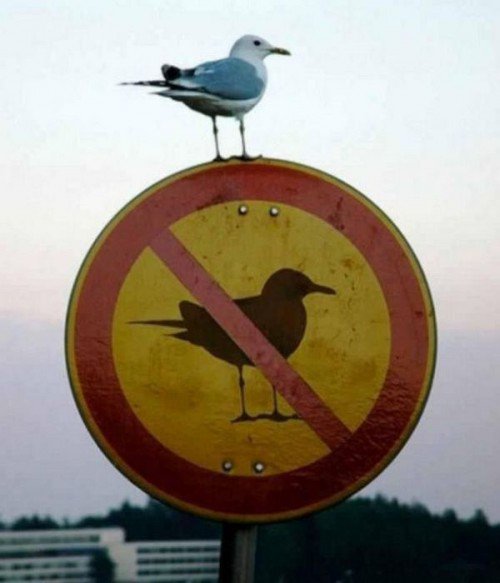
Funny Animal Signs That Warn People (While Animals Ignore Them)
From a seagull on a no-birds disc to classic zoo and park ironies—why animal warning signs get funny, and what the rules are still for.
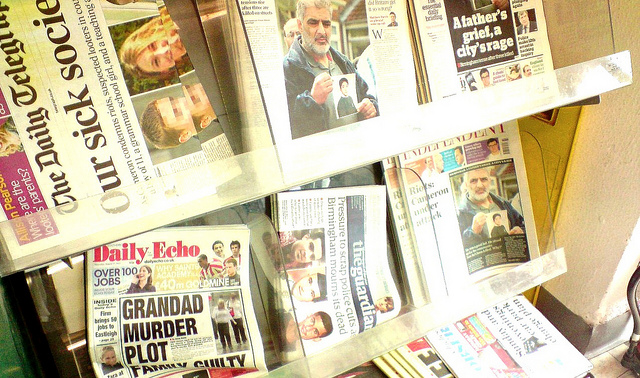
How to Find Local Amenities on Vacation: Mechanics, Haircuts & More
Locate trustworthy local services and everyday spots while traveling or settling in—using publications, reviews, map apps, neighbor tips, and low-pressure exploration.

Kristen Stewart for V Magazine, Spring Preview 2013
V81’s Wild at Heart cover story—Kristen Stewart shot by Inez & Vinoodh, styled by Joe McKenna, in pale minimal spring glamour.