
More Window Seat Ideas: Light, Privacy, and Style
A second gallery of reading bays and daybed-deep benches—enclosure, daylight, storage choices, and how to read proportions before you build.
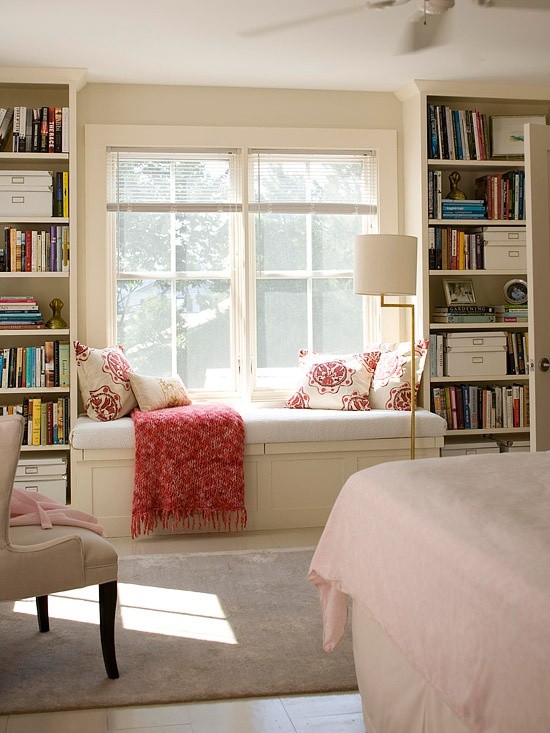
Some rooms announce themselves with a sofa. Others wait until you notice the light pooling on a built-in bench under the glass. This second set of window seats leans into that quieter announcement: reading bays, daybed-deep cushions, slim ledges that still count as places to land. Each image is a different argument for claiming the sill as furniture, not just trim.
You do not need the first gallery to use this one. Treat these seats as a standalone tour—mood first, then the practical questions each photo quietly asks about depth, privacy, and how much of the view you are willing to soften with fabric.
Seats that behave like small rooms
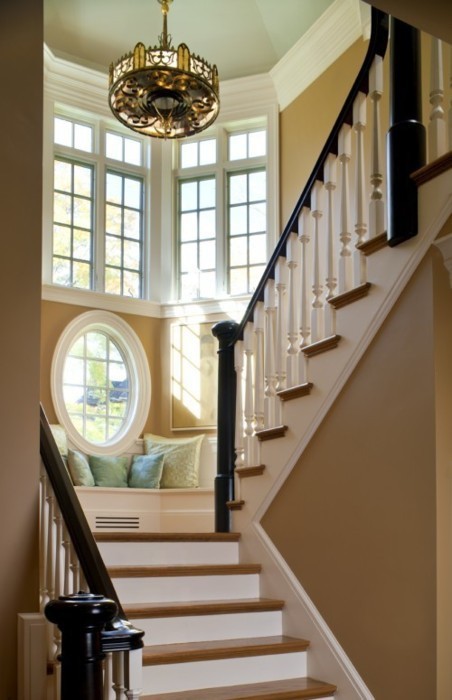
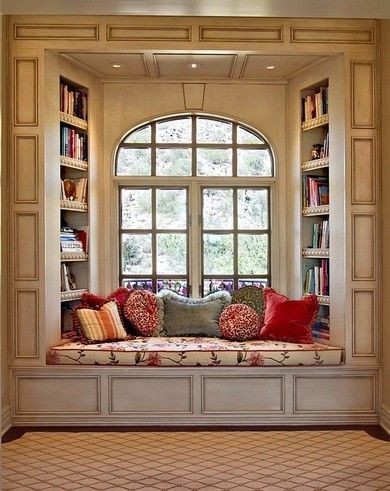
The most persuasive window seats create a sense of enclosure without building a wall. Side panels, curtain returns, bookshelf wings, or a change in ceiling height tell your body this pocket is separate. That psychological boundary is why a bay can feel more restful than an armchair in the middle of the floor—even when the square footage is similar.
Look for how each design handles the third side. Open to the room, the seat becomes social: guests perch, conversations drift toward the light. Half-screened with sheer fabric or a partial wall, it becomes a retreat. Fully canopied or curtained, it edges toward a sleeping nook. Decide which social temperature you want before you copy a photograph’s pillow count.
Floor finishes change the story too. A rug that stops under the bench anchors the seat as its own zone. Continuous flooring makes the seat feel like architecture growing from the wall—often calmer in minimal rooms. Neither is wrong; they signal different degrees of “furniture” versus “built-in.”
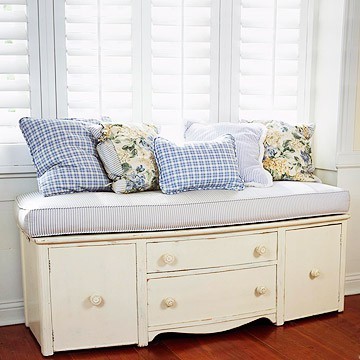
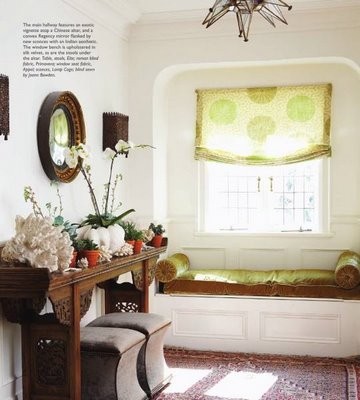
Light as the main material
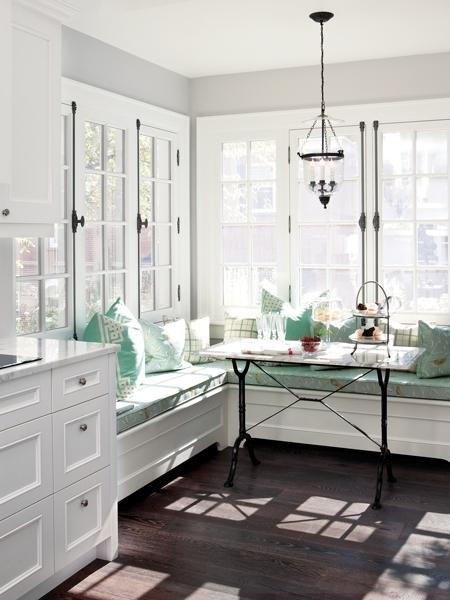
Unlike a sofa, a window seat’s primary upholstery is daylight. Morning seats glow; afternoon seats can glare. The designs here that feel timeless usually respect that shift: sheer layers for diffusion, denser drapery for evenings, or shutters that angle rather than block. If a photo shows bare glass and pale cushions, imagine the UV and heat in your climate before you replicate the naked look.
Reflections at night turn the window into a dark mirror. A lamp beside the seat—sconce, picture light, or small floor lamp—keeps the corner usable after sunset and softens that black glass. Without it, the bench becomes decorative storage for pillows you never fluff twice.
Seasonal light is part of the brief. In winter, a seat near single glazing may need a thicker cushion and a draft snake or insulated shade. In summer, breathable covers and a fan path matter more than another velvet pillow. The prettiest Instagram bay still fails if it is too hot to occupy in July.
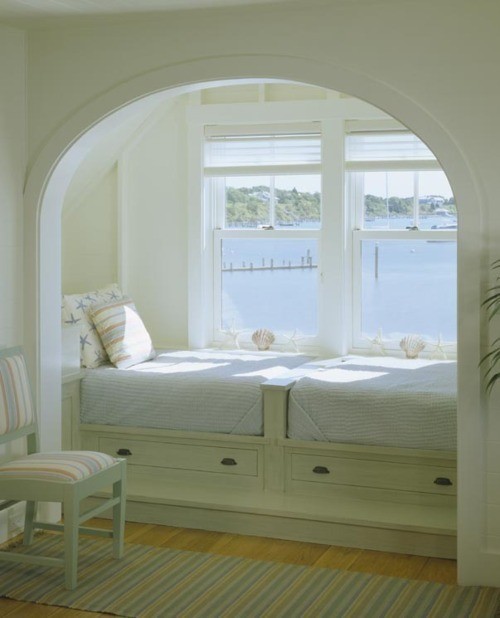
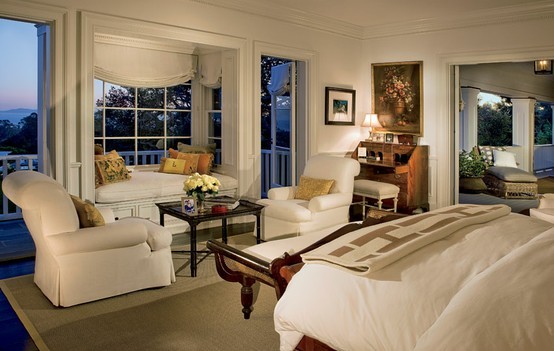
When the seat is also storage—and when it should not be
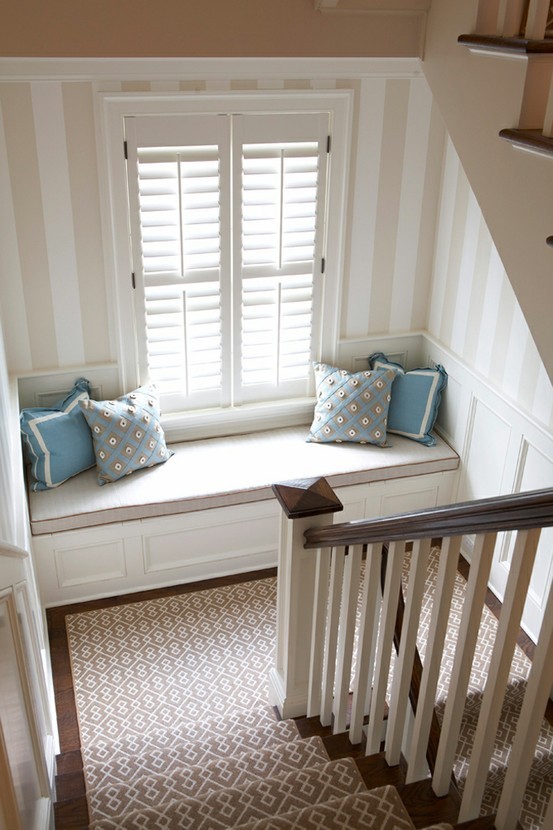
Lift-up lids and drawer banks appear often because the volume under a bench is too useful to waste. Use that volume for bedding, board games, or off-season clothes—items that tolerate being slightly out of daily reach. Do not bury the things you grab every morning under a cushion stack; friction kills the habit of sitting.
Open cubbies with baskets suit households that like visible order. Closed panel fronts suit households that do not. If small children use the seat as a stage, soft-close drawers and rounded corners are worth the upgrade. Magnetic catches that pinch fingers are a false economy.
Sometimes storage should be refused. A thin floating bench under a ribbon window may look better empty underneath, with a single stool tucked away. Forcing drawers into a shallow profile creates clumsy proportions. Let the photograph’s silhouette teach you when restraint wins.
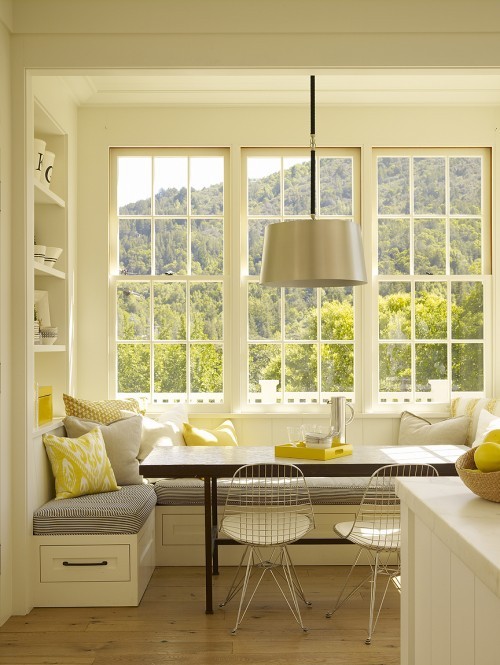
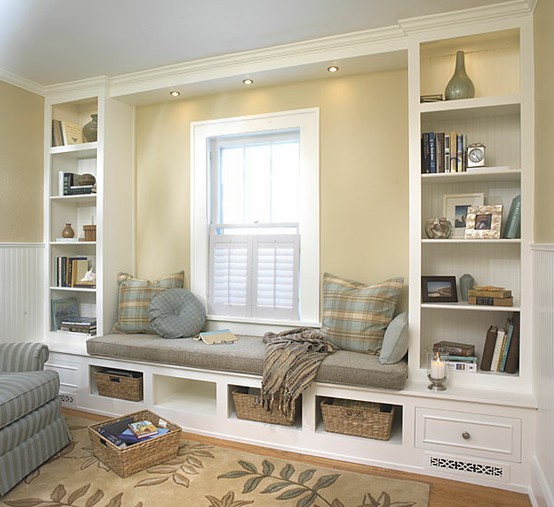
Style vocabularies in this gallery
Scan the set for dialects rather than duplicates. Coastal and cottage seats lean into washed woods, slipcovers, and informal pillow piles. Contemporary seats prefer flat foam slabs, hidden legs, and one or two precise bolsters. Traditional rooms may show skirted bases, patterned chintz, or integrated paneling that matches the mantel language elsewhere in the house.
Colour strategy splits similarly. Tone-on-tone schemes let the view dominate. Contrast piping or a dark bench base outlines the architecture so the seat reads clearly in photos—and in real life when furniture crowds the mid-ground. If your room already holds a loud rug or art wall, a quieter seat usually keeps the peace.
Pattern scale should respect the window muntins. Tiny prints can vibrate against divided lights; oversized florals can fight a scenic view. Solids and textures are the diplomats. Save the bold pillow for one accent so the glass remains the hero.
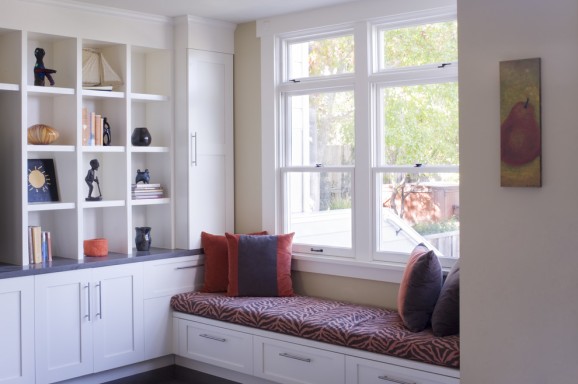
Privacy, street, and the social edge of glass
A beautiful seat facing a busy sidewalk can feel like sitting in a shop window. Frosted lower film, cafe curtains, exterior planting, or a higher cushion back can reclaim dignity without killing daylight. Interior seats aimed at a garden or sky have an easier job; still consider neighbors’ sightlines from upper floors.
In apartments, radiator covers that double as seats are common compromises. Check heat output and use heat-tolerant cushions; blocking airflow entirely is a comfort and safety mistake. In houses with deep historic bays, original plaster returns may limit how far modern foam can go—custom cuts beat forcing a standard cushion into a tapered niche.
Sound behaves differently by the glass. Street noise and rain on panes become part of the atmosphere. A thick cushion and side drapery dampen echo; a bare modern bay will sound brighter. If you want a reading chapel, soft goods are acoustic tools, not only décor.
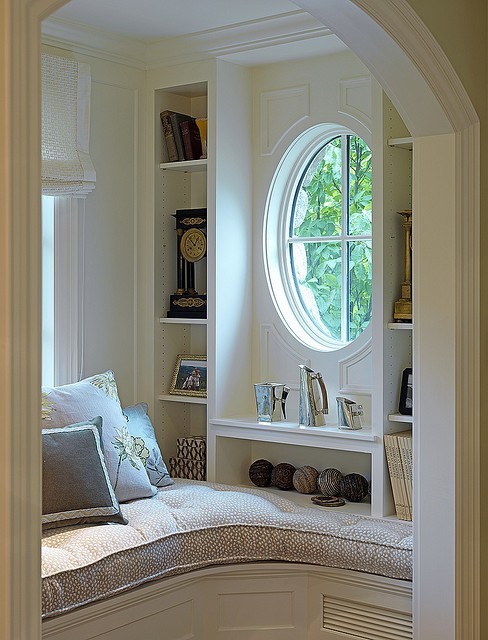
A short observing checklist
- Is the seat deep enough to lounge, or only to perch?
- Where do legs go, and is circulation behind still clear?
- What softens glare without hiding the reason you sat there?
- Is storage helping daily life or punishing it?
- Does the style match the room’s other carpentry—or fight it?
- Would you sit there at 9 p.m., or only in a daytime photo?
Carry that list through the images above. One seat will probably snag you—not because it is the most decorated, but because its proportions already resemble a wall in your home. Sketch that bay tomorrow with a tape measure. Pillows can wait until the numbers say the sunlit corner is real.

Comments
Continue reading

Exclusive Home Theaters: Designing a Private Cinema
Seating geometry, blackout light, quiet acoustics, and screen-wall architecture—how luxury home theaters turn a room into a focused place for film.
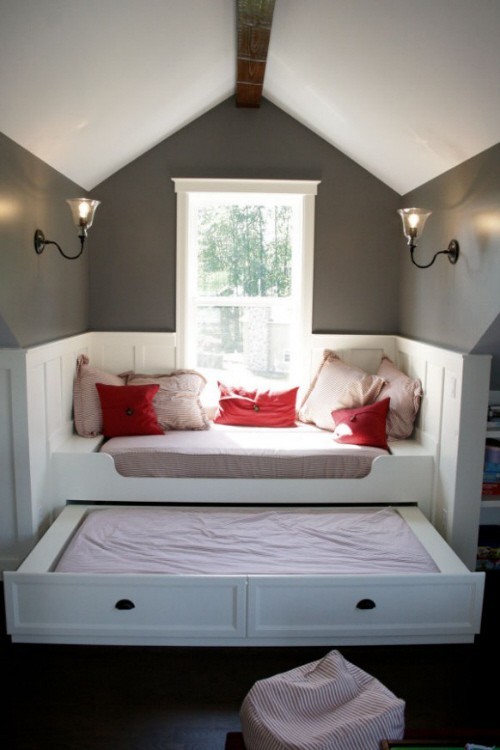
Creative Window Seat Ideas: Depth, Light, and Built-Ins
How to plan a sunlit bench that people actually use—measurements, materials, room-by-room tips, and a gallery of cozy window seats.
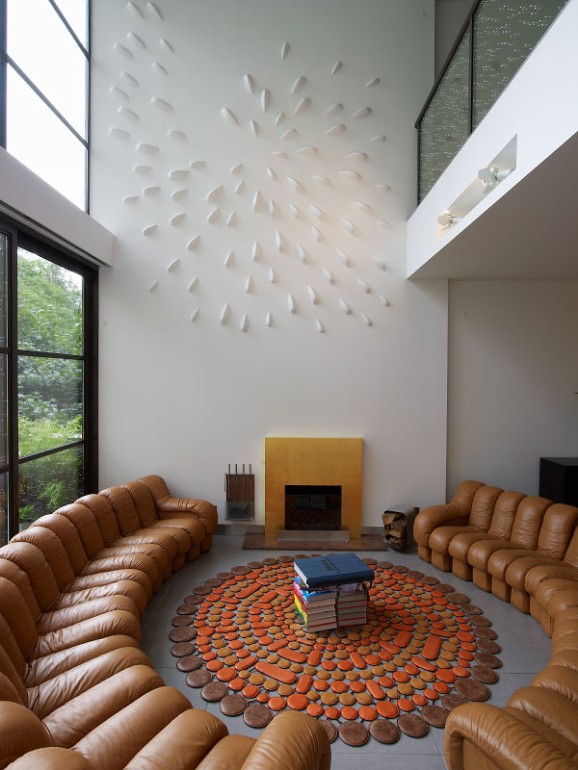
Couch Ideas for Your Home: Style and Buy Guide
Choose a sofa by room measure, silhouette, fabric, and sit-test comfort—practical furniture guidance with style cues, no hard-sell affiliate pitch.