
Creative Illustrations by Alex Solis: Food Thieves and Sign Language Doodles
Alex Solis (alexmdc) blends cartoon characters with real photos—tiny food thieves mid-heist and Sign Language Doodles that teach ASL letters with playful animals.
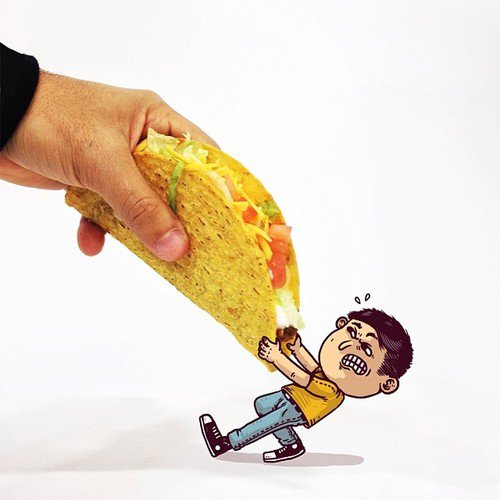
Alex Solis—known online as alexmdc—builds illustrations that behave like short films paused on the funniest frame. Working from the American Midwest (design blogs of the early 2010s often filed him as Chicago-based; he has long been associated with Wisconsin), he mixes clean cartoon drawing with photography so a real hand, snack, or signed letter becomes a stage. Two series from that period still explain why followers kept checking his Tumblr: tiny food thieves caught mid-heist, and Sign Language Doodles that teach the alphabet through playful creatures perched on real hands.
Both projects share one technical habit. The camera captures something ordinary and tactile. Ink supplies the character, the verb, and the punch line. Scale does the comedy. That hybrid approach later scaled into merch, murals, and viral pop-culture series under his Oddworx brand, but the early food and sign pieces already contained the concept-first humor that made later work travel.
Food thieves and the hidden-camera joke
Solis framed one run of drawings as evidence. Someone, he joked, had been eating his food; hidden cameras finally caught the culprits, and he would post the stills as he got them. The premise is light, but it gives each image a documentary punch line. You are not only looking at a cute character—you are looking at a crime scene staged on a kitchen counter, complete with implied previous offenses.
The surviving piece in this gallery shows the method clearly. A real hard-shell taco, held by a real hand against white space, becomes a cliff face for a tiny cartoon man in a mustard shirt, blue jeans, and sneakers. The thief leans back with gritted teeth and flying sweat beads, yanking a clump of filling from the shell as if it were treasure bolted to a rock. Thick ink outlines, exaggerated strain lines, and a small ground shadow sell the physics. The photograph stays ordinary; the drawing does all the storytelling.
That recipe—photo prop plus ink character—travels well on social feeds because it needs no caption to explain the struggle. Viewers recognize the taco, recognize the effort face, and invent the rest of the heist themselves. Similar thieves in the broader series climb cereal boxes, raid fruit bowls, or wrestle oversized snacks; the humor stays physical rather than verbal. Solis draws bodies that lean, pull, and sweat. The food stays edible-looking, which makes the theft feel almost plausible and slightly rude in a friendly way.
For illustrators, the compositional rules are strict and useful. Keep the photo simple: one object, clean light, plain backdrop. Give the character a single clear verb—pull, climb, hide, drag. Let scale do comedy: a human-sized snack, a thumb-sized burglar. Avoid busy kitchen backgrounds that compete with the ink. White space is not emptiness here; it is the stage floor that lets the mash-up read as one world instead of a sticker dumped on a picture.
Timing matters as much as drawing. The funniest frame is mid-effort, not after success. A thief who already escaped with the meat is a closed story. A thief still locked in a tug-of-war invites the viewer to finish the scene. Solis understood that pause instinctively, the way a comedian holds a beat before the laugh.
Sign Language Doodles: letters you can remember
The second series takes a different emotional register while keeping the same hybrid toolkit. Sign Language Doodles pair photographs of hands forming American Sign Language letter shapes with small animals and objects whose names start with that letter. An octopus wraps a hand signed as O; bears, cats, narwhals, penguins, unicorns, and zebras cling, nap, or balance on fingers. The drawings are cheerful and slightly rubbery, easy to read at thumbnail size, which mattered when Tumblr and early Instagram were primary galleries.
The educational hook is genuine. Associating a handshape with a memorable creature gives learners a mnemonic without turning the page into a dry chart. Solis later gathered the alphabet into the book Signs and Doodles, funded with community support and sold as prints and originals alongside the volume. Design blogs and art sites praised the series for making ASL visible in mainstream illustration spaces without lecturing or flattening the language into a novelty.
Visually, the doodles share DNA with the food thieves: photographic hands, cartoon guests, spare backgrounds, bold contour. The difference is tone. Thieves sweat and strain; alphabet animals cuddle and climb. Together they show Solis’s range inside one technical approach—interaction between drawn and real—rather than two unrelated styles glued under one username. The hand must remain readable as a letter; decoration never hides the shape that teaches. That constraint is what separates the series from generic cute animal stickers.
Parents and teachers who used the images as flashcards discovered another practical strength: each letter is a complete little poster. You can learn A through a few memorable critters without needing the entire alphabet on screen at once. Serial posting helped too—followers returned for the next letter the way they returned for the next “camera still” of a food thief.
Craft habits and career context
Several habits recur across both bodies of work. Characters have big expressions and simple wardrobes so emotion reads first. Props are familiar: tacos, hands, everyday snacks, household gestures. Solis rarely over-renders textures; a few highlights on a shell or a soft shadow under a foot are enough. Captions, when he uses them, stay short and in-character, extending the joke instead of explaining it. The work looks digital-clean but feels handmade because the ideas are human-scale—hunger, effort, play, learning.
His path also matters for context. After years in design and web development, he pushed illustration harder as a primary practice, eventually building Oddworx around prints, pins, sculptures, murals, and brand collaborations. Viral series such as Icons Unmasked and Famous Chunkies introduced him to wider audiences later, yet the Tumblr-era food and sign pieces already practiced the same thesis: a strong concept plus a clear visual verb beats decorative complexity.
If you sketch your own hybrid photos, borrow the constraints rather than the characters. One object on a clean table. One figure with one job. Stop before the frame fills with extras. Ask whether the joke still works with the caption removed. If it does, you are close to Solis’s best mode.
Even with only one food-thief image preserved on this page, the recipe is intact. A snack looks briefly unattended. A tiny stranger arrives with bad intentions and great determination. Somewhere nearby, a hand forms a letter, and a drawn animal makes that letter impossible to forget. That is the Solis loop: ordinary props, extraordinary company, and a pause held just long enough for the story to land.

Comments
Continue reading
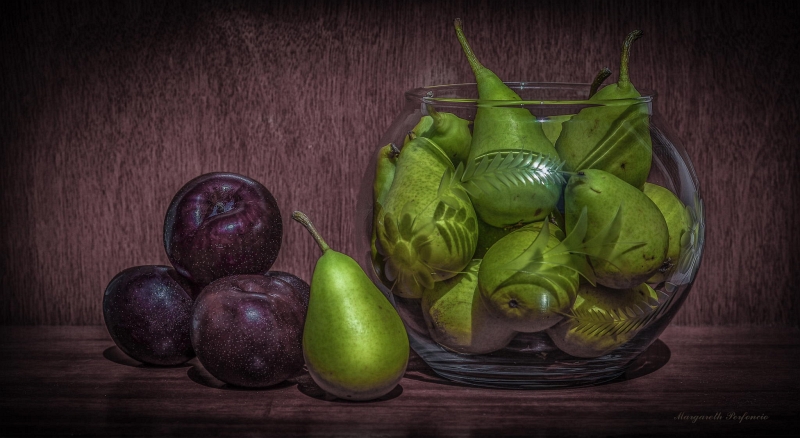
Still-Life Photography by Margareth Perfoncio
São Paulo photographer Margareth Perfoncio’s still lifes of food and flowers—Old Master light, dark wood, and tables that feel inevitable.
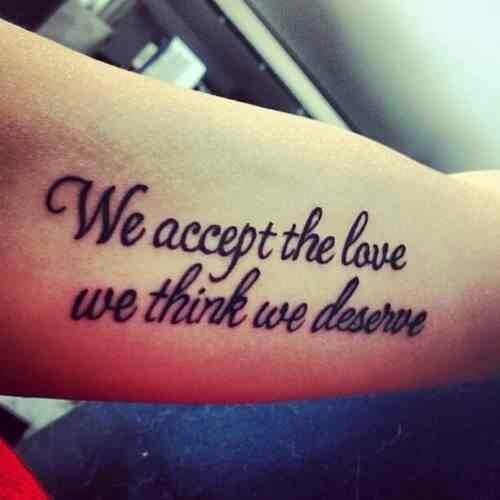
Meaningful Love Quotes for Inspiration (and Ink)
Meaningful love quotes that still feel true — short lines for tattoos, gifts, and everyday reminders, with placement and wording tips.
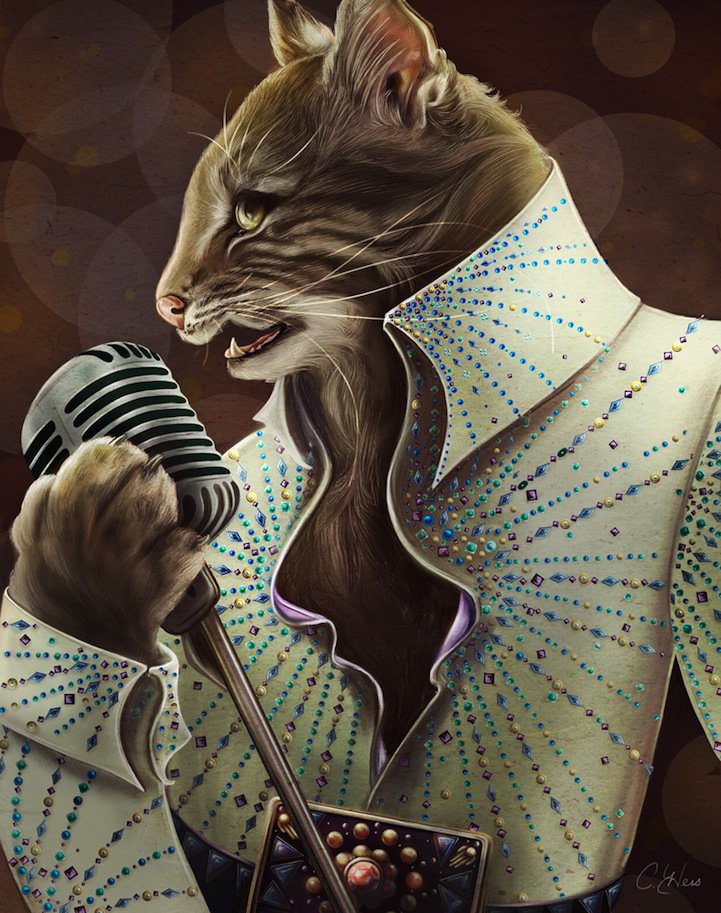
Christina Hess’s Animals From History: Costumed Pets as Playful Portraits
Illustrator Christina Hess reimagines historical icons as ornate animal portraits—Elvis Petme and friends—mixing puns, costume detail, and soft history lessons.