
14 Easy Bookmark Tutorials You Can Make This Weekend
Fourteen handmade bookmark projects—beads, origami, felt frogs, elastic stay-puts, and more—for readers who want custom page markers without a big craft budget.
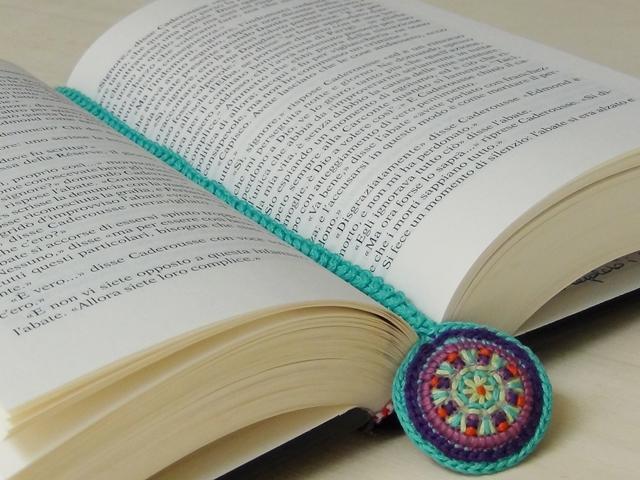
Bookmarks disappear into sofa cushions, get used as scrap paper, and somehow never multiply fast enough for a real reading pile. Making your own fixes that problem and turns leftovers—beads, scrap fabric, origami paper, felt—into something you will actually use. These fourteen easy bookmark tutorials range from five-minute paper folds to simple sewing and beading. None of them needs a craft studio; a kitchen table and basic supplies are enough.
Before you start, decide whether you want a flat strip that sits between pages, a corner clip that hugs the page edge, or an elastic “stay-put” style that wraps the cover. Match the method to the books you read most: delicate paperbacks prefer slim, soft markers; heavy hardcovers can handle beads, charms, and thicker felt.
1. Simple beaded bookmark
A beaded bookmark is a classic starter project. Cut a length of sturdy cord, embroidery floss, or thin ribbon longer than your tallest book, then thread beads onto both ends so the middle rests in the gutter while decorative ends hang outside the covers. Knot above and below bead groups so nothing slides off when you close the book hard.
Choose beads that will not scratch covers—wood, glass with smooth edges, or plastic. Metallic spacers add shine without bulk. If you read in bed, avoid sharp charm edges that catch on blankets. This tutorial scales well for gifts: batch-cut cords, then let each recipient pick a color story.
2. Paper bird bookmark
A small bird silhouette perched at the top of a page feels playful without needing sewing skills. Cut the bird from cardstock or thick scrapbook paper, add a long tail or ribbon that slips between pages, and optional googly eyes or a tiny beak detail in contrasting paper. Laminating or a clear packing-tape sandwich keeps paper birds from softening with humid hands.
Vary species with simple shape changes: rounder body for a robin feel, longer tail for a swallow. Kids often finish this in one sitting if you pre-draw templates. Store flat so wings do not crease in a backpack.
3. Recycled charm bookmark
Upcycled materials make bookmarks that look store-bought and cost almost nothing. Old key rings, broken jewelry links, fabric scraps, and leftover yarn can become a hanging marker: attach a flat ribbon or leather strip to a ring or charm so the decorative end stays outside the book. The goal is light weight—heavy metal clusters will pull thin paperbacks open.
Clean findings before use. If you repurpose a keychain fob, trim anything abrasive. A drop of clear nail polish on knot ends stops fraying. This is the tutorial for crafters who hate throwing away “almost useful” bits.
4. Mini shopping-cart page marker
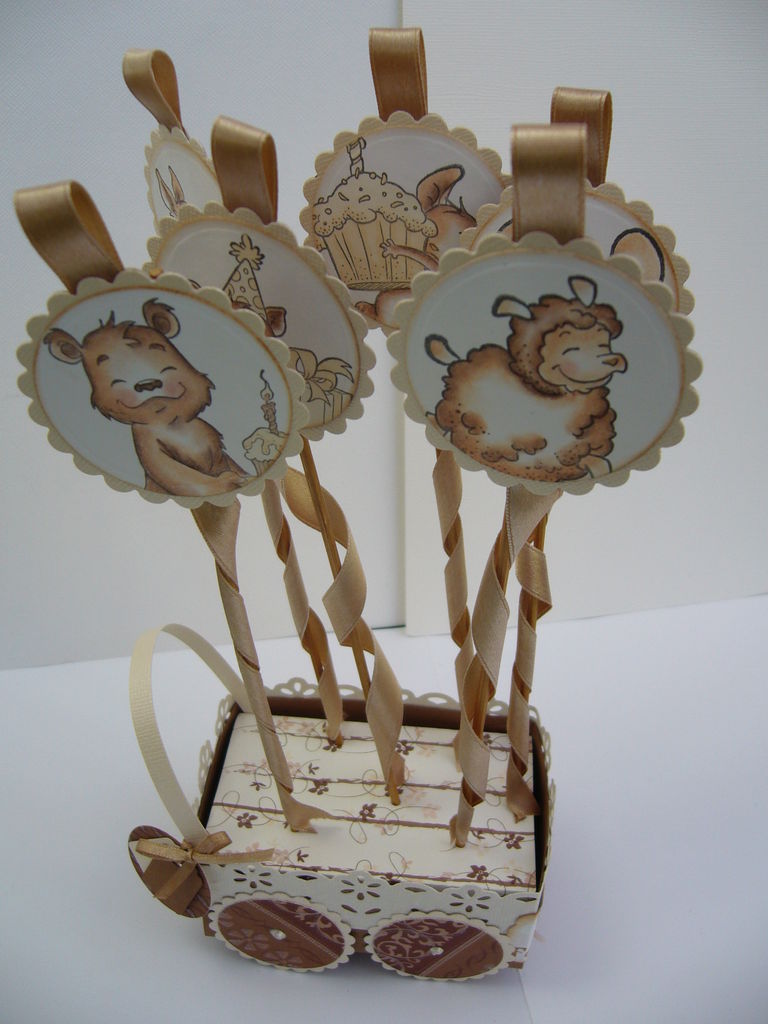
A tiny cart-shaped bookmark is a novelty project with real function: the “basket” or frame can clip or sit so a ribbon trails into the pages. Build it from cardboard, thin wood scraps, or layered cardstock strengthened with glue. Paint or washi tape keeps the look tidy; a clear sealant helps if the piece will live in a frequently opened novel.
Keep proportions small. Oversized carts look cute in photos and awkward in real books. Test the finished piece in a paperback and a hardcover before you gift it—balance matters more than perfect paint.
5. Stay-put elastic fabric bookmark
Elastic bookmarks solve the forever problem of markers that slip out when you toss a book in a bag. Sew or tie a strip of soft elastic (or fabric-covered elastic) that stretches around the cover and holds a ribbon or fabric tongue against the current page. Measure against the book you use most; one size rarely fits every spine width.
Use soft elastic so covers do not get pinched permanently. Avoid dye that bleeds onto pale dust jackets—wash fabric components first. This tutorial is ideal for textbooks and library hardcovers you open daily.
6. Kusudama flower bookmark
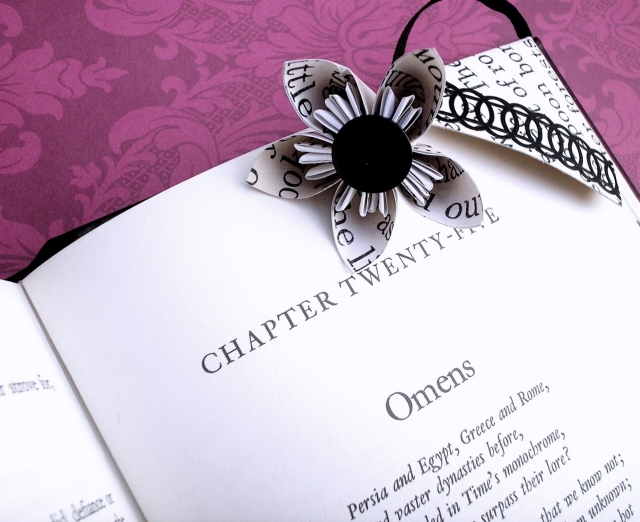
Kusudama-style paper flowers turn origami practice into a usable marker. Fold multiple identical petal units, glue them into a bloom, and mount the flower on a slim cardstock stem or ribbon that marks the page. Precision folding matters more than fancy paper; thin origami sheets behave better than thick scrapbook card.
Let glue dry fully before first use so petals do not shift. A flower that is too bulky will cock the cover open—scale down for paperbacks. Color-blocked petals photograph beautifully and make thoughtful teacher or book-club gifts.
7. Bookworm felt friend
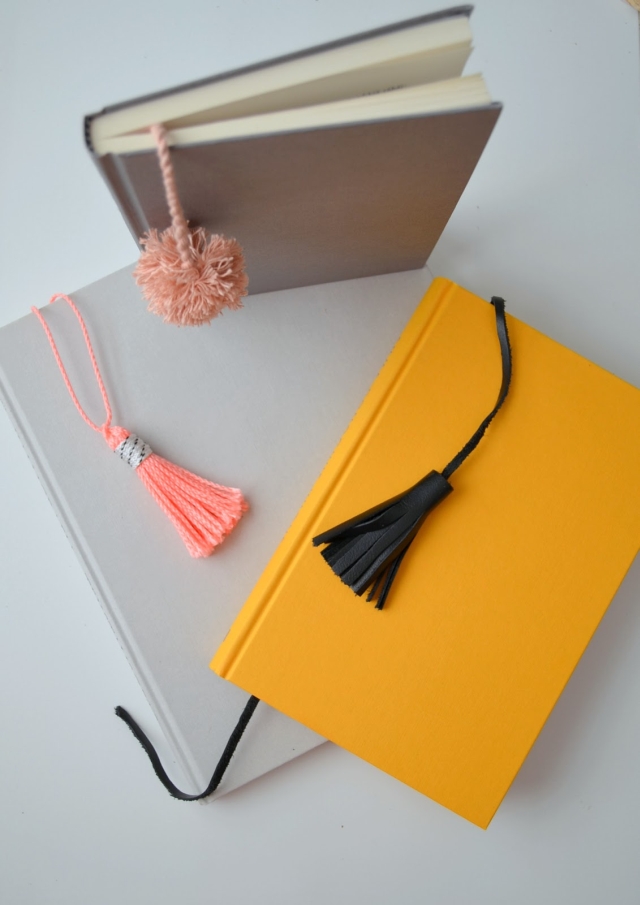
A felt bookworm—segmented body, simple face, long enough to peek above the page—is a sewing-friendly tutorial that still works with fabric glue for no-sew makers. Cut circles or ovals, join them in a gentle curve, and add antennae from embroidery floss. Leave a flat tail or ribbon extension to sit between pages.
Felt does not fray, which makes finishing easy. Stuff lightly only if you want dimension; flat worms slide better in closed books. Embroidered smiles outlast glued-on plastic eyes in the wash if the bookmark ever needs spot cleaning.
8. Moustache corner bookmark
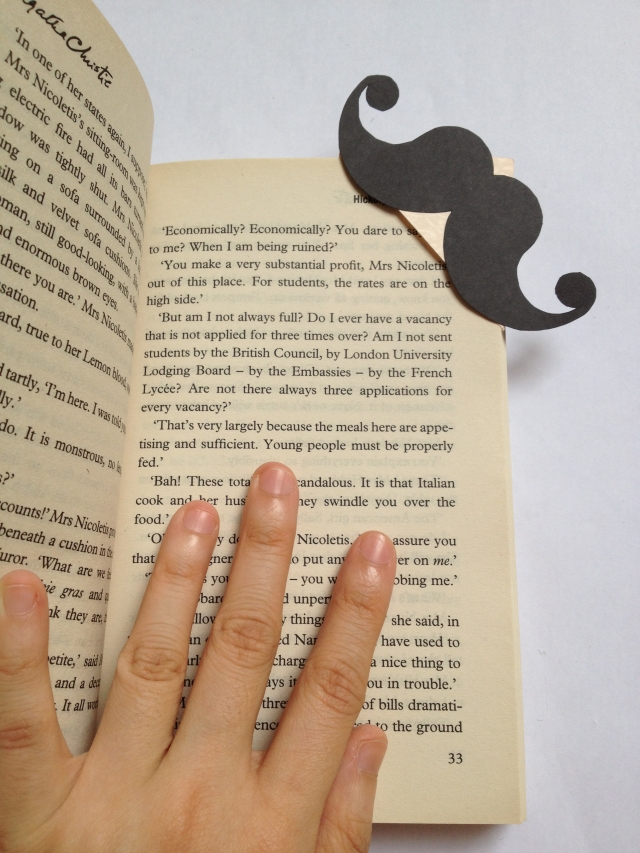
Corner bookmarks slide onto the page edge instead of dangling from a cord. A moustache shape cut from felt or cardstock, folded into a pocket, grips the corner so your place stays marked even if the book tips sideways. Trace a template, cut two layers if you want opacity, and glue or stitch the side seams while leaving the bottom open for the page.
This style suits mystery novels and anyone who likes a little humor on the shelf. Keep the pocket shallow enough that thin pages do not buckle. Laminate paper versions for longevity.
9. Leaf silhouette bookmark
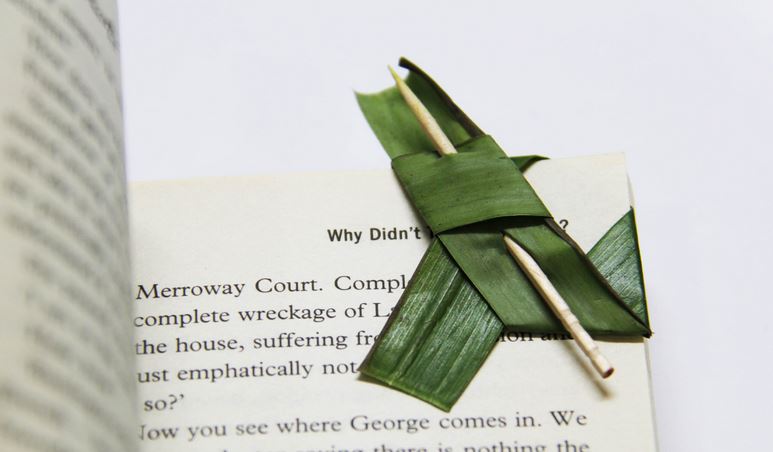
A leaf bookmark can be realistic pressed foliage sealed in contact paper, or a cut paper/felt leaf with vein details drawn in fine pen. Nature-table versions feel seasonal; paper leaves work year-round and survive backpacks better. Punch a small hole at the stem and add a short ribbon if you want a pull tab.
If you use real leaves, dry them thoroughly between heavy books first, then seal both sides. Unsealed leaves crumble. Artificial leather or craft foam also makes durable botanical shapes without the fragility of organic material.
10. Rose paper bookmark
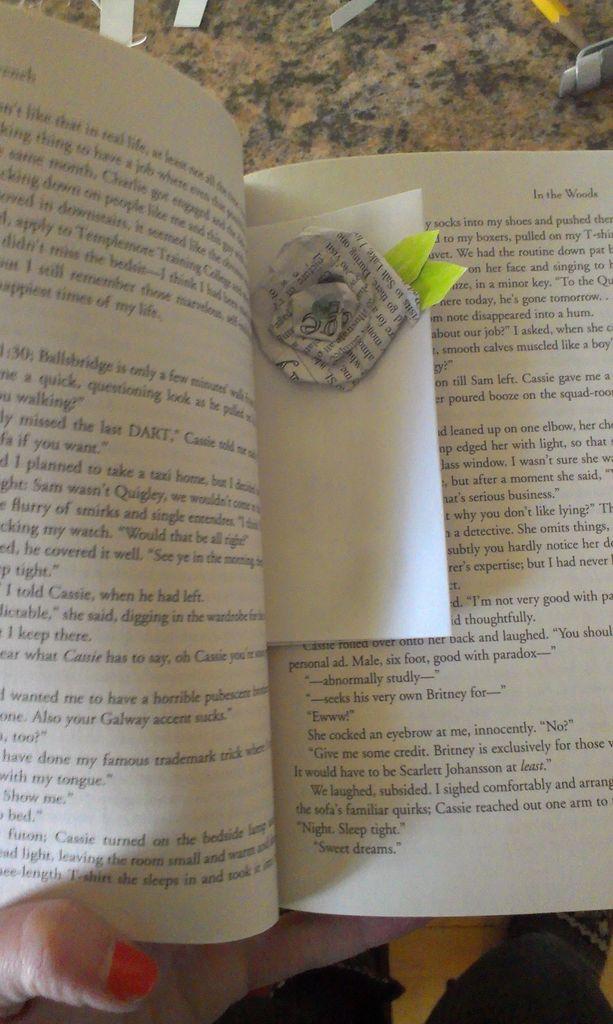
A rolled or folded rose at the top of a slim stem turns scrapbook paper into a romantic marker. Spiral-cut petals rolled tightly, or layered punched petal shapes, both work. Mount the bloom on a cardstock strip sized to your page height. Keep the rose modest in diameter so the book still closes flat.
Seal paper roses with a light mist of workable fixative if they will be handled often. Dark reds and soft blushes suit gift editions; metallics suit holiday wrapping companions. Pair with a plain stem so the flower remains the focus.
11. Origami kimono bookmark
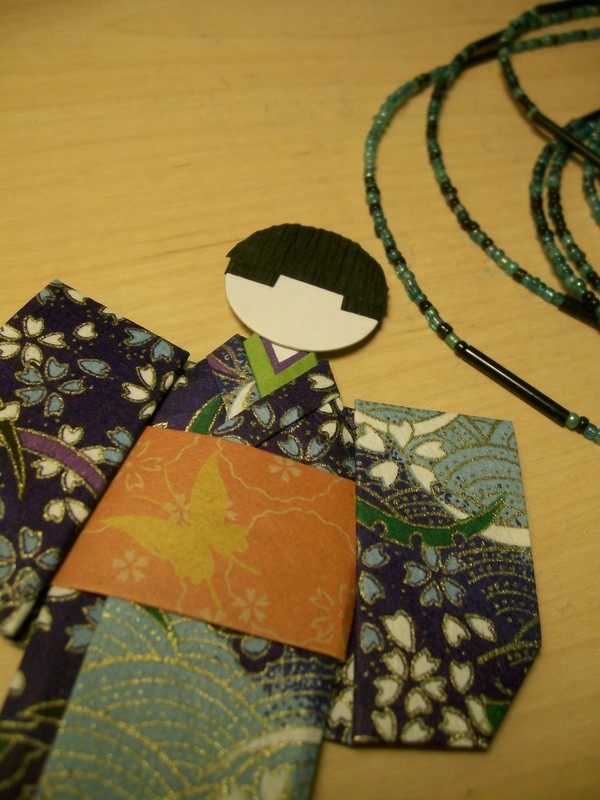
Origami kimono bookmarks use crisp folds to suggest sleeves and a sash on a miniature garment that marks your place. Patterned washi or chiyogami paper elevates the result; practice first on plain printer paper. Crease firmly with a bone folder or unused fingernail so folds stay sharp after repeated opening.
Attach a long tail of matching paper or ribbon if the kimono itself sits mostly above the page edge. Avoid overly thick paper that fights small folds. This tutorial rewards patience more than materials cost.
12. Froggy felt bookmarks
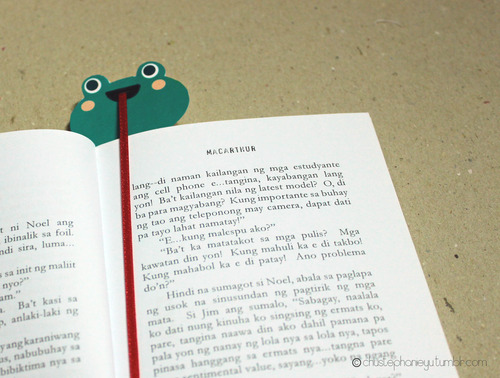
Frog-shaped bookmarks—often corner pockets with big eyes and a green body—are kid magnets and surprisingly practical. Cut felt frogs with a slot or pocket that slides onto the page corner. Embroidery or fabric markers add pupils and smiles. Make a pair so siblings stop stealing one shared marker.
Use quality felt that does not pill after a week in a schoolbag. Reinforce the pocket opening with a tight stitch line if the frog gets daily use. Bright greens read clearly against both white and cream pages.
13. No-slip fabric strip bookmark
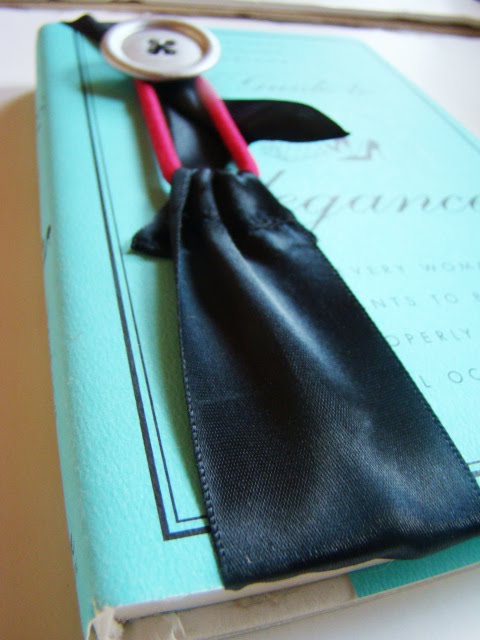
A no-slip bookmark usually combines a fabric or ribbon path with a bit of grip—elastic, a snug cover wrap, or a textured backing—so it stays put when the book is jostled. Sew a narrow channel, finish ends neatly, and test on slick dust jackets as well as cloth covers. The best versions feel intentional, not like a rubber band improvisation.
Pick fabrics that will not transfer dye. Quilting cotton, twill tape, and soft grosgrain all work. If you add a charm, keep it light. This is the workhorse tutorial for commuters and anyone who reads on transit.
14. Teacup paper bookmark
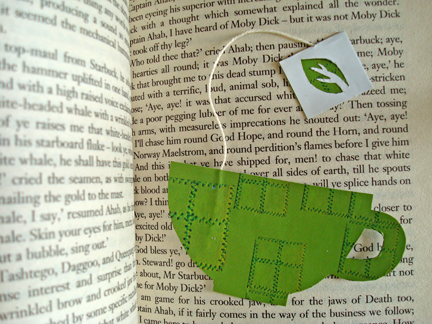
A teacup motif suits cozy reading rituals. Cut or punch a cup-and-saucer shape from cardstock, decorate with patterned paper “tea,” and extend a ribbon or paper steam line into the pages. Corner-pocket teacups and flat strip versions both work; choose based on whether you prefer clip-on or classic strip markers.
Watercolor washes and washi accents photograph well for handmade gifts. Seal paper if you expect damp fingers from actual tea sessions nearby. A matching set of cups in different patterns makes an easy craft-fair batch.
Choosing and caring for handmade bookmarks
Match tutorial to skill and time. Beaded cords, paper birds, leaves, and teacups fit a single evening. Felt worms and frogs need a calm hour. Kusudama, kimono origami, and elastic stay-put styles ask for more precision but repay it with polish.
Store bookmarks flat or hanging so paper flowers and origami do not crush. Keep bead strands untangled in a small pouch. When a favorite novel finishes its circuit, move the marker to the next spine instead of abandoning handmade work in a junk drawer—fourteen options means you can keep several books in play without recycling receipts as placeholders again.

Comments
Continue reading
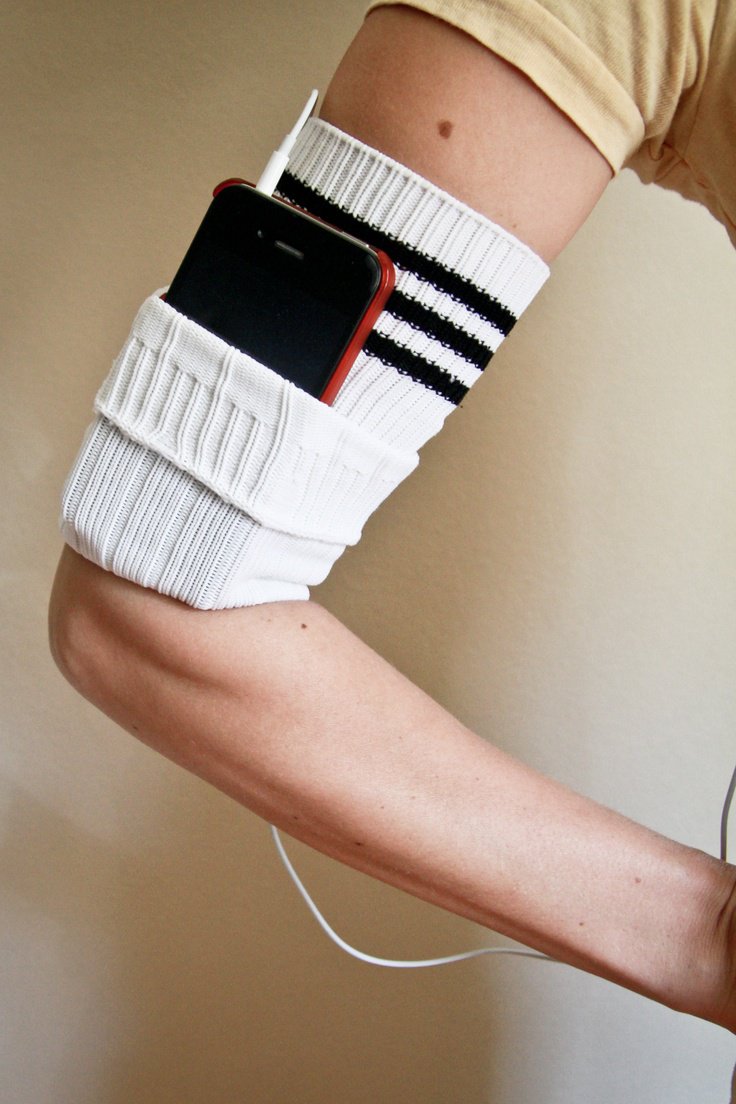
DIY Ideas for Old Socks: Rugs, Puppets, Mittens, and More
Sort leftover socks by fiber, then turn them into braided rugs, hand puppets, soft toys, mittens, and pin cushions with practical cutting and sewing tips.
DIY Ideas with Lace Doilies
Upcycle heirloom lace doilies into framed art, runners, pillows, lamps, and more—practical craft projects that keep the crochet visible.
Toilet Paper Roll Crafts: Organizers, Toys, and Ornaments
Cardboard tubes become pencil holders, wreaths, cord cubbies, monsters, race cars, ornaments, and more—structural DIY distinct from magazine-page crafts.