
Cozy Reading and Sleeping Nooks: Window Seats, Alcoves, and Daybeds
How to turn leftover space into a reading or sleeping nook—light, textiles, privacy, and a gallery of window seats, alcoves, and compact berths.
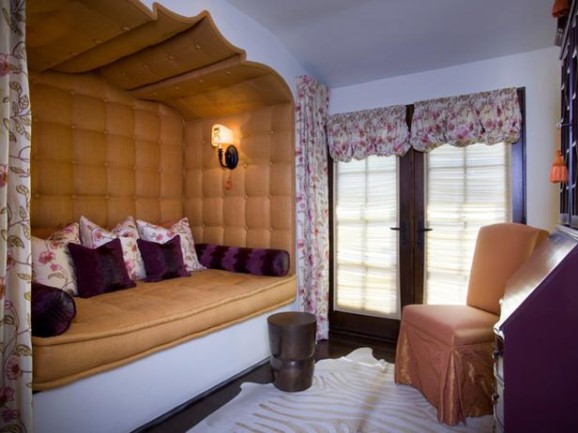
A nook is architecture’s quiet offer: a pocket of space that says sit, read, sleep, stay. It might be a window bay deepened with cushions, a closet claimed for a mattress, a landing widened into a daybed, or a shelf-lined alcove with a single lamp. The best ones feel inevitable—as if the house always meant to hold a body at rest there.
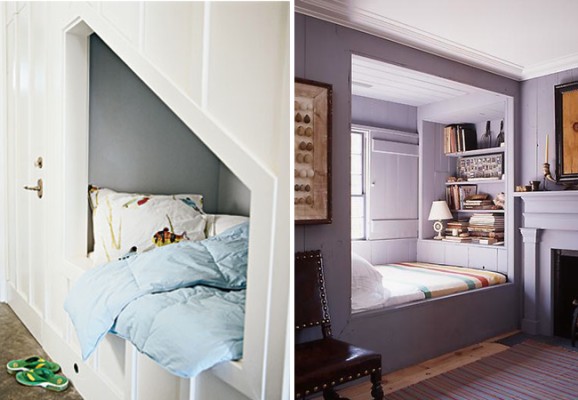
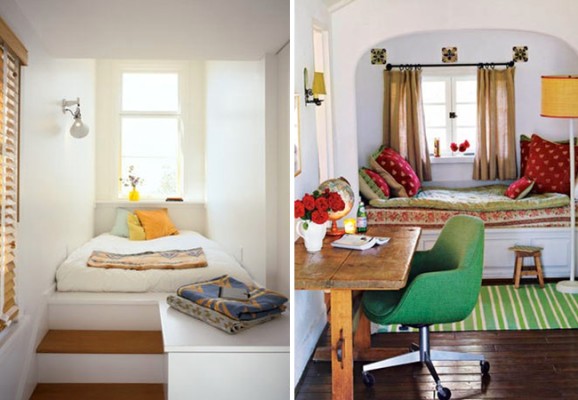
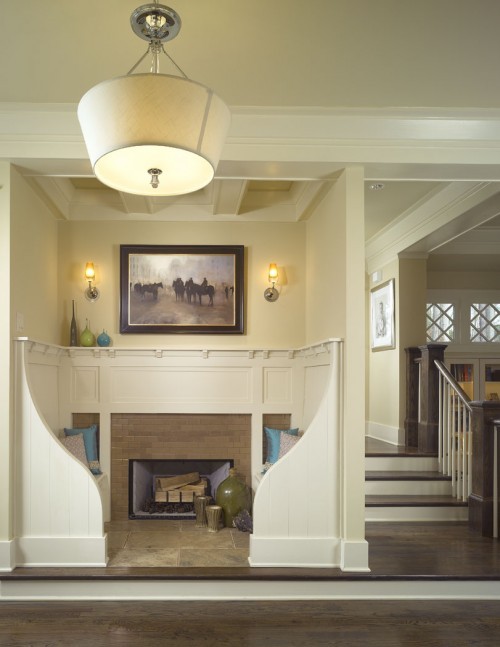
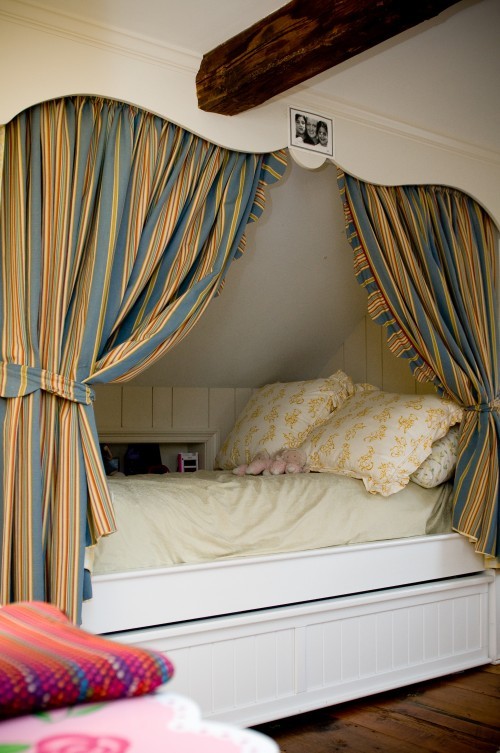
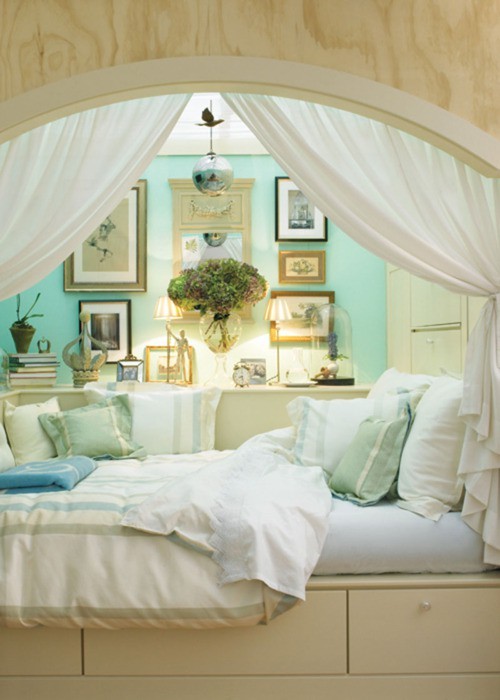
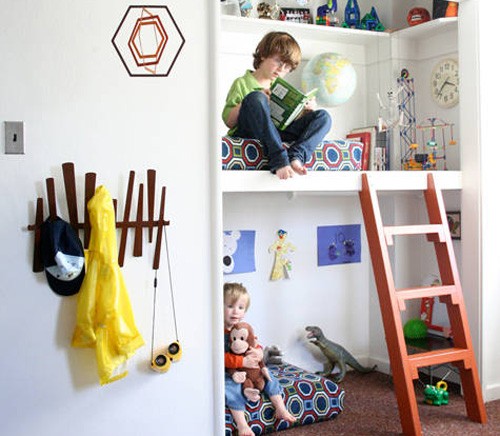
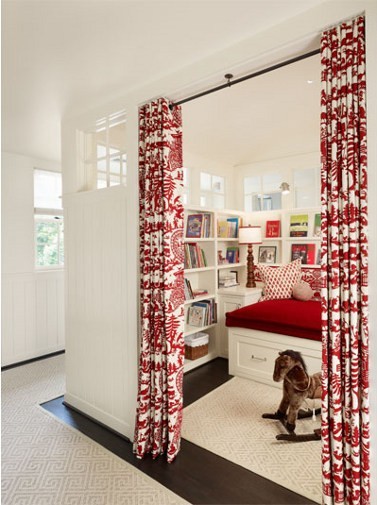
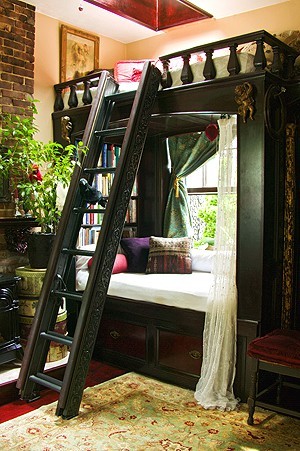
The images collected here are cozy reading and sleeping nooks in many moods: bright window seats, cave-like corners, elevated beds, and small rooms within rooms. Treat them as prompts for measuring your own leftover volumes—under stairs, beside chimneys, between studs—and turning them into places you actually use, not just photograph once.
What separates a nook from leftover space
Unused corners become storage piles. Nooks become habits. The difference is usually four decisions: a defined seat or sleep surface, task lighting you can reach without standing, a place for a book or phone, and a boundary—curtain, shelf edge, rug, or ceiling change—that tells the rest of the room this pocket has a job.
Cozy does not require darkness. Many reading nooks thrive in window light with a soft shade for afternoon glare. Sleeping nooks more often need a way to dim: curtains, a solid side, or a canopy. Decide the primary use first. A hybrid daybed can do both, but lighting and bedding storage have to support the night shift without turning morning cleanup into a project.
Also decide who the nook is for. A child’s reading corner wants reachable shelves and washable covers. A guest sleeping berth wants a hook, a outlet, and a sense of privacy. A solo adult reading seat can be narrower and more idiosyncratic. Designing for a vague “someone” usually produces a styled empty stage.
Window seats and daylight reading
Window seats are the classic reading nook: elevated cushions, a view, and often drawers below. Depth matters. Less than about two feet of usable cushion depth forces an upright perch; deeper bays invite curling sideways with a novel. Add a bolster along the glass if drafts bother you, and keep the seat height compatible with swinging legs rather than dangling painfully.
Styling should leave a clear place for the book. A narrow ledge, a wall-mounted fold-down shelf, or a small stool beside the seat beats balancing a mug on a windowsill. If the window is the room’s main light, choose fade-aware fabrics and rotate pillows. A washable cover is worth more than a precious textile you fear using.
Acoustic comfort counts too. Glass reflects sound; a thick cushion, a rug below, and a curtain panel can make a window seat feel quieter than the open floor. If street noise is constant, a denser curtain and a white-noise habit may matter more than another throw pillow.
Sleeping nooks: privacy without a full bedroom
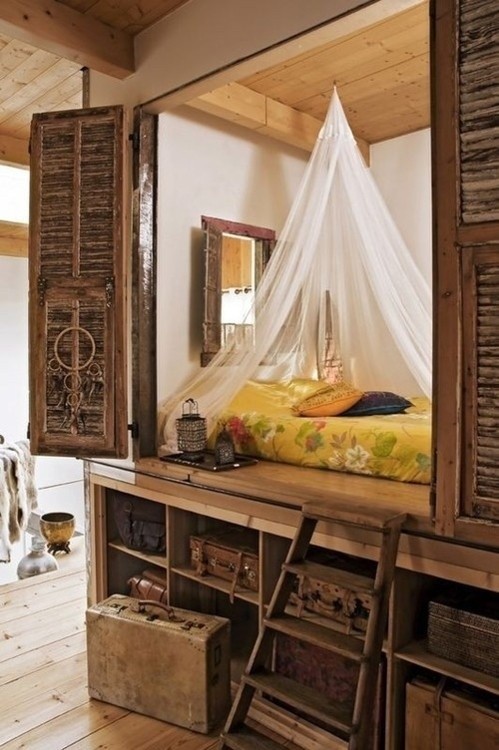
Sleeping nooks work in studios, children’s rooms, and guest corners where a full bedroom wall is impossible. Platforms, lofted beds, and closets-turned-sleeping-berths succeed when mattress size matches the frame honestly—no sliding foam that gaps at the edges—and when ventilation is real. A curtain can give darkness and privacy; it should not seal a person into stale air.
Keep power and safety in mind. A reading sconce with a switch at pillow height beats a tangled lamp cord. Smoke alarms and clear egress still apply; a beautiful cave that blocks a path is a bad trade. For kids’ nooks, round sharp corners and anchor furniture. For adult guest nooks, provide a hook for clothes and a shelf for a glass of water so the space feels finished rather than improvised.
Temperature swings harder in small enclosures. In summer, prefer breathable bedding and a fan path; in winter, a warm throw stored in a drawer beats heating the whole apartment for one corner. If the nook shares a wall with plumbing or an exterior, test a night’s sleep before you declare the design done.
Under-stair, alcove, and leftover volumes
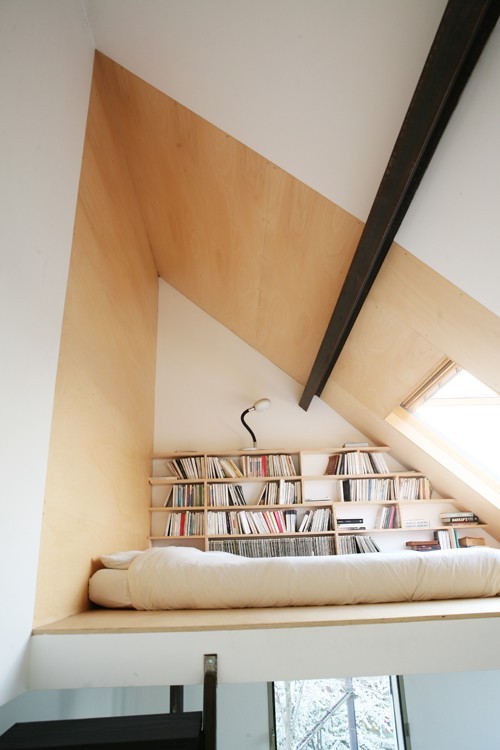
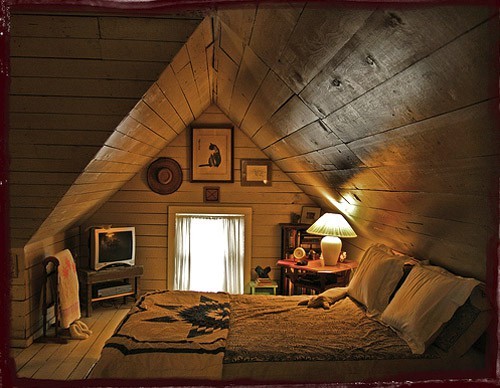
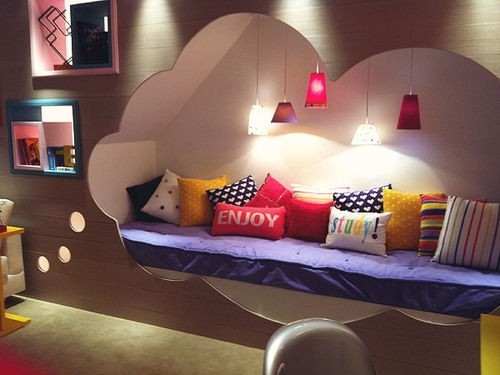
Stairs create triangular leftovers that are awkward for standing and perfect for sitting. A custom bench with storage, a pull-out trundle, or a short mattress perpendicular to the stringer can reclaim that volume. Measure headroom at the short end; a nook that forces constant ducking will not get used.
Alcoves beside chimneys or between closets often need only a plywood platform, foam cut to fit, and a curtain track. Paint the interior a half-shade deeper than the room so the pocket feels intentional. Shelves at the open end hold books without requiring a full library wall. Leave a small negative space at the entry so the nook does not look stuffed to the brim—cozy is density with air, not clutter pressed into a corner.
Light, books, and the small table problem
Reading fails without light that falls on the page, not in your eyes. Wall sconces, clip lamps, and pendants on dimmers outperform a distant ceiling fixture. Warm bulbs keep the nook inviting after sunset; daylight bulbs can feel harsh in a small enclosure.
Books want a home within arm’s reach. A single vertical stack, a shallow ledge, or a pocket shelf is enough. Overflow belongs elsewhere so the nook does not become a warehouse. The “small table problem” is real: you need somewhere for a cup, and you rarely have floor area. Wall-mounted surfaces and armrest trays solve it without blocking the kneewell.
Charge devices outside the sleep surface when you can. A nook that doubles as a phone dock tends to become a second office. If you must keep a charger nearby, hide the brick and keep the cable short so the seat stays a place for pages, not notifications.
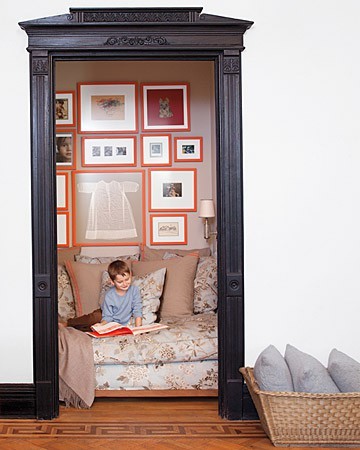
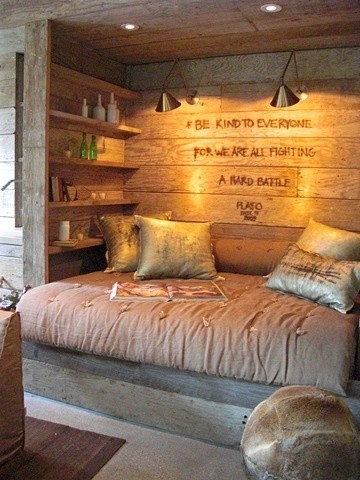
Textiles that create the cocoon
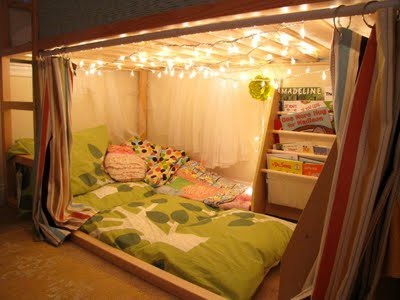
Layer density, not just colour. A structured base cushion, a softer top pad, a knit throw, and one pillow with a different texture read richer than five identical pillows. For sleeping, use a real mattress or high-density foam rated for sleep—not decorative seat foam that compresses by morning.
Curtains in linen or cotton soften acoustics and hide clutter on open shelves when guests arrive. In shared rooms, a curtain also signals “occupied” without a door. Keep fabrics cleanable; nooks collect crumbs and dusty book edges. A removable cover you wash quarterly will outlast a delicate tapestry you never dare sit against.
A short build checklist
- Measure width, depth, and the shortest headroom point.
- Choose primary use: read, sleep, or true dual-purpose.
- Plan one reachable light and one surface for a cup.
- Add a boundary: curtain, rug, colour change, or shelf wing.
- Ventilate; do not seal a sleeping pocket airtight.
- Store bedding and extras in drawers or baskets so the seat stays clear by day.
- Test the nook for a full evening before you buy more décor.
Walk through your home once with this list in mind. The useful nook is often already outlined by a window, a stair, or a closet depth you have been calling awkward. Cushions and a lamp may be enough to start; carpentry can follow once you know you will sit there every evening.
Which leftover volume in your place is already halfway to a nook—and what is the one object that would make you stay?

Comments
Continue reading
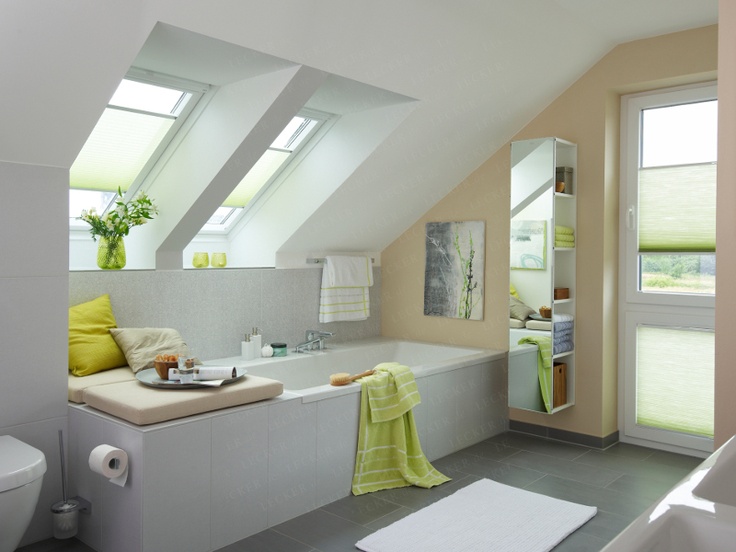
Attic Bathroom Design Ideas: Light, Layout, and Roof-Friendly Fixtures
Design ideas for converting an attic into an extra bathroom—working with slopes, skylights, wet-zone materials, eaves storage, and fixture placement.
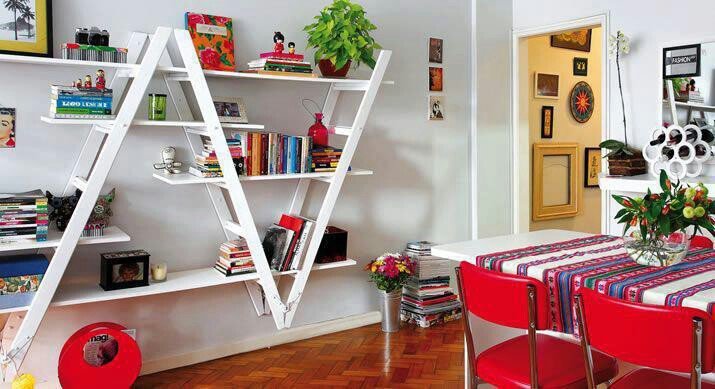
Ladder Shelving Repurpose Ideas: DIY Bookcases, Dividers & More
Turn an old ladder into shelving, a room divider, towel rack, or narrow desk—practical DIY steps, safety checks, and styling tips with photo ideas.
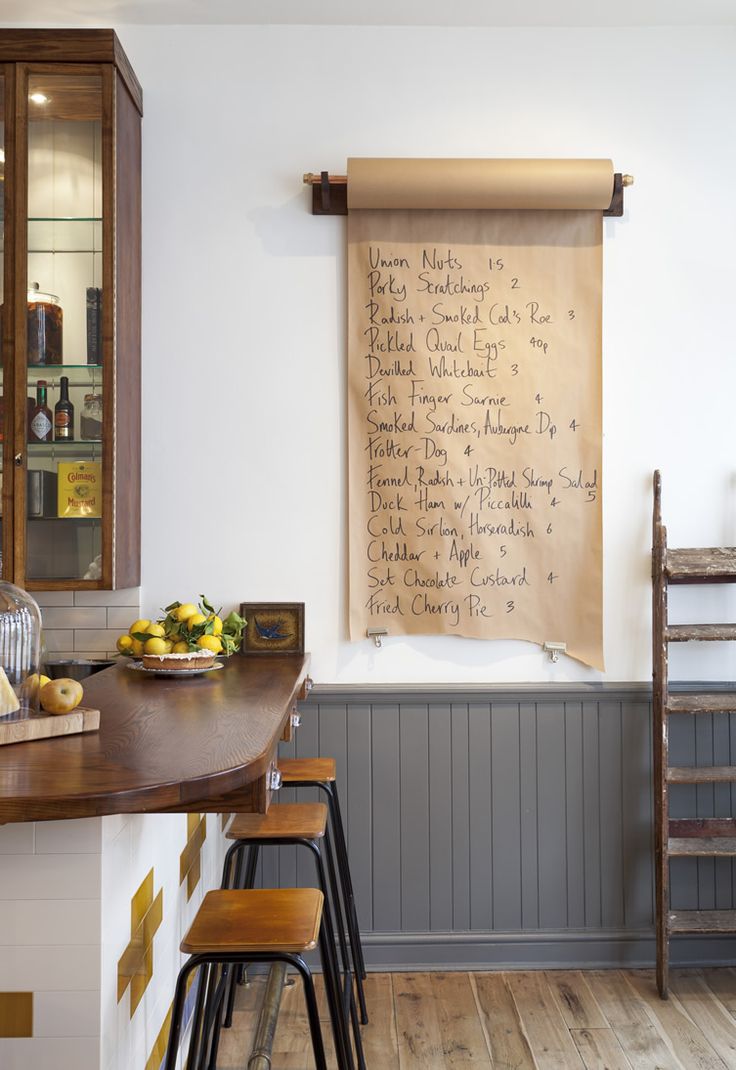
Cool Home Lifehacks That Actually Save Time
Practical household tricks—kraft-paper lists, safer nailing, fridge bottle stops, mint-tin drawers, phone stands—using things you already own.