
Comforting Outdoor Bench Designs for Gardens and Backyards
Choose outdoor benches that invite real sitting—seat height, weather-ready materials, cushions, placement for light and view, and styles from wood to built-in masonry.
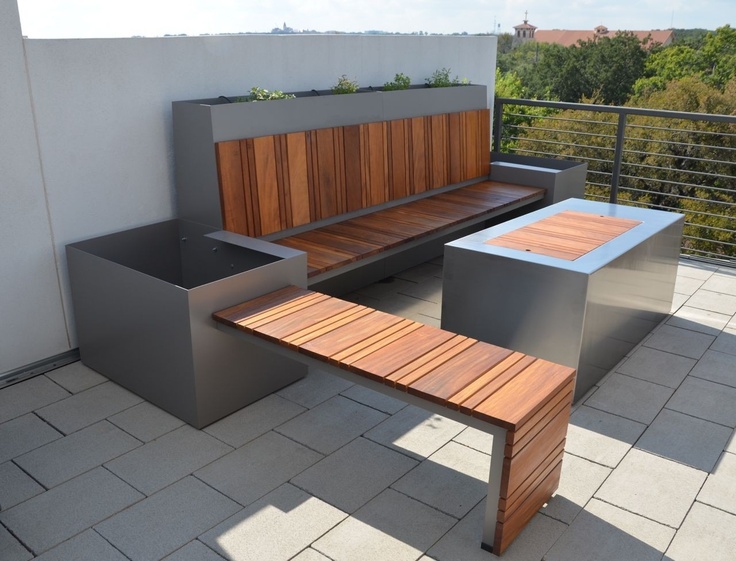
A comfortable outdoor bench is one of the smallest upgrades that changes how a garden gets used. It turns a path edge into a pause, a patch of lawn into a room, and a backyard into somewhere you actually stay after the chores are done. Soft cushions help, but comfort starts earlier: in seat height, back angle, materials that survive weather, and a placement that catches light without trapping you in wind or traffic.
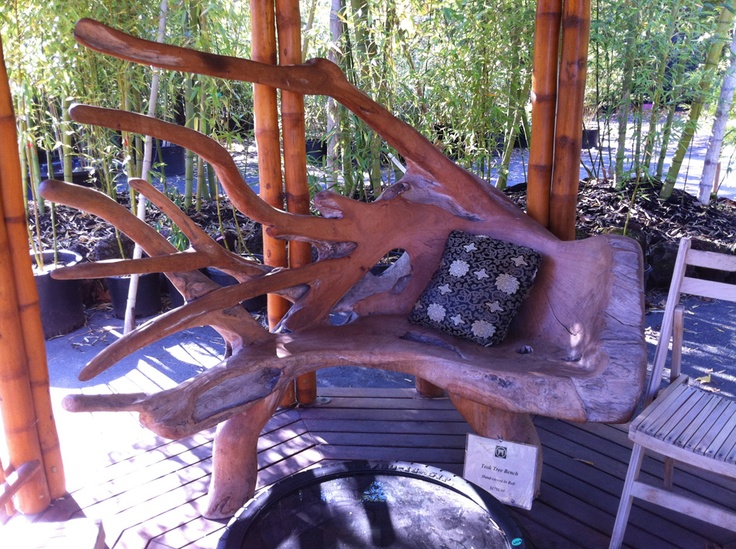
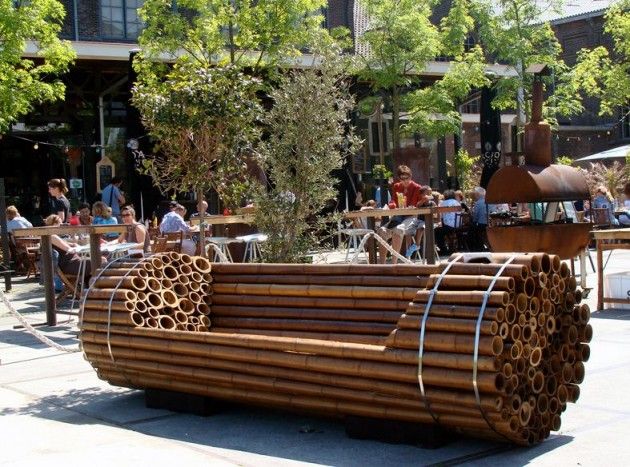
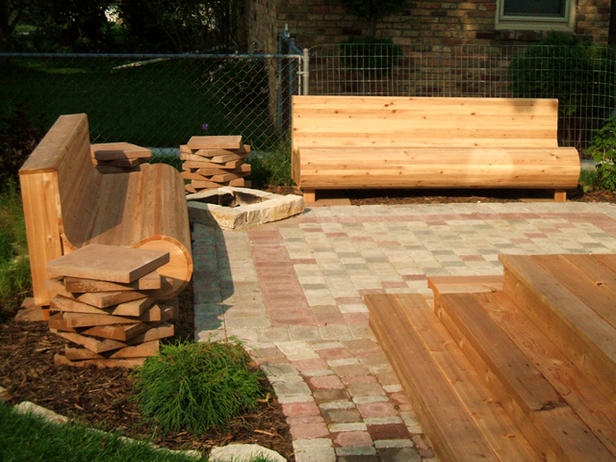
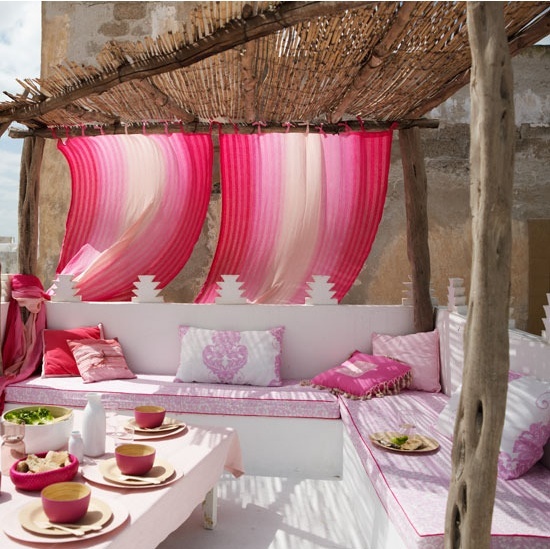
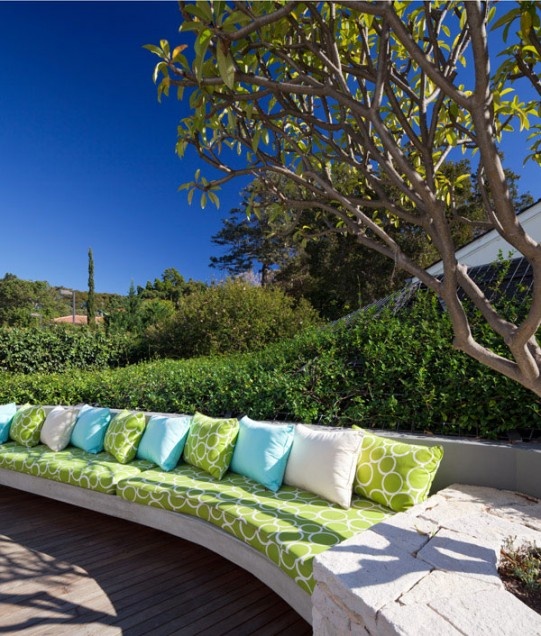
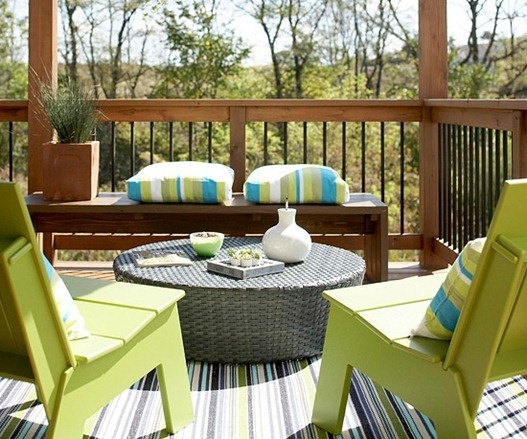
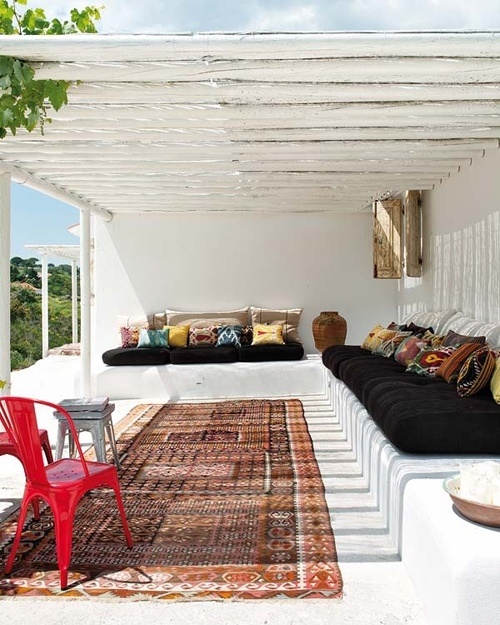
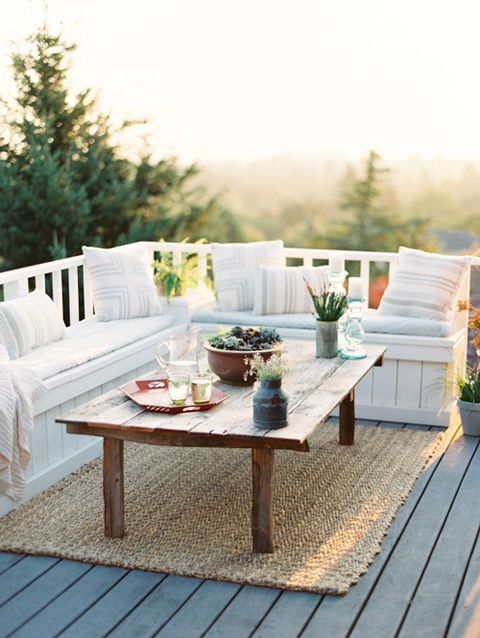
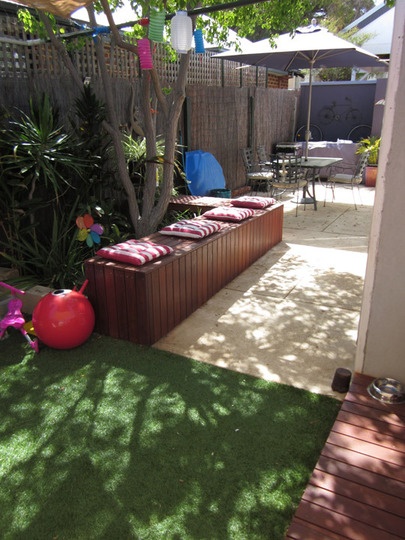
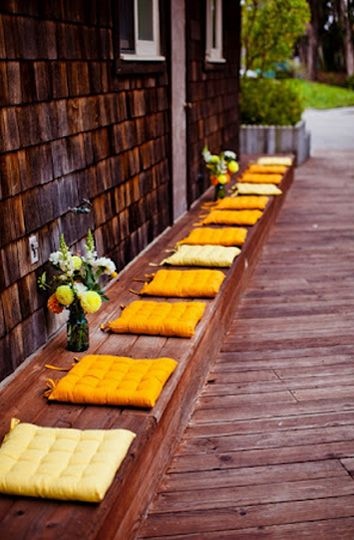
The designs collected here span built-in masonry seats, wooden garden benches, cushioned daybed hybrids, metal frames, and simple plank forms. Treat the images as a field guide. Notice proportion, textile choices, and how each bench meets the ground—then decide what your yard can honestly support through a full year of sun, rain, and neglect between weekends.
What comfort means outdoors
Indoor sofas forgive bad posture with deep foam. Outdoor benches rarely do. Aim for a seat height near 40–45 cm for most adults, a depth that supports thighs without cutting circulation behind the knees, and a backrest that leans a few degrees rather than sitting dead vertical. Armrests help people sit and stand; they also define personal space on shared benches when guests arrive.
Cushions are the quick comfort layer. Choose outdoor foam or wraps rated for moisture, and fabrics that dry after rain instead of holding a damp smell for days. Ties or non-slip backs keep pads from sliding when someone turns to talk. Store cushions under cover when a storm is forecast; even “outdoor” textiles last longer when they are not soaked weekly. If you know you will leave pads out all season, buy darker patterns and accept faster fading rather than fighting pale canvases that show every leaf stain.
Test comfort the boring way: sit for ten quiet minutes with a book or a drink. Pretty silhouettes fail that test often. The bench you keep using will be the one that does not numb your legs before the chapter ends.
Wood that works in weather
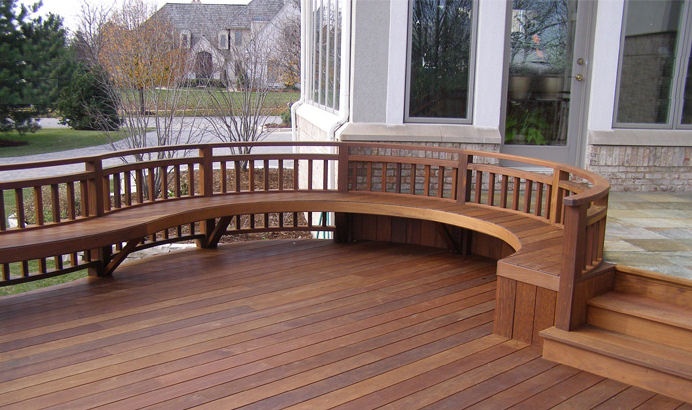
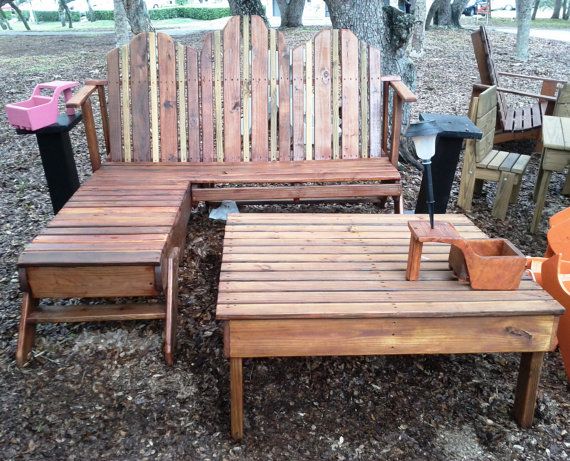
Hardwoods and well-detailed softwoods remain the default for garden benches because they feel warm and repair cleanly. Look for designs that shed water: slatted seats, open backs, and feet that lift the structure off wet ground. Flat solid tops look sleek in photographs and puddle in real rain. End grain left unfinished drinks moisture and splits after freeze–thaw cycles.
Finish is maintenance, not cosmetics. Oil, stain, or exterior paint should match how much attention you will really give each spring. A pale painted bench brightens a shady corner and shows dirt sooner. A darker oiled bench hides wear and can grow hot in full sun—place it where afternoon shade arrives from a tree or wall, or accept that bare legs will complain in July. Re-oil before grey weathering turns into deep checking; paint before peeling becomes a full strip job.
Joinery tells the truth. Through-bolts and stout stretchers survive seasons better than decorative screws into end grain. If you build, overbuild the frame slightly and keep the seat replaceable; boards wear out before good legs do.
Soft seating and daybed hybrids
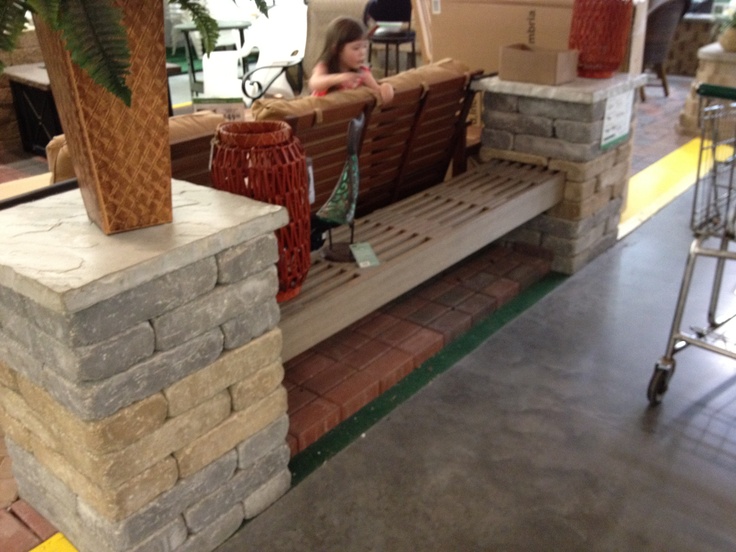
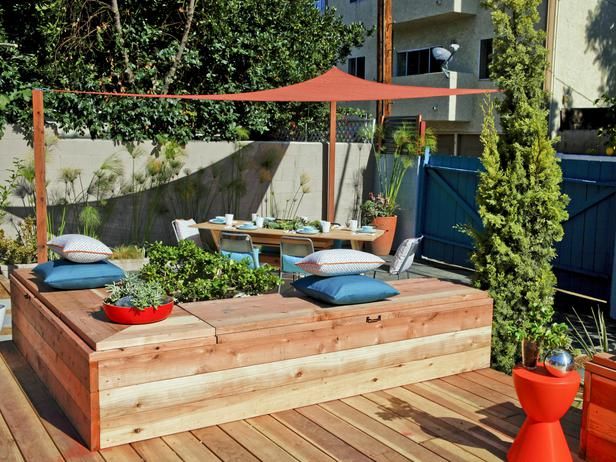
Some outdoor benches blur into lounges: deeper seats, thick pads, throw pillows stacked for reading or sky-watching. These pieces invite longer stays—afternoon naps, evening conversation that does not need a dining table, a place to lie back when the day’s heat finally breaks. They also demand more storage discipline. Soft goods must have a dry home overnight if your climate runs dew-heavy or if autumn mornings start wet.
Scale the softness to the setting. A deep lounge bench on a tiny balcony can dominate the space and block circulation; the same piece beside a wide lawn feels proportionate and welcoming. Keep a firmer, upright bench nearer the door for shoes-on pauses and quick talks, and save the cushioned expanse for the destination corner of the yard—the spot you walk to on purpose.
Think about how many people will share the seat. A daybed hybrid that seats two in sprawl may seat three upright with cushions removed. Flexibility beats a single dramatic pose if the household actually hosts.
Built-ins and masonry seats
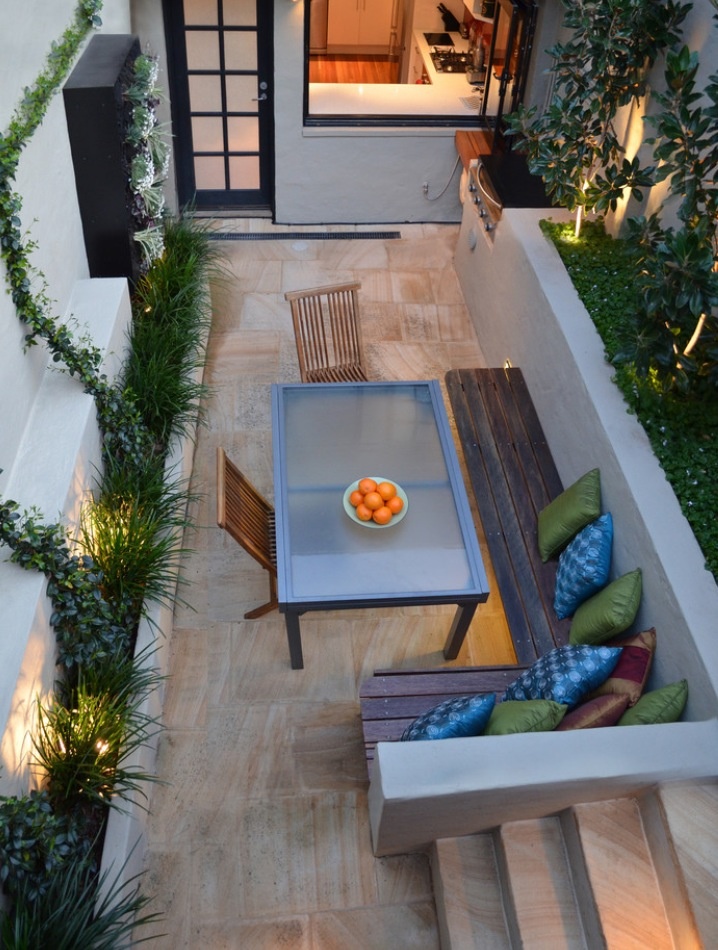
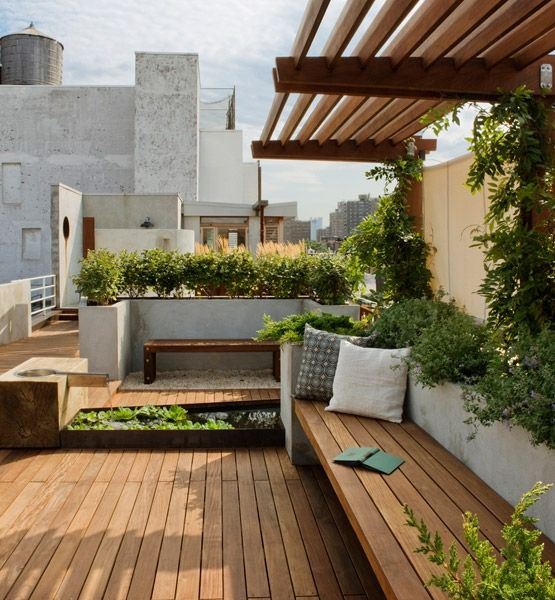
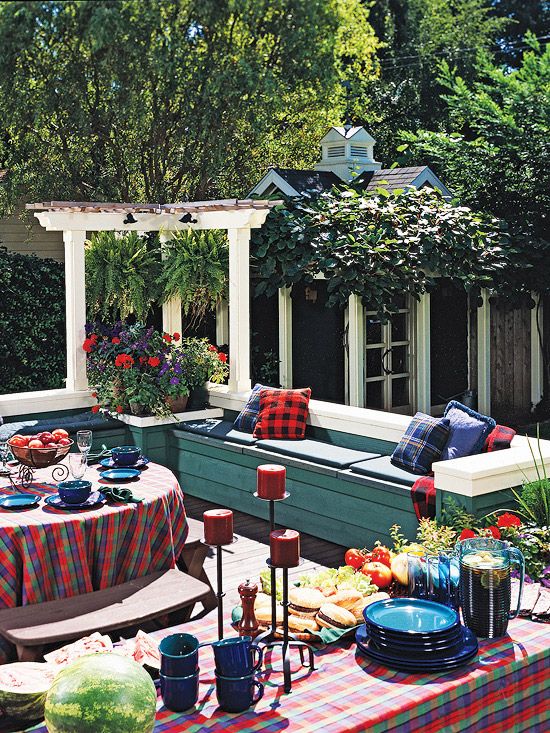
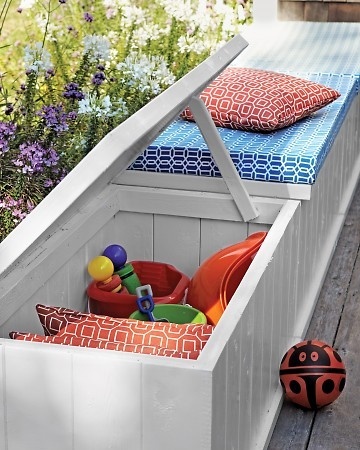
Benches integrated into walls, planters, or retaining edges borrow structure from the garden itself. They waste less floor space and can include storage under hinged lids for tools, cushions, or kids’ outdoor toys. Cold materials—stone, concrete, rendered block—need cushions for real sitting time, especially in shoulder seasons when mornings stay cool. Warm the seat with wood tops on masonry bases if you want hybrid comfort without losing the permanence of a built edge.
Drainage and frost matter more than style boards admit. Water trapped in joints and hollows shortens the life of any built-in. Slope surfaces slightly, keep weep paths clear, and avoid designs that hold soil against untreated wood forever. In freeze climates, confirm that hollow units can drain; ice expands where water hides.
Built-ins also fix orientation forever. Face them toward a view you will still like in five years—mature trees, a herb bed you tend, a quiet corner—not toward a temporary fence colour you plan to change.
Placement: light, view, and traffic
Put the bench where the garden already wants a pause—at the end of a path, facing a tree, beside herbs you harvest often, near a gate where people naturally wait. Facing a blank fence wastes the seat; facing a view, even a small borrowed one over a neighbour’s canopy, multiplies use. Morning light suits coffee and cooler air; western exposure can be harsh unless a pergola, umbrella, or tree softens the afternoon.
Leave circulation clear. A bench that blocks a mower route, a hose path, or a gate swing will be resented within a month. On decks, keep rear legs off the very edge and check that railings still meet safety needs if people will sit with their backs to a drop. Wind tunnels between buildings can make an otherwise perfect spot unusable; test a folding chair there through a breezy afternoon before you bolt anything down.
Sound belongs in the decision too. A bench beside a busy alley may look charming and feel tense. One near a fountain or dense planting can mask traffic enough to feel private.
Colour and textiles outdoors
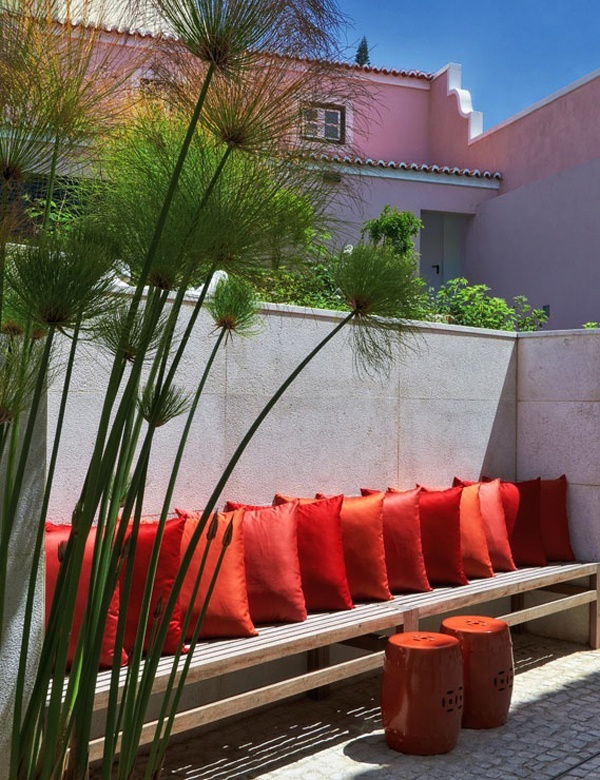
Neutral frames with vivid cushions let you refresh the mood without rebuilding every season. Patterned outdoor fabrics hide small stains better than flat pale canvases. If the garden is already loud with flowers, quieter textiles keep the bench from competing. If the planting is green and calm, a saturated cushion set can become the outdoor room’s focal point—the thing guests walk toward.
Throws for cool evenings are welcome and temporary. Bring them in. Outdoor living fails when soft goods become mildew experiments forgotten under a drip line. Keep a covered bin or porch chest near the favourite bench so good habits stay easy.
Metal, wire, and mixed materials
Powder-coated steel and iron frames stay slim and strong. They heat and cool faster than wood, so seat slats or cushions become more than style—they are the difference between a short perch and a long read. Wire and open mesh benches look light and leave wet leaves less chance to pile; they can also mark clothing and feel firm under long sits. Mix metal frames with wood seats when you want durability without a cold touch on bare thighs.
Watch rust at welds and foot plates. Lift feet onto pads or gravel rather than trapping them in lawn that stays wet. A beautiful black frame that stains the patio with orange runoff is not a finished design yet.
Before you decide
- Sit on a comparable height for ten quiet minutes, not ten seconds in a showroom.
- Check how water leaves the seat and how feet meet soft or hard ground.
- Plan cushion storage before you fall for the fabric swatch.
- Place the bench for a view, a breeze, and a soundscape you actually like.
- Choose a finish and material pair you will maintain, not only admire in photos.
- Measure the route from door to bench—if it is awkward, use will drop.
The best outdoor bench is the one that collects honest use marks: faded cushion corners, a smoother armrest where a hand always lands, a slight dip in a favourite seat board. Those marks mean people keep choosing it when they want out of the house but not away from home—under sun for a lazy stretch, or under a clear night sky when the day finally lets go.

Comments
Continue reading
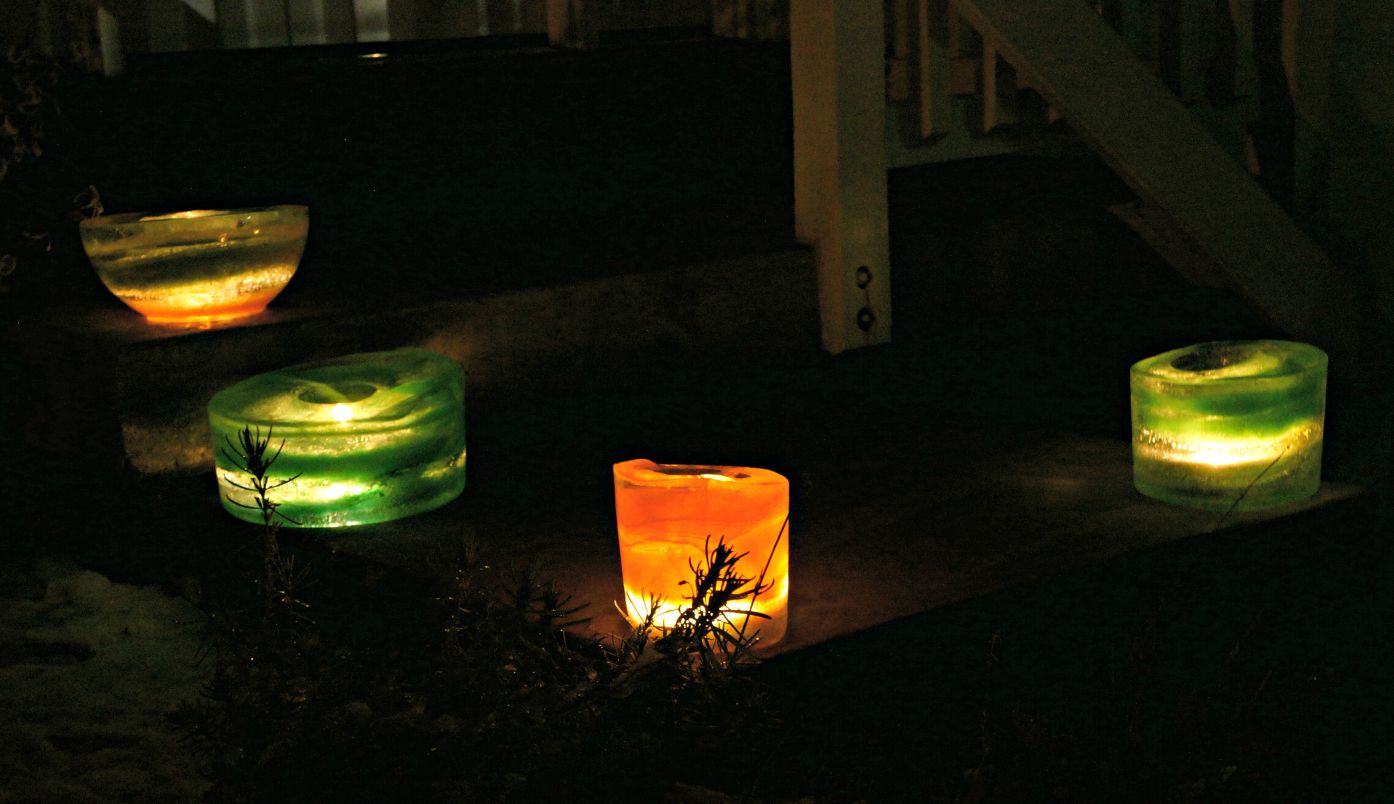
5 DIY Outdoor Lighting Projects for Backyard Evenings
Inexpensive DIY outdoor lighting—ice lanterns, hanging lanterns, glowing orbs, citronella setups, and thrifted candle lanterns—for safer, longer evenings outside.
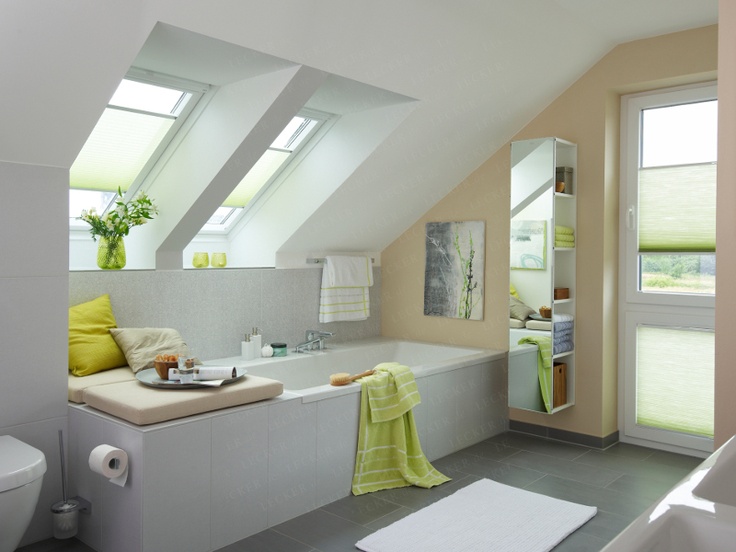
Attic Bathroom Design Ideas: Light, Layout, and Roof-Friendly Fixtures
Design ideas for converting an attic into an extra bathroom—working with slopes, skylights, wet-zone materials, eaves storage, and fixture placement.
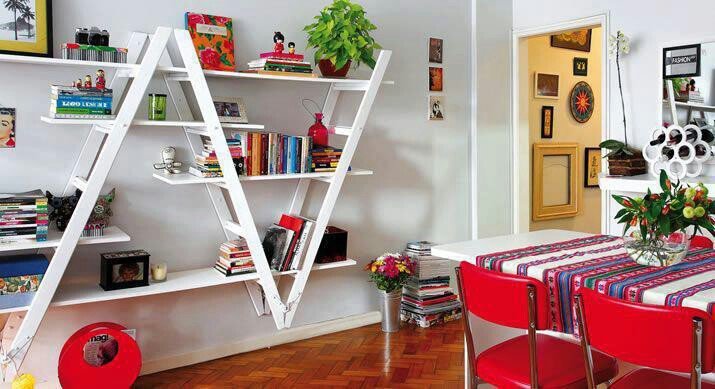
Ladder Shelving Repurpose Ideas: DIY Bookcases, Dividers & More
Turn an old ladder into shelving, a room divider, towel rack, or narrow desk—practical DIY steps, safety checks, and styling tips with photo ideas.