
Cool Messy Hairstyles for Women: Soft Ponytails, Braids, and Tousled Texture
How to wear intentional messy hair—high undone ponytails, loosened braids, textured buns, and product tips that keep the look styled rather than accidental.
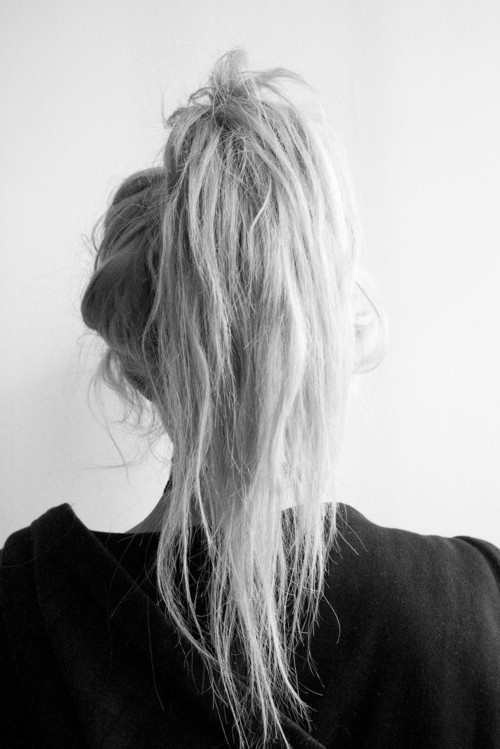
Messy hair is not the opposite of good hair. Done well, it is a deliberate texture: pieces left free at the hairline, a crown with volume instead of a hard part, and a finish that looks lived-in rather than sprayed into a shell. The look stayed popular through seasons for a simple reason—it flatters movement, softens features, and forgives a morning that started late.
What people mean by “messy” varies. Sometimes it is a high ponytail that refuses to sit perfectly round. Sometimes it is a braid that was loosened on purpose. Sometimes it is waves that were never brushed smooth. The shared idea is the same: controlled disorder. Enough structure that the style reads as intentional, enough looseness that it does not look like a salon mannequin.
What “messy” actually means
Polished styles chase symmetry—even parts, sealed ends, every strand accounted for. Messy styles chase silhouette and texture. You still need a shape: a height at the crown, a line at the nape, a place where the eye rests. What you skip is the compulsion to erase every flyaway.
That distinction matters if you have tried “messy” and ended up with flat, greasy, or simply unfinished hair. Accidental mess often collapses by midday. Styled mess uses product, placement, and a light touch so the softness lasts. Think of it as arranging fabric with some wrinkle left in, not dumping clothes on a chair.
Face shape and hair density change the recipe. Fine hair usually needs lift at the roots and a matte product that does not weigh strands down. Thick hair often needs a strong elastic or pins plus strategic thinning of the outline so the shape does not balloon. Curly and coily textures already carry beautiful irregularity; “messy” for those hair types may mean releasing a few face-framing coils or loosening a puff rather than forcing a beach-wave look designed for straight hair.
A high, undone ponytail
One of the most wearable messy styles is the high ponytail with a soft base—gathered near the crown, not yanked into a severe ballerina line. Leave a few shorter pieces around the temples and nape. Twist a small section of hair around the elastic to hide it, then gently tug at the crown so the top of the head looks fuller than the tail.
From the back, the look should feel airy: a knot or small loop at the base, then length that falls with uneven edges rather than a blunt, brushed cylinder. In black-and-white photography the texture becomes especially clear—individual wisps catch light while the overall mass stays soft. That is the target in real life, too: readable shape, visible life in the strands.
How to get there without looking chaotic:
- Start with second-day hair or add a light dry shampoo at the roots for grip.
- Brush only enough to remove knots; leave some natural bend.
- Gather high, secure with a soft elastic, then pull small sections at the crown upward and outward.
- Pull a few face-framing pieces free and twist them once so they look chosen, not forgotten.
- Finish with a light mist of flexible hairspray from arm’s length—never a helmet coat.
Other messy silhouettes worth knowing
The half-up knot. Take the top third of the hair, twist or loosely braid it, and pin it at the back of the head so ends poke out. The remaining length stays free. This works for workdays because the face stays open while the back keeps movement.
The loosened braid. A classic three-strand or fishtail braid, after you gently stretch each section sideways, reads softer and wider. Pull a few strands beside the ears free. The braid should look slightly tired in the best way—like you wore it through an afternoon, not like you just left a tutorial video.
The textured bun. Instead of a smooth chignon, twist hair into a low or mid bun and leave loops uneven. Pin from underneath so the surface stays irregular. A few escaped pieces at the nape keep it from looking costume-strict.
Air-dried waves. For medium to long hair, scrunch a sea-salt or wave spray into damp lengths, then leave it alone. When dry, separate curls with fingers, not a brush. The “mess” here is the refusal to polish every bend into identical S-curves.
Short and tousled. Pixies and bobs can look messy with root lift and piece-y ends. A pea-sized amount of paste warmed between the palms, then applied to the ends and a few crown sections, beats soaking the whole head in product.
Products that help (and ones that fight you)
Messy styles usually prefer matte or soft-hold formulas. Heavy shine serums can make intentional texture look oily. Dry shampoo, texturizing spray, light mousse, and flexible paste are the usual toolkit. Apply product where you need behavior—roots for lift, mid-lengths for separation—not as a full-head glaze.
Heat tools are optional. A large round brush can over-smooth the look you want. If you use a curling wand, wrap sections away from the face, leave the ends out, and break the curls apart once cool. The goal is broken pattern, not identical ringlets.
Color and cut also matter. Layers give messy styles somewhere to catch; a heavy blunt cut can look either sleek or triangular when you try to tousle it. If your hair always falls into one flat panel, ask for long layers or soft face-framing pieces so “messy” has architecture to hang on.
Occasion and outfit pairing
Messy hair pairs easily with casual clothes, but it also softens tailored looks. A crisp blazer beside an undone ponytail feels modern rather than neglected. For evenings, add a single polished detail—a slim earring, a clean lip—so the soft hair reads as contrast, not indifference. Avoid stacking too many “undone” signals at once: ripped denim, wrinkled shirt, and collapsing bun can tip from style into costume.
Weather is practical, not glamorous. Humidity may swell texture (often a gift for messy looks) or frizz past the silhouette you planned. Keep a small elastic and a travel spray in a bag. Wind loves high ponytails; a few extra pins at the crown save the shape without making it rigid.
Common mistakes
Pulling hair too tight at the scalp, then freeing random chunks, creates a contradiction—painful roots with a chaotic outline. Build softness from the start. Another mistake is washing and styling every morning from bone-dry, squeaky-clean hair; many messy looks need a little natural oil for grip. Finally, do not confuse “messy” with “unbrushed for three days.” Scalp care, clean ends, and intentional placement still apply.
If you only try one version this week, start with the high soft ponytail: second-day hair, crown tug, two face pieces, light spray. Check it from the back in a mirror or phone camera. When the silhouette looks full and the edges look alive—not sticky, not limp—you have the idea. Keep adjusting until the mess looks like a choice.

Comments
Continue reading
15 Vintage Wedding Hairstyles: Finger Waves, Bouffants, and Birdcage Veils
Fifteen vintage bridal hair looks—from 1920s finger-wave faux bobs to 1960s bouffants, victory rolls, and Hollywood waves with birdcage veils.
Vintage Hairstyles by Decade—Waves, Rolls, Flips, and Wearable Volume
A practical tour of 1920s waves through seventies feathers: silhouettes, tools, and how to wear period hair without a full costume.
Elegant Updo Hairstyles: Braids, Buns, and Soft Coils
Polished updos that stay wearable—braided structure, low knots, texture tips, and how to match the silhouette to neckline and occasion without looking overdone.