
5 DIY Outdoor Lighting Projects for Backyard Evenings
Inexpensive DIY outdoor lighting—ice lanterns, hanging lanterns, glowing orbs, citronella setups, and thrifted candle lanterns—for safer, longer evenings outside.
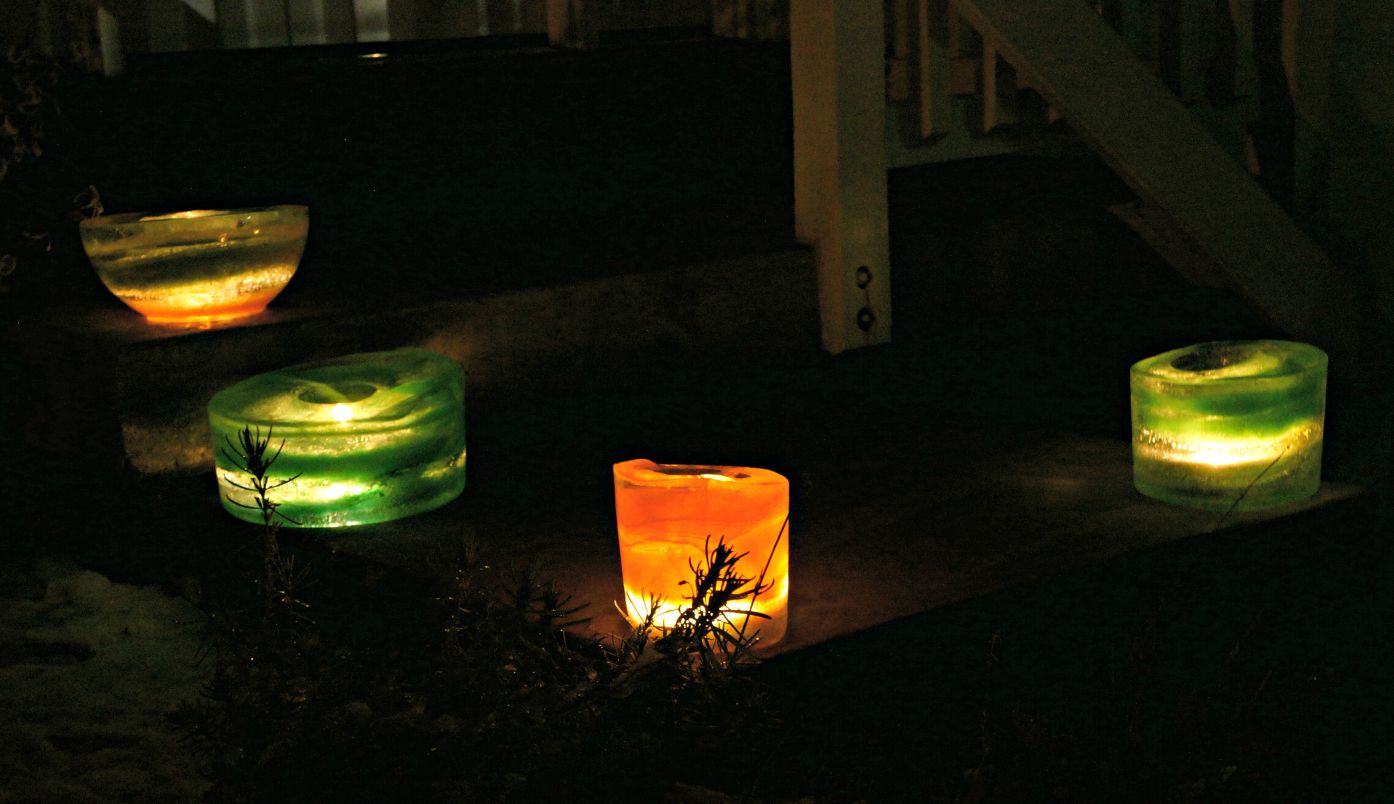
Warm evenings invite people outdoors, but a dark patio or path cuts the gathering short. Outdoor lighting does not have to mean hiring an electrician for permanent fixtures. Five inexpensive DIY approaches—ice lanterns, hanging lanterns, glowing orbs, citronella candle setups, and thrifted candle lanterns—can change how a yard feels after sunset without a landscape lighting contract.
Use flame and battery lights with care. Keep open flames away from dry brush, decks that catch sparks, and curious pets. Follow local fire rules. For anything involving household wiring, outdoor-rated fixtures, GFCI protection, and local codes matter; this article focuses on decorative, temporary, and craft-scale lighting rather than permanent hardwired installs.
1. Ice lanterns for cold-weather glow
Ice lanterns turn winter or early-spring evenings into something soft and temporary. The basic method freezes water in nested containers so a hollow forms in the center for a candle or battery tea light. When you unmold the ice, you get a translucent vessel that throws patterned light across snow or a porch step.
Choose containers you already own: a large bucket and a smaller jar weighted so it stays centered while freezing. Fill the gap with water. Add cranberries, evergreen sprigs, or citrus slices for color if you want a festive look—keep decorations food-safe if kids might touch melting ice. Freeze solid. Run warm water briefly over the exterior to release the mold. Set the lantern on a stable, non-flammable surface outdoors.
Battery lights are the safer default on wooden decks or where wind is unpredictable. If you use real candles, choose short, stable votives, never leave them unattended, and melt-check as temperatures rise. Ice lanterns are seasonal by nature; plan them for nights below freezing, and treat meltwater as part of the design rather than a failure.
Cluster several along a walkway or group three on a table for a stronger effect than a single lonely glow. Photographers love them; hosts love that cleanup is mostly water.
2. Hanging lanterns for trees, hooks, and porches
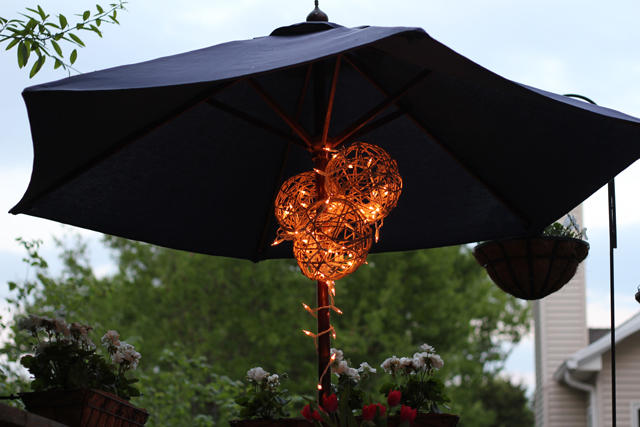
Hanging lanterns lift light off the ground so paths and seating areas feel defined. DIY versions range from paper or fabric shades around battery LEDs to metal or wood frames that hold jars. The shared goal is a soft pool of light at eye level or just above, without glare into neighbors’ windows.
Start with a light source that is outdoor-sensible. Battery LED candles and solar lantern inserts avoid cords across lawns. If you use plug-in string lights inside a DIY shade, keep connections dry, use outdoor-rated cords, and plug into a GFCI outlet. Never run indoor-only wiring through wet grass.
Build or adapt a shade that diffuses rather than blinds. Frosted jars, punched tin, translucent paper rated for the heat of your light source, and thrifted lantern bodies all work when proportioned to the bulb or candle inside. Hang from shepherd hooks, sturdy tree limbs with soft straps that do not girdle bark, porch beams, or pergola rafters. Check wind load; a heavy lantern on a weak hook becomes a hazard.
Place lanterns to mark edges: steps, seating corners, garden beds you do not want guests to step into. Consistency of height and spacing reads as intentional; random heights can still look charming if finishes match.
3. Glowing orbs for lawn and garden beds
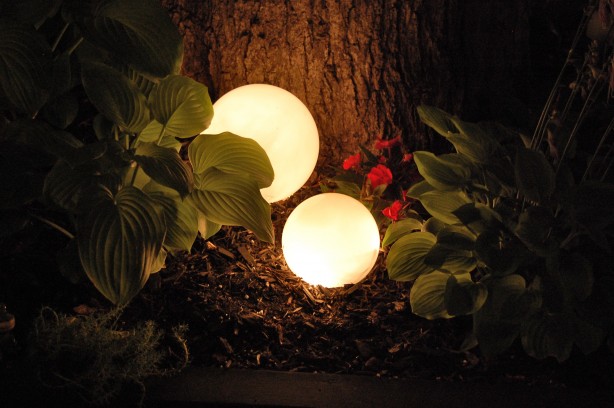
Glowing orbs are the DIY answer to those spherical garden lights that look expensive in catalogs. Common craft approaches wrap translucent materials—balloons with tissue or yarn and adhesive, plastic spheres, or large glass vessels—around a light source so the whole form glows rather than showing a bare bulb.
Whatever method you choose, prioritize materials that tolerate outdoor moisture for the length of an evening or a season. Temporary party orbs can be lighter; longer displays need UV-tolerant plastics or sealed finishes. Put the light source on a timer or use solar modules so you are not hunting switches in the dark.
Scatter orbs through a bed or along a patio perimeter rather than lining them up like runway lights. Odd numbers often look more natural. Keep pathways clear enough that guests do not trip. If children play in the yard, avoid glass and secure cords.
Orbs pair well with hanging lanterns: spheres near the ground, lanterns above. Together they create depth instead of a single flat wash of light. For a quieter aesthetic, stick to one color temperature—warm white across all DIY lights—so the yard does not look like a mixed hardware aisle.
4. Citronella candles with a polished setup
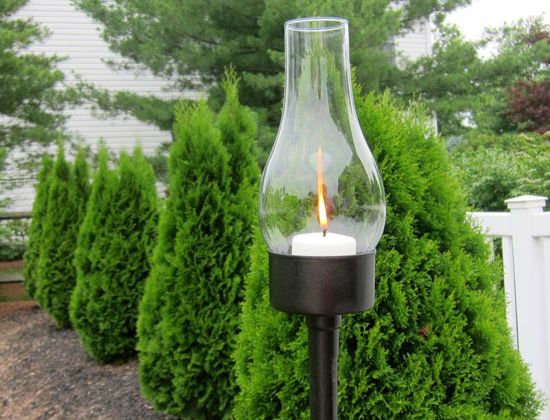
Citronella is not magic armor against every mosquito, but scented candles and oil lamps remain a popular backyard staple when evenings bring insects. The DIY upgrade is presentation: instead of a lonely tin on a table, build or style holders that look deliberate—grouped vessels, elevated stands, or coordinated jars that double as ambient light.
Use stable, heat-safe containers on non-flammable surfaces. Keep flames away from umbrellas, dry wreaths, and table runners. Extinguish before going indoors. If you pour your own candles, follow wax and wick safety guidance from reputable craft sources; oversized wicks and unstable jars cause messes and fire risk.
Place citronella where people sit, not only at the far edge of the lawn. Air movement matters; a slight breeze can carry scent away from the gathering. Combine candles with fans, screened seating, or covering food when bugs are heavy—lighting alone rarely solves a serious mosquito evening.
Visually, warm citronella light works as the “table lamp” of the patio while ice lanterns or orbs handle the landscape. That division of labor keeps the DIY kit from feeling like one idea repeated five times.
5. Thrifted and upcycled outdoor candle lanterns
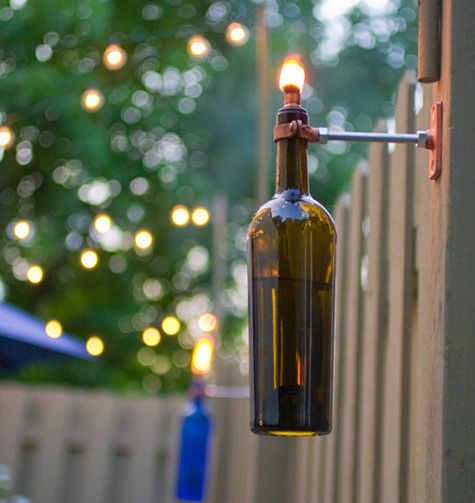
Thrift stores and curb finds are rich with lantern bodies, metal cages, glass chimneys, and odd vessels that become outdoor candle holders with minimal work. Clean thoroughly. Remove rust that flakes into wax. Check that doors latch and glass is intact enough not to shatter from heat.
Refresh with outdoor-rated spray paint if you want a unified color across mismatched finds. Mask glass. Let finishes cure fully before lighting anything inside. Add sand or gravel in the base so votives sit level. For battery candles, thrifted lanterns become worry-free porch décor you can leave out longer.
Hang or set lanterns at different heights along a fence or stair. A single dramatic thrifted piece can anchor a table; a row of smaller ones can line a railing. The charm is the mix of ages and shapes, tied together by consistent light color and placement rhythm.
Budget stays low because the “fixture” is secondhand. Your time goes into cleaning, safe assembly, and deciding where light will actually help people move and linger.
Planning a backyard lighting mix
Think in layers. Path and edge light keeps people safe. Table and seating light makes faces and food visible. Accent light—orbs, ice lanterns, a thrifted piece in a garden bed—adds atmosphere. You do not need all five projects on night one. Pick one layer that your yard lacks most, finish it cleanly, then add another.
Test placements at dusk before you commit to hooks and paint. What looks bright at noon often disappears after sunset, and what looks subtle at 4 p.m. can glare at 9. Walk the route guests will take. Fix trip hazards before you add beauty.
Store seasonal pieces—ice molds, paper shades, unfinished thrift projects—so next summer starts faster. Outdoor lighting DIY rewards people who treat the yard like a room: clear purpose for each glow, respect for fire and weather, and enough light that conversation lasts past dark.
Inexpensive does not mean careless. With ice lanterns, hanging lanterns, glowing orbs, citronella setups, and thrifted candle lanterns, you can host under a sky that feels designed—without waiting for a permanent lighting renovation.

Comments
Continue reading
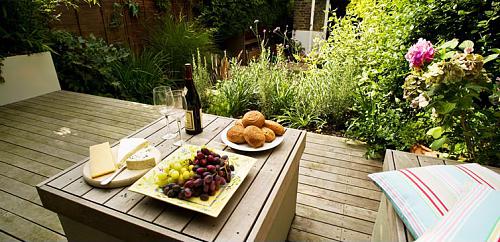
10 Small Garden Design Ideas That Make a Tiny Yard Feel Like a Room
Ten compact-garden strategies: deck dining, bold furniture against green screens, outdoor cinema, cottage paths, built-in lounges, layered lighting, courtyard mirrors, and indoor–outdoor flow.
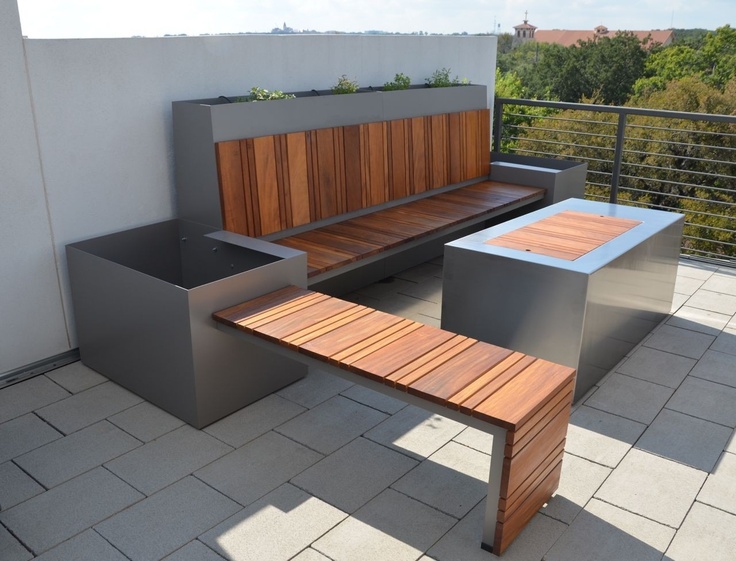
Comforting Outdoor Bench Designs for Gardens and Backyards
Choose outdoor benches that invite real sitting—seat height, weather-ready materials, cushions, placement for light and view, and styles from wood to built-in masonry.
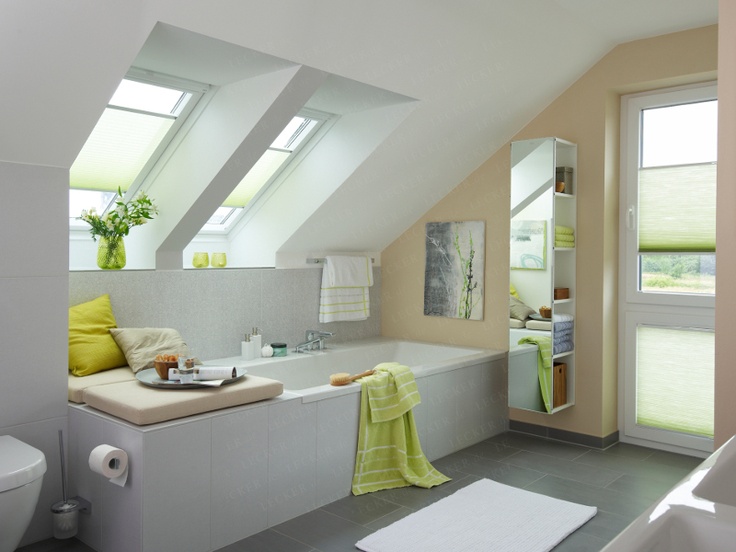
Attic Bathroom Design Ideas: Light, Layout, and Roof-Friendly Fixtures
Design ideas for converting an attic into an extra bathroom—working with slopes, skylights, wet-zone materials, eaves storage, and fixture placement.