
Coastal Style Home Decoration: Light, Texture, and Edited Beach-House Calm
Bring coastal living indoors with pale palettes, weathered materials, soft textiles, and accessory edits that feel breezy—not souvenir-shop themed.
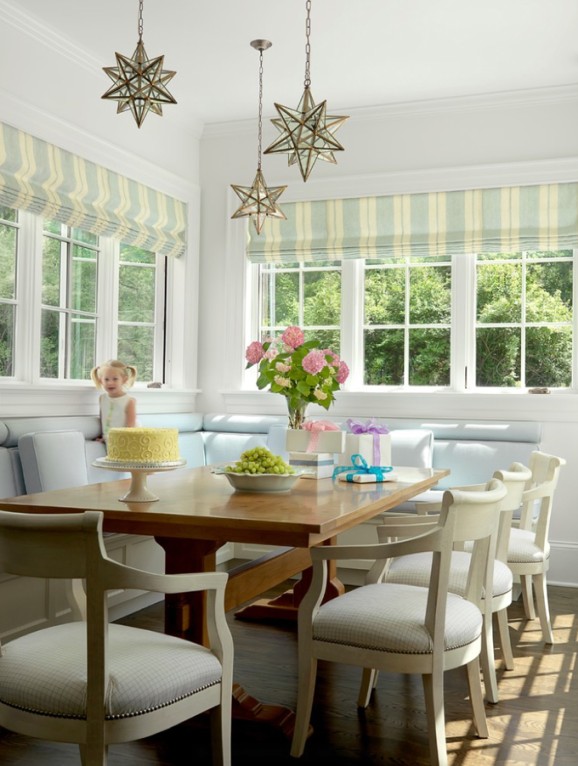
Coastal style is less about nautical costumes and more about light, air, and materials that feel touched by salt and sun. You do not need an ocean view to borrow the mood. Soft neutrals, washed woods, open weaves, and a palette that recalls sand, sea glass, and sky can calm an inland apartment as effectively as a beach cottage—if you edit hard and refuse souvenir-shop clutter.
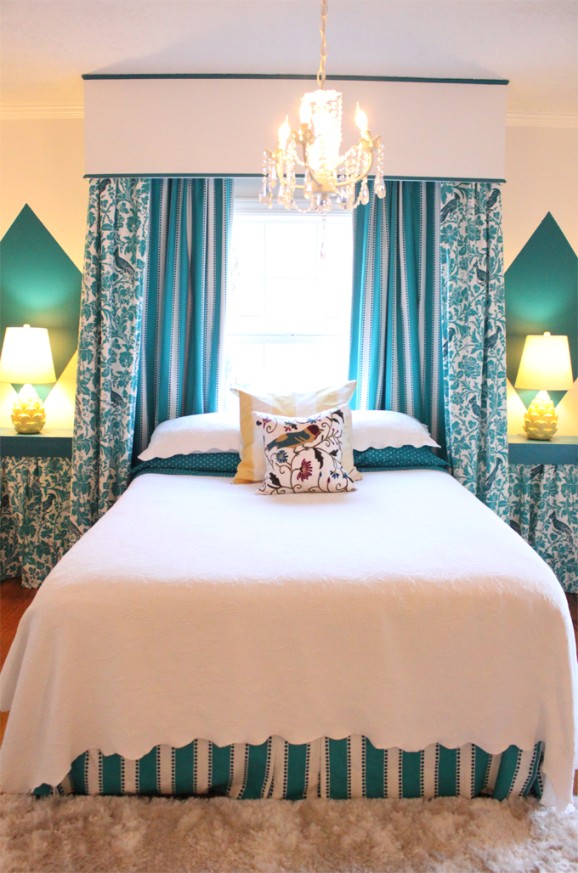
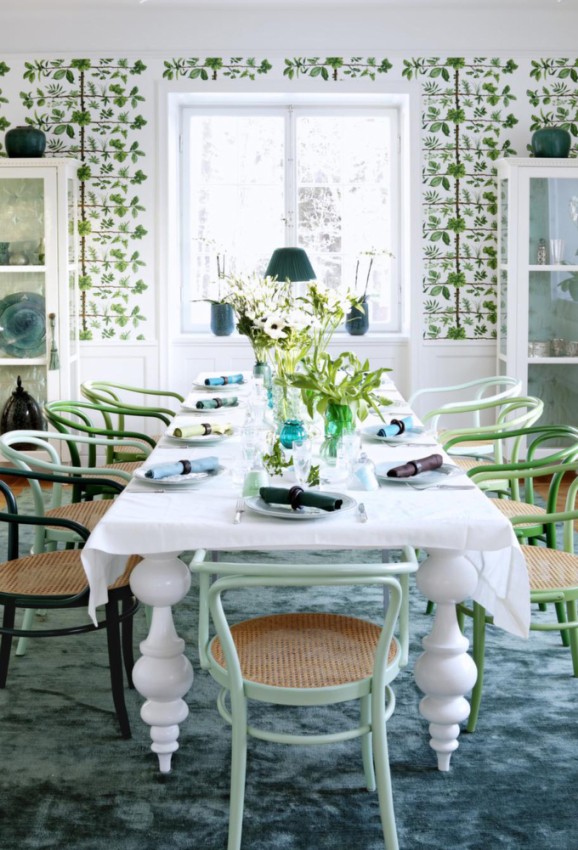
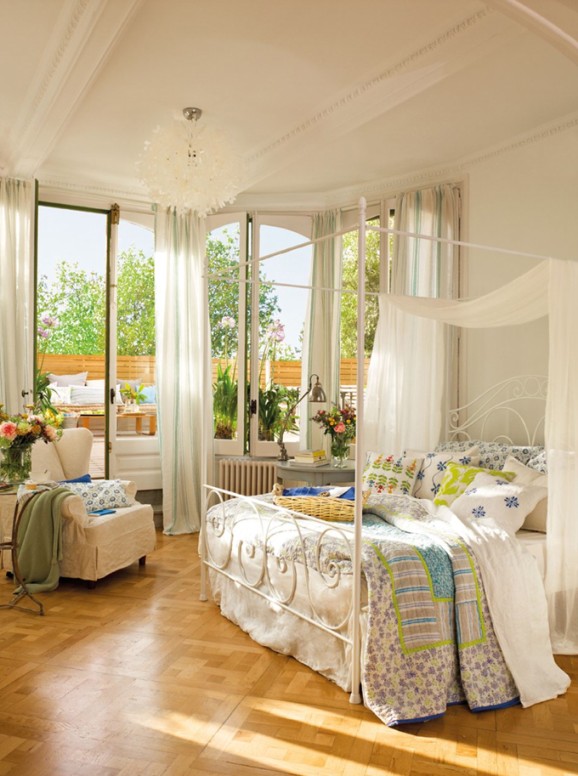
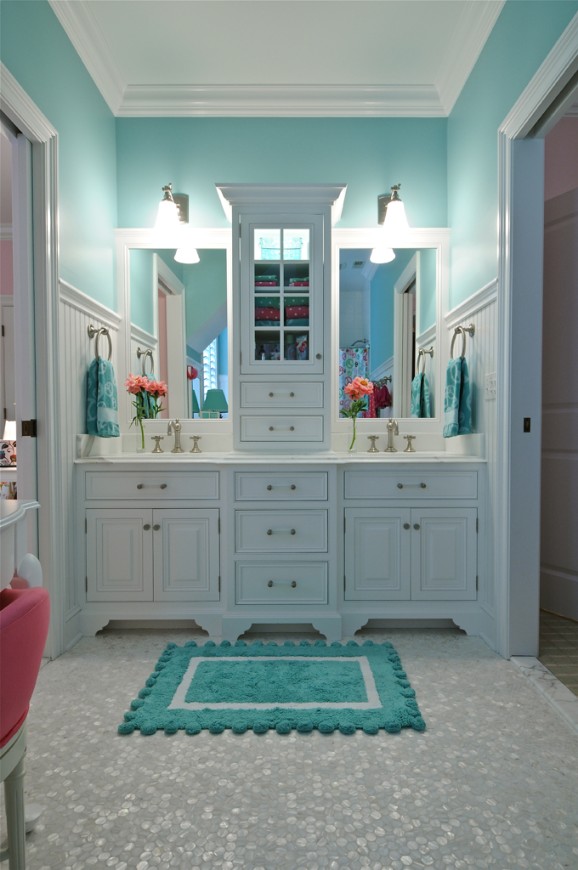
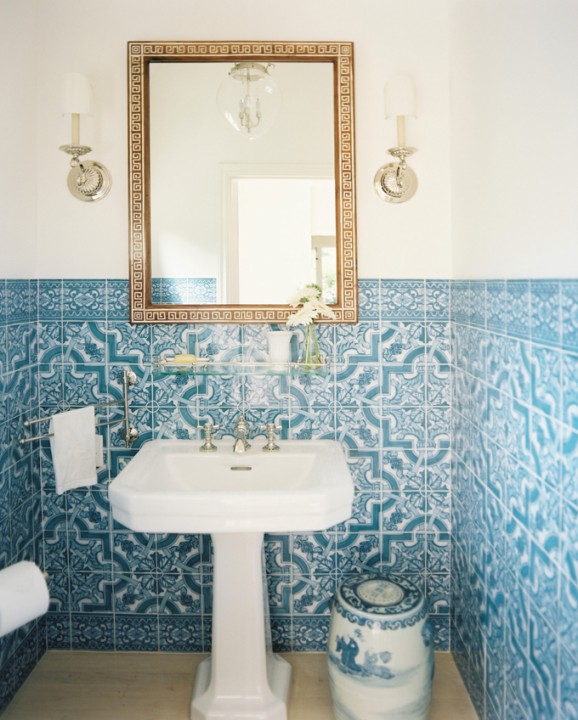
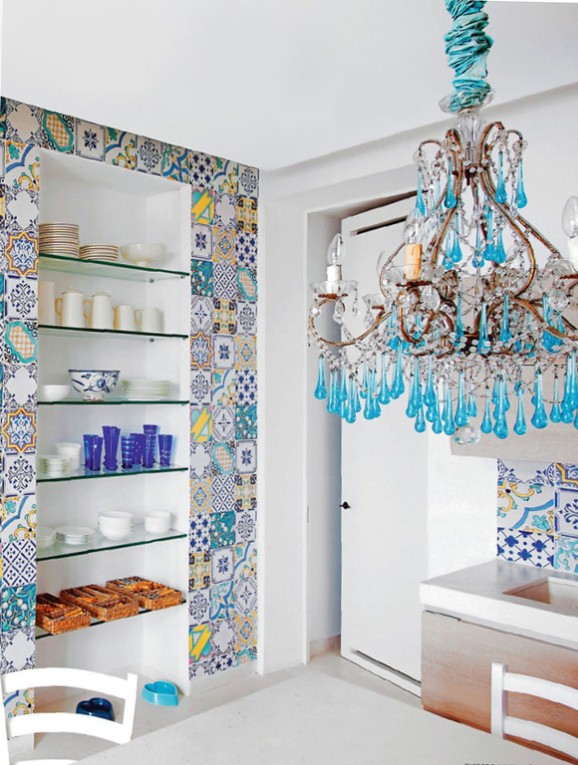
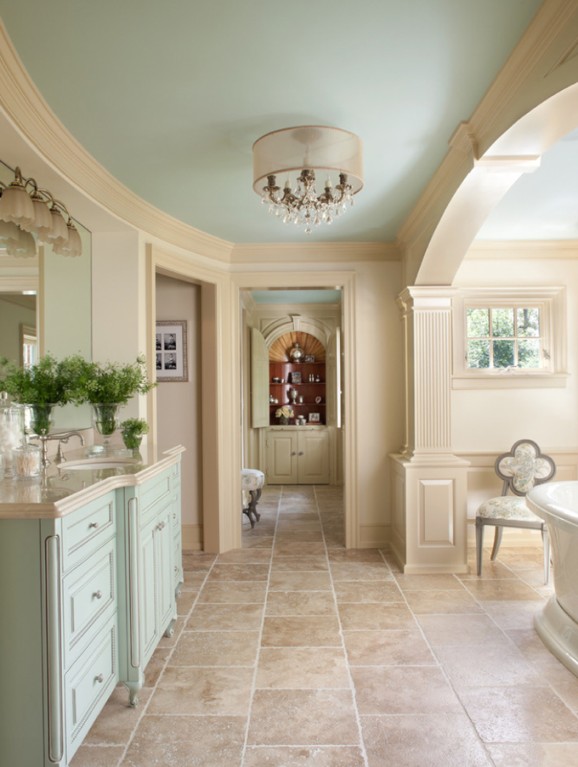
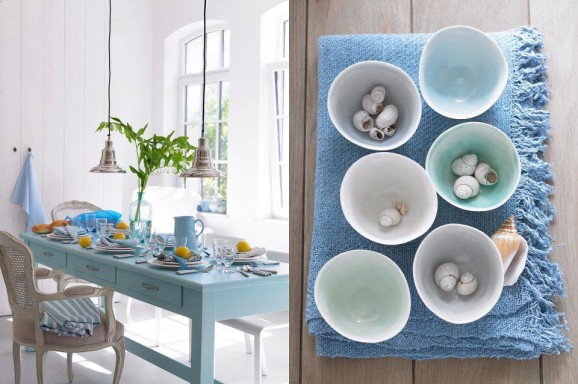
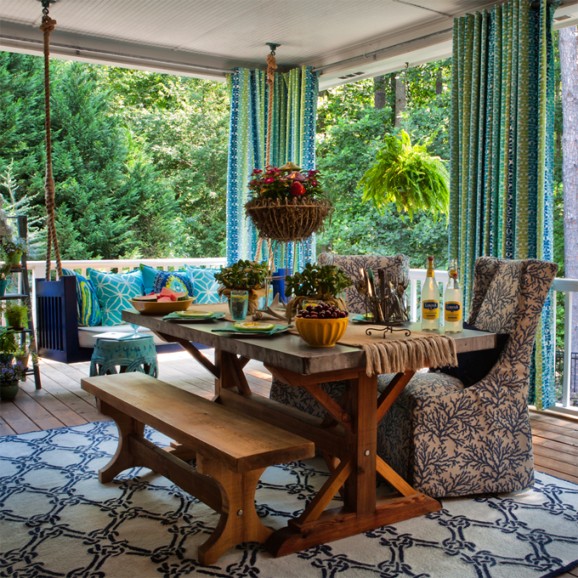
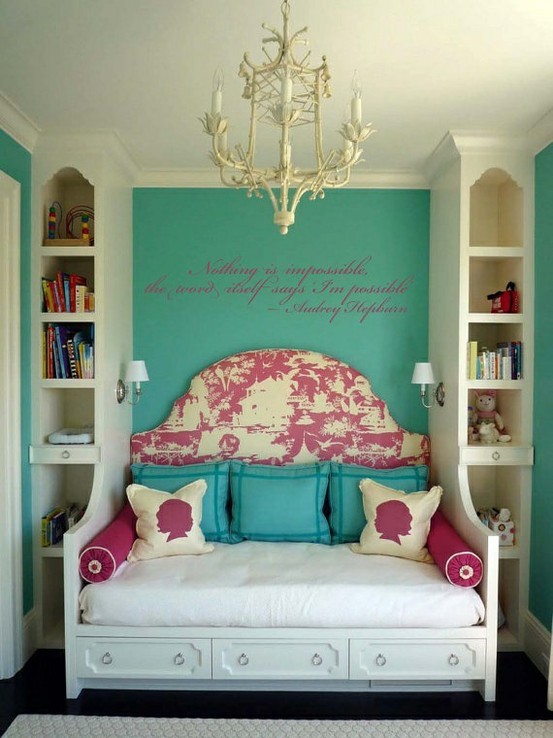
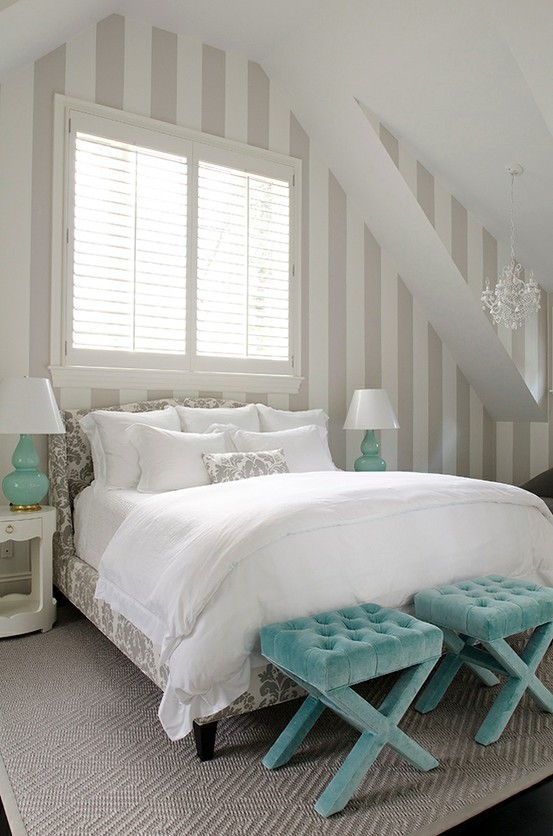
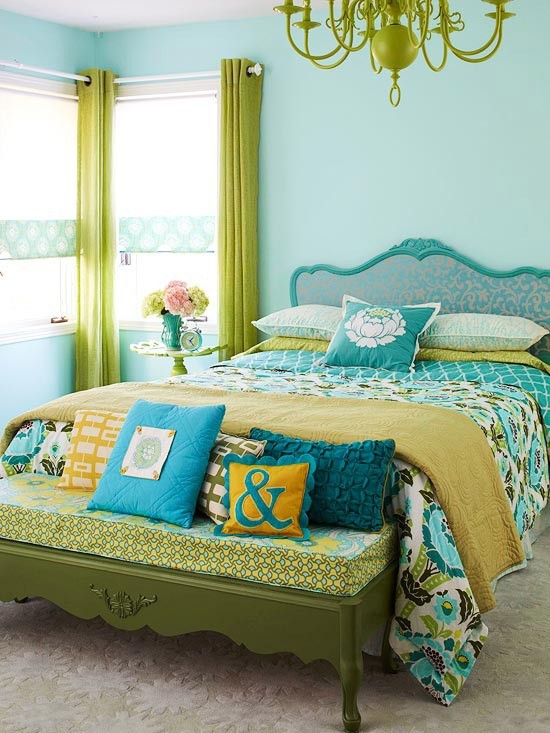
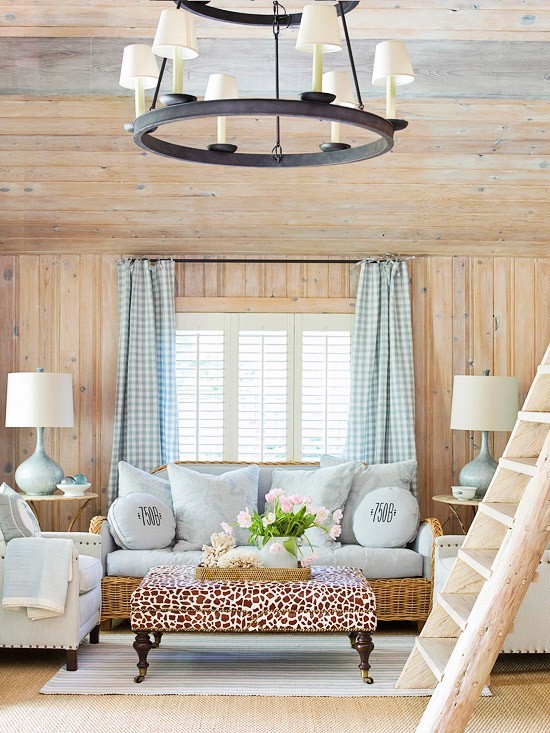
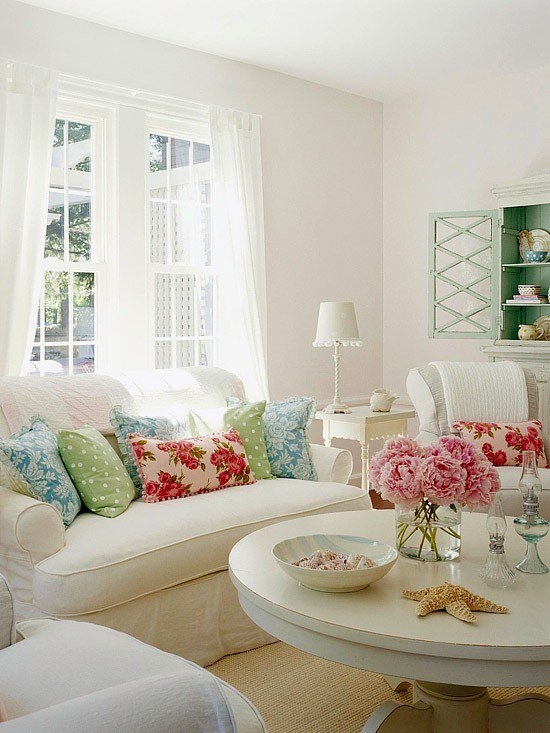
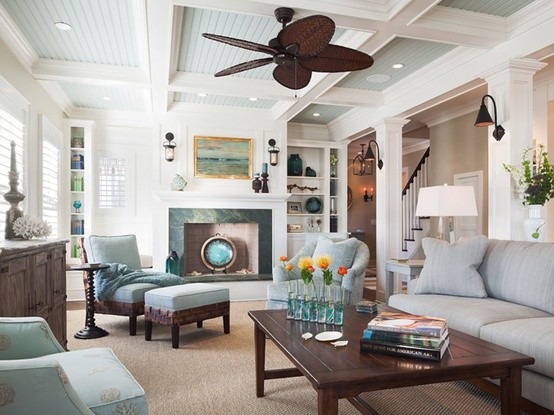
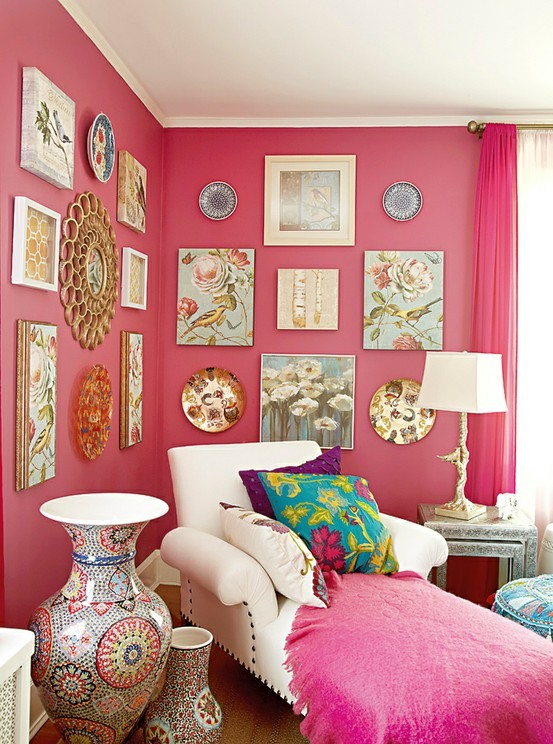
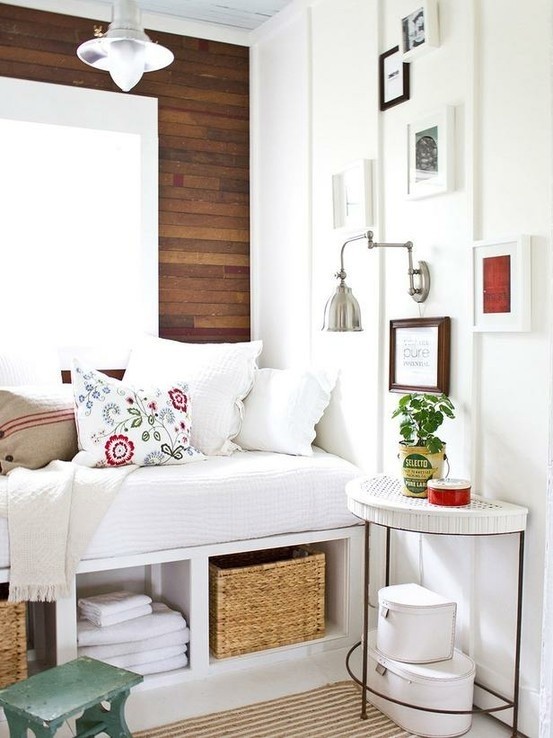
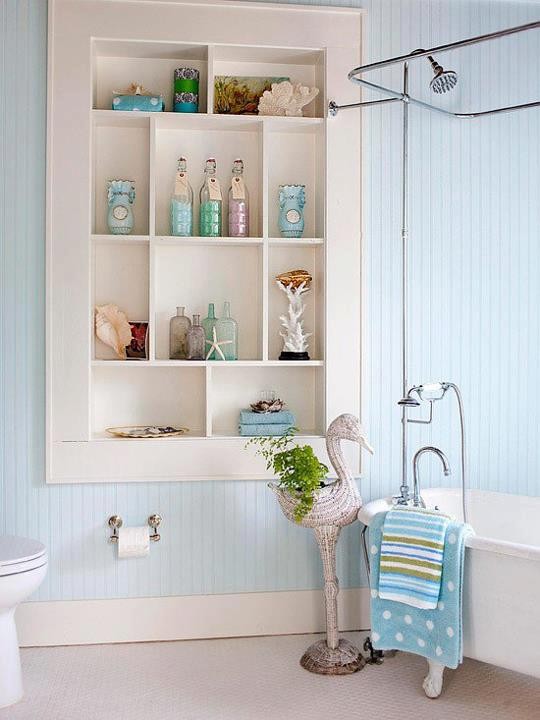
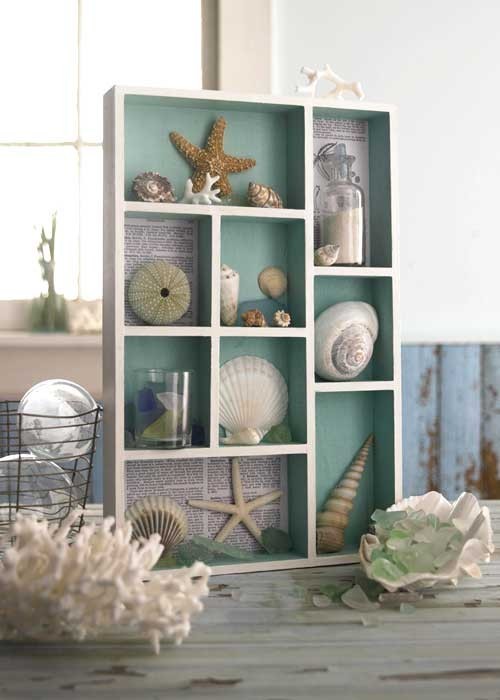
The photographs in this gallery show rooms that leave space for daylight. Notice how little literal maritime décor they need. The strongest coastal interiors read as breezy living, not themed sets. Use the images as tone references while you decide what to paint, what to soften, and what to remove.
We all dream of coastal living, so bring the sand and sea into your home decor with these inspirational decoration ideas.
Start with light and a quiet palette
Coastal rooms usually begin with brightness. Soft white, warm ivory, pale sand, and muted blue-gray on walls bounce daylight and keep furniture from feeling heavy. If full white feels clinical, choose a warm off-white and add depth with one quieter hue on a single wall, inside a bookcase, or on cabinetry. Ceiling paint a shade lighter than the walls can lift a low room without a renovation.
Keep contrast gentle. Charcoal accents can sharpen a silhouette, but black everything fights the airy brief. Let textiles and wood carry most of the variation. When you want color, prefer faded blues, seafoam, soft coral, or sage—colors that look sun-bleached rather than saturated from a paint chip under store fluorescents. Test samples at morning and evening; coastal palettes shift with the hour.
Window treatments should edit light, not erase it. Sheer linen, cotton, or light-filtering shades keep glare manageable while preserving brightness. Heavy drapes can still work in bedrooms if they are pale and layered over sheers so daytime remains soft. Avoid dark, dense panels in the main living area unless you need blackout for shift sleep—and even then, keep the face fabric light.
Choose materials that feel weathered, not fake
Natural materials do more for coastal style than printed motifs. Think rattan, cane, seagrass, jute, unfinished or whitewashed wood, linen, cotton slipcovers, and stone or ceramic with a matte finish. A jute or sisal rug under a pale sofa instantly softens a room and forgives sandy footprints better than a precious high-pile carpet.
Wood tones should look sunned: driftwood gray, light oak, or painted furniture with a soft sheen rather than high-gloss cherry. Distressed finishes work when they look earned; avoid cartoon “pirate ship” distressing that shouts factory novelty. Wicker side tables and woven pendant lights add texture without visual noise. If budget is tight, one good woven piece beats five plastic imitations.
Metal accents stay light—brushed nickel, aged brass in small doses, or painted hardware. Too much shiny chrome can tip the room toward yacht-club costume. Mix one warmer metal with mostly matte surfaces if you need a little evening glow. Glass should feel simple: clear jars, plain vase shapes, nothing etched with anchors unless that object already has personal meaning.
Furniture: low stress, easy to live with
Coastal furniture favors comfort and clean lines over heavy carving. Slipcovered sofas, simple wooden coffee tables, and open shelving keep rooms feeling breezy. Leave walking paths clear; crowded floor plans kill the coastal illusion faster than the wrong throw pillow. If a room feels “off,” remove one piece before you buy another.
Scale matters. Oversized dark sectionals swallow light. If you already own a dark sofa, lighten it with pale throws, a lighter rug, and brighter walls rather than replacing everything at once. Mix one statement woven chair with simpler upholstery so texture has a place to land. Ottomans in natural fiber or washed cotton can add seating without visual weight.
In dining areas, a light wood table and slipcovered or woven chairs echo beach-house meals without requiring a theme. Keep centerpieces low—a bowl of honestly collected shells, a ceramic vase with greenery, or a simple candle cluster—so conversation and sightlines stay open. Matching formal china is optional; mismatched pale ceramics often feel more coastal than a rigid set.
Textiles that soften hard edges
Layering is the coastal decorator’s quiet skill. Combine a flatweave or jute rug with a smaller cotton rug in a reading corner if you need warmth underfoot. Use washed linen or cotton duvet covers in bedrooms, and keep patterns large and faded—soft stripes, subtle ikat, or solid textures—rather than tiny busy prints that vibrate against white walls.
Pillows should vary in weave more than in slogan. A few indigo or soft blue pillows against sand-colored upholstery is enough. Avoid stacking every marine motif in one seating group. One framed coastal photograph or a single sculptural natural object beats ten novelty pieces fighting for attention.
Bathrooms respond to the same logic: white or sand towels, a woven hamper, pale tile or painted wood, and a plant that likes humidity. The spa feeling of coastal baths comes from cleanliness, light, and uncluttered counters—not from shell-shaped soap dishes alone. A simple striped hand towel can nod to the shore without turning the sink into a gift shop.
Accessories: edit harder than you collect
Coastal decoration fails when every surface becomes a beach gift shop. Choose a few honest objects: a bowl of collected shells, a piece of driftwood, sea glass in a clear jar, or art that shows water, dunes, or sky without cartoon fish. Group objects in odd numbers and leave negative space around them. Empty space is part of the style, not a failure to decorate.
Books with linen or cloth covers, ceramic lamps with simple shades, and mirrors that bounce light all support the look. Mirrors opposite windows amplify daylight—especially useful in inland apartments chasing a coastal mood. Rotate accessories seasonally if you enjoy change; store the extras rather than displaying everything at once.
Plants matter. Grasses, olive trees, palms scaled to the room, or simple green cuttings in clear glass read more coastal than a dense jungle of competing houseplants. Keep planters matte ceramic, terracotta, or woven. Overly glossy plastic pots undercut the natural-material story you are trying to tell.
Room-by-room shortcuts
- Living room: pale walls, jute rug, slipcovered seating, one woven accent chair, limited blue textiles, clear paths.
- Bedroom: white or sand bedding, linen curtains, light wood nightstands, soft lamp light, one quiet art piece.
- Entry: console with a tray for keys, a mirror for light, and one coastal photograph—nothing more on the surface.
- Kitchen: open a few shelves if you can, keep front-facing ceramics pale, swap dark towels for sand or stripe.
- Porch or balcony: weather-ready woven chairs, a pale outdoor rug, lanterns instead of cluttered décor.
A weekend path if you cannot renovate
Day one: clear surfaces, donate novelty décor that only “reads beach” because of a printed slogan, and wash or replace the main window sheers. Day two: paint or thoroughly clean the dominant wall color if needed, roll out a lighter natural-fiber rug, and restyle one vignette with three honest objects and empty space around them. Live with that for a week before buying more. Coastal style rewards patience; the rooms in this gallery feel calm because something was left out, not because everything coastal was brought in.
If you change only three things this month, change wall lightness, the main rug, and window sheerness. Those three shifts do more than a cart of shell candles. More light, fewer props, materials that look like they could survive a salty breeze—even if your breeze is only from an open apartment window.

Comments
Continue reading
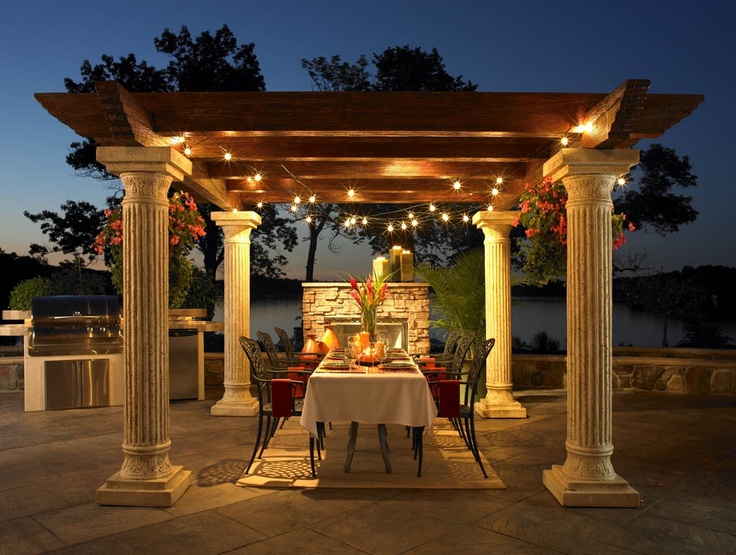
13 Outdoor Pergola Design Ideas for Backyards, Patios, and Gardens
Thirteen outdoor pergola ideas—from vine-covered walkways and poolside shade to modern dark frames and dining pavilions—to help you plan a backyard structure that fits your home.
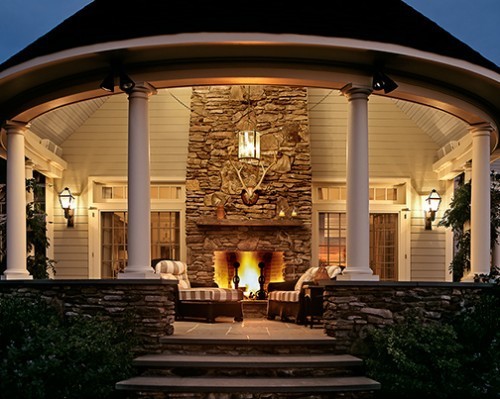
Fabulous Fireplace Ideas: Modern, Classic & Rustic Hearths
From flush modern surrounds to classic mantels and textured stone, fireplace ideas that help you choose materials, proportion, and styling for your home.
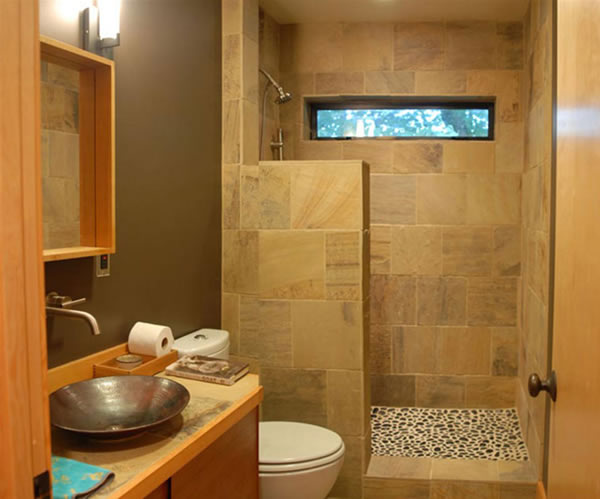
15 Small Bathroom Design Ideas That Make Compact Spaces Feel Larger
Fifteen compact bathroom layouts—floating fixtures, glass showers, continuous tile, and daylight tricks—that stretch a small footprint without looking sparse.