
Clever Tricks to Light a Home Office: Overhead, Bias, Daylight, and Task Layers
How to fix dim or glare-heavy home offices with layered lighting—ceiling ambient, monitor bias LEDs, controlled daylight, and adjustable task lamps.
A home office only works when your eyes can work. Too little light and the room feels like a cave you endure. Too much uncontrolled glare and the screen becomes a mirror you argue with. Lighting is not decoration bolted on after the desk arrives. It is part of how the desk functions.
Whether you write, design, study, or take calls all day, the goal is the same: enough light to stay alert, soft enough to avoid strain, and flexible enough for morning sun, cloudy afternoons, and evening deadlines. A few deliberate tricks usually beat one harsh ceiling bulb and a hope.
Build a base with overhead light
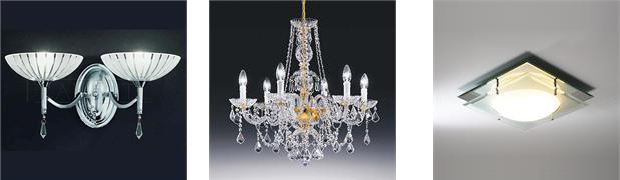
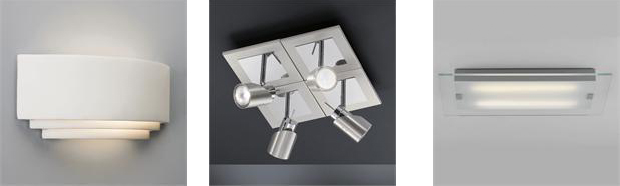
Start with ambient light that fills the room without spotlighting your retinas. A ceiling fixture, flush mount, or discreet chandelier can provide that base layer. In smaller rooms, a ceiling fan with an integrated light kit can combine air movement and general illumination—useful when a closed office heats up during long sessions.
Choose diffusers or shades that soften the bulb. Bare high-wattage glare creates hard shadows and makes screens harder to read. Aim for even wash across the floor and walls so your pupils are not constantly adjusting between a bright desk and a dark corner.
Placement matters as much as brightness. Overhead light slightly behind or above the seating position usually causes less monitor glare than a lamp aimed straight at the display. If you can dim the fixture, you gain evening options without buying a second system.
Add bias light behind the monitor
If you stare at a screen for hours, the contrast between a bright display and a dark wall tires your eyes. LED strips or adhesive bias lights mounted on the back of the monitor throw a gentle glow onto the wall behind it. That glow raises the surrounding luminance so your eyes stop fighting the rectangle of the screen alone.
Neutral white is the safest default for long workdays. Colored LEDs can be fun for evening atmosphere, but saturated blue or red can distract during detail work and throw odd casts onto papers beside the keyboard. Many strips stick on with pressure-sensitive adhesive; clean the monitor back first so the strip stays put.
Keep the bias light subtle. It should be felt more than noticed. If the wall behind you becomes a light show, turn it down or switch to a warmer, dimmer setting after hours.
Manage daylight instead of fighting it
Natural light improves mood and color perception, but unmanaged sun can wipe out a display with glare. Place the desk so bright windows sit to the side when possible, not directly behind the monitor or directly behind your head (which turns you into a silhouette on camera and floods the screen).
Translucent roller shades, light curtains, or adjustable blinds let you keep daylight while cutting the sharpest beams. Sheer layers diffuse; denser layers block. Many people need both: sheer for daytime focus, heavier drape for late-afternoon sun angles.
Revisit the setup seasonally. Winter sun sits lower and can sneak under a shade that worked in July. A two-minute shade adjustment often fixes a problem that feels like a hardware failure.
Place task lights with intention
Task lighting is the adjustable beam for reading, sketching, handwriting, or keyboard work when ambient light is not enough. A desk lamp with an articulated arm earns its keep because you can aim it at paper without aiming it at glass.
Try angles before you commit. Light from the side opposite your writing hand reduces shadows under the palm. Bounce the beam off the desk surface or a nearby wall if direct light feels harsh. If the lamp creates a bright hotspot on the monitor, lower it, rotate it, or add a shade.
Bulb choice shapes comfort. Many people prefer a neutral white for daytime focus and a warmer tone for evening wind-down. If your lamp allows interchangeable bulbs or a tunable LED, match color temperature to the task: cooler for alert detail work, warmer for reading that should not feel clinical.
Avoid aiming a bright task lamp into your face during video calls. Light your face from the front or front-side with a soft source, and keep the background slightly dimmer so you do not become a silhouette.
Layer lights around the room
One or two sources rarely cover a full workday. Layering means ambient + task + a little accent or bias light, controlled separately. With multiple switches or plugs, you can run bright mode for morning admin, softer mode for deep focus, and low mode for late email without waking the whole household aesthetic.
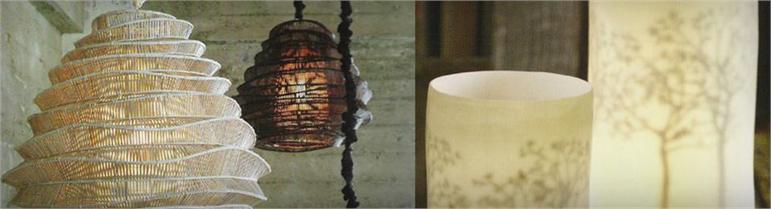
Spread fixtures so the room does not have a single hot pool of light and a ring of gloom. A floor lamp in a corner, a shelf picture light, or a modest wall sconce can erase that cave feeling behind you. Distributed light feels more natural than one blazing overhead.
Smart plugs or simple dimmers help if rewiring is out of reach. The clever trick is control, not gadget count. Three lamps you can dim beat six lamps you always leave on full.
Fix common lighting mistakes
- Only the monitor for light. Raises eye strain; add bias and ambient layers.
- Window directly facing the screen. Creates glare; rotate the desk or diffuse the window.
- Overhead alone at night. Feels flat and institutional; add a warmer task lamp.
- Decorative bulbs too dim for work. Pretty is fine after hours; keep a real task source for deadlines.
- Mixed color temperatures fighting each other. Pick a family of whites for work mode so skin, paper, and screen do not look oddly tinted.
A quick setup checklist
- Set overhead ambient light for even room fill.
- Add dimmable bias light behind the monitor.
- Control daylight with sheer or translucent coverings.
- Place an adjustable task lamp for paper and detail work.
- Add one secondary source so evenings are not a single spotlight.
- Test at 9 a.m., 2 p.m., and 8 p.m.; adjust angles until glare disappears.
Spend one evening with a notepad and walk those three times of day. Mark where reflections hit the screen, where your notebook falls into shadow, and where the corners go dead. Move one lamp, change one shade, dim one layer. Small corrections compound.
When the room finally feels easy to enter at any hour, you will know the lighting is doing its job—not calling attention to itself, just letting the work stay visible.

Comments
Continue reading

Funny Animal Signs That Warn People (While Animals Ignore Them)
From a seagull on a no-birds disc to classic zoo and park ironies—why animal warning signs get funny, and what the rules are still for.
How to Find Local Amenities on Vacation: Mechanics, Haircuts & More
Locate trustworthy local services and everyday spots while traveling or settling in—using publications, reviews, map apps, neighbor tips, and low-pressure exploration.

Kristen Stewart for V Magazine, Spring Preview 2013
V81’s Wild at Heart cover story—Kristen Stewart shot by Inez & Vinoodh, styled by Joe McKenna, in pale minimal spring glamour.