
Charmed Jewelry: Building a Bracelet That Tells Your Story
How sentimental charms—pets, travel, family lettering, and shared hearts—turn a modular bracelet into wearable autobiography.
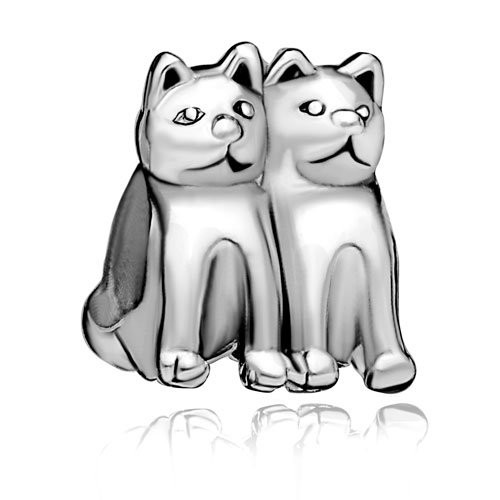
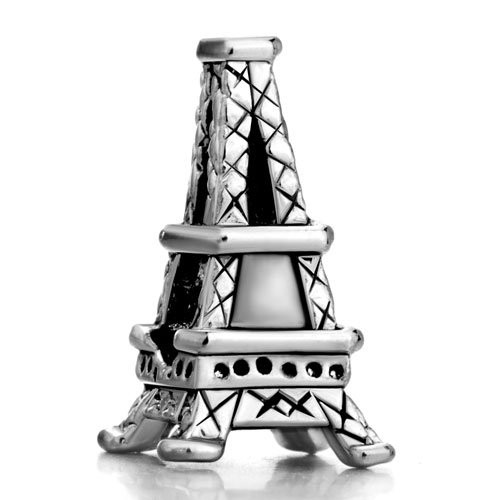
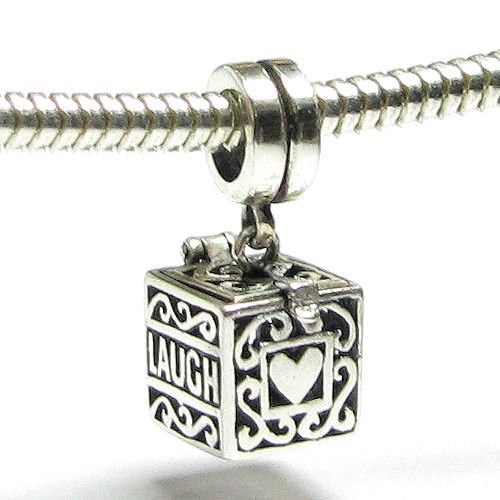
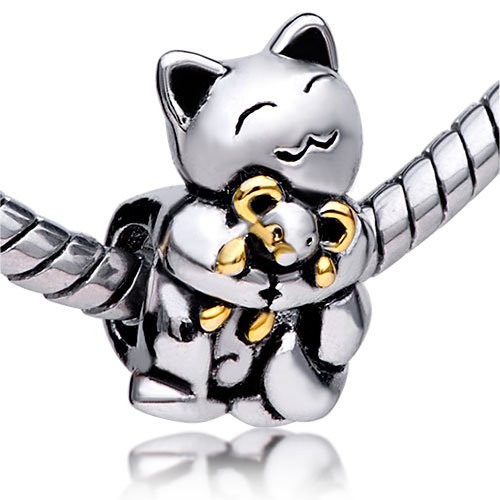
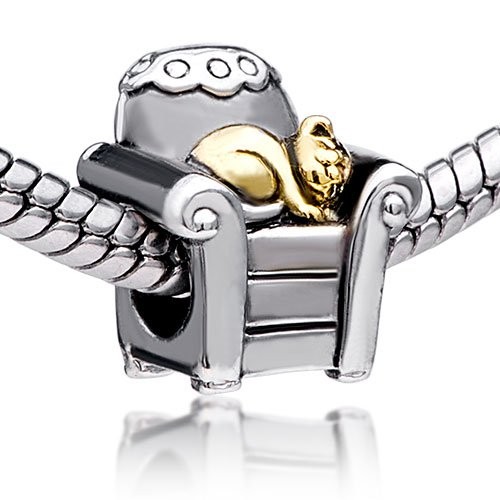
Charm jewelry is storytelling you can wear. A bracelet becomes a timeline: pets, trips, family names, seasons, and private jokes cast in metal small enough to sit against the wrist. The pieces gathered here belong to that tradition—slide-on beads and dangling charms photographed against clean backgrounds so every engraved letter and crystal edge stays readable. They are not a shopping catalog. They are a reminder of how personal jewelry works when you build it one symbol at a time.
In the early 2010s, modular charm bracelets were everywhere: snake chains, threaded cords, and barrels designed to slide into place. The appeal was control. You chose the order. You left gaps for future gifts. You mixed sentimental metal with playful enamel. Looking at these charms now, the same questions still matter—what belongs on the bracelet, how many pieces keep the silhouette wearable, and which motifs will still feel like you five years later.
Why charms feel more personal than most jewelry
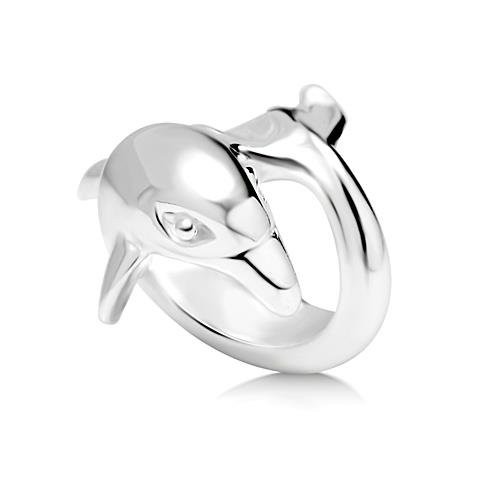
A plain bangle can be beautiful. A charm bracelet can be autobiographical. Dogs paired as a single polished silver unit are not abstract decoration; they stand in for specific animals, breeds, or the idea of companionship. The rounded ears and simplified muzzles are soft enough to read as affectionate rather than realistic taxidermy in miniature. That soft cartooning is part of the genre: charm jewelry often simplifies so the symbol survives daily wear and small-screen photos.
People gift charms at milestones—birthdays, Mother’s Day, graduations, first apartments, recovered health. The object is small enough to feel intimate and durable enough to outlast the wrapping paper. When you assemble a bracelet, you are also assembling permission to keep adding. Empty space on the chain is not unfinished; it is anticipation.
Motifs that mark a season or a place
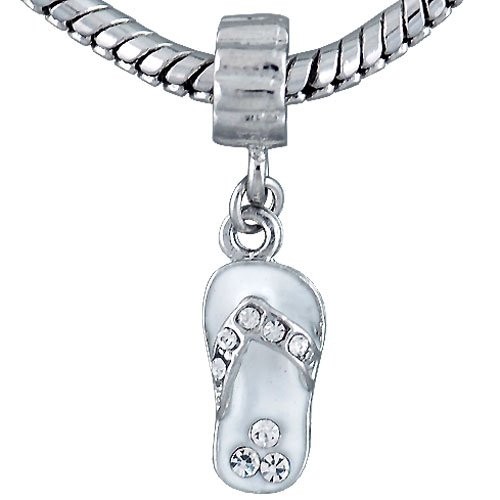
Not every charm has to be solemn. A flip-flop with a white enamel sole and crystal-studded straps is vacation shorthand: beach towns, pool days, the first warm weekend of the year. Hung from a ribbed cylindrical bail on a snake chain, it shows how modular systems work mechanically—the charm slides, sits, and catches light without needing a traditional jump-ring only design.
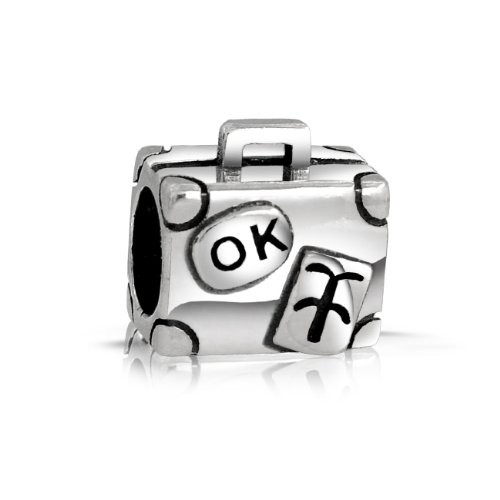
Travel motifs do similar work. A miniature suitcase with corner guards, a tiny handle, and stamped “stickers” (a bold OK, a palm silhouette) compresses itinerary into a cube you can wear to the office. These pieces succeed when the detailing is crisp: oxidized recesses, raised badges, a through-hole that does not swallow the sculpture. Whimsy without craft reads as toy; craft without playfulness reads as cold. The best charms land in the middle.
Words, names, and family as design
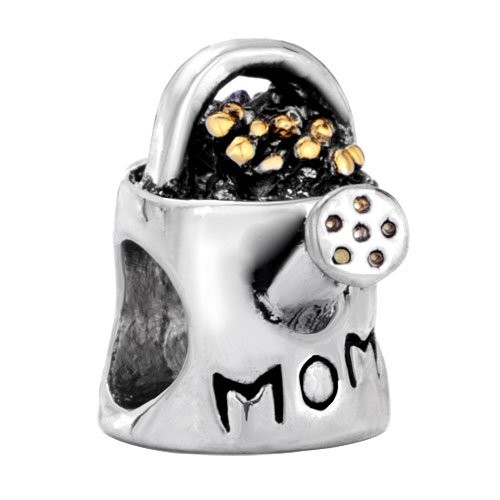
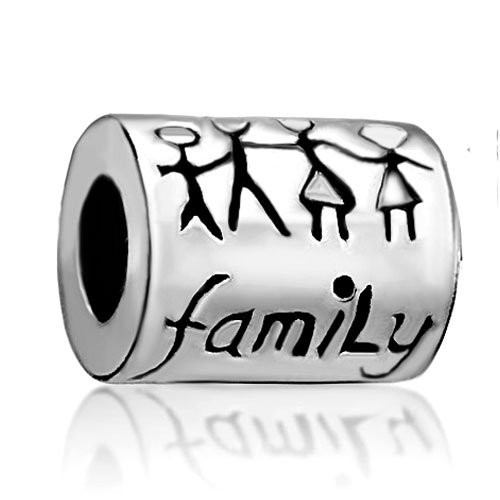
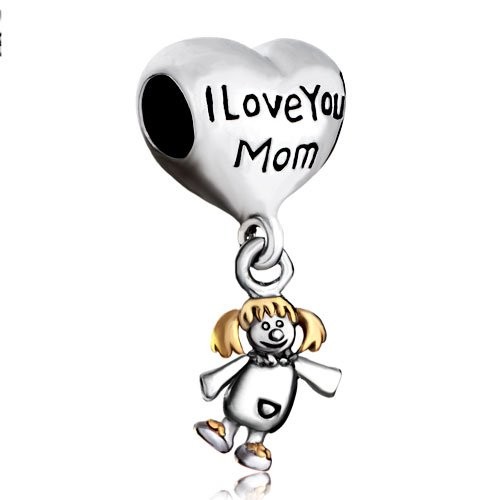
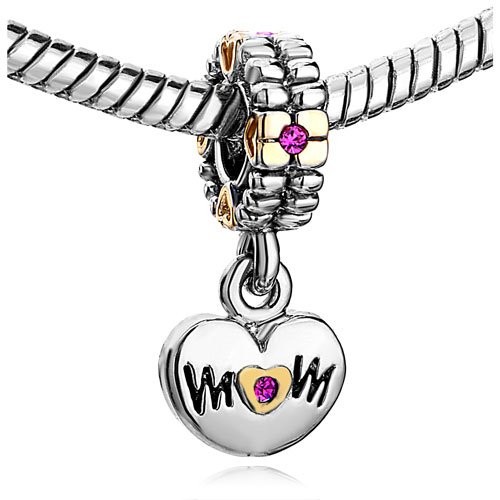
Lettering turns a charm into a dedication. A watering can engraved MOM, topped with gold-toned “blooms,” mixes gardening metaphor with maternal gift language. A barrel bead etched with four hand-holding stick figures and the word family does something similar in a more abstract register: it is a household reduced to line and script. Both rely on contrast—darkened engraving against bright polish—so the message stays legible when the bracelet moves.
If you are choosing text charms, think about permanence. Nicknames change. Formal names rarely do. Dates can be powerful, but they ask for accurate engraving and a willingness to wear a specific year forever. Family motifs age well because the idea of family expands; a bead that once meant four people can still feel true when the household grows, because the symbol was never a census.
Pair charms and shared bracelets
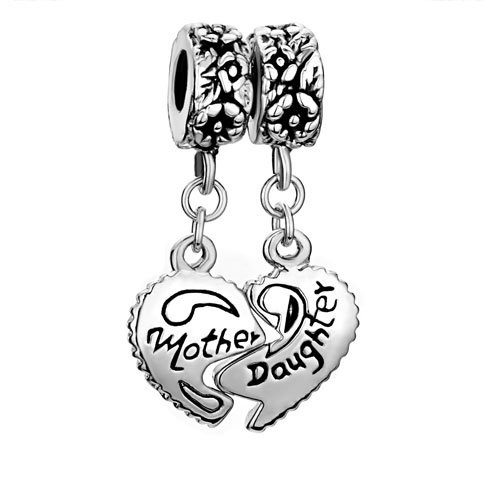
Split-heart sets—Mother on one half, Daughter on the other—are built for two wrists or for two people who want the same story in separate homes. Floral-oxidized barrel beads carry the halves so each piece can slide onto its own bracelet. When placed together, the jagged seam completes the heart; apart, each half still reads as jewelry, not as a broken object waiting for repair.
Shared jewelry only works if both wearers like the aesthetic. A matte antique silver finish that looks tender on one person can look heavy on another. Try the metal tone against existing rings and watches. Cool silver next to warm gold is not forbidden, but it should be intentional. Mixed metals look curated when the rest of the bracelet keeps a consistent finish; they look accidental when every charm fights the last.
Building a bracelet that still moves with you
Collectors often overcrowd early. Ten heavy beads on a fine chain can twist, pinch, and look denser in photos than on the arm. A useful approach is rhythm: alternate solid barrels with open or dangling forms so light can pass between pieces. Put the most meaningful charms where your eye lands first—usually near the clasp zone or at the center of the visible arc when your hand rests on a table.
Think about noise and snag risk. Crystal-heavy dangles sparkle, but they catch knits. Flat beads travel better under long sleeves. If you wear a watch on the same wrist, leave breathing room so charms do not hammer the case. For workdays, a quieter subset on a second bracelet can spare your daily piece from constant contact with keyboards and bags.
Materials matter more than brand mythology. Sterling silver needs occasional polishing if you prefer high shine; a light oxidation can hide daily scuffs and make engraving pop. Base-metal plating can flake with sweat and lotion. Whatever you choose, wipe jewelry after sunscreen and saltwater days. Charms that commemorate beaches should not be ruined by the beach.
How to choose the next charm
Start with a motif you already explain without prompting. If friends know your dog before they know your job title, the dog charm is not cute filler—it is accurate. If you garden every weekend, a watering can will earn its place faster than a generic heart. Travel charms make more sense after the trip than before it; anticipation is lovely, but memory photographs better in metal.
Match scale to your wrist and to neighboring pieces. Tiny charms disappear beside chunky barrels; oversized dangles can bully delicate lettering. When in doubt, hold a candidate next to your current bracelet in natural light. Ask whether the new piece shares a finish, a mood, and a reason. Three yes answers usually beat one impulse purchase.
Gifting? Ask about metal allergies, bracelet system compatibility (thread size, clasp type, brand-specific threading), and whether the recipient prefers dangles or slide beads. Include a note that names the meaning. Charms are mute without context; a sentence on a card turns silver into a keepsake.
Look back through this gallery the way you would look through a jewelry box drawer: slowly, with favorites rising to the top. Keep the dogs if they are your dogs. Keep the suitcase if it reminds you of a real departure. Leave room on the chain. The best charm bracelets are not finished collections. They are worn diaries that still have blank pages.

Comments
Continue reading
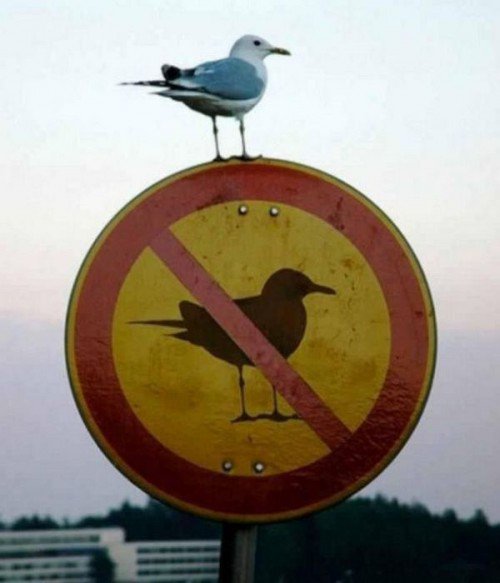
Funny Animal Signs That Warn People (While Animals Ignore Them)
From a seagull on a no-birds disc to classic zoo and park ironies—why animal warning signs get funny, and what the rules are still for.
How to Find Local Amenities on Vacation: Mechanics, Haircuts & More
Locate trustworthy local services and everyday spots while traveling or settling in—using publications, reviews, map apps, neighbor tips, and low-pressure exploration.
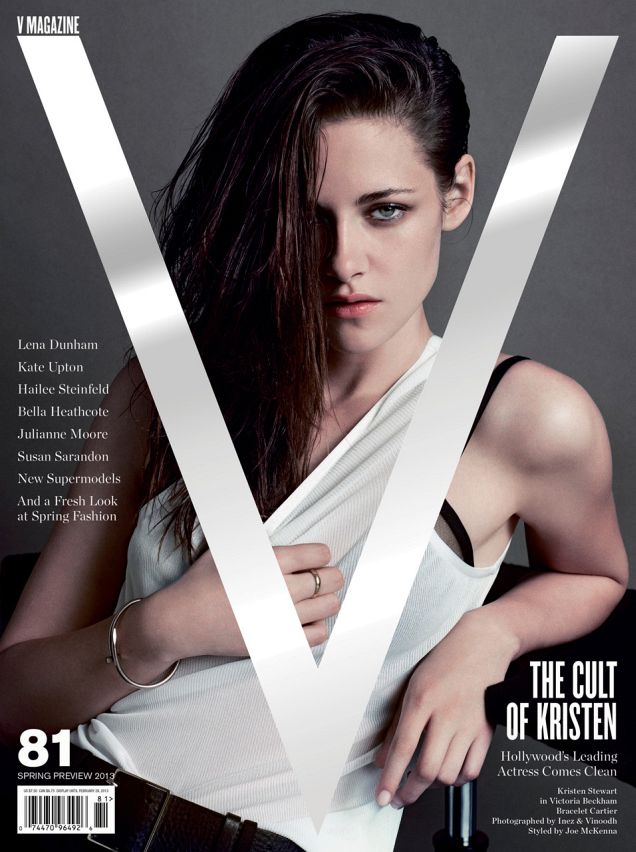
Kristen Stewart for V Magazine, Spring Preview 2013
V81’s Wild at Heart cover story—Kristen Stewart shot by Inez & Vinoodh, styled by Joe McKenna, in pale minimal spring glamour.