
Cal Lane’s Lace-Cut Garden Tools: When Steel Shovels Become Ornament
Canadian sculptor Cal Lane plasma-cuts lace through shovels and industrial steel—garden tools that can no longer dig, and why that tension matters.
A shovel is built to bite soil. A wheelbarrow is built to carry weight. An oil drum is built to hold fuel. Cal Lane’s garden tools and industrial objects keep those silhouettes—and then lose their usefulness to lace. Using a plasma cutter or oxy-acetylene torch, the Canadian sculptor cuts ornamental patterns through steel until light passes where metal once promised strength. What remains looks like crochet left in a forge: delicate, sharp, and deliberately contradictory.
Lane’s garden-tool pieces are not gardening advice and not novelty décor. They are sculptures that borrow the authority of hardware-store forms and undermine it with patterns associated with domestic ornament. The tension is the subject.
From salon and shop floor to sculpture
Born in Halifax, Nova Scotia, in 1968, Cal Lane trained first in worlds that rarely share a résumé. Early work in her mother’s hair salon on Vancouver Island put her close to grooming, pattern, and the gendered expectations around beauty. Later training as a welder put her inside industrial making—heat, sparks, heavy stock, and the culture of the shop floor. Fine-art degrees from the Nova Scotia College of Art and Design and a sculpture MFA from the State University of New York gave those experiences a critical frame.
That biography matters because the work refuses to pick a side. Lace is not simply “feminine decoration” pasted onto “masculine tools.” Lane has said she is interested in the dialogue between object and image, and in decoration as a social relationship rather than a pretty surface. She has also described a complicated attraction to lace itself—using it even while resisting the way ornament has been used to reduce women’s labor to the decorative. The cut steel holds both critique and beauty at once.
How the lace gets into the steel
The method is subtractive and exacting. Lane starts with found or fabricated industrial forms: shovels, wheelbarrows, I-beams, car hoods, drums, dumpsters, even dumbbells in later series. Patterns—often lace motifs drawn from ordinary commercial references—are transferred and cut with plasma or torch until the plate becomes a screen. Edges stay industrial; the voids become floral, geometric, or veil-like. The object still reads as tool or vessel from across a room. Up close it becomes permeable, almost textile.
Because the material is steel throughout, the “fabric” never softens. You cannot fold it. You can cut yourself on it. That residual danger keeps the work from collapsing into craft nostalgia. A shovel that can no longer dig is not a cute gift for a gardener; it is a ruined tool that has become something else—light, shadow, and a question about usefulness.
Garden tools as a special case
Among Lane’s industrial vocabulary, garden tools land with particular clarity. Shovels and related implements sit at the border of domestic yard work and heavy labor. They are familiar in sheds and hardware aisles. They also carry class and gender associations: who digs, who owns land, who inherits the “masculine” tool and who inherits the “feminine” lace tablecloth. Cutting lace into a shovel collapses those categories into one object you can hang, photograph, or walk around.
Public projects have pushed the shovel motif into civic scale. In New York, Lane’s The Digs at the Knickerbocker Avenue subway station on the M line places steel panels of lace-cut shovels along elevated platforms. The arrangement nods to architectural arches in the Bushwick neighborhood while keeping the tool as the unit of ornament. Hand-carved detail merges local building motifs into new patterns—past and present sharing the same perforated steel. Commuters encounter garden labor as lace architecture on the way to work: a quiet joke with serious craft behind it.
Standalone shovel sculptures shown in galleries extend the same idea without the transit context. Wood handles may remain; blades become openwork. Shadows on the wall complete the piece. In photographs the work can look almost weightless. In person the steel’s thickness and the tool’s stance remind you that something functional was sacrificed for the pattern.
Gender, class, and the limits of prettiness
It is easy to misread Lane as a decorator of scrap metal. She has pushed back against that flattening. If viewers see only pretty lace, they miss the undermining of strength symbols—oil infrastructure, beams, military-adjacent forms in some series—and the class friction between blue-collar fabrication and parlor ornament. Exhibitions such as Radical Lace & Subversive Knitting placed her among artists who use textile languages to unsettle rather than soothe. Later shows have continued to pair hoods, drums, and tools with motifs that look mass-market until the torch makes them singular.
Religion, sexuality, and labor histories also surface in critical writing around the work. The point is not a single slogan. It is the discomfort of mixed signals: soft image, hard material; domestic pattern, industrial carcass; beauty that arrives by destruction. Lane’s own path through hairdressing and welding makes the mix autobiographical without turning every piece into diary.
How to look at a lace-cut tool
Stand far enough to read the silhouette—shovel, barrow, drum—then move in until the pattern resolves. Notice where structural ribs were left to keep the object from collapsing. Notice how light from a gallery window or station platform turns the cutwork into a second drawing on the floor. Ask what the object can no longer do. That lost function is part of the meaning; without it, the lace would be only appliqué.
Compare a garden tool piece to a car-hood or oil-drum work. The hood brings automotive chrome culture and body panels; the drum brings fuel and spill. The shovel brings soil and maintenance. Same technique, different social freight. Lane’s consistency of method makes those differences audible.
If you are a maker, resist the urge to copy the look with thin decorative laser kits and call it the same. The work’s charge comes from real industrial stock, welding skill, and the willingness to ruin a tool’s job. Technique without that wager is pattern play.
Where the tools sit in a larger practice
Lane’s career stretches across solo and group exhibitions in Canada, the United States, Europe, Australia, and beyond. Titles and series shift—dirt lace, veiled hoods, sweet crude, later shovel groups and mixed industrial inventories—but the through-line holds: cut the authoritative object until ornament and critique share the same holes. Garden tools are one of the clearest entries into that practice because everyone already knows what a shovel is for. Once you have seen one Lace-cut, the next hardware-store aisle looks slightly less settled.
For viewers who first met the work through a short web feature or a link to callane.com, the takeaway is simple and durable. Cal Lane does not soften industry with flowers. She makes industry hold flowers the way a screen holds light—and in doing so, she asks who decided that strength and delicacy had to live in separate rooms of culture. The garden tool, emptied of dirt and filled with pattern, is still the sharpest version of that question.

Comments
Continue reading
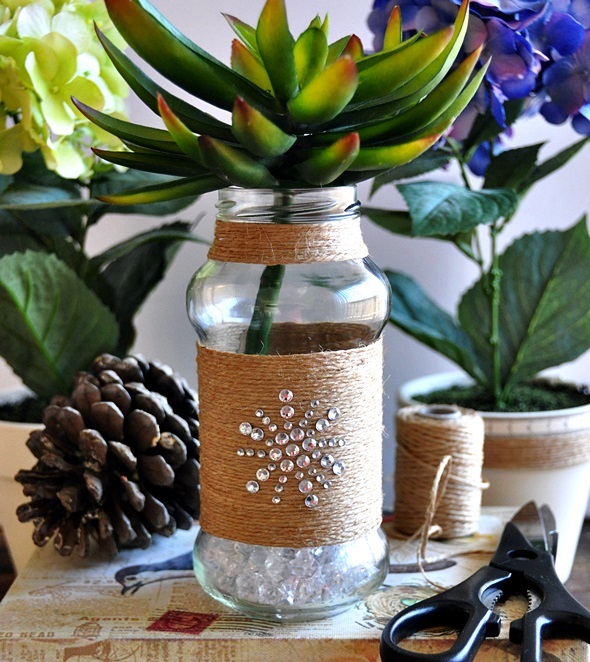
23 DIY Planters for Home and Garden: Upcycled Pots, Hangers, and Party Accents
From coconut hangers and cinder-block gardens to teapot planters and twine-wrapped jars—twenty-three DIY planter ideas for porches, tables, and thrifted pots.

How to Create an Indoor Herb Garden at Home
Grow rosemary, thyme, parsley, mint, and dill indoors with the right light, drainage, and planters—from window boxes and wall mounts to simple DIY pots.
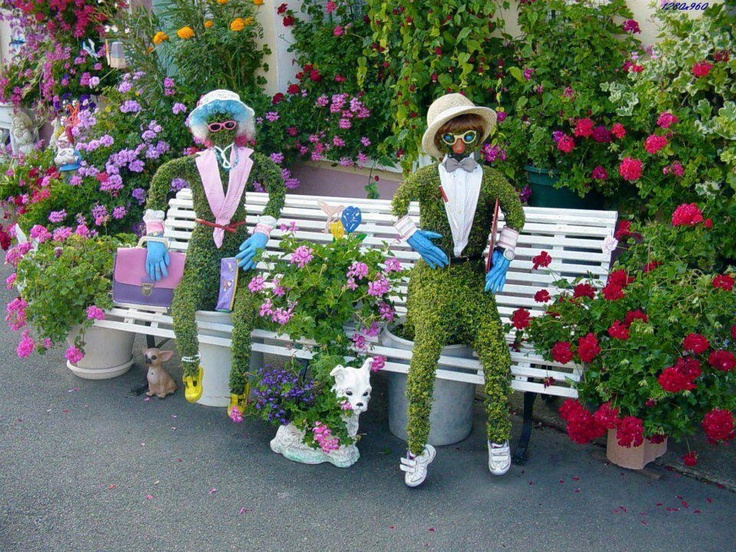
Garden Decoration Beyond Beds: Lace, Mosaiculture, and Upcycled Yard Art
From dressed topiary and floral cyclists to license-plate dragonflies and lace between trees—garden decorations that give a yard a voice.