
23 DIY Planters for Home and Garden: Upcycled Pots, Hangers, and Party Accents
From coconut hangers and cinder-block gardens to teapot planters and twine-wrapped jars—twenty-three DIY planter ideas for porches, tables, and thrifted pots.
A great plant still needs a vessel that fits the room, the porch, or the garden bed. Thrift-shop pots, garage leftovers, bottles, blocks, and fabric scraps can become planters if you add drainage, the right soil mix, and a finish that matches how you actually live. The twenty-three ideas below follow the original roundup’s spirit—succulents, herbs, hanging pieces, party accents, and winter covers—while dropping outbound tutorial spam. Two surviving project photos stay in place; the rest are described so you can recreate them from materials you already have.
Before any makeover: wash the container, drill or punch drainage unless you are building a closed terrarium-style display with careful watering, and choose plants for the light you truly get—not the light you wish you had.
1. Coconut hanging planter
Halve a cleaned coconut shell, drill three evenly spaced rim holes, knot sturdy cord into a hanger, and plant a small trailing succulent or airy fern in a light mix. Seal the interior lightly if the shell will sit indoors. Hang where drips will not ruin furniture; outdoors, the natural bowl weathers into soft brown that looks intentional beside wood and rope.
2. Wire-and-drop-cloth hanging bag
Shape a wire frame into a deep pouch, line it with heavy drop cloth or canvas, fill with potting mix, and plant herbs or trailing annuals. The cloth breathes better than plastic grocery bags and softens industrial wire. Water slowly so runoff does not streak walls; refresh the fabric when it thins.
3. Soft-palette shower or party favor pots
Paint small terracotta cups in pastel sets for a baby shower, brunch, or place-setting garden. Add a single cutting or mini succulent and a simple tag. Guests leave with something living instead of candy that vanishes. Use a saucer under each cup if tables are rented or delicate.
4. Painted wooden succulent box
Build or reclaim a shallow rectangular box, paint the exterior a clean solid or soft ombré, line with landscape fabric, add drainage holes, and plant a grid of succulents. Keep the soil shallow and gritty. A box reads as furniture on a coffee table or windowsill where round pots look scattered.
5. Burlap-wrapped mum pots
Slide a thrifted plastic nursery pot into a burlap sleeve, tie with twine or ribbon, and set fall mums on steps or a porch rail. The wrap hides branding overnight and photographs warmly. Swap plants seasonally without repainting; store dry burlap flat between uses.
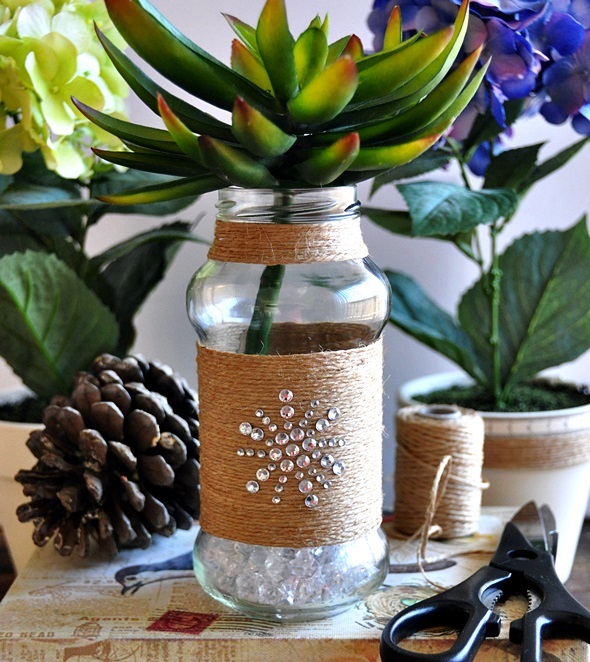
6. Twine-wrapped bottle or jar planter
Wrap a clean sauce bottle or wide jar with jute, add a narrow band at the neck, and optionally stud a simple starburst of clear gems on the mid band. Layer pebbles under a succulent if you keep the vessel closed, and water sparingly. Twine turns clear glass into rustic-modern decor without hiding the plant’s silhouette.
7. Sequined vase planters
Coat glass or plastic vases with adhesive and press sequins in bands or ombré fields for party tables. Use as cachepots around nursery pots so roots still drain. Sequins catch string lights at night; wipe dust gently so edges do not lift.
8. Talking teapot planter
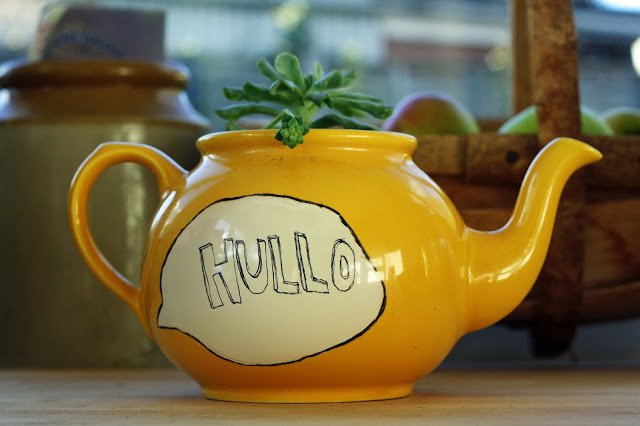
A glossy yellow teapot with a painted speech bubble (“HULLO” or your own word) becomes a whimsical succulent home through the lid opening. Add a discreet drainage hole in the base if the piece will live outdoors; indoors, a thin gravel layer and careful sips of water keep roots from drowning. Humor is the finish—choose a teapot you will not miss for pouring tea.
9. Color-blocked painted glass jars
Mask jars and paint horizontal bands or dipped bottoms in enamel-style craft paint. Cure fully before planting herbs on a sill. Clear upper glass still shows soil and stems; painted zones hide mineral stains. Group odd heights for a collected look.
10. Matte white pot refresh
Spray thrifted ceramics matte white so mismatched shapes read as one collection. Sand glossy glaze first for adhesion. White planters push foliage forward in small rooms and unify a balcony railing without buying matching sets.
11. Sweater-sleeve winter pot covers
Cut the cuff and body of an old sweater to hug a plastic nursery pot, stitch or glue a tidy hem, and slip it on for cold-season décor. The knit softens winter windowsills when blooms are scarce. Remove before heavy outdoor rain so wool does not stay soggy against roots.
12. Cinder-block modular planters
Stack or stagger concrete blocks on a patio, fill openings with soil, and plant herbs, strawberries, or cascading petunias. Paint faces if you want color; leave raw for industrial texture. Anchor tall stacks; blocks are heavy but tip if unbalanced on soft ground.
13. Fairy-house clay pot villages
Nest small terracotta pots, add clay doors and windows, and plant moss or tiny groundcovers around the “houses.” Kids engage; adults get a narrative corner in a shade bed. Seal painted details for weather if the village stays outside.
14. House-number address planter
Paint large numerals on a long trough or a row of pots flanking the front walk. Plant tidy evergreens or seasonal color that will not hide the digits. Guests and delivery drivers gain clarity; you gain curb presence that still grows.
15. Smiley herb face planters
Paint simple eyes and grins on recycled cans or cups, punch drainage, and grow basil, mint, or chives as “hair.” Summer kitchens love the joke; harvest keeps the faces looking freshly trimmed. Keep mint contained—it will try to escape any smile.
16. PVC pipe vertical planter
Cut wide PVC on an angle, mount lengths to a fence in staggered rows, fill with mix, and plant lettuce or trailing flowers. Lightweight compared with ceramic walls; drill weep holes at the low point of each tube. Ideal for renters who need vertical food gardens without masonry.
17. Wonderland-inspired succulent dish
Style a wide shallow bowl with miniature props, pale gravel paths, and rosette succulents for a storybook tablescape. Keep props removable for watering. This is décor-first gardening—choose drought-tolerant plants so the fantasy does not demand daily fuss.
18. Gold confetti party planters
Brush adhesive on terracotta and press gold foil confetti or leaf flakes for celebration tables. Seal with clear coat. Pair with simple green plants so metallic sparkle stays the accent. Wipe with a dry cloth; scrubbing lifts foil.
19. Valentine heart-tagged mini planters
Paint small pots in soft reds and pinks, add heart tags or stencils, and gift with a single bloom or succulent. Free printable tags work if you prefer paper over freehand paint. These are one-evening crafts with high thank-you value.
20. Bold geometric painted terracotta
Tape triangles, chevrons, or color blocks onto clay pots and paint high-contrast pairs—navy and coral, black and white, mustard and gray. Remove tape while paint is slightly tacky for crisp lines. Geometry modernizes thrift pots faster than buying new ones.
21. Twig-wrapped flower pots
Hot-glue straight twigs vertically around a plastic or clay pot until the surface becomes a miniature fence. Tie with raffia if needed. The woodland texture suits porches and cabin tables; leave gaps near the rim so watering is easy.
22. Macramé or rope hanging basket
Knot cord into a simple four-arm hanger, set a lined basket or coconut coir pot inside, and hang a fern or trailing pothos. Adjust knot length so the plant clears heads in walkways. Rotate weekly for even light.
23. Mixed thrift cachepot gallery
Stop hunting one perfect matching set. Gather odd bowls, crates, enamelware, and baskets, drop nursery pots inside as removable liners, and arrange by height on stairs or a bench. Unity comes from repeated plant type or repeated saucer color, not identical vessels. This is the honest end of most DIY planter journeys: use what you have, dress it once, and let the greenery finish the room.
Planting notes that save projects
Succulents want gritty mix and bright light; herbs want regular harvest and sun; ferns forgive shade but not dry wind. Cachepots without holes need a lift (pebbles or a trivet) and restrained watering. Outdoor DIY finishes need UV-tolerant paint or they chalk by August.
Pick one idea that solves a real corner—porch mums, kitchen herbs, or a hanging piece over a blank wall—rather than attempting all twenty-three in a weekend. A single finished planter that you water without resentment beats a craft table full of half-painted pots.

Comments
Continue reading
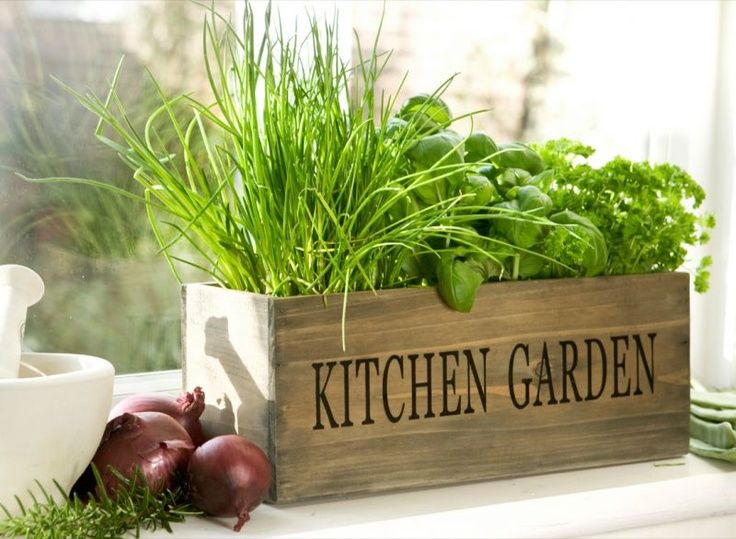
How to Create an Indoor Herb Garden at Home
Grow rosemary, thyme, parsley, mint, and dill indoors with the right light, drainage, and planters—from window boxes and wall mounts to simple DIY pots.
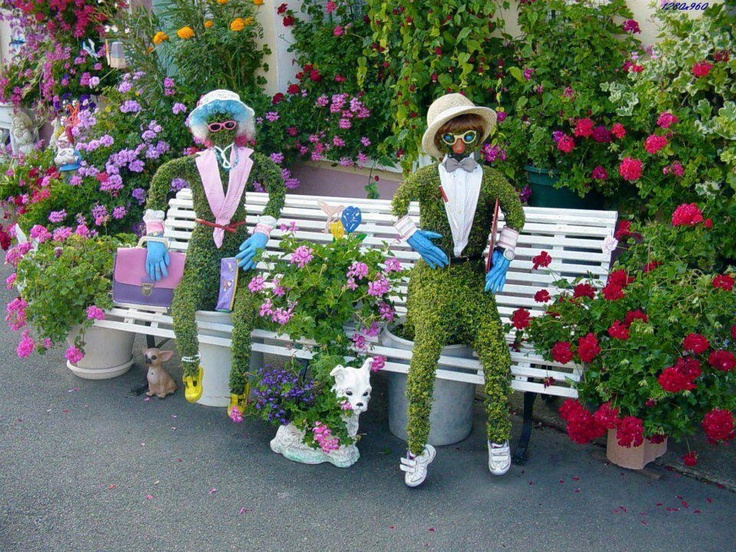
Garden Decoration Beyond Beds: Lace, Mosaiculture, and Upcycled Yard Art
From dressed topiary and floral cyclists to license-plate dragonflies and lace between trees—garden decorations that give a yard a voice.
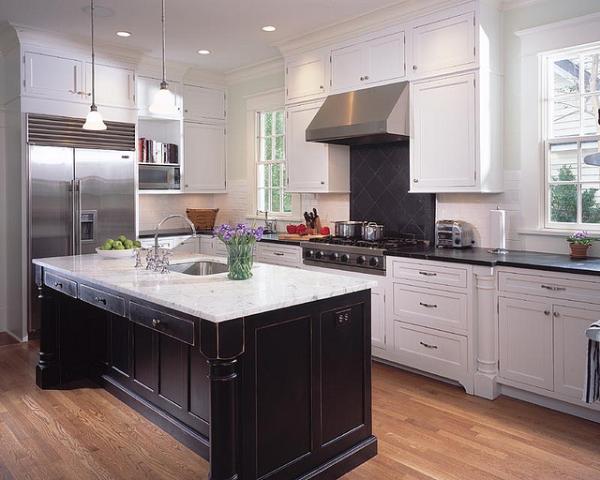
Kitchen Design Ideas: Layout, Storage, Light, and Finishes That Work
Practical kitchen design ideas—work zones, cabinetry, lighting, and durable finishes—so inspiration translates into rooms that cook and gather well.