
Celebrity Photos by Kate Barry: Intimate Portraits of Famous Women
Kate Barry’s portraits of Bellucci, Birkin, Deneuve, Gainsbourg, and others—quiet frames built on trust, restraint, and close attention.
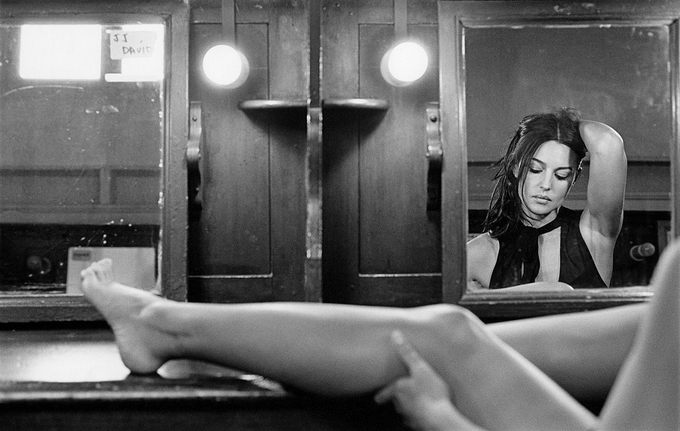
Kate Barry photographed famous women as if the studio were a temporary room they already half-owned. The pictures feel close without becoming invasive: black-and-white or restrained color, quiet backgrounds, faces allowed to think. Barry—daughter of Jane Birkin and composer John Barry, raised for years inside the Birkin–Gainsbourg household in France—worked for titles including Vogue and The Sunday Times Magazine, and built a reputation for putting actresses and singers at ease. “Photography for me has always been about building a world around women,” she said. The gallery below is a run of that world.
These frames, circulated widely around 2013, gather Monica Bellucci, Vanessa Paradis, Laetitia Casta, Helena Bonham Carter, Béatrice Dalle, Charlotte Gainsbourg, Jane Birkin, Amira Casar, Audrey Tautou, Catherine Deneuve, Diane Kruger, Emmanuelle Béart, Sofia Coppola, and Carla Bruni. Together they read less like a random celebrity scrapbook and more like a map of Barry’s preferred terrain: European screen presence, music-adjacent glamour, and family proximity translated into craft rather than gossip.
Monica Bellucci
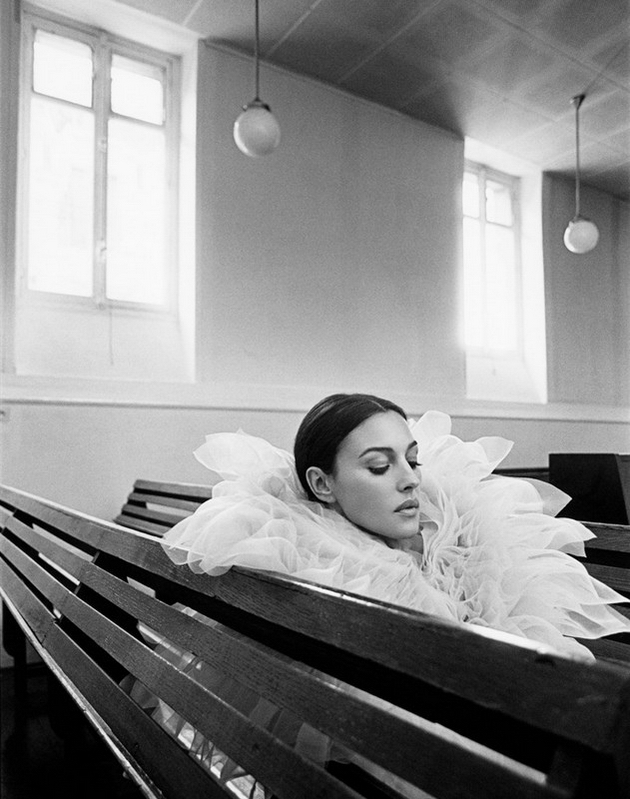
A photographer formed inside fame
Barry understood the economy of being looked at. As a child she was photographed often; later she chose the other side of the lens. That biography matters because her portraits rarely treat celebrity as a costume to be conquered. They treat it as a condition the subject already knows how to wear. Trust becomes visible in small relaxations—an unforced mouth, a hand that is not performing, eyes that do not sell the shot too hard.
She came to photography after other paths, picking up technical grounding through evening classes and discovering that what had felt like play could be a profession. Many of her images keep a private playfulness even when the sitter is a global name. The glamour is present, but it is not lacquered into advertisement hardness. Barry’s women often seem mid-thought, as if the shutter caught the second before a public smile would have been installed.
Family runs through the work without turning every frame into autobiography. Photographing Jane Birkin or Charlotte Gainsbourg is never only a fashion assignment; it is also a conversation with a shared visual history. Viewers who know those relationships may bring extra narrative. Viewers who do not still meet strong portraits, because Barry’s craft does not depend on the gossip column. The pictures hold without the family tree.
That dual literacy—insider ease plus professional distance—helped her move between magazine deadlines and more personal sittings. She knew how fame photographs itself, and she knew how to interrupt that automation just enough for a person to appear.
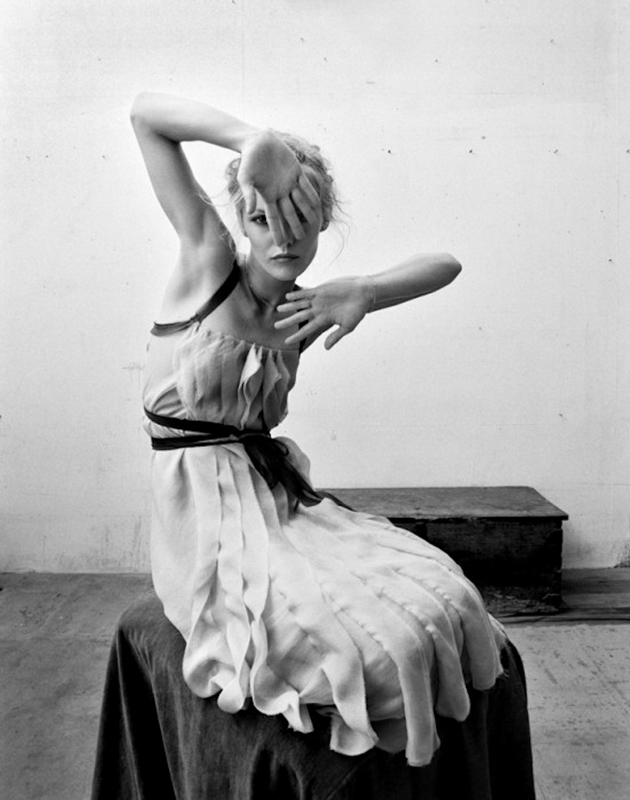
Vanessa Paradis
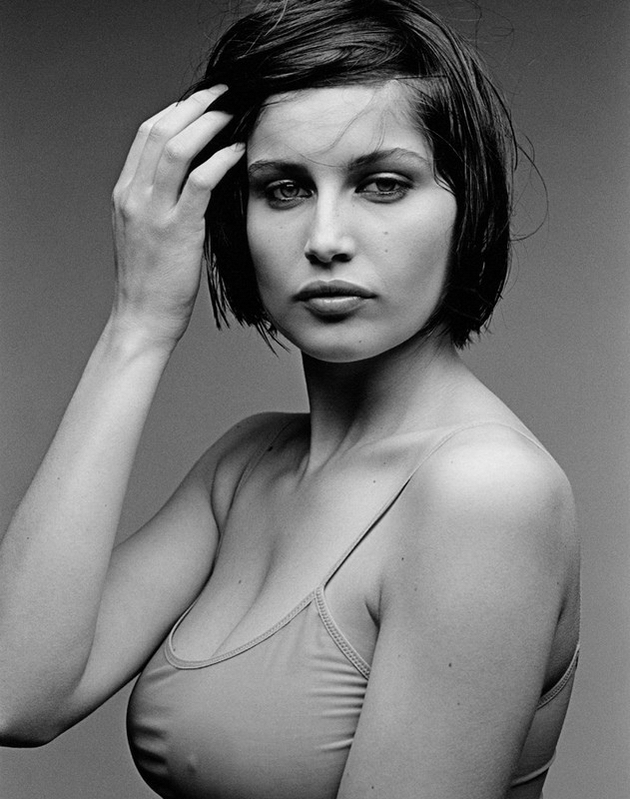
Laetitia Casta
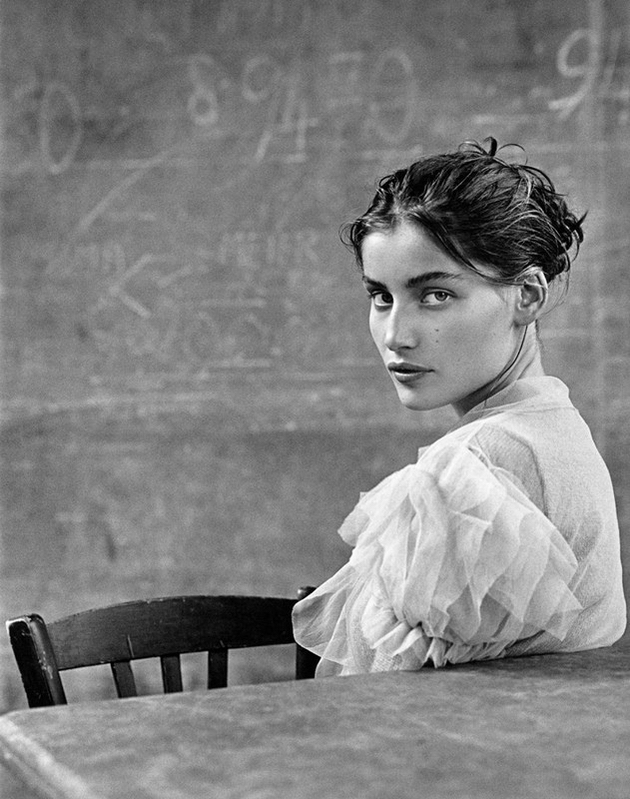
How Barry’s portraits work
Look for restraint. Backgrounds stay simple so faces and posture carry the drama. Light tends to model rather than explode. Contrast can be rich, especially in black and white, but the tonal scale usually leaves room for skin to feel like skin. Cropping is decisive: heads and shoulders are often enough; when the frame opens, the body language remains conversational rather than gymnastic.
Barry’s sitters are frequently actresses whose public images already arrive overloaded with roles. A good portrait has to dodge impersonation. Bellucci’s sensual mythology, Bonham Carter’s eccentric silhouette, Tautou’s gamine clarity, Deneuve’s classical cool—each could tip into cliché. Barry’s best images keep a residue of those myths while insisting on a present-tense person in the room.
There is also a fashion intelligence that never fully abandons itself for pure reportage. Clothes, hair, and jewelry still matter; they simply do not shout over the face. That balance helped her work sit comfortably in magazines that need both style and psychology on the same page. You can sense the styling without feeling sold a product.
Compare two images of the same woman when the gallery offers pairs. The second frame is rarely a mere alternate smile. It is often a recalibration of distance—closer crop, softer shoulder, a different bargain between glamour and frankness. Barry seems to have trusted sequences as much as single “hero” shots.
Helena Bonham Carter
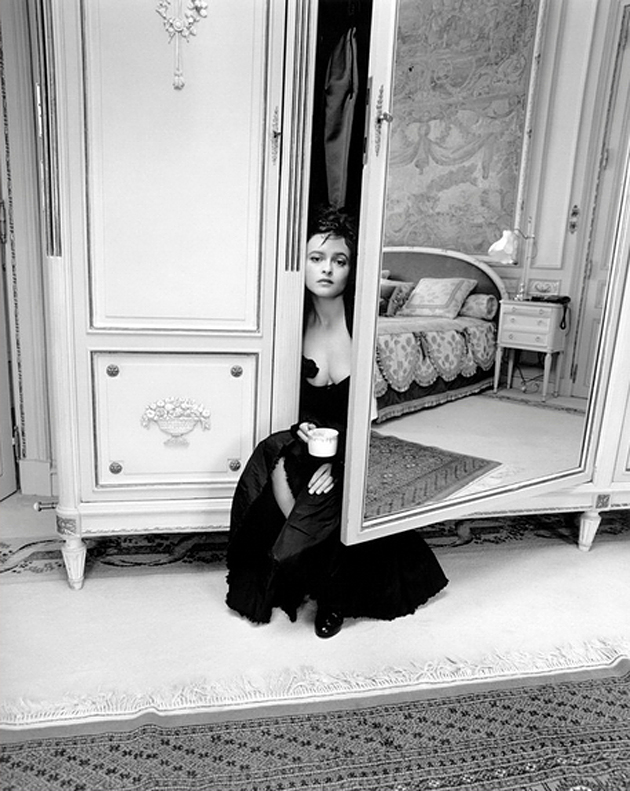
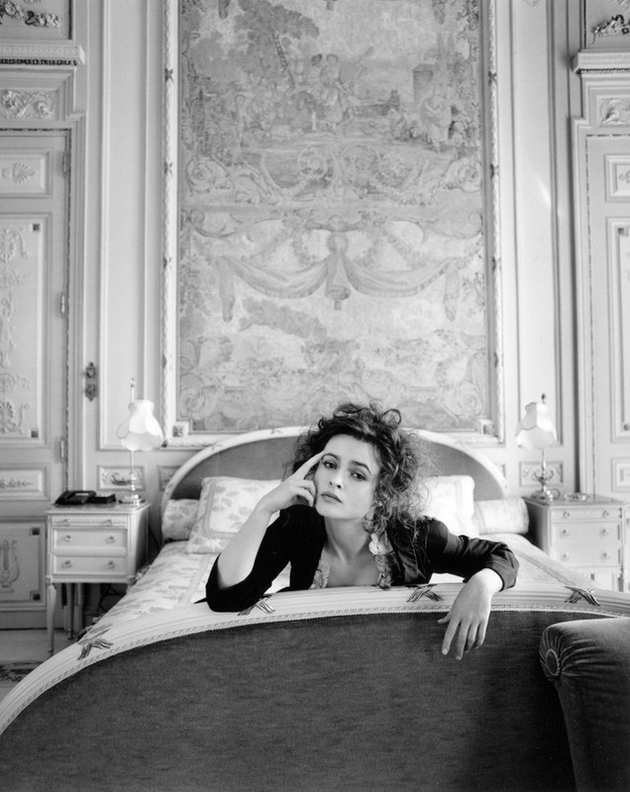
Béatrice Dalle
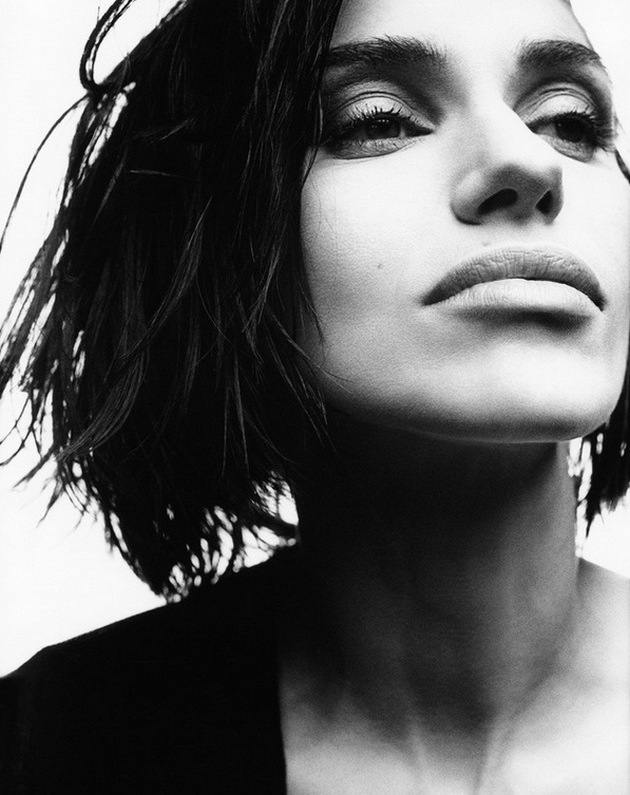
Charlotte Gainsbourg
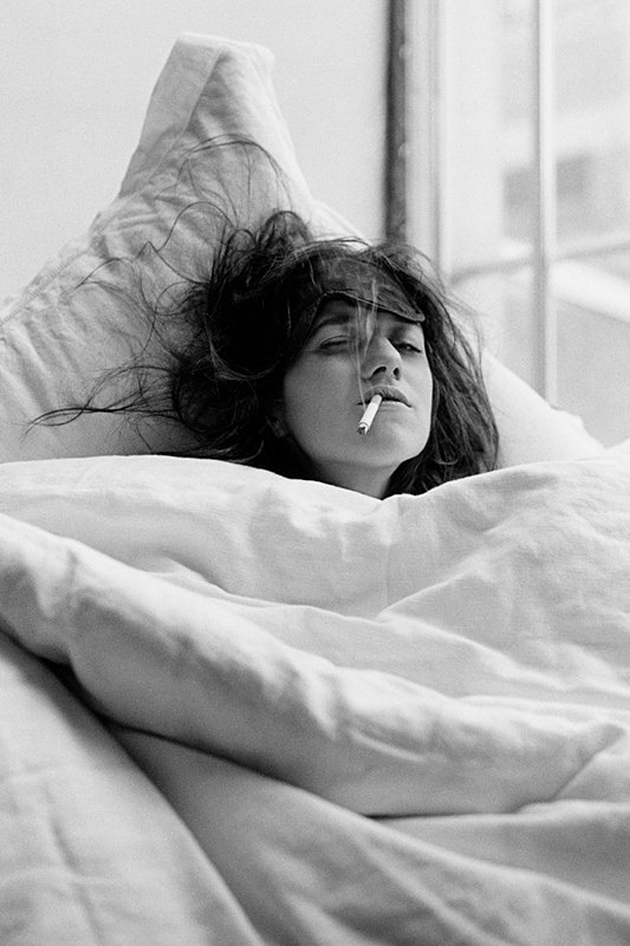
Jane Birkin
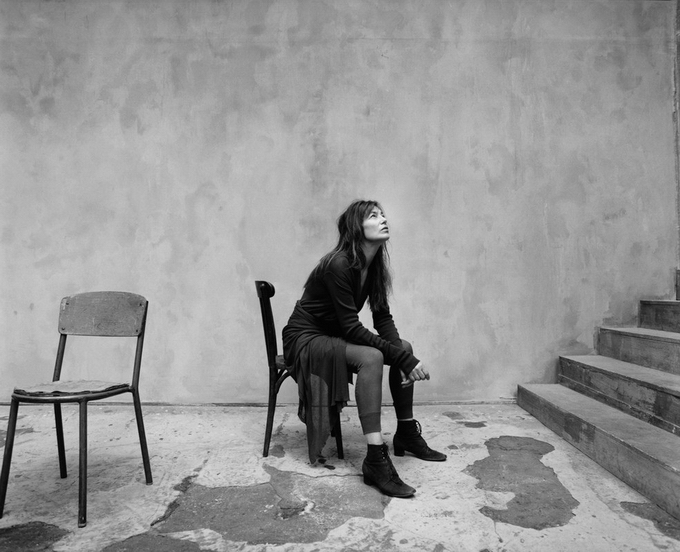
Reading the sequence
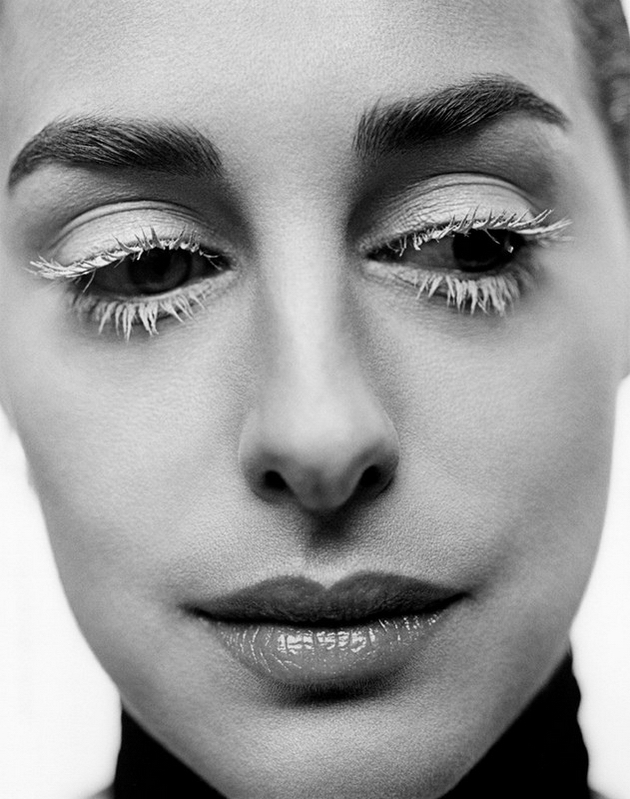
Move through the gallery as a sequence of temperaments. Paradis brings a singer’s directness. Casta holds model-sculpted clarity that Barry softens into portraiture. Dalle’s presence is more electric and risky. Gainsbourg and Birkin open a private corridor inside a public archive. Casar and Tautou offer different kinds of stillness. Deneuve arrives with decades of cinema already behind her eyes. Kruger and Béart shift the Franco-European axis toward other film languages. Coppola’s frame is interesting precisely because she is usually the one directing the look. Bruni—whose debut album cover Barry shot—closes a loop between music, politics-adjacent fame, and Barry’s editorial world.
Notice how often the photographs refuse the “power pose.” Shoulders drop. Chins are not always lifted for dominance. The authority comes from attention, not from a clenched jaw. That choice is easy to miss because it looks natural. It is not automatic; it is directed calm, the kind that takes rehearsal even when it reads as luck.
Also watch hands. In several frames they are not decorative props. They anchor the torso, interrupt symmetry, or simply rest. Hands are where performance often leaks; Barry seems alert to that leak and willing to keep it when it feels true.
Amira Casar
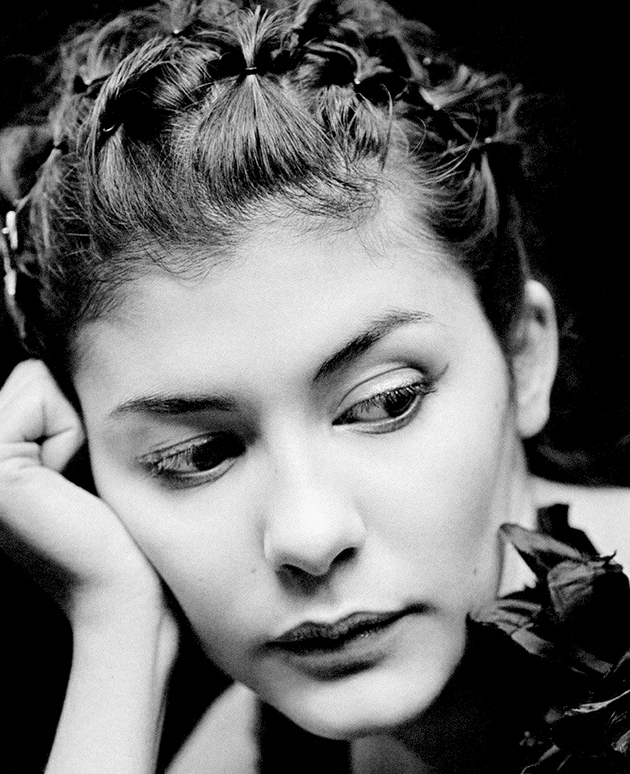
Audrey Tautou
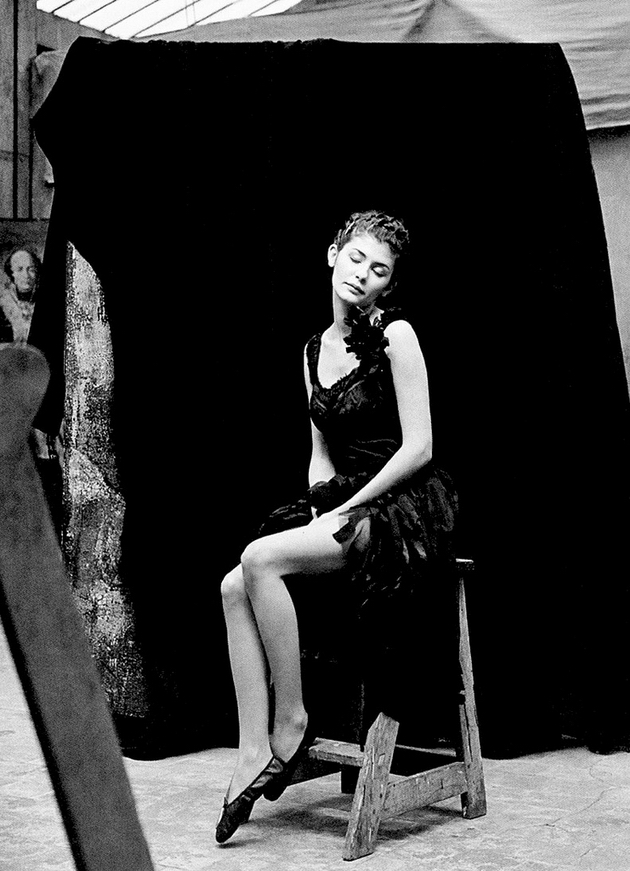
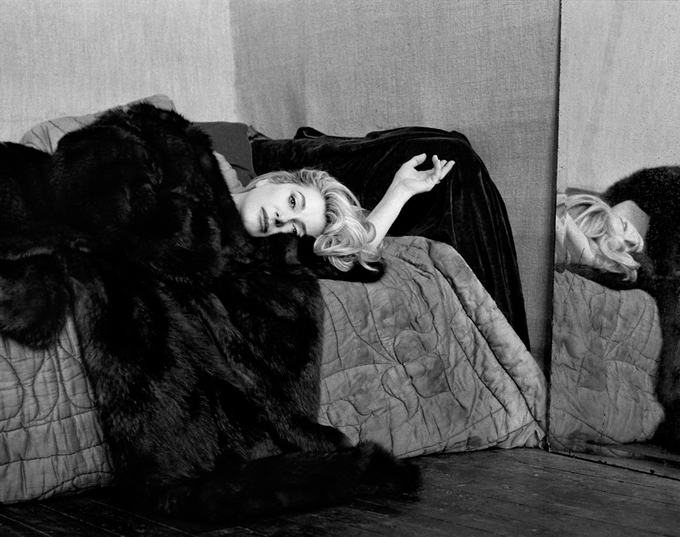
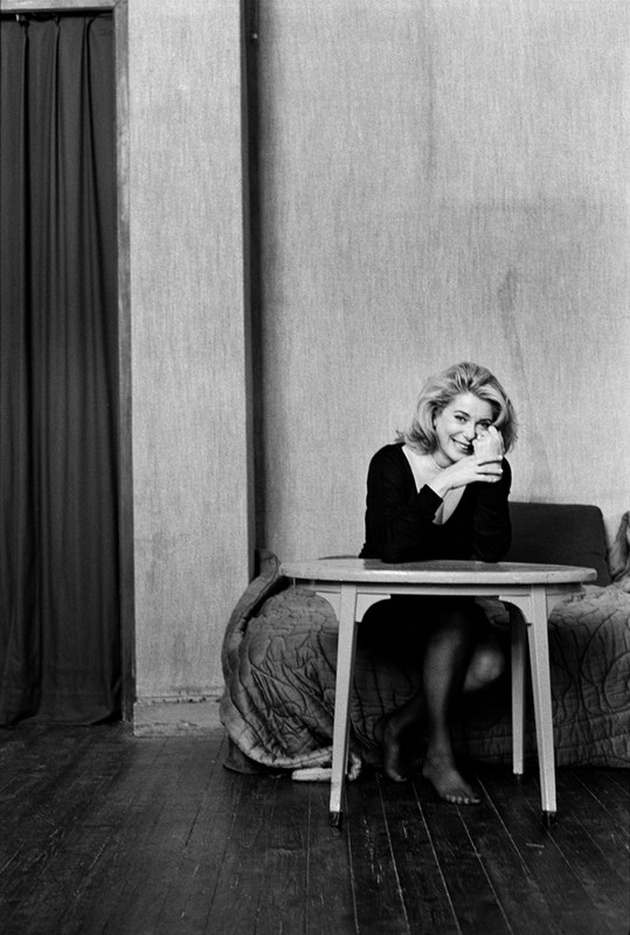
Catherine Deneuve
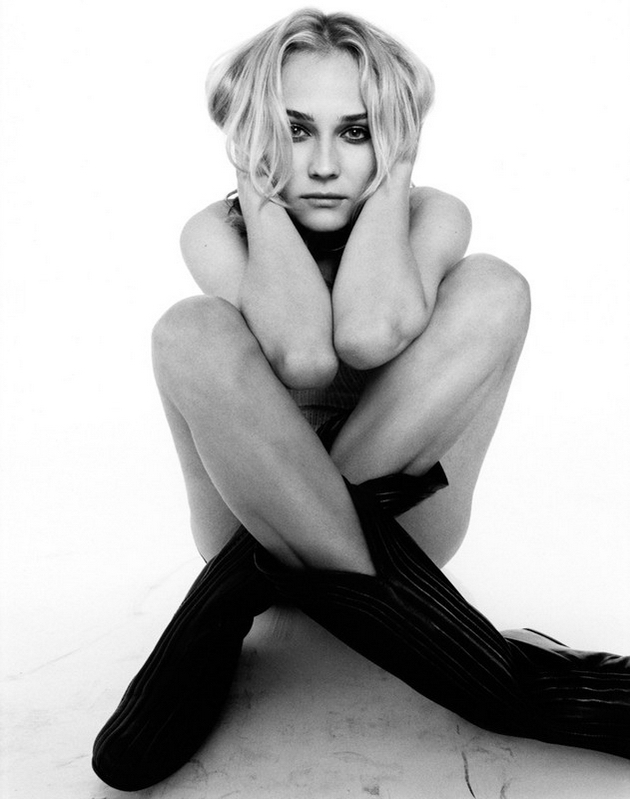
Diane Kruger
Emmanuelle Béart
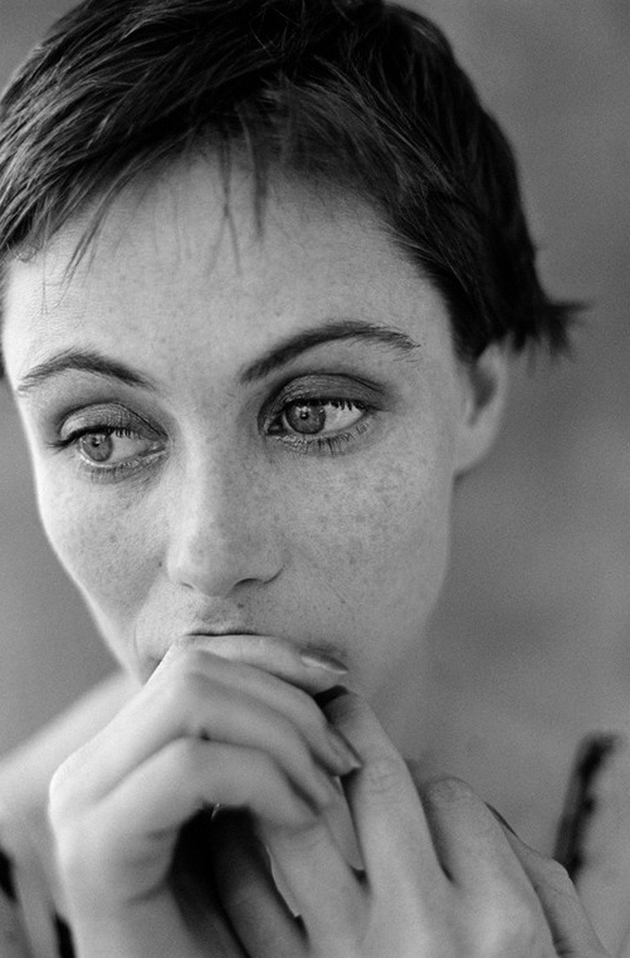
Sofia Coppola
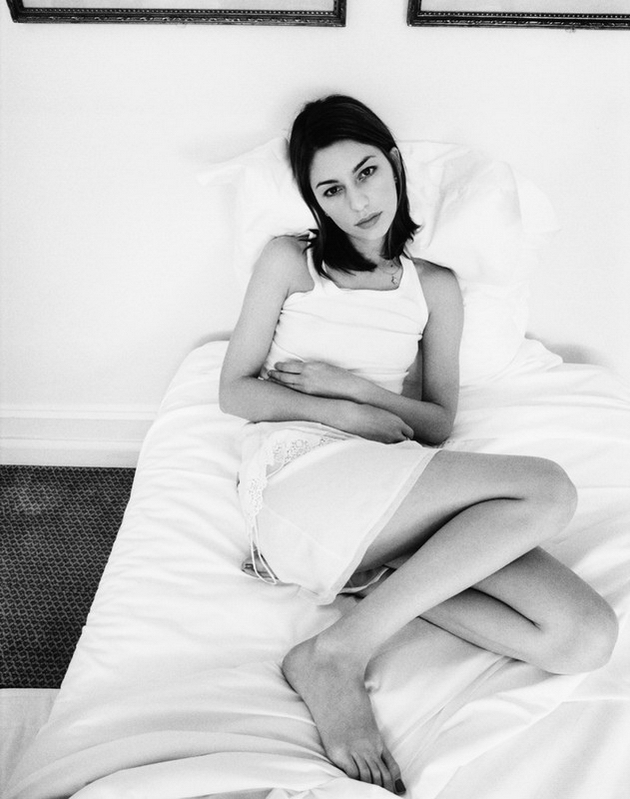
Carla Bruni
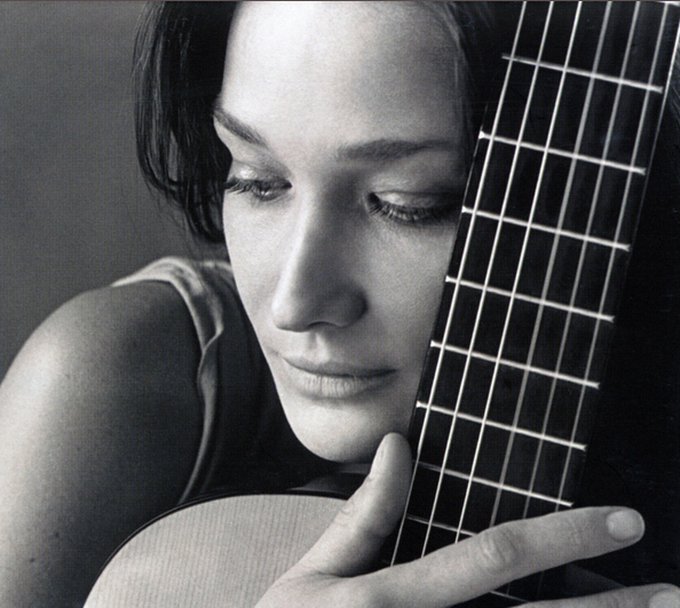
What to take from Barry’s method
If you make portraits, Barry’s examples argue for fewer props and more time. Build a small world the subject can inhabit—light, a chair, a wall, an honest conversation—then wait for the face to stop auditioning. If the session is rushed, the magazine face returns on autopilot. If you only look at photographs, ask which image here would still interest you if the name were removed. The ones that survive that test are usually the ones where Barry’s trust project succeeded.
Try a practical drill with this gallery. Pick three portraits and write one sentence each about light direction, one about emotional temperature, and one about what the crop excludes. You will notice how much meaning lives in what Barry left out: no busy sets, no floating lifestyle props, no need to prove glamour with excess.
Barry died in Paris in December 2013, months after this kind of gallery was circulating online. The pictures remain the better memorial: not a headline, but a body of looking. Return to Deneuve’s stillness, or to Birkin meeting her daughter’s camera, and the point of the work is clear without further announcement. These women were photographed by someone who knew how fame feels from both sides of the glass, and who chose, again and again, to build the frame around them rather than over them.

Comments
Continue reading

Funny Animal Signs That Warn People (While Animals Ignore Them)
From a seagull on a no-birds disc to classic zoo and park ironies—why animal warning signs get funny, and what the rules are still for.
How to Find Local Amenities on Vacation: Mechanics, Haircuts & More
Locate trustworthy local services and everyday spots while traveling or settling in—using publications, reviews, map apps, neighbor tips, and low-pressure exploration.
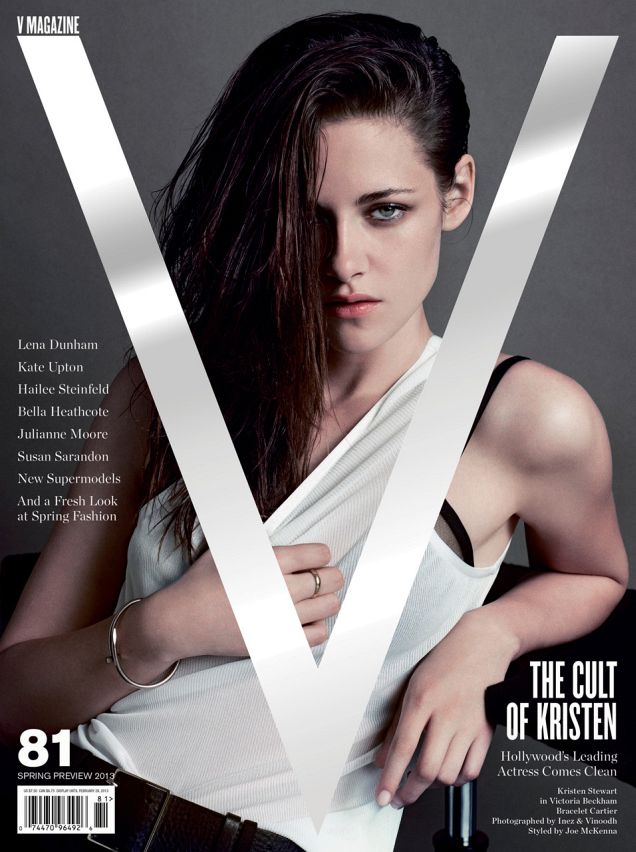
Kristen Stewart for V Magazine, Spring Preview 2013
V81’s Wild at Heart cover story—Kristen Stewart shot by Inez & Vinoodh, styled by Joe McKenna, in pale minimal spring glamour.