
Choosing Bathroom Fixtures: Lessons from Caroma’s Water-Saving Design
A practical guide to toilets, showers, basins, and laundry taps—using Caroma’s dual-flush history as context for water efficiency, style, and installation choices at home.
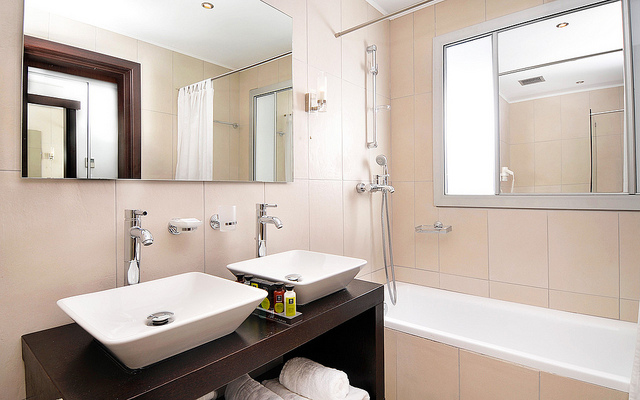
Choosing bathroom and laundry fixtures is rarely glamorous, yet those choices shape daily comfort, water bills, and how a renovation ages. Caroma, an Australian bathroom brand with roots going back to the early 1940s, became widely known for pushing dual-flush toilets and other water-efficient sanitaryware into ordinary homes. This guide keeps the useful product logic—flow rates, styles, installation types—without the hard sell. The goal is clearer decisions when you are specifying taps, pans, showers, and basins for a house that has to work every morning.
Where Caroma fits in bathroom history
Charles Rothauser founded what became Caroma in Adelaide in 1941. Early innovation focused on practical problems: corrosive local water and the limits of metal cistern parts. Plastic moulding and later dual-flush systems turned the company into a reference point for Australian bathrooms. Industry timelines commonly credit Caroma with pioneering two-button dual flush and successive reductions in flush volume—from older single-flush habits near eleven litres, through regulated 6/3 litre dual flush, to Smartflush suites designed around 4.5 litres full flush and 3 litres reduced flush.
Those numbers matter because toilets are among the largest indoor water users in many households. A lower flush that still clears the bowl and drainline is not a marketing slogan; it is an engineering trade-off among rim design, trap geometry, cistern discharge, and plumbing standards. Later product families extended the same efficiency mindset to urinals, showers, and concealed cistern systems. Whether or not a particular model is on your shortlist, reading Caroma’s history is a quick education in how bathroom water efficiency became mainstream design rather than a niche eco add-on.
Water efficiency without guessing
When you compare toilets, ignore brand cheerleading and ask for documented flush volumes, local water-rating labels where they apply, and whether the pan and cistern are matched as a suite. Dual flush only helps if household members actually use the half flush for liquid waste. Mounting height, seat comfort, and easy cleaning often decide satisfaction more than a brochure photograph.
Showers deserve the same scrutiny. Older homes often run high-flow heads that feel powerful while wasting heated water. Efficient showerheads aim to keep a satisfying spray pattern at a lower litres-per-minute rate. Comfort comes from nozzle design and pressure management, not from simply starving the flow until the shower feels thin. If your home has low mains pressure or a gravity-fed system, confirm that an efficient head will still perform; some products are happier on mains pressure than on weak supplies.
Basins, baths, and laundry taps add smaller but cumulative savings when aerators and mixers are chosen carefully. Look for clear labelling, replaceable cartridges, and finishes that match how the room is cleaned. A beautiful tap with a fragile coating becomes expensive quickly in a busy family bathroom.
Bathroom range decisions that actually change the room
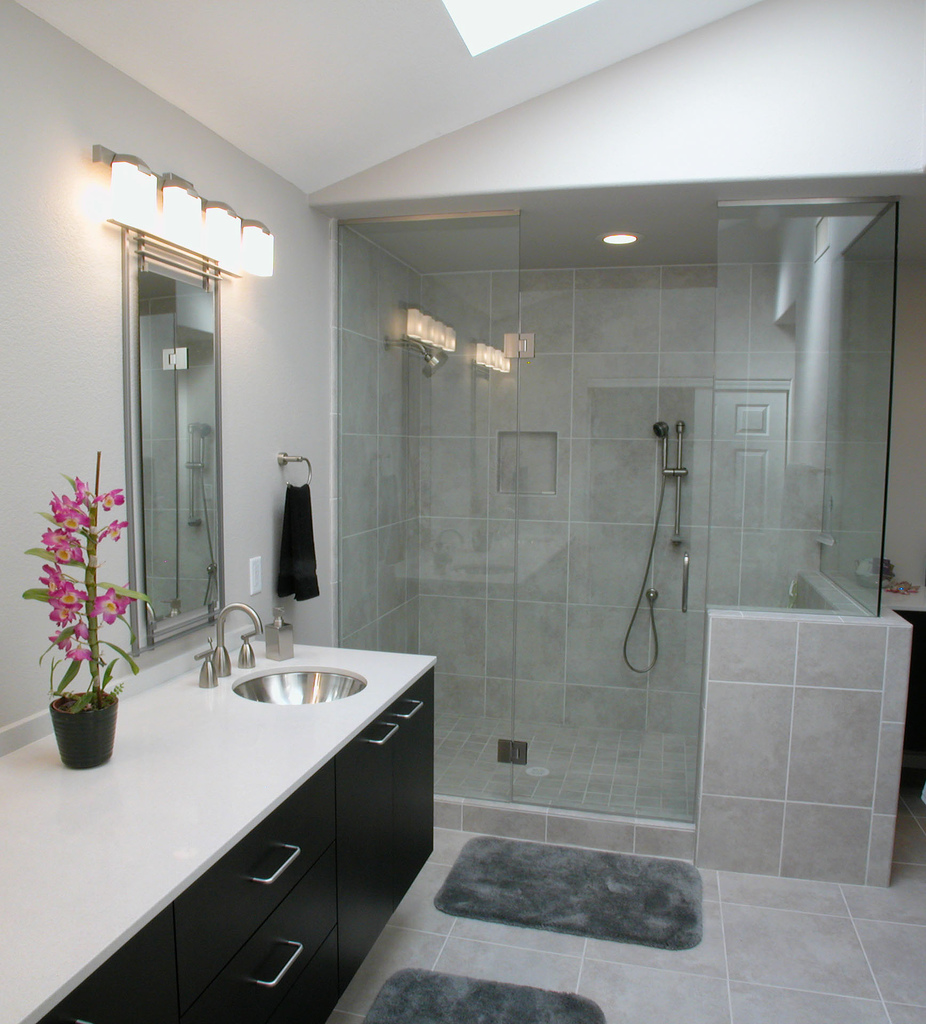
A complete bathroom specification usually includes toilets, basins, baths or showers, mixers, and accessories. Style families help because handles, spout geometry, and ceramic profiles then read as one set rather than a thrift-store collage. Decide early whether you want a soft contemporary look, a more architectural minimal line, or warmer traditional curves. Then shop within that decision instead of chasing every trend tile video.
Wall-hung toilets are a good example of form following maintenance and space. The pan leaves the floor clear, which makes mopping easier and can make a small room feel larger. The trade-off is the in-wall frame and cistern: you need adequate wall structure, access for servicing, and a plumber who knows the system. Floor-mounted suites remain simpler for many renovations, especially where walls cannot take the load or where budget prioritizes ceramic quality over floating drama.
Concealed cisterns and clean wall faces reduce visual clutter. They also hide complexity. Before you commit, ask how the flush plate is removed, how a valve is replaced, and what warranty covers the concealed parts. Pretty bathrooms that cannot be serviced are unfinished projects waiting for a ceiling cut.
Basin choice affects splash, storage, and accessibility. Countertop bowls look sculptural but need disciplined cleaning around the base. Semi-recessed and wall-hung basins free floor or vanity volume. For shared bathrooms, prioritize a deep enough bowl and a mixer that does not spray users when the tap is opened quickly. In powder rooms, a smaller basin can work if guests still have elbow room.
Showers, baths, and the comfort brief
Write a short comfort brief before you buy: daily shower count, preference for rain heads versus hand showers, whether anyone needs a seat or grab-ready walls, and whether a bath is for children, soaking, or occasional guests. A oversized bath that is rarely filled wastes floor area and heating energy. A tiny shower that fights two adults every morning wastes patience.
Thermostatic mixers improve safety where children or elderly users are in the home. Separate diverters keep rain and hand-shower functions understandable. Niche storage beats bottles on the floor. Non-slip surfaces and thoughtful gradients matter more than chrome reflections in magazine photos. If you are replacing only the head and leaving old valves, check compatibility so you do not create leaks or scalding surprises.
Kitchen and laundry fixtures as part of the same water story
Although bathrooms dominate the conversation, sink mixers and laundry taps follow similar rules: durable cartridges, clear flow control, and finishes that survive cleaners. A kitchen mixer with a useful pull-out or high spout can change dishwashing ergonomics more than a decorative handle shape. In laundries, robust tapware and sensible tub depths beat boutique styling that cannot take detergent splash.
Think of water efficiency as a house system. Dual-flush toilets, restrained showers, and competent mixers compound. So do behaviour and maintenance: fix dripping taps, descale where water is hard, and do not assume a premium brand removes the need for good installation. Most fixture failures blamed on “the product” start as poor sealing, wrong waste sizes, or unsupported wall hung frames.
A practical buying checklist
- Measure rough-ins, waste positions, and clearances before you fall in love with a suite photo.
- Match pans and cisterns designed to work together when low flush volumes are involved.
- Confirm local water-efficiency ratings and any rebate rules that still apply in your area.
- Choose finishes you can maintain with the cleaners you actually use.
- Ask about spare parts availability for cartridges, seats, and flush mechanisms.
- Budget for labour and waterproofing; cheap fixtures on a bad wet-area job still fail.
- Prefer clear warranties in writing over verbal shop-floor assurances.
Caroma’s reputation grew because water-saving bathrooms became ordinary rather than eccentric. Use that history as context, then buy for your plumbing, your cleaning habits, and the way your household actually uses the room. The right product choice is the one that still feels sensible on a tired weekday—not the one that only wins in a brochure.

Comments
Continue reading

Funny Animal Signs That Warn People (While Animals Ignore Them)
From a seagull on a no-birds disc to classic zoo and park ironies—why animal warning signs get funny, and what the rules are still for.

How to Find Local Amenities on Vacation: Mechanics, Haircuts & More
Locate trustworthy local services and everyday spots while traveling or settling in—using publications, reviews, map apps, neighbor tips, and low-pressure exploration.

Kristen Stewart for V Magazine, Spring Preview 2013
V81’s Wild at Heart cover story—Kristen Stewart shot by Inez & Vinoodh, styled by Joe McKenna, in pale minimal spring glamour.