
Mereway Trend Interior Kitchens: Finishes, Factory Build, and Home Design
How Mereway’s Trend Interior collection brought factory-built British kitchens—Shaker and slab finishes, soft-close hardware—within reach of more homes.
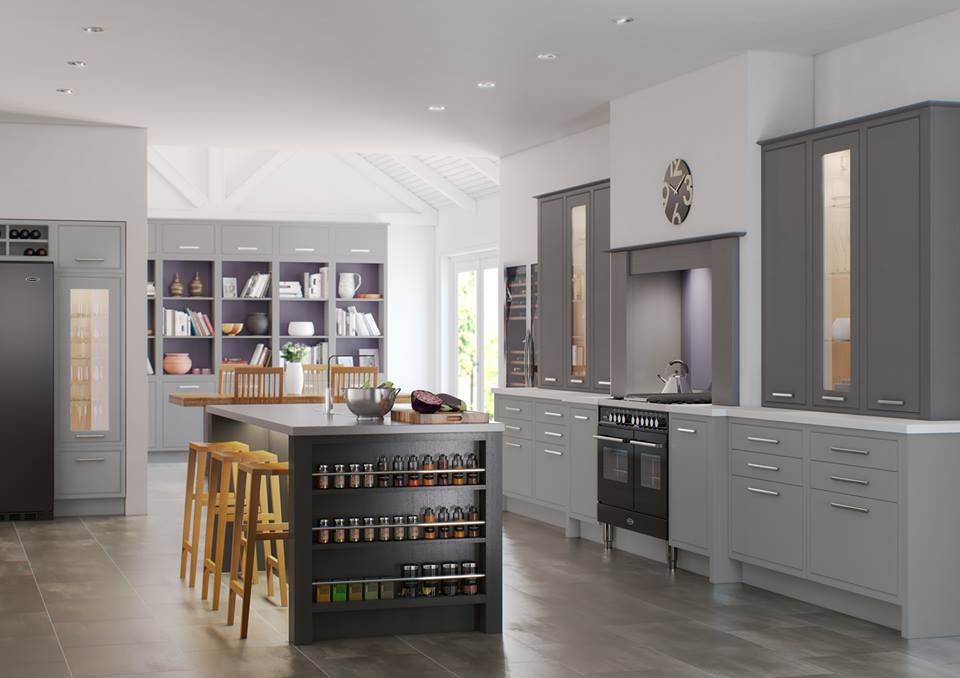
A kitchen renovation is one of the few home projects that has to look finished and work hard every day. Cabinets take the eye; drawers take the routine. When British manufacturer Mereway Kitchens introduced its Trend Interior collection as a more accessible route into the brand’s usual craftsmanship, the idea was straightforward: keep factory-built quality and clear style options, while opening the range to first-time buyers and households that could not stretch to the most expensive bespoke tickets.
Mereway has long been known in the UK for kitchens made with serious attention to doors, cabinets, and finish. Trend Interior was positioned as an alternative to typical DIY flat-pack kitchens—less of a weekend assemble-yourself kit, more of a designed, pre-built system delivered ready for professional fitting. That distinction matters. Materials stressed by on-site hacking and hurried screws rarely age as gracefully as cabinets assembled under factory control.
The collection’s finish story was built around choice without chaos. Textured wood-look options in Ivory, Wenge, Oak, and Graphite Slab gave contemporary and classic rooms different temperatures of timber character. A Shaker door range in finishes such as Warm Cherry, Walnut, Sanded Oak, and Light Oak spoke to people who wanted framed doors with a calmer, more traditional silhouette. Those names are design tools: Ivory softens a north-facing room; Graphite anchors a bright open plan; Oak warms stone floors; deep Wenge reads modern beside pale worktops.
Shaker doors remain a durable style bet because their geometry is honest. A flat center panel and a clear frame photograph well, take hardware cleanly, and suit both painted and woodgrain looks. Slab doors push the room toward continuous planes—useful in smaller kitchens where visual noise from too many frames can shrink the space. Mixing slab and Shaker in one run can work if you assign roles: slabs for tall banks, Shaker for the main working wall, for example. Random mixing usually looks undecided.
Factory pre-building is the practical heart of the Trend promise. Cabinets, doors, and drawers assembled before delivery reduce site improvisation. On arrival, fitting focuses on leveling, securing, and adding chosen handles rather than building boxes from scratch in a dusty room. Soft-close systems—such as Blumotion on drawers and soft-close hinges on doors—protect both the furniture and the household’s nerves. Soft closing is not a luxury flourish; it extends life by reducing slam impact and keeps a quiet open-plan evening quieter.
Budget kitchens fail when the savings show up as thin carcasses, weak runners, or doors that warp after one heating season. A manufacturer-backed range aimed at competitive pricing still needs those mechanical details to be real. When you evaluate any Mereway Trend Interior layout—or any comparable British factory kitchen—ask about carcass material, hinge brands, drawer load ratings, and how the guarantee covers doors versus cabinets. A multi-year guarantee is only as useful as the process for claiming it.
Designing for family use means planning zones before finishes. Prep near the sink and hob, storage for daily plates within easy reach, and a landing space for groceries beat a perfect sample-door photo. Trend Interior’s variety of finishes helps personalization, but personalization should follow function. A graphite slab island with ivory wall units can define zones without painting the whole room one mood. Handles should be chosen with wet hands and child height in mind; beautiful bars that snag sleeves become daily irritations.
Lighting and worktops finish the composition. Textured woodgrain doors want worktops that either contrast cleanly (pale quartz against dark slab) or continue the warmth (timber-toned laminates or oak). Shaker kitchens often suit classic worktops—stone effect, timber, or quiet solid surfaces—rather than ultra-gloss sheets that fight the framed doors. Under-cabinet lighting matters more once doors are dark; Graphite and Wenge hide shadows that Ivory would forgive.
Independent kitchen retailers and studio partners have historically been how Mereway reaches homeowners: design appointments, surveys, and installation teams rather than anonymous cart checkouts. That model suits kitchens because measurement errors are expensive. Even a well-made cabinet run fails if the survey missed a pipe chase or an out-of-square wall. Bring appliance specifications early—especially if you want integrated fridges or specific oven stack heights—so carcass sizes are ordered once.
If you are comparing Trend Interior to pure DIY, weigh time and risk as carefully as price. Flat-pack can look similar in a brochure and diverge after a year of humidity and heavy pans. Factory kitchens cost more up front for many households, but they often cost less in remakes. Ask for showroom doors you can open and close yourself; photographs flatten texture that your hand will judge better.
Color psychology is worth a short, practical note. Ivory and light oak enlarge small galley kitchens and bounce daylight. Graphite and wenge hide fingerprints better on busy family doors but need stronger task lighting. Warm cherry and walnut Shaker finishes sit happily with brass or bronze handles; cooler graphites pair with chrome or black. Sample boards under your actual window light before you commit—showroom LEDs flatter finishes that go muddy at home.
Storage planning is where “beautiful kitchen” becomes a livable kitchen. Deep drawers for pots, narrow pull-outs for oils, and corner solutions that you will actually use beat decorative open shelving that collects dust. Soft-close drawers invite heavy loading; respect the rated weight so runners last. If your household recycles carefully, plan a bin cabinet near the exit, not as an afterthought jammed beside the hob.
Installation day is disruptive; plan for it. Clear the old kitchen early, protect floors, and confirm who owns plumbing and electrics if those trades sit outside the kitchen supplier. A five-year-style manufacturer guarantee typically assumes correct installation—shortcuts void goodwill. Photograph the empty room and services before cabinets go in; documentation helps if anything later needs diagnosis.
Mereway’s Trend Interior collection, as presented around its launch period, was never only about a single showroom photo. It was about giving more households access to a finished look—textured woods, Shaker options, soft-close hardware, factory assembly—without pretending that every kitchen must be a one-off luxury commission. If it is time for a makeover, start with how you cook and gather, pick a finish family that suits your light, and insist on mechanics as carefully as you insist on door samples. A kitchen beautifies a home when it still feels calm after the hundredth busy weeknight.

Comments
Continue reading

Funny Animal Signs That Warn People (While Animals Ignore Them)
From a seagull on a no-birds disc to classic zoo and park ironies—why animal warning signs get funny, and what the rules are still for.

How to Find Local Amenities on Vacation: Mechanics, Haircuts & More
Locate trustworthy local services and everyday spots while traveling or settling in—using publications, reviews, map apps, neighbor tips, and low-pressure exploration.

Kristen Stewart for V Magazine, Spring Preview 2013
V81’s Wild at Heart cover story—Kristen Stewart shot by Inez & Vinoodh, styled by Joe McKenna, in pale minimal spring glamour.