
Handmade Coaster Sets: Photo Tiles, Wood, Ceramic, and Everyday Table Style
Handmade coaster inspiration across photo prints, wood, ceramic, and natural textures—plus practical notes on finishes, backs, and choosing a set that actually gets used.
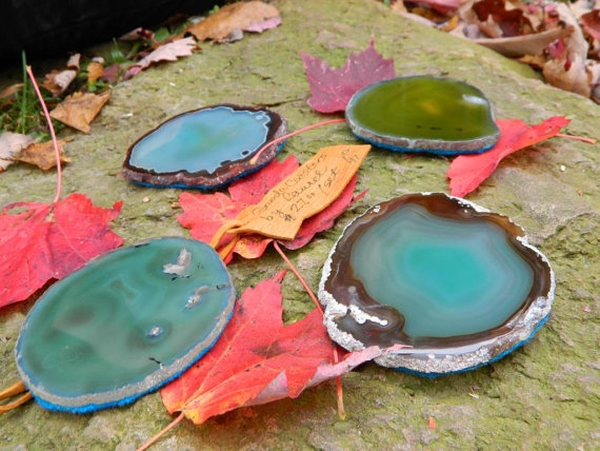
A coaster is a small object with an outsized job: it protects a table, steadies a glass, and quietly announces the mood of a room. Handmade sets do that work with more personality than a stack of plain cork discs. Wood, ceramic, felt, stone, resin, and photo-printed surfaces each change how a drink feels in the hand and how a coffee table reads from across the room. The collection below gathers handmade coaster ideas—from photo tiles to carved wood and patterned ceramic—worth studying if you want functional art instead of disposable cardboard.
When you choose a set, think in fours or sixes, not singles. Matching pieces look intentional; mismatched “found” coasters often look like leftovers. Also weigh practical details: sealed finishes for condensation, felt or cork backs to spare varnish, and edges that will not chip the first time someone stacks them roughly in a drawer.
Photo coasters turn everyday images into usable keepsakes. Instagram-era sets made the idea familiar: a grid of personal frames under glass or resin, ready for coffee cups and evening wine. The best versions use high-resolution prints, sealed surfaces, and absorbent or cork backs so moisture does not warp the photo layer. Pick images with strong composition and similar color temperature so the set feels like one story rather than a random camera roll dump.
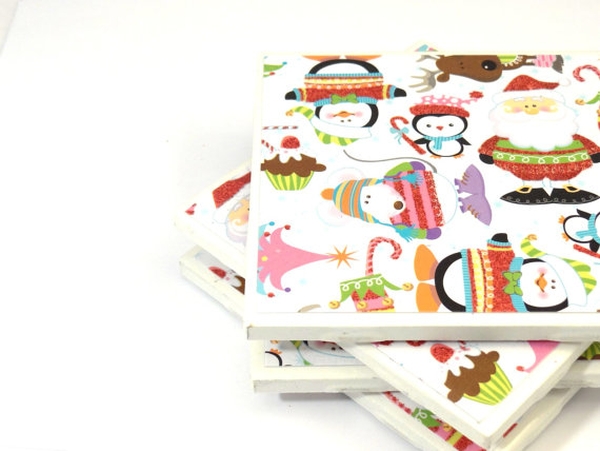
Graphic prints work when the motif is bold enough to read at coaster scale. Tiny text and busy maps often dissolve into noise once a mug covers the center. Favor simple icons, botanical line work, or typography treated as pattern. Matte finishes hide fingerprints better than high gloss in daily use, though gloss can look sharper under evening light.
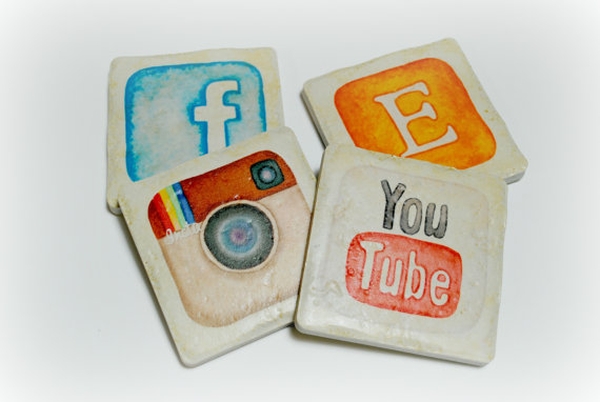
Ceramic and tile coasters bring weight and heat resistance. They suit hot mugs and cold glasses equally well if the glaze is sound and the underside is padded. Unglazed bottoms can scratch wood; bare clay edges can shed dust. Look for sets with cork or felt already applied, or add pads yourself before first use. A slightly raised rim helps catch drips without making the glass feel unstable.
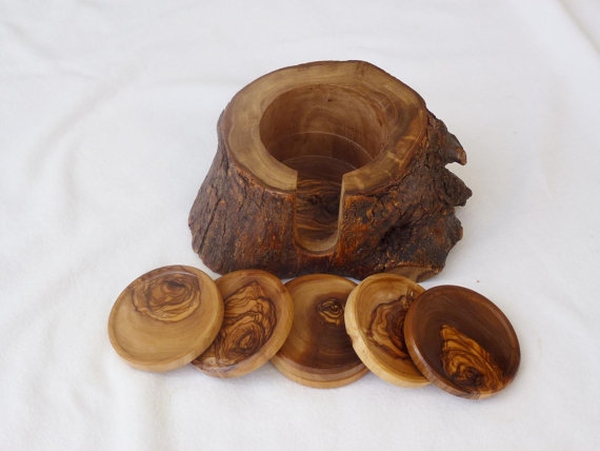
Wood coasters warm a table visually and physically. End-grain blocks, live-edge slices, and laser-etched boards each carry a different craft story. Seal thoroughly—food-safe oil or polyurethane depending on look—or water rings will become part of the design whether you want them or not. Avoid soft woods for heavy use; denser species stay flatter and mark less easily.
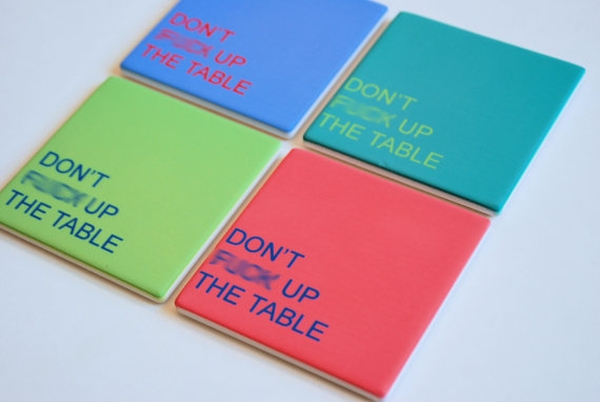
Repeating patterns—geometric tiles, ikat-inspired prints, or stamped motifs—make a set feel designed rather than collected. Consistency of scale matters: a pattern that looks elegant on a dinner plate can overwhelm a four-inch square. Test by imagining a dark mug covering the middle; the remaining border should still look finished.
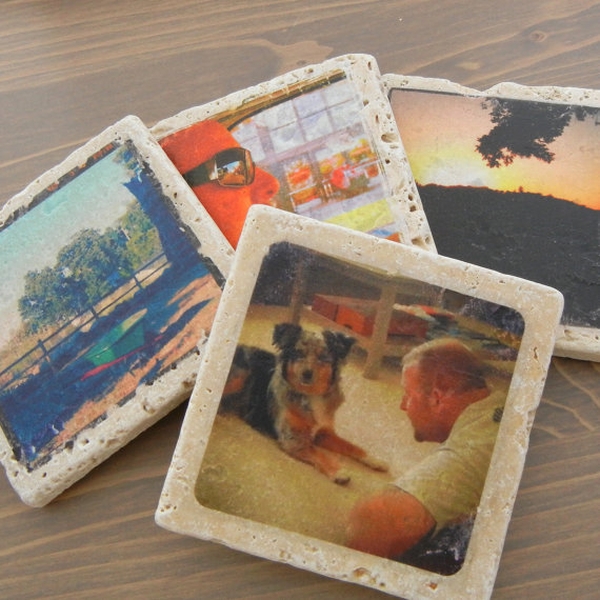
Square coasters stack cleanly and suit modern tabletops. Rounded corners reduce chipping in ceramic and soften the feel of wood. If your table is round or oval, squares still work, but consider a round holder or tray so the geometry does not fight the furniture. Store them nested or in a shallow caddy; loose stacks migrate under sofas with surprising speed.
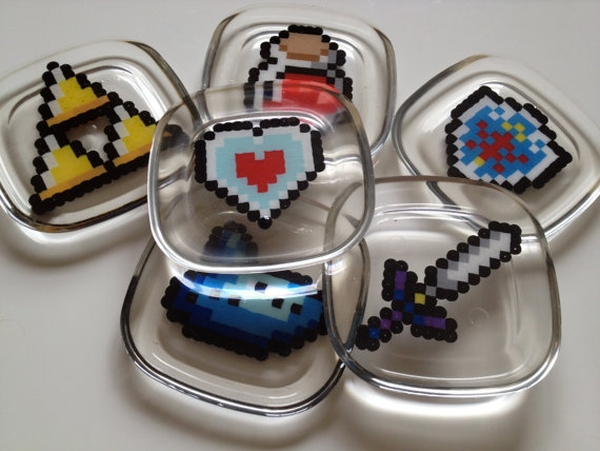
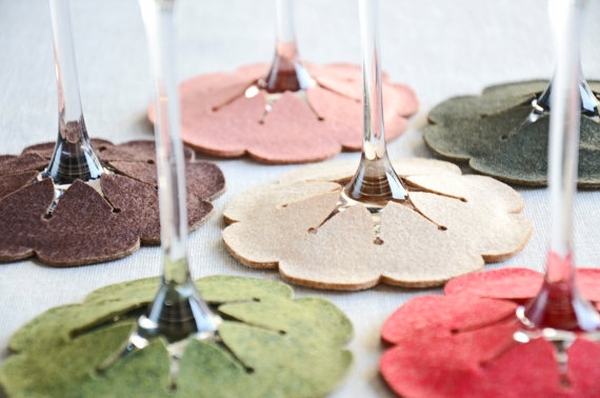
Colorful sets energize pale rooms and can echo throw pillows or art without matching exactly. Limit the palette to two or three related hues if the rest of the room is quiet. In already colorful spaces, neutrals with a single accent color often look calmer. Dye lots vary in handmade work; buy a complete set from one maker rather than mixing leftovers from different batches.
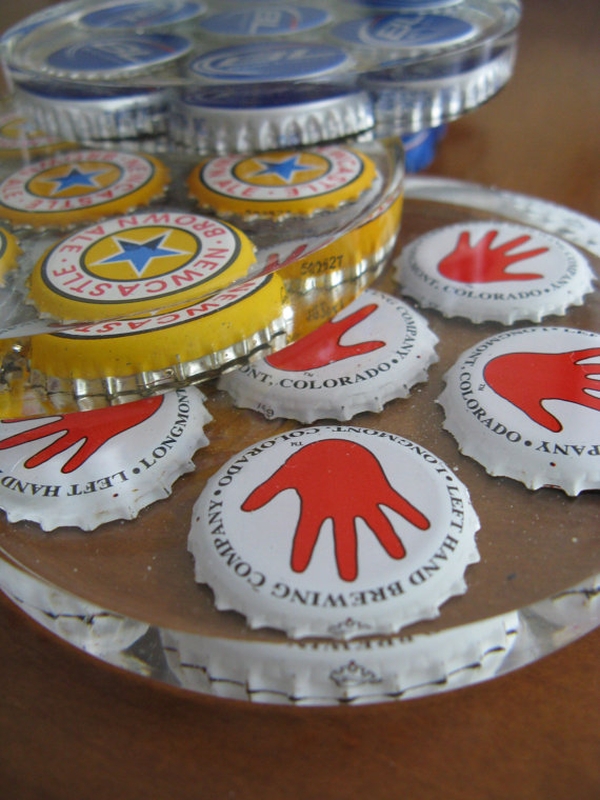
A tall stack signals hospitality: guests can take one without hunting. Choose a holder that matches the coaster material—wood with wood, metal with ceramic—so storage becomes part of the display. If you prefer open stacks, make sure bottoms are clean; grit trapped between pieces scratches finishes over time.
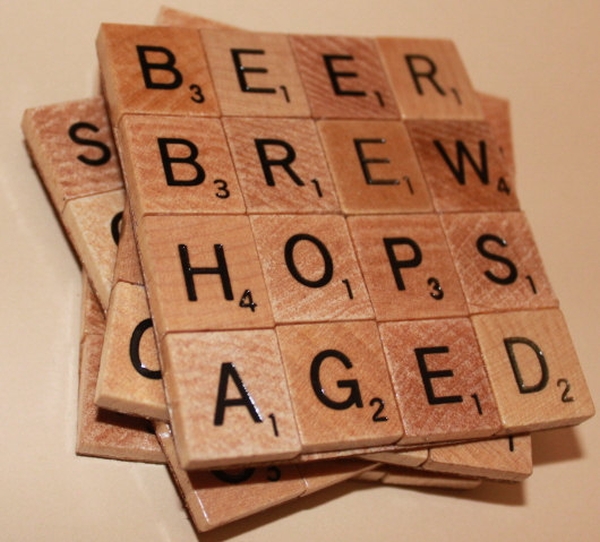
Natural textures—stone, slate, cork, felted wool—bring quiet tactile interest. Slate looks handsome but can leave dusty residue; wipe before placing on light wood. Felt is kind to furniture and soft under glass, though it stains more easily from red wine. Cork is classic, inexpensive to replace, and forgiving of condensation when thick enough.
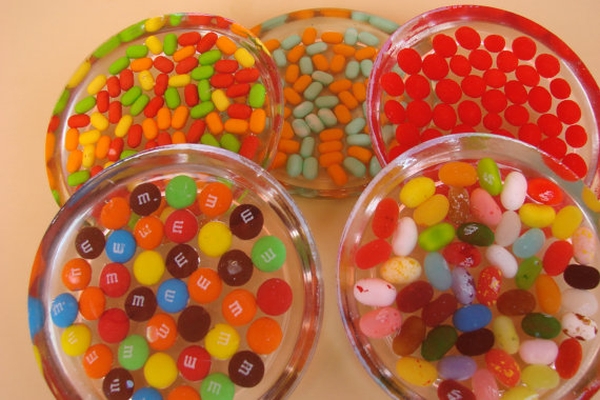
Mixed-motif sets work when a shared border, color, or material unifies them. Without that glue, the group can look like sample leftovers. If you love variety, keep shape and finish identical and let imagery vary. That approach suits travel photos, botanical studies, or a family’s rotating seasonal designs.
Minimal designs—plain wood, single-color ceramic, quiet embossing—age well because they do not fight changing décor. They also show water spots and fingerprints more honestly, so finish quality matters. A well-made plain coaster often looks more expensive than a busy printed one with weak edges.
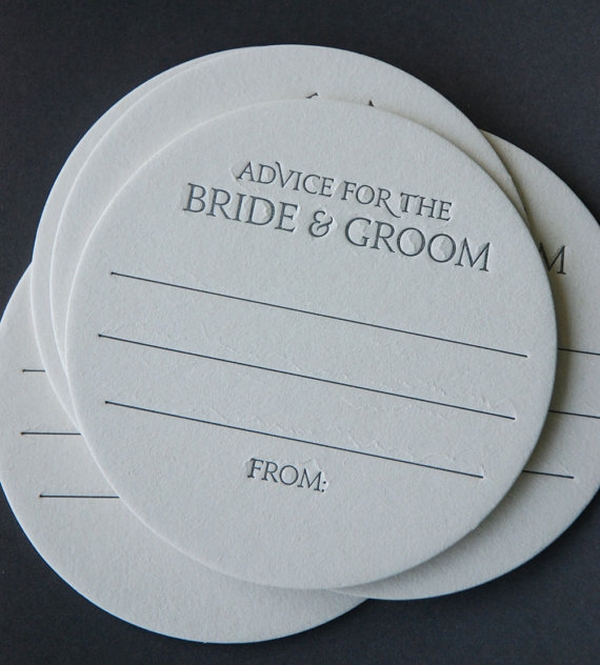
Upright or display-oriented pieces remind you that coasters can double as small table sculptures when not in use. Just confirm they still function: a sculptural rim that tips a wine glass is a bad trade. Balance beauty against the boring requirement that a glass sit level and secure.
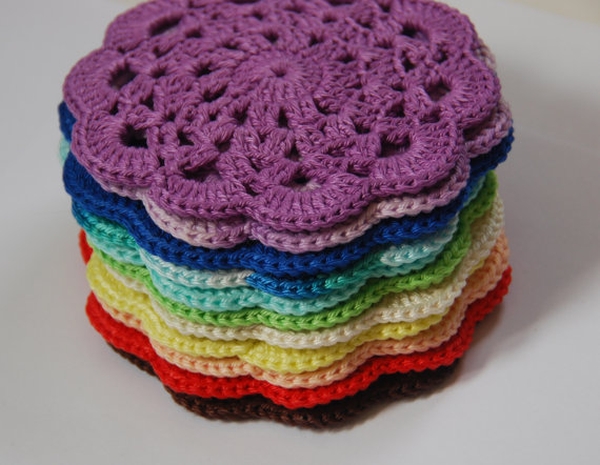
Craft detailing—stitching, inlay, pyrography, hand painting—rewards close looking. Guests notice those touches during long conversations. Protect painted surfaces with a clear coat rated for moisture, and avoid dishwashers unless the maker explicitly says otherwise. Most handmade coasters prefer a damp cloth and patience.
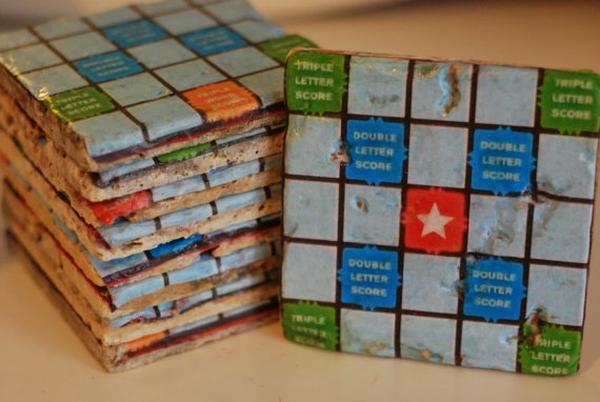
Everyday sets should survive weekday coffee, not only dinner parties. Prioritize absorbency or sealed tops, sturdy corners, and backs that will not leave black marks on pale lacquer. Keep a second, more decorative set for guests if you want both durability and display drama.
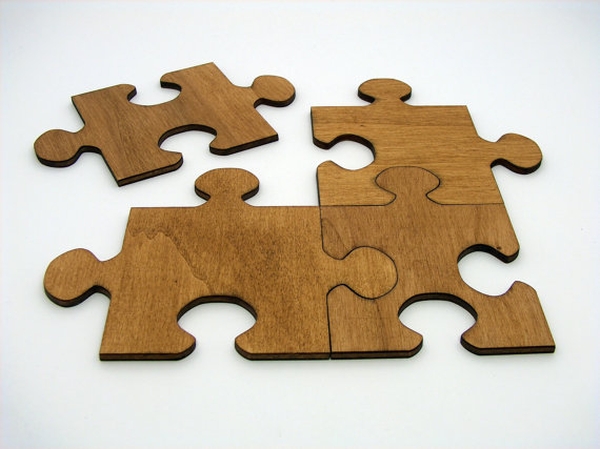
Hosting layouts benefit from coasters placed before drinks arrive. A small tray with four pieces near the sofa saves the scramble mid-conversation. If you serve both hot and cold drinks, choose materials that handle temperature swings; sudden heat on cold stone can stress some ceramics.
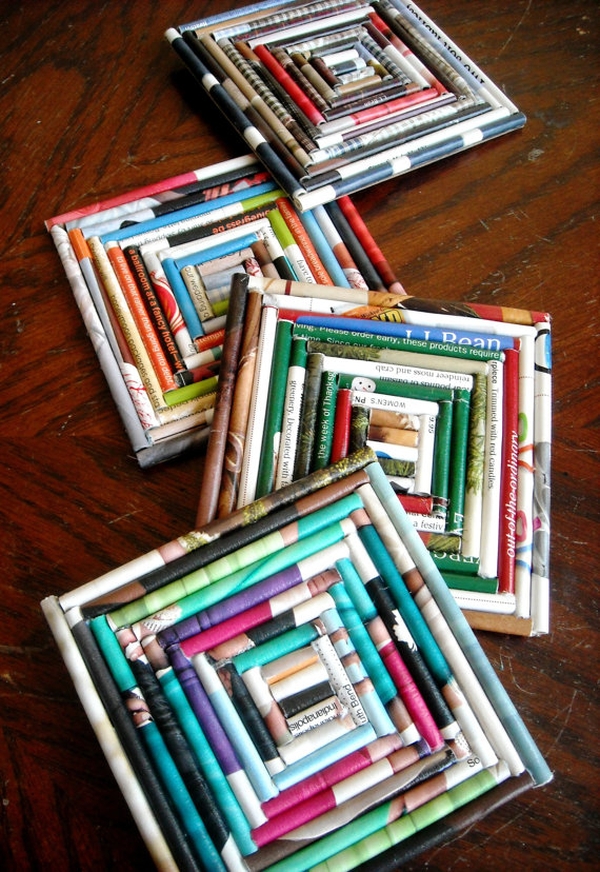
Vertical product shots exaggerate texture and edge quality—useful when shopping from photographs. In person, flip every piece: check for flatness, smell for unfinished resin or strong adhesives, and test a glass for wobble. Online beauty means little if the underside is rough.
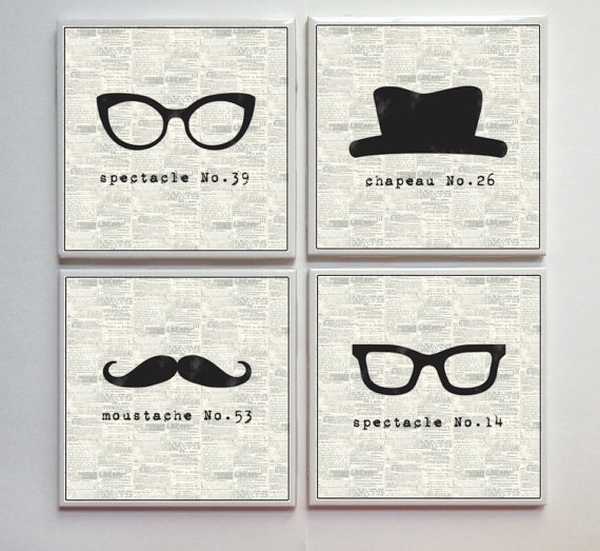
Warm-toned sets—honey wood, terracotta, cream glaze—suit rooms with oak, brass, and linen. Cool-toned sets—slate gray, blue glaze, white marble lookalikes—pair with steel, concrete, and cooler paint. Matching the coaster temperature to the room’s dominant materials keeps the table from feeling like a separate project.
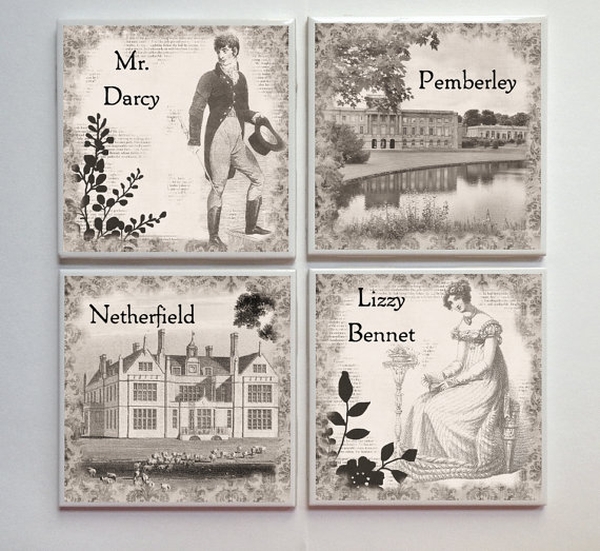
Soft finishes and muted prints read as calm in bedrooms and reading corners. In kitchens and bars, higher contrast can help pieces stay visible so they actually get used. Unused coasters, no matter how beautiful, fail their only job.
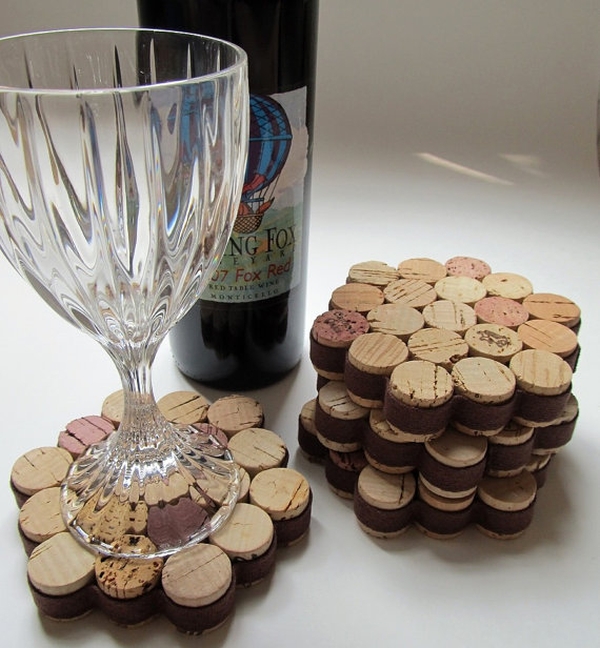
Handmade coaster sets make practical gifts: useful, personal, and easy to ship when well packed. Photo sets customized with travel or family images turn generic hosting into something specific. Include care notes—wipe, do not soak, re-oil wood yearly—so the gift lasts past the first holiday season.
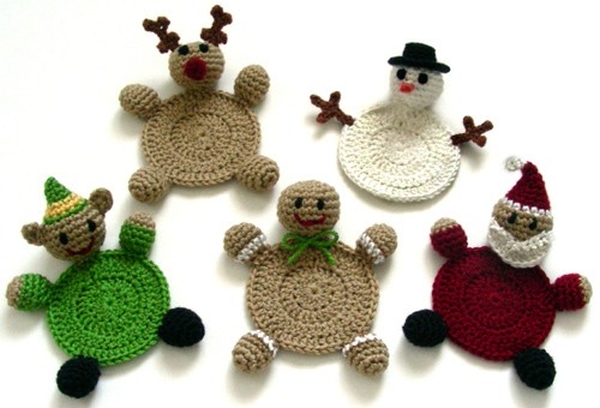
Before you buy or commission a set, decide where it will live: coffee table, dining sideboard, outdoor patio, or office desk. Outdoor use needs tougher sealers and UV-stable colors. Desk use favors thin profiles that do not fight keyboards and notebooks. Patio sets should survive sun and occasional rain without peeling.
Choose one material family, one visual mood, and enough pieces for your real guest count. A coherent handmade set will protect the furniture and still look worth keeping when the glasses are empty.

Comments
Continue reading
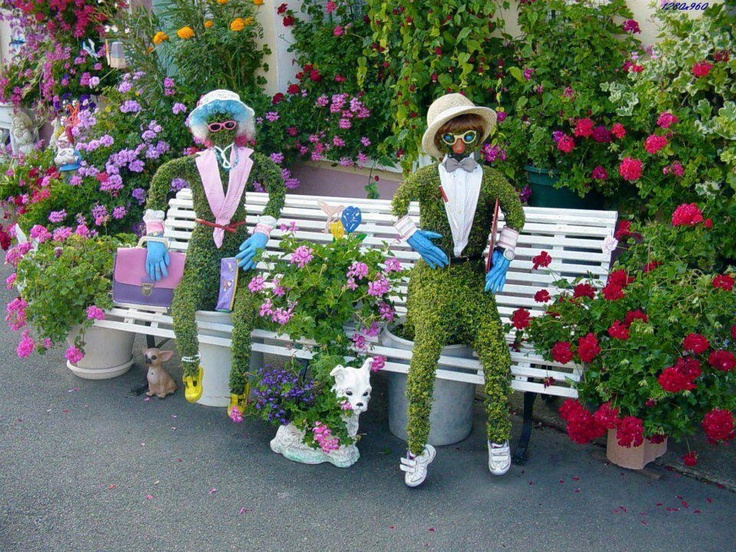
Garden Decoration Beyond Beds: Lace, Mosaiculture, and Upcycled Yard Art
From dressed topiary and floral cyclists to license-plate dragonflies and lace between trees—garden decorations that give a yard a voice.
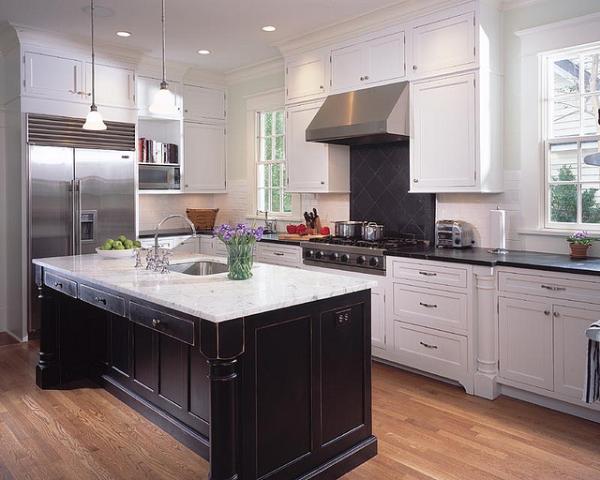
Kitchen Design Ideas: Layout, Storage, Light, and Finishes That Work
Practical kitchen design ideas—work zones, cabinetry, lighting, and durable finishes—so inspiration translates into rooms that cook and gather well.
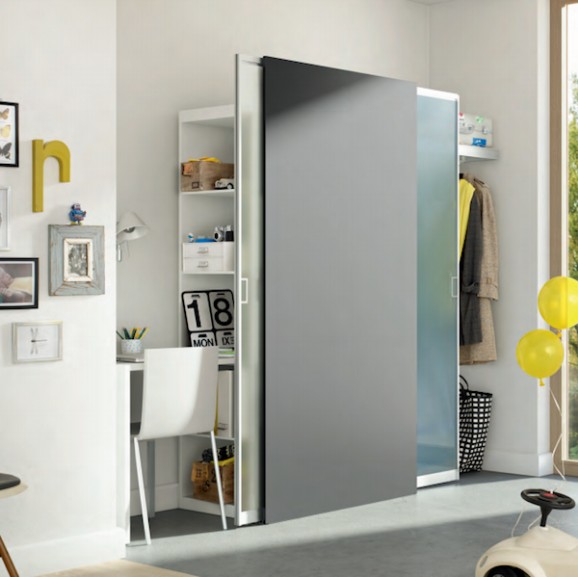
25 Cool Room Partition Ideas That Actually Divide Space
From frosted sliders and pallet screens to book towers and branch walls—twenty-five ways to carve rooms without building solid walls.