
DIY Christmas Wreath Ideas: Wood, Yarn, Ornaments, and Natural Materials
Handmade Christmas wreath ideas for your door—wood slices, yarn, ornaments, cork, pinecones, cinnamon, and paper—with practical build tips.
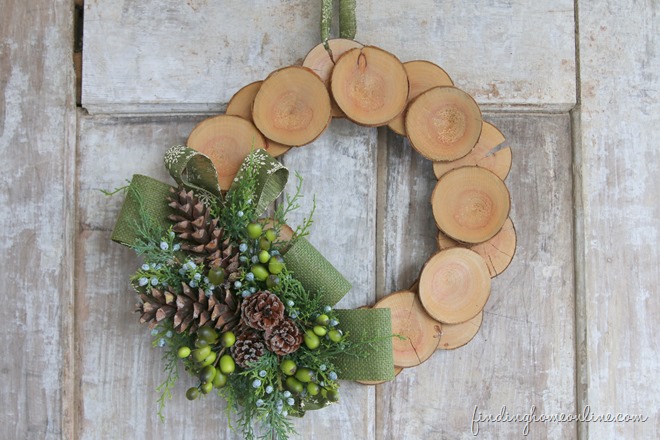
A Christmas wreath does more than fill an empty door. It sets the tone before anyone steps inside: rustic or polished, candy-bright or quiet evergreen, handmade or carefully assembled from thrift finds. Once Thanksgiving plates are cleared, the front door becomes the first holiday project that actually changes how a house feels from the street.
You do not need a craft studio. Most of the wreaths below start with a simple form—grapevine, foam, wire, or a recycled hoop—and build character with materials you can gather in an afternoon. The point is not perfection. It is a circle that looks like you made it on purpose.
Wood slices and burlap lean into cabin warmth without needing real greenery that sheds. Drill or glue thin slices onto a grapevine base, leave irregular gaps so the ring still breathes, and wrap a wide burlap ribbon as a soft collar. A small cluster of berries or twine bows keeps the palette honest. Hang it with a thick ribbon rather than a thin wire if your door paint chips easily.
Candy, sugar, and playful color
Not every wreath has to look forest-born. Gumdrop-style forms, sugarplum accents, and glossy ornament clusters turn the door into a confection—especially useful for apartments where fresh pine is impractical, or for households that want a kid-friendly greeting.
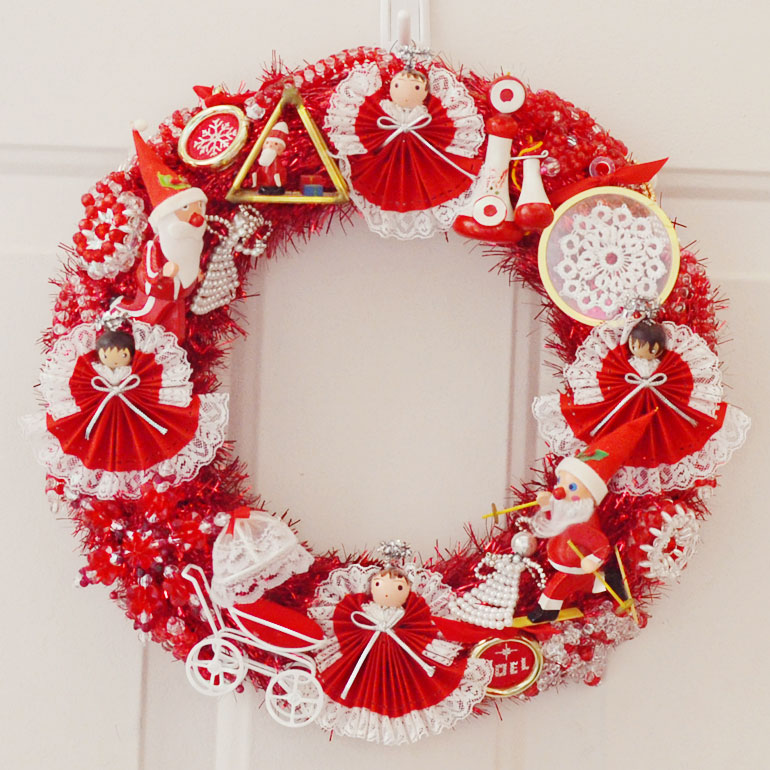
Work in sections rather than scattering sweets randomly. Group similar colors in arcs so the eye travels around the circle. Hot glue cools fast on cold porches; warm the foam or wire ring indoors first so attachments hold. If you use real candy, expect stickiness and insects on mild days—sealed plastic “candies” or painted foam shapes survive the season better outdoors.

Pastel sugarplum looks pair well with white lights nearby, not blasting floodlights. Soft color disappears under harsh LEDs; a warm bulb beside the door makes the wreath read as dessert rather than plastic.
Yarn, bows, and soft texture
Yarn wreaths and bow-heavy designs reward patience more than skill. Wrap a foam ring tightly so little white base shows through, then change yarn color every few inches for a striped or ombré effect. Retro yarn looks especially strong in red, cream, and forest green.
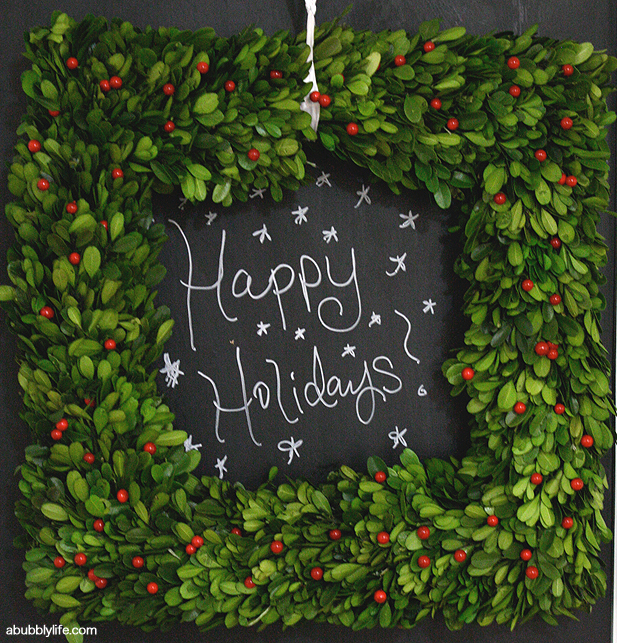
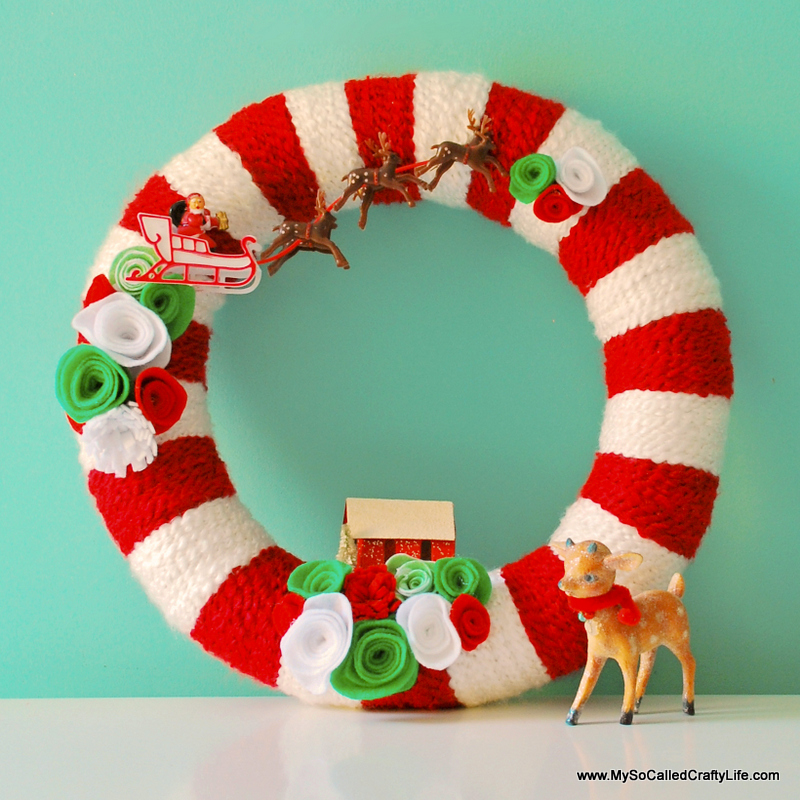
Bow wreaths work best when ribbon widths vary. Mix a wide satin with a narrower patterned ribbon so the circle does not look like one flat loop repeated. Secure each bow with floral wire pushed into foam; glue alone often fails when a door slams. Leave a small open wedge at the bottom or top if you plan to hang a monogram letter later.
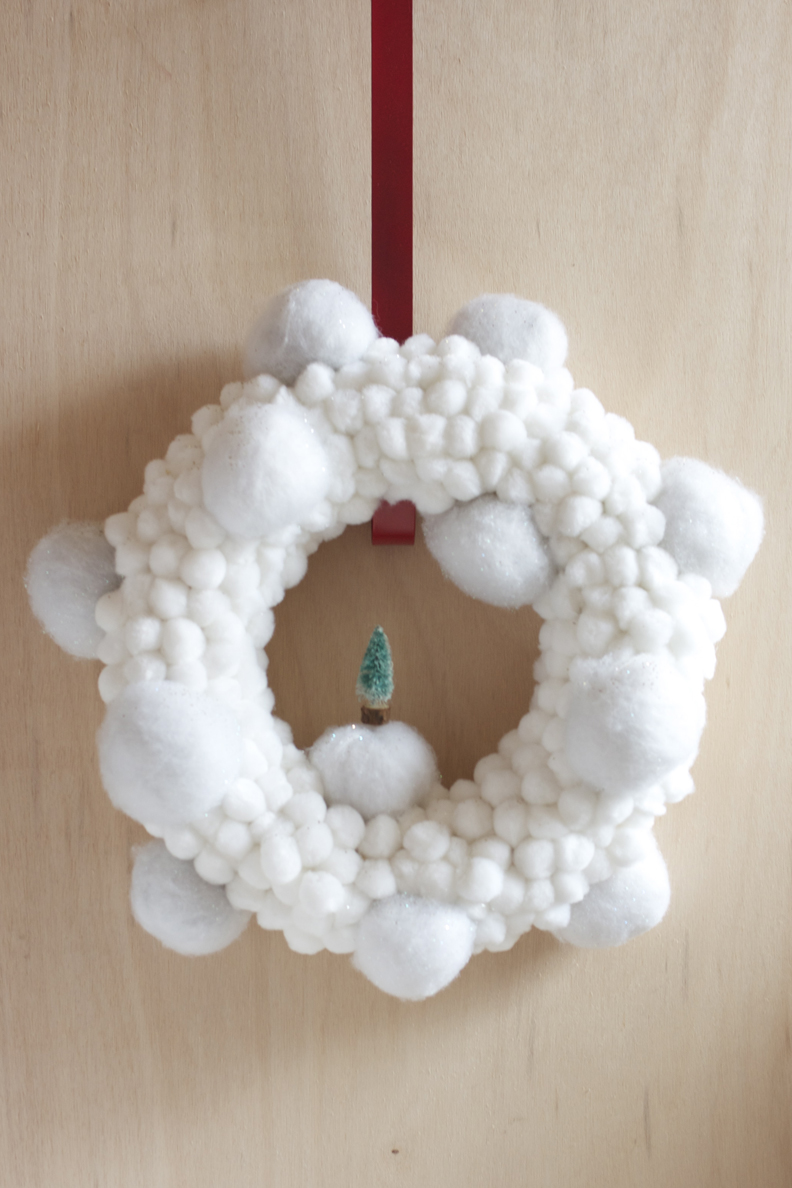
Natural materials: cork, pinecones, cinnamon
Natural wreaths age gracefully and smell like the season. Corks, cones, and spice sticks also photograph well and store flat when disassembled carefully at January’s end.
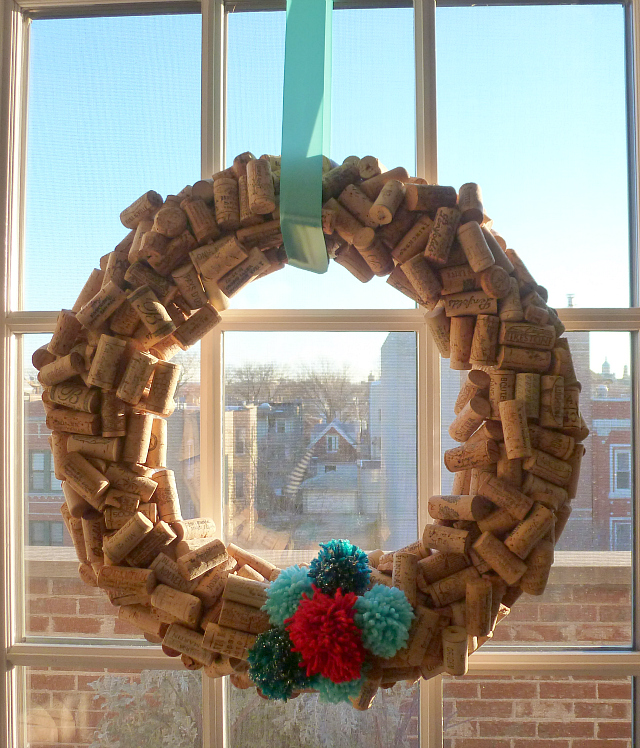
Save wine corks through the year, or buy craft corks in bulk. Cut some on a diagonal for visual rhythm, glue cut faces to a foam ring, and fill gaps with whole corks. A light spray of matte sealant helps outdoors. Pair with a simple velvet ribbon—busy patterns fight the cork texture.
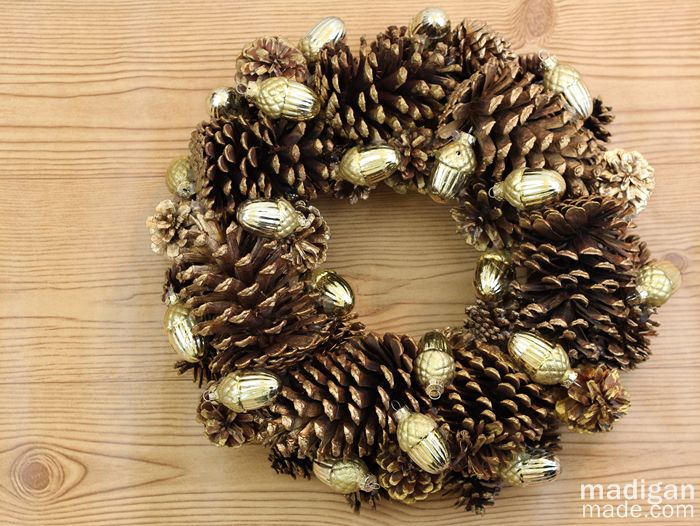
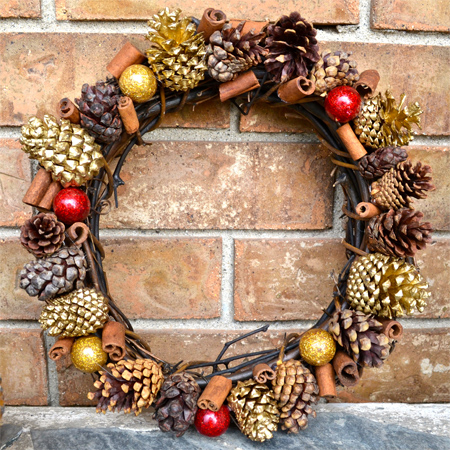
For pinecones, bake briefly on a low oven setting to discourage insects, then cool fully before painting. Dry-brush gold or silver on the tips only; full coverage looks heavy. Wire cones to a grapevine base rather than relying on glue alone—weight matters when wind hits an exposed door.
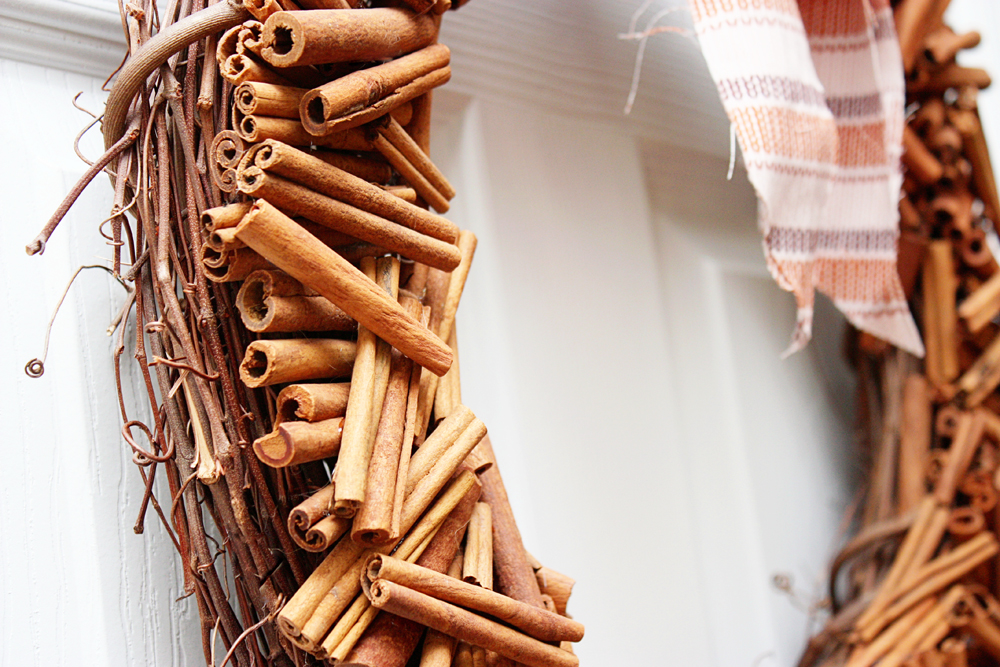
Cinnamon sticks bundled with twine create a fragrant ring that guests notice before they knock. Bundle sticks in small packs, wire those packs around a form, and tuck dried orange slices or star anise into gaps. Keep the wreath out of direct rain; spice finishes dull when soaked.
Ornaments, metallics, and thrift finds
Ornament wreaths are a classic for a reason: unbroken balls from a thrift bag become a dense, reflective circle that catches porch light after dark.
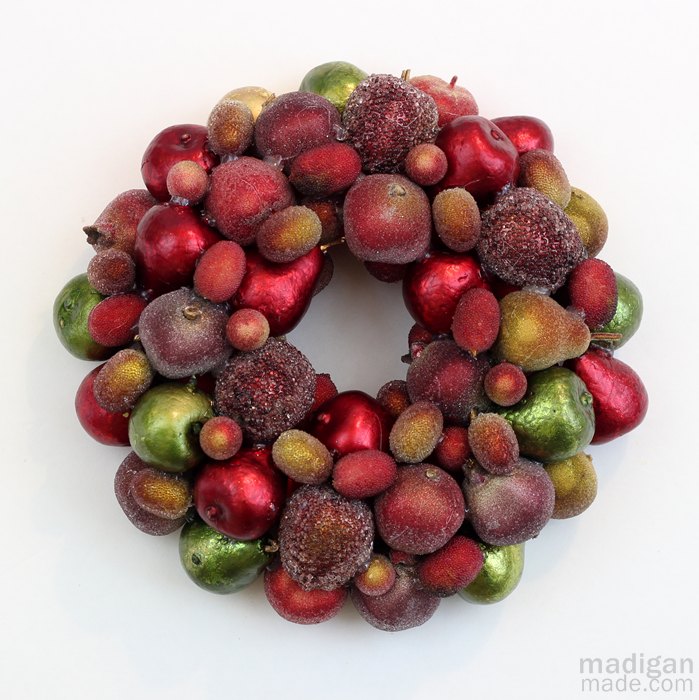
Use a wire wreath frame and floral wire. Start with larger ornaments as anchors, then fill with smaller ones. Mix matte and shiny finishes so the surface does not glare into a single hot spot. If the wreath will sit outdoors, prefer shatterproof ornaments; real glass looks richer but breaks when a door swings hard against a wall.
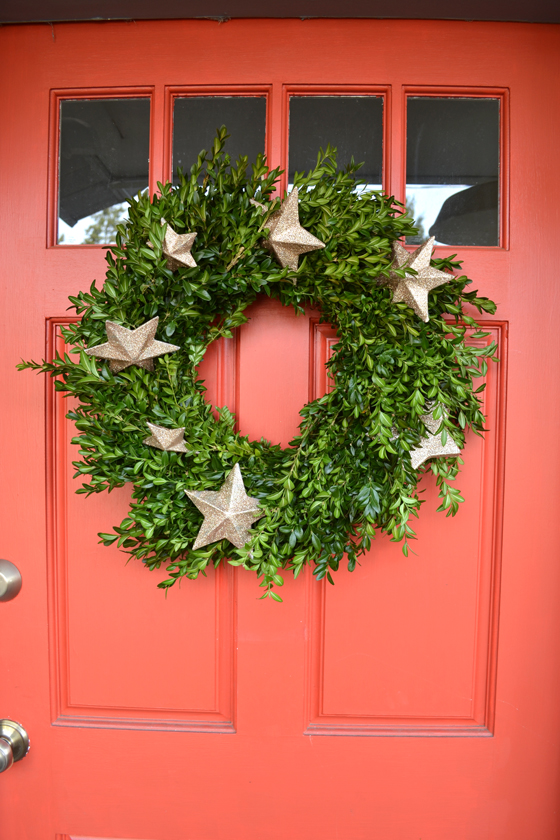
Metallic stars and sparse greenery read modern without becoming cold. Limit the palette to two metals—say brass and soft gold—and let real or faux evergreen fill negative space. Too many charms turn the circle into a jewelry drawer.
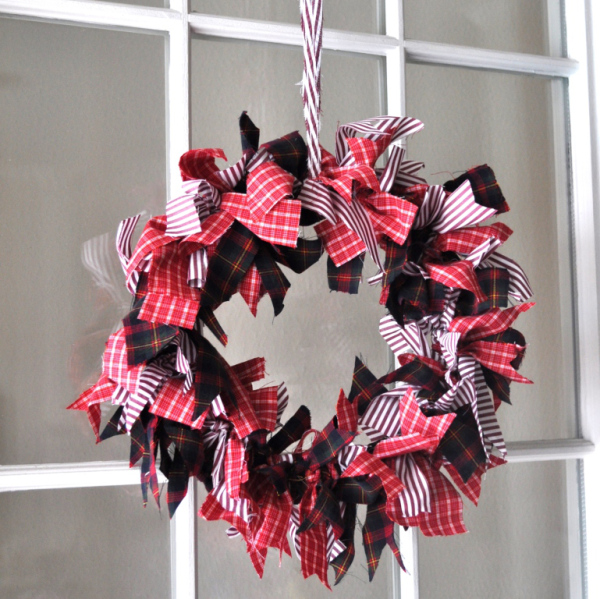
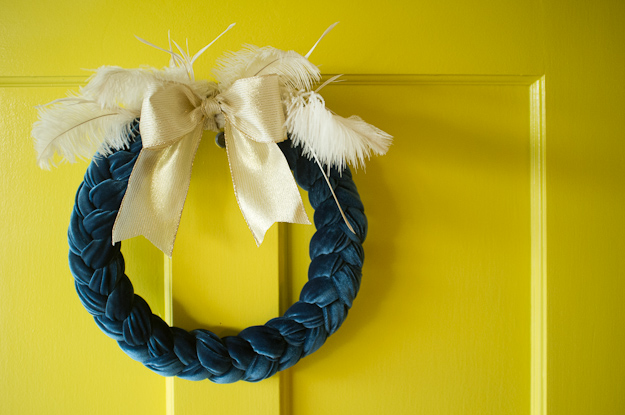
Rag wreaths from flannel, wool scraps, or even necktie fabric are forgiving weekend projects. Cut strips, knot them onto a wire frame, and push knots tight as you go. Menswear-inspired textures—tweed, pinstripe, charcoal—look sharp against white trim. For a quieter modern look, keep materials to one neutral and one accent, and leave intentional gaps so the door color shows through.
Paper, books, and kid-friendly builds
Paper wreaths suit renters and anyone who wants a project that packs flat later. Book pages, sheet music, or kraft paper cones can be rolled, folded, or stacked into a full ring.
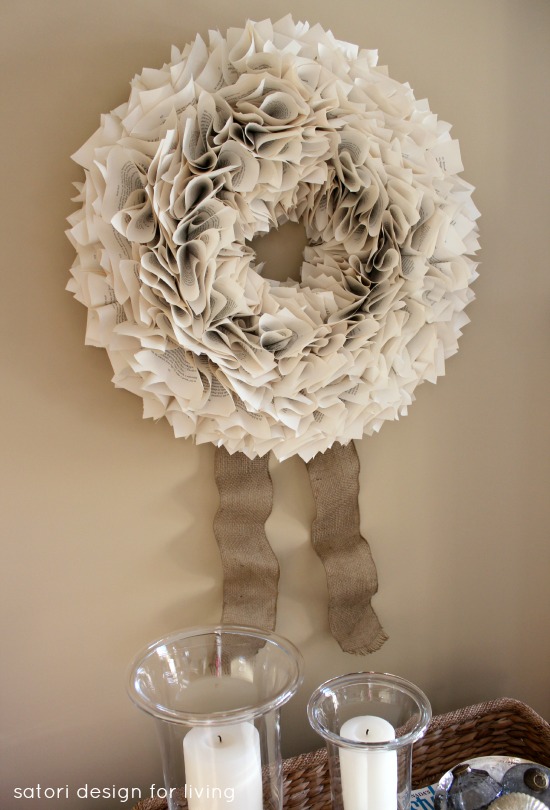
Use pages you do not mind cutting. Roll cones, glue seams, and layer them densely around a cardboard ring. A light mist of clear sealant helps pages resist humidity. Avoid placing paper wreaths on doors that face driving rain.
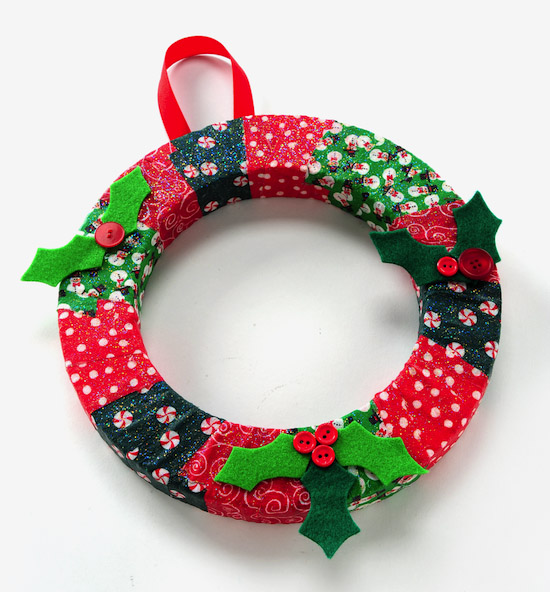
Kid-friendly versions can use foam balls, felt shapes, pipe cleaners, and pre-cut greenery sprigs. Give children a limited tray of materials and a section of the ring to claim; adults handle the hot glue and hanging hardware. The finished piece does not need to match a magazine—hand-cut stars and uneven spacing are part of the charm.
Quick build checklist
- Choose a base that matches weather exposure: grapevine and wire for outdoors, foam and paper for covered porches.
- Pick one dominant material and one accent so the circle reads clearly from the sidewalk.
- Secure heavy elements with wire, not glue alone.
- Test the hanger on the door before finishing the face—adjusting later often damages attachments.
- Photograph your wreath in daylight; porch lights change color and can hide texture.
Hang the wreath, step back to the curb, and check silhouette. If the circle looks sparse, add one more cluster—not ten scattered bits. If it looks busy, remove a single loud element. A good holiday door rarely needs another trip to the craft aisle; it needs one clear idea carried all the way around the ring.

Comments
Continue reading

How to Make a 4th of July Wreath
Build a patriotic door wreath with ribbon, mesh, rope, or star motifs—materials, step-by-step methods, hanging tips, and weatherproofing for July heat.
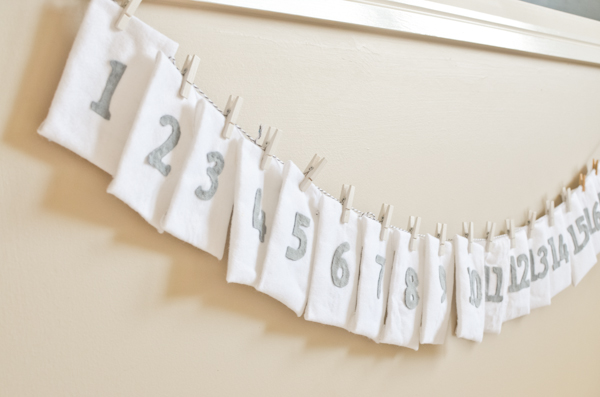
20 DIY Advent Calendar Tutorials to Make Before December
Twenty handmade advent calendar projects—felt envelopes, shipping tags, take-out boxes, sock lines, jars, magnets, and pocket walls—for a crafty Christmas countdown.

Homemade Christmas Gifts Worth Making
A practical guide to DIY Christmas gifts—wearables, home projects, kids’ crafts, batchable jar gifts, and upcycled ideas—built around people, not link lists.