
Homemade Christmas Gifts Worth Making
A practical guide to DIY Christmas gifts—wearables, home projects, kids’ crafts, batchable jar gifts, and upcycled ideas—built around people, not link lists.

Christmas arrives faster than the calendar admits. One week you are still thinking about autumn light; the next, you are standing under a tree strung with warm bulbs, wondering what to put in the boxes beneath it. Store shelves will always offer volume. Homemade gifts offer a different currency: time made visible. A scarf that took evenings, a jar candle poured at the kitchen table, a pencil case stitched from leftover fabric—these objects carry proof that someone paid attention.
The original impulse behind this roundup was simple: gather DIY directions people could actually finish before the holiday, sorted by who might receive them. That spirit still holds. Imperfections are not failures here. A slightly uneven seam, a homemade label written in ordinary handwriting, a coaster that looks more charming than commercial—those marks often become the part a recipient remembers. Care shows through finish, not through factory perfection.
Start with the person, not the Pinterest board
The fastest way to drown in December crafting is to choose projects because they photograph well. Choose instead by use. Does this person wear soft layers in winter? Do they cook, garden, commute with a tablet, read on the train, keep a nursery tidy, or live in a small apartment that cannot absorb more décor clutter? A useful gift beats a trendy one that becomes guilt on a shelf by February.
Also match ambition to your real calendar. A complex knit for every relative sounds generous until midnight arrives three nights running. One strong handmade piece plus thoughtful wrapping often lands better than five half-finished experiments. Batch where you can: pour several candles in one session, cut coaster shapes while a movie plays, label soaps while the first batch cures. Christmas DIY rewards rhythm more than heroics.
Budget matters without apology. Homemade does not automatically mean free—yarn, jars, frames, and quality ribbon add up—but it does let you steer cost toward materials instead of branding. Thrift-store frames, leftover fabric, corks, old tees, and lace doilies can become gifts that look intentional rather than scavenged when you finish them cleanly and wrap them with care.
Warmth you can wear: gifts for friends who love soft layers
Winter accessories remain the classic homemade category for a reason. Scarves, arm warmers converted from socks, ear warmers, and beanies are wearable proof of hours. Knit and crochet work especially well as Christmas gifts because texture reads as comfort even before the first wearing. Choose fibers that feel good against skin; scratchy “bargain” yarn can turn a loving project into something that lives in a drawer.
If fiber arts are not your lane, felt flowers, simple jewelry, belts, hair accessories, and headbands offer faster paths to personalization. Color is the easy custom lever: match a favorite coat, a school color, a quiet neutral they already wear constantly. Keep metal findings and adhesives solid enough for real use. A necklace that sheds beads by New Year’s is not a charming story.
Presentation elevates wearable gifts. Fold soft items into tissue, tuck a handwritten care note (hand wash, lay flat, avoid high heat), and skip packaging that fights the handmade mood. The tree in the lead image—warm lights, red and gold parcels, a quiet indoor glow—is a reminder that wrapping is part of the gift’s first sentence. Metallic paper and a real ribbon are not frivolous if they make opening feel ceremonial.
Home-centered gifts for parents and friends
People who already own enough clothes often light up for objects that improve daily rooms. A small terrarium or miniature garden model brings living green into winter apartments. Slippers warm feet and signal rest. A thrifted frame refreshed with new paint or glass can hold a photograph that already means something. A picture-frame tray turns an orphaned frame into something that serves coffee, remote controls, or breakfast in bed.
Rugs and larger textile projects are ambitious but memorable if you start early. Even a small bath mat or bedside runner made from scrap fabrics can feel luxurious because it is unique. Tablet cases protect a tool many adults touch every day; fabric choices let you nod to someone’s taste without buying another mass-produced sleeve.
Father’s Day roundups often hide year-round ideas that work for Christmas too: desk organizers, photo displays, grilling-adjacent kitchen helpers, or simple leather-and-canvas projects. Translate the holiday label and keep the usefulness. The point is not to recycle an old blog category; it is to remember that “for parents and friends” usually means gifts that respect their time and their house.
Soft and sturdy: babies and kids
Gifts for little ones should pass a practical filter first: safe materials, washable surfaces where possible, no loose parts for infants, and finishes that survive sticky hands. Baby mobiles and blankets sit at the gentle end of that spectrum—soft motion above a crib, warmth for stroller weather. Choose secure attachments and fabrics meant for skin contact; skip glitter that sheds and paints that smell sharp.
School-age kids often love objects they can claim as theirs: pencil cases, backpacks, handmade toys, play dough mixed in the kitchen. Pencil cases are especially satisfying DIY projects because they teach zipper or button logic and can be decorated without needing couture skill. Backpacks demand more construction confidence; if sewing seams under load is new to you, scale down to a simple drawstring bag or a decorated pouch that still feels special.
Play dough and handmade toys turn giving into shared activity. Package dough with cookie cutters and a note that it can be remade together. DIY toys—simple dolls, wooden shapes, felt animals—invite play without demanding batteries. The gift becomes an afternoon, not only an object under the tree.
One project, many recipients: candles, soap, coasters, and soft goods
Some homemade gifts travel well across ages and tastes. Mason jar candles are the perennial example: fragrance you can choose, jars you can decorate, and a process that batches cleanly. Felt coasters—frogs or otherwise—protect tables and add a wink of color. Pillowcases refresh a bedroom with relatively little fabric and a lot of visual impact. Homemade soap, carefully cured and wrapped, feels spa-adjacent without requiring a store receipt.
Bookmarks suit readers of every generation and can be made from paper, fabric, leather scraps, or laminated illustrations. Burlap projects—runners, sachets, rustic ornaments—bring texture that photographs beautifully under tree lights. Homemade air fresheners, if made with restraint, scent closets and cars without the plastic look of many commercial versions; keep fragrance moderate so the gift does not overwhelm small spaces.
These “for everyone” projects are ideal when your list is long. Make a base version, then customize labels, colors, or add-ons. One candle session can cover coworkers, neighbors, and teachers if you plan jar counts and drying time honestly.
Recycle, reuse, repurpose—without looking like leftovers
Some of the most thoughtful Christmas gifts begin as materials already in the house. Old socks become warmers or soft toys. Corks become stamps, trivets, or tiny seasonal ornaments. Lace doilies turn into framed art, candle wraps, or delicate appliqué on plain fabric. Tired T-shirts become yarn, quilting squares, market totes, or soft rag rugs. Mason jars leave the pantry and become lanterns, dry-good gifts, or candle vessels.
The craft challenge is finish. Upcycling fails when the “before” life of the object still shouts. Clean thoroughly. Trim edges. Dye if needed. Add a new element—fresh stitching, a painted rim, a quality ribbon—so the recipient sees intention. A pencil case made from something once discarded should look chosen, not rescued in haste.
Repurposed gifts also carry a quiet seasonal ethic: less new plastic, more attention. That message does not need a lecture tag. It can live in the object’s honesty—visible fabric grain, cork texture, the slight irregularity of handwork—wrapped as carefully as anything bought.
A working plan for the weeks before Christmas
List recipients first, then assign one project family per person rather than browsing endlessly. Block two or three craft sessions on the calendar the way you would block errands. Buy materials in one trip. Finish wrapping at least three days early so the holiday itself is not a production crunch. If a project stalls, switch to a simpler backup from the “everyone” list rather than abandoning the handmade idea entirely.
Photograph your finished pieces in good daylight before you wrap them. Not for social media pressure—for your own record of what worked, what sizing ran long, which fragrance was too strong. Next December becomes easier when this December leaves notes.
Under a lit tree, red and gold parcels already look like celebration. What is inside can be quieter and more personal: something warm for a friend’s commute, something green for a parent’s windowsill, something soft for a baby’s nap, something useful for a desk, something remade from what you already had. Homemade Christmas gifts are not a contest against catalogs. They are a way to put hours into someone else’s ordinary days—and to let those days keep a little December light after the ornaments go back in the box.

Comments
Continue reading
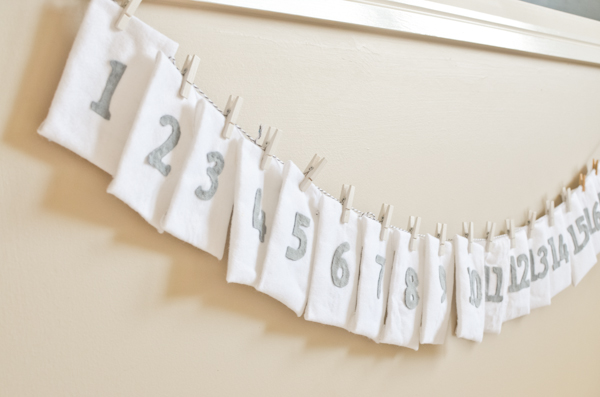
20 DIY Advent Calendar Tutorials to Make Before December
Twenty handmade advent calendar projects—felt envelopes, shipping tags, take-out boxes, sock lines, jars, magnets, and pocket walls—for a crafty Christmas countdown.
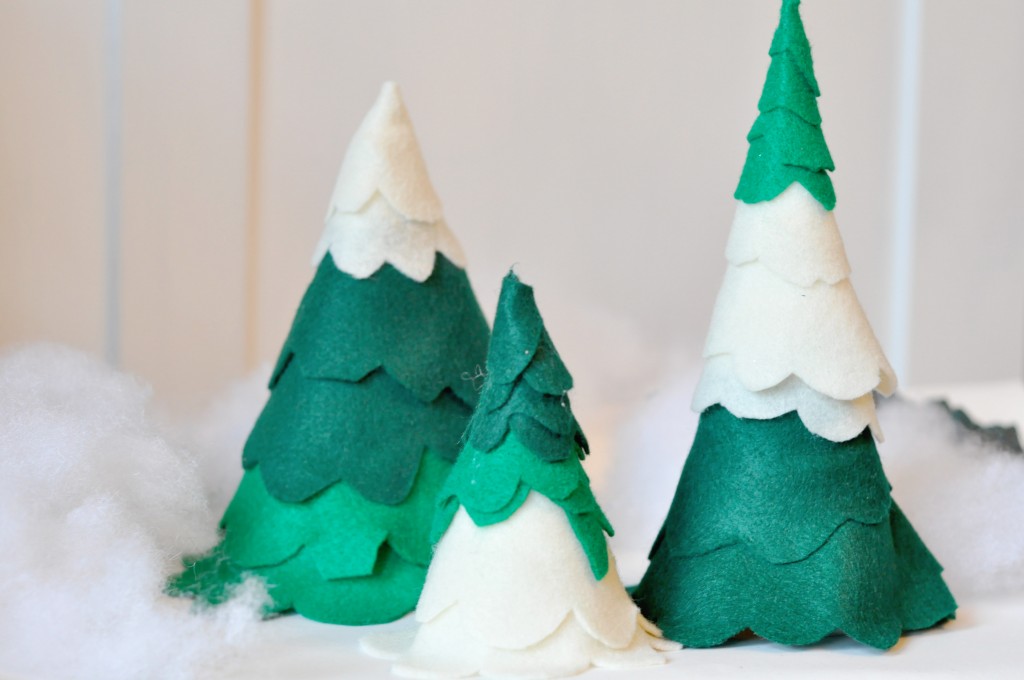
Mini DIY Christmas Trees for Mantels, Tables, and Small Spaces
Paper, felt, pom-pom, pine-cone, spoon, and upcycled mini trees—materials, display tips, and a simple weekend plan for a handmade holiday forest.
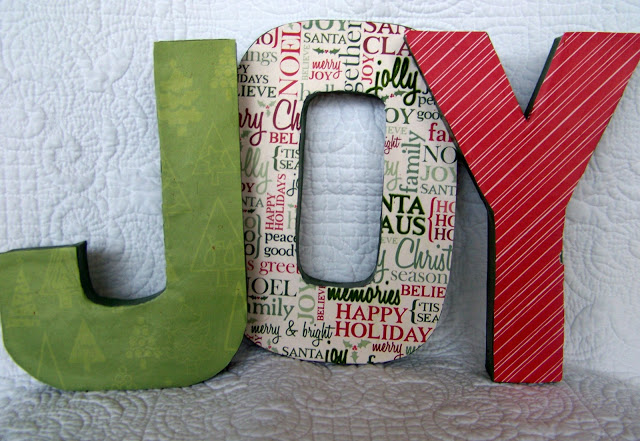
13 DIY Christmas JOY Sign Tutorials for Mantels and Walls
Thirteen ways to make Christmas JOY signs—Mod Podge, glitter, string art, plaid letters, chalkboard, tin luminaries, yarn wrap, and more—with materials and steps for each.