
Long Dark Hair Inspiration: Waves, Sleek Length, and Face Framing
Examples of long dark hair—soft waves, clean parts, texture, and face framing—with notes on color depth, care, and how length photographs.
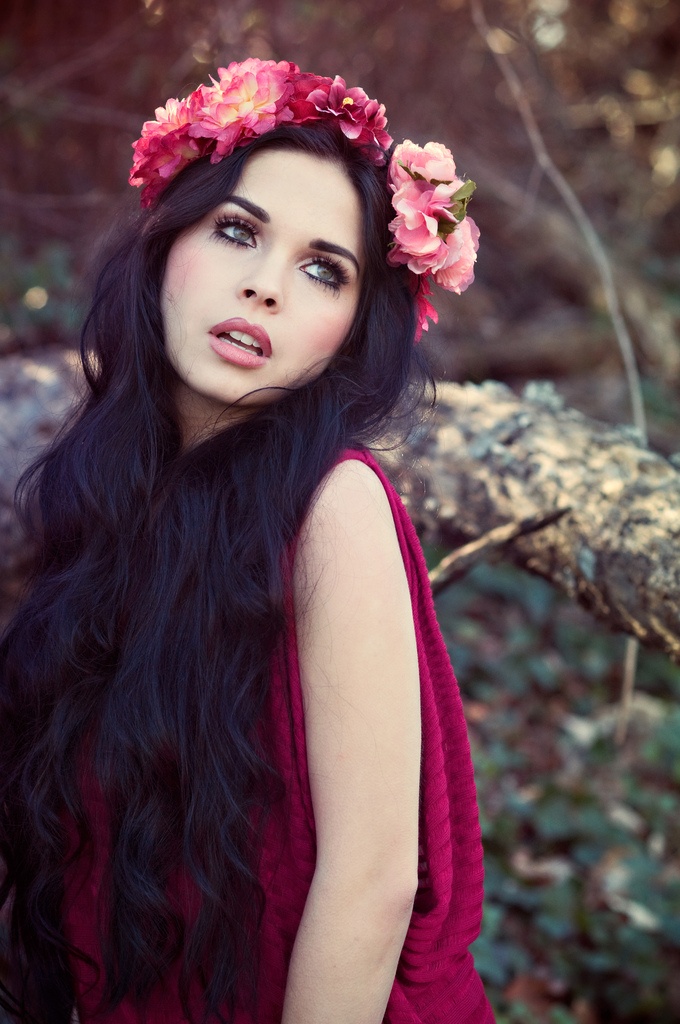
Long dark hair carries light differently than blonde or copper. Highlights sit as soft ribbons instead of bright flashes; shadows deepen along the length; movement shows as a continuous line rather than a scatter of pale strands. That is why a simple photograph of dark hair can feel richer than a complicated style—the color already does half the work.
The images gathered here are not a single runway trend report from one season. They are examples of how length and depth work together across everyday looks: straight sheets, soft waves, side parts, center parts, draped shoulders, and the occasional tuck that keeps weight off the face without cutting the silhouette short. If you are growing hair out, choosing a color, or simply collecting references before a salon visit, treat these as a mood board with practical notes attached.
Soft waves on dark hair read as volume without needing heavy product. The troughs of each wave catch ambient light; the peaks stay nearly matte. If you style at home, work with a large barrel iron or flat-iron bends, then cool the hair completely before brushing through. Brushing hot waves collapses them into frizz, especially on darker pigment that shows every flyaway against skin and clothing.
For waves that last past lunch, mist a light hold spray into mid-lengths while the hair is still shaped, then leave it alone. Touching dark waves repeatedly transfers oil from hands and breaks the pattern into fuzz. Sleep loosely—a soft tie or silk scrunchie—rather than a tight knot that creates a sharp bend halfway down the length.
Straight length and clean lines
Straight dark hair emphasizes architecture: a sharp part, a smooth fall past the shoulders, ends that look deliberate rather than neglected. The risk is flatness at the crown and a heavy curtain that hides the collarbones. A light polish serum on mid-lengths—never soaked into roots—keeps shine controlled. Too much oil turns long dark hair into a mirror that photographs harshly under indoor bulbs and office fluorescents.
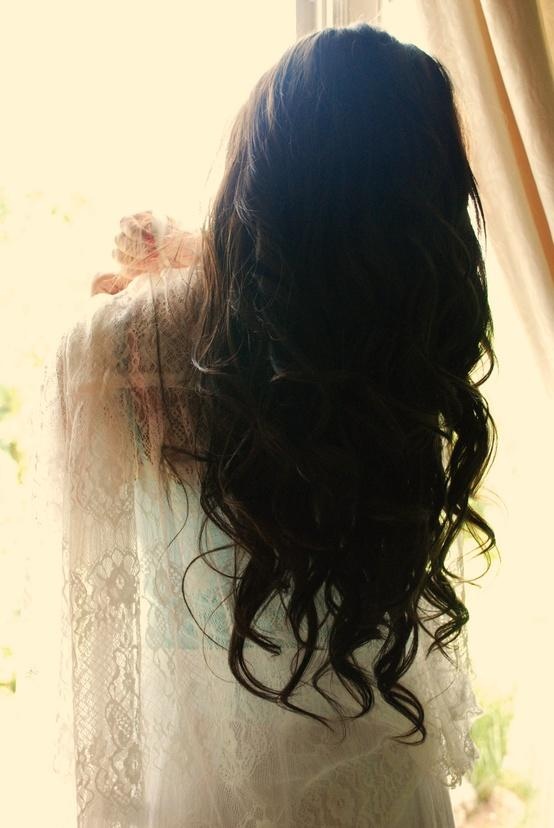
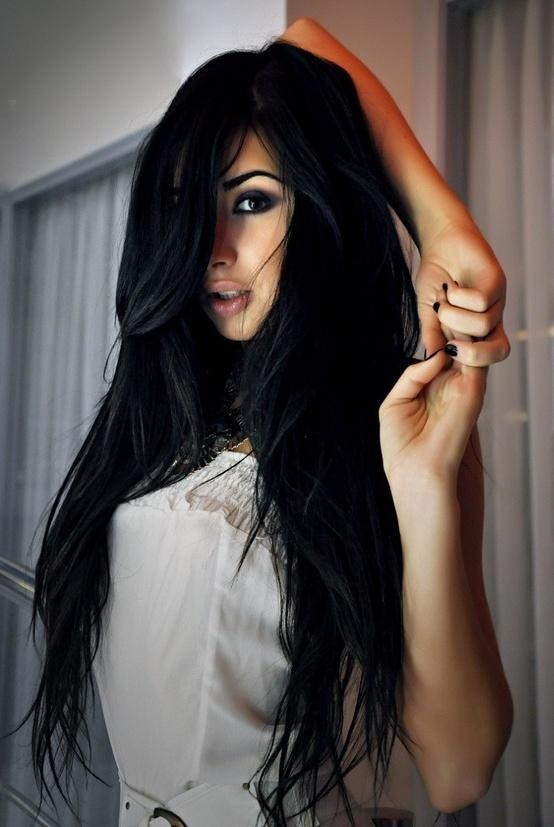
A deep side part can change the entire face shape without a cut. Pulling more length across one cheekbone softens a strong jaw; a center part emphasizes symmetry and can feel more formal or editorial. Try both in the same lighting before a haircut appointment. Bathroom mirrors with yellow bulbs flatter almost everything; daylight photographs lie less.
When blow-drying straight dark hair, point airflow down the shaft and finish with a cool shot. Round-brush lift at the roots for two minutes can prevent the “stuck to the scalp” look that long dark color exaggerates. If your hair is fine, avoid dense powder dry shampoos at the crown—they can look dusty against deep pigment.
Texture, movement, and lived-in finish
Not every beautiful example is salon-smooth. Slight texture—piecey ends, a few bent sections near the face, air-dried waves—keeps long dark hair from looking like a wig. The goal is controlled irregularity: enough variation for life, not enough for chaos. Diffusers, salt sprays used sparingly, and finger-coiling damp sections can all help without stripping color or dryness into a dull matte sheet.
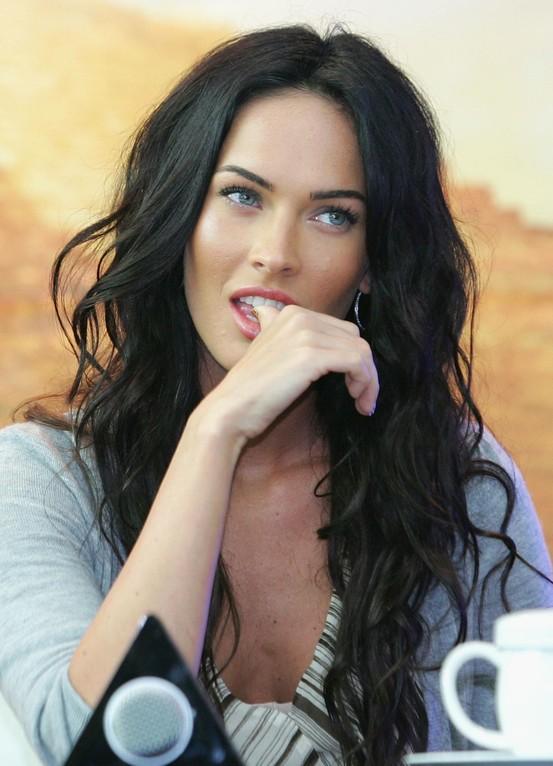
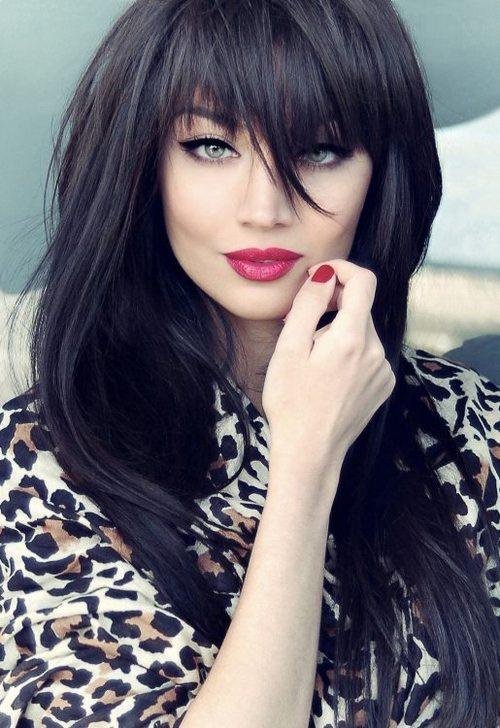
When hair is naturally thick, long dark lengths can overwhelm shoulders and drown necklines. Thinning is not always the answer; sometimes a long layered cut that removes bulk only through the mid-lengths preserves the curtain of color while letting fabric and jewelry show. Ask for layers that begin below the chin if you want to keep the solid dark panel effect in photographs and still gain swing.
Thick hair also holds water longer. Rough towel wringing creates frizz that dark strands advertise clearly. Blot, apply leave-in while damp, and detangle with a wide-tooth comb from ends upward. That habit alone protects length better than an expensive mask used once a month.
Face framing without losing length
Face-framing pieces matter more on dark hair because contrast against skin is stronger. A few shorter strands near the cheek can open the eyes; too many short pieces create a mullet illusion you did not request. Keep face frames long enough to tuck behind an ear when you want a cleaner look for work or formal evenings.
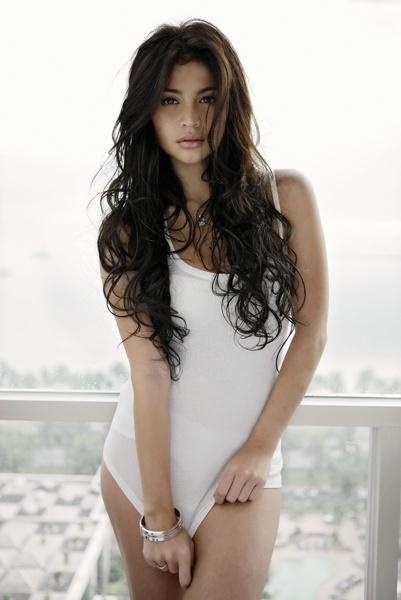
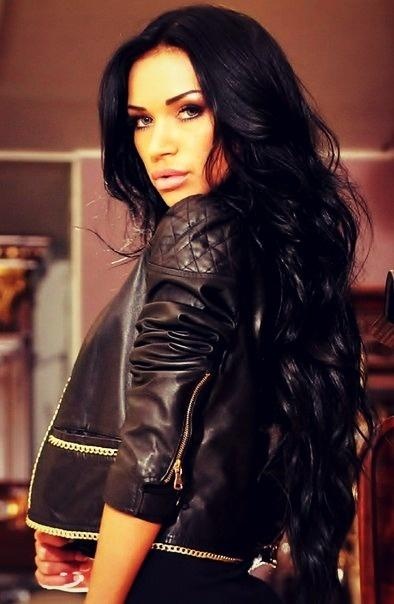
Draping length over one shoulder is a classic portrait move for a reason. It creates a diagonal, shows the full measure of growth, and keeps hair from swallowing both sides of a black or navy top. For everyday life, the same gesture keeps hair off a bag strap or coat collar and reduces that damp-collar problem in rain.
Half-up styles work especially well with long dark hair: a soft twist or claw clip at the crown reveals earrings while the length remains the main visual. Avoid pulling so tight that you create a shiny flat plane at the hairline; dark roots show tension and breakage faster than many people expect.
Depth of color: true black, espresso, warm brown
“Dark” covers a wide range. True black photographs almost as silhouette in low light; espresso and cool brown keep more detail in individual strands; warm brown picks up gold near windows. If you color at home, strand tests matter—dark dye that looks perfect in the bathroom can go flat or muddy under office light.
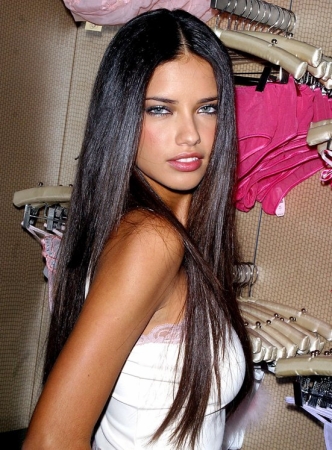
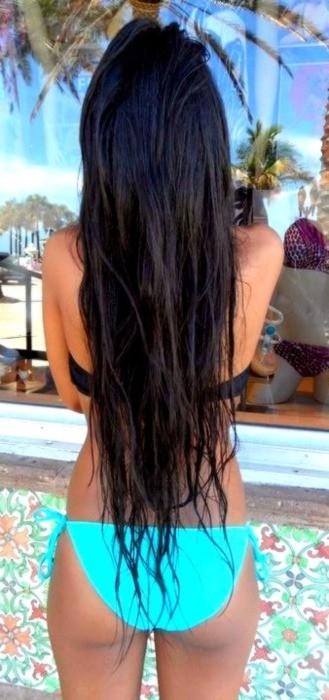
Lowlights and soft dimensional color keep long dark hair from reading as a single painted block. Even one shade lighter near the face can prevent the “helmet” look without committing to heavy highlights that need constant root maintenance. On very long hair, full-color appointments are expensive; dimensional work concentrated where cameras and eye contact land first is often enough.
Between salon visits, color-safe shampoo and cooler water help preserve depth. Purple or blue toning products are usually for blondes; on dark brunette they can create odd casts if overused. If your dark brown fades red or orange, ask a colorist for a gloss rather than dumping another box of black on top—stacked dark dyes can make hair look solid and lifeless.
Care that protects length
Long dark hair shows breakage as pale stubs and thin ends more clearly than many people expect—damage catches light differently against deep pigment. Trim on a schedule that matches your growth and split-end reality, not a guilt calendar. Brush from ends upward. Sleep on a smoother pillowcase if you can. Heat protectant is not optional if you straighten regularly; dark pigment does not hide fried ends.
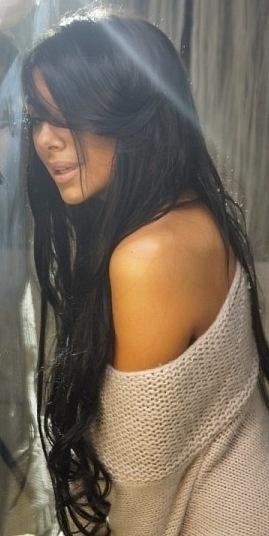
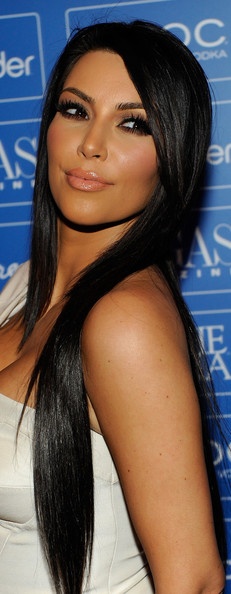
Styling for photographs favors side light or window light slightly in front of the subject. Backlighting long dark hair creates a beautiful rim, but underexposure turns the mid-lengths into a void. Slightly lift exposure or bounce a little fill so strand detail survives. Clothing contrast helps too: cream, soft gray, or muted jewel tones let dark length register as a shape; all-black outfits can swallow it unless fabric texture is strong.
Weekly, a modest mask on mid-lengths and ends is usually more useful than daily heavy oils. Clarify occasionally if product builds a dull film—dark hair shows that film as a grayish cast in daylight. Then remoisturize; clarifying without follow-up care leaves length brittle.
Choosing a direction
If you are growing hair out, pick a maintenance style you will actually repeat: loose waves two evenings a week, or a reliable sleek blowout for work, not five tutorials you abandon. If you are considering a big cut, photograph your current length from the back and both sides first. Length is easy to romanticize until it is gone.
Which of these examples feels closest to how you already move through a day—sleek and controlled, softly waved, or a little undone? Start there. Long dark hair looks strongest when the style matches the person wearing it, not when it copies a single inspirational still.

Comments
Continue reading
15 Vintage Wedding Hairstyles: Finger Waves, Bouffants, and Birdcage Veils
Fifteen vintage bridal hair looks—from 1920s finger-wave faux bobs to 1960s bouffants, victory rolls, and Hollywood waves with birdcage veils.
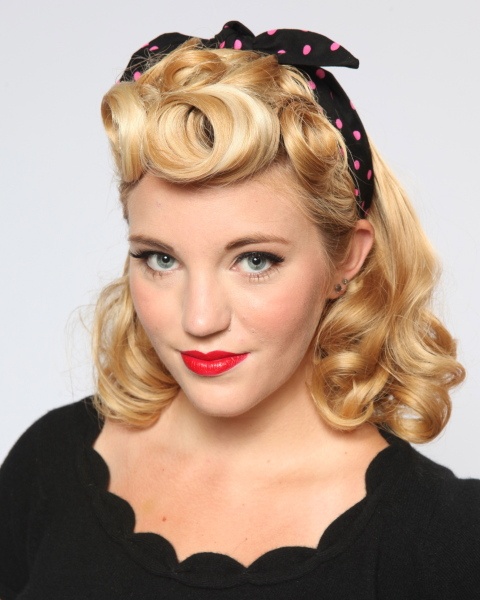
Vintage Hairstyles by Decade—Waves, Rolls, Flips, and Wearable Volume
A practical tour of 1920s waves through seventies feathers: silhouettes, tools, and how to wear period hair without a full costume.
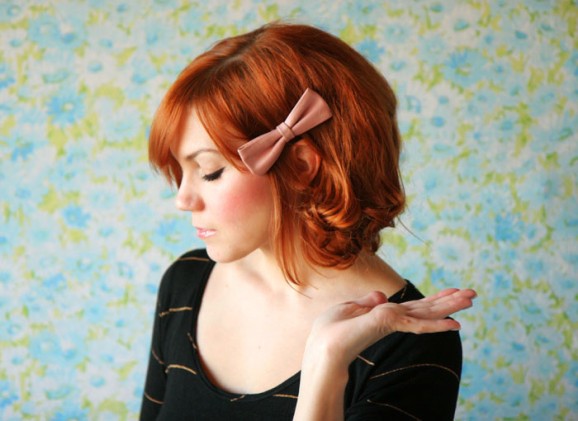
Elegant Updo Hairstyles: Braids, Buns, and Soft Coils
Polished updos that stay wearable—braided structure, low knots, texture tips, and how to match the silhouette to neckline and occasion without looking overdone.