
Be Our Guest: Write for Sortrature
Pitch a guest post on art, design, DIY, weddings, photography, fashion, film, or travel—editorial guidelines for contributors, not ads.
Guest writing on Sortrature is open to people who care about the same subjects this site already explores: art, design, decoration, DIY and crafts, weddings, photography, fashion, film, and travel. You do not need a famous blog, a large following, or a guru title. You do need a point of view, something concrete to show or explain, and a willingness to write for readers rather than for search engines alone.
This page is an invitation and a practical brief. If you have a project, a photo essay, a how-to, a design case study, or a thoughtful piece on craft and culture that fits our categories, we would like to hear from you.
What we look for
Strong guest posts share a few traits. They are specific. “Pretty interiors” is a mood; “how a small rental kitchen gained storage without a renovation” is a story. They show work—photos, sketches, process shots, finished results—when the topic benefits from visuals. They respect the reader’s time: a clear opening, useful middle, and an ending that does not trail off into soft marketing language.
Topics that fit especially well include:
- Original photography or illustration with context about how and why it was made
- DIY builds, craft tutorials, and material experiments with honest notes about difficulty
- Wedding and celebration details that go beyond generic inspiration boards
- Fashion and styling ideas grounded in real outfits, not only product lists
- Travel notes that focus on looking, making, or collecting, not only hotel rankings
- Film, design history, or studio process essays that stay accessible
We publish across a range of categories, so adjacent ideas are welcome when they still feel at home on Sortrature. If you are unsure, pitch the angle in one short paragraph before writing the full piece.
Who can pitch
Working designers, photographers, makers, students, and enthusiastic amateurs are all eligible. What matters is care: clean writing, accurate claims, and images you have rights to use. If English is not your first language, that is fine—clarity beats ornate vocabulary. We can help with light editing for flow and house style once a draft is accepted.
You do not need prior guest-post credits. A short note about why the topic interests you, plus two or three sample links or a small portfolio, is usually enough for a first conversation.
What guest posts are not
Guest posts here are editorial, not advertisements. A piece should not exist mainly to promote a shop, service, supplement, or software. Soft mentions of your own work can be appropriate when they are relevant and limited—for example, showing a chair you designed inside a broader essay on seating—but the article must stand on its own as useful or beautiful content for readers who will never buy anything from you.
If your goal is business promotion, sponsored placement, or a post built around outbound links to a commercial site, that is a different conversation. Use the site’s advertising or contact channels for promotional requests rather than framing them as guest contributions.
We also decline:
- Thin listicles assembled only from other people’s images without permission or commentary
- Duplicate content already published elsewhere without a clear reason to reprint
- Medical, financial, or legal advice dressed up as lifestyle tips
- Harassment, scraped text, or AI-generated filler with no lived experience behind it
How to propose a post
Contact us with a concise pitch. Include:
- Working title
- Two to four sentences on the idea and why it fits Sortrature
- Approximate length and whether you have original images
- A short bio (one or two sentences is enough)
- Any links that show your writing or visual work
If the pitch is a match, we will confirm guidelines for length, image sizes, and deadlines. Typical features land in a readable mid-length range—long enough to teach or show something real, short enough to finish in one sitting. Image-heavy galleries should still include captions or surrounding text that explain what the reader is looking at.
Images, credit, and rights
Send images you own or have permission to publish. Credit photographers, makers, and collaborators clearly. Do not lift photos from social feeds or stock sites unless your license allows editorial use on this site. If a project involves clients, get their approval before sharing identifiable details or private interiors.
We prefer original photography when possible. When you must use reference or historical images, say so and keep the legal footing clean. Alt text and descriptive filenames help accessibility and make the archive more useful later.
Editing and publishing
Accepted drafts go through light editorial review for structure, accuracy, and tone. We may suggest cuts, ask for a stronger opening, or request better image order. That collaboration is normal; it is not a rewrite of your voice into someone else’s.
If you are comfortable publishing in the site’s CMS, we can arrange access for a finished piece. If you are not familiar with the publishing tools, that is not a barrier. Many contributors send text and images by email, and we format and schedule the post for them. Either path is fine—say which you prefer when you contact us.
After publication, we typically share the link through the site’s usual channels. You are welcome to share it with your own audience. Please do not treat publication as a guarantee of homepage placement, paid promotion, or ongoing column space unless that is separately agreed.
Voice and house preferences
Write like a person who has looked closely at something. Prefer concrete nouns over vague praise. “The glaze pooled thicker at the rim” beats “stunning ceramic vibes.” Avoid hard-sell language, fake urgency, and keyword stuffing. Humor is welcome when it is natural; cynicism that insults the reader is not.
When you reference brands, places, or people, be accurate. When you give instructions, test them or be honest about what you have not tested. Readers can tell the difference between a practiced craft tip and a paragraph written to sound helpful.
A simple checklist before you write
- Does the piece teach, show, or argue something specific?
- Would it still be interesting if every outbound link were removed?
- Do you have rights to every image?
- Is there a real ending, or only a call to buy?
- Could another site publish the same text tomorrow with only the brand names swapped? If yes, sharpen the angle.
If those answers feel solid, send the pitch. Passion for the subject matter is the main requirement; polish can be collaborative. We would rather support a careful first-time contributor with a genuine project than chase empty authority. Tell us what you want to share, why it belongs here, and what you need from us to get it onto the page.

Comments
Continue reading
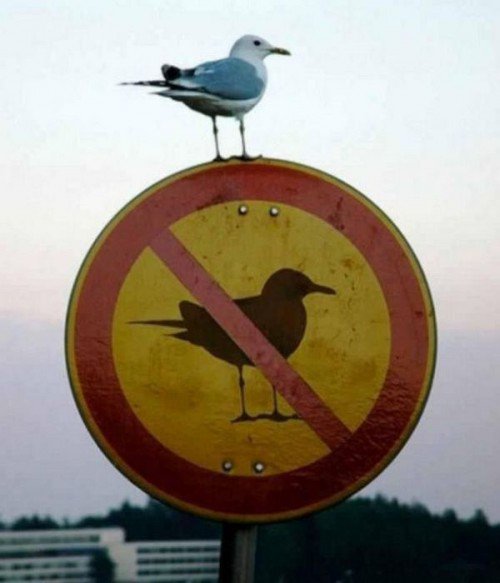
Funny Animal Signs That Warn People (While Animals Ignore Them)
From a seagull on a no-birds disc to classic zoo and park ironies—why animal warning signs get funny, and what the rules are still for.
How to Find Local Amenities on Vacation: Mechanics, Haircuts & More
Locate trustworthy local services and everyday spots while traveling or settling in—using publications, reviews, map apps, neighbor tips, and low-pressure exploration.
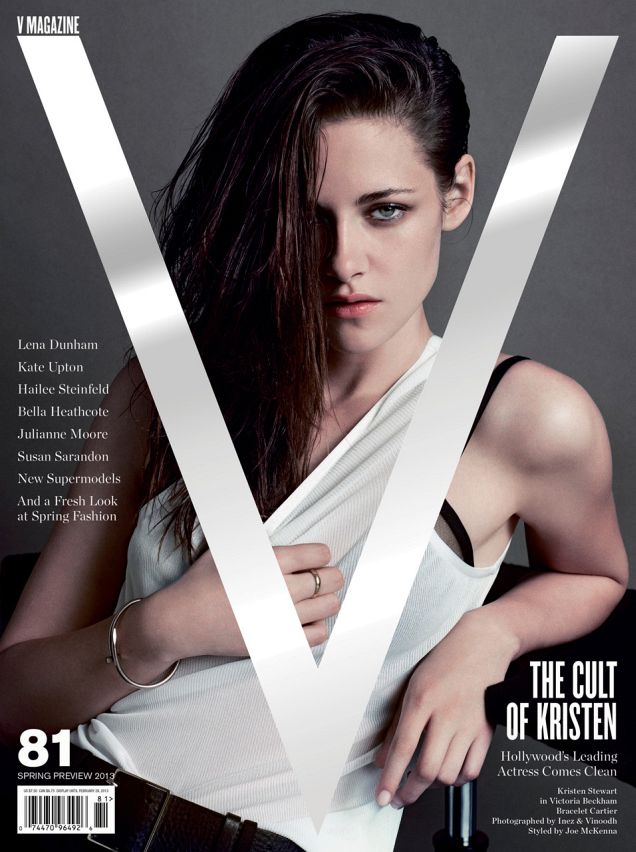
Kristen Stewart for V Magazine, Spring Preview 2013
V81’s Wild at Heart cover story—Kristen Stewart shot by Inez & Vinoodh, styled by Joe McKenna, in pale minimal spring glamour.