
Bar Refaeli for Passionata Lingerie, Spring/Summer 2013
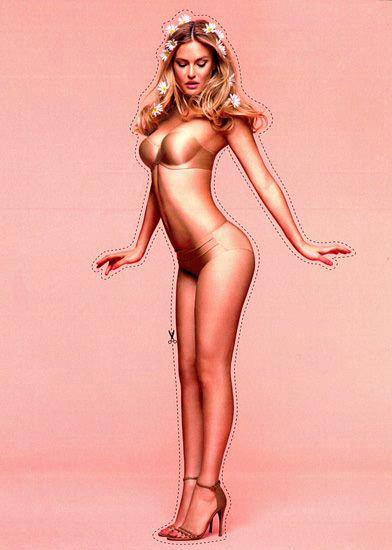
Bar Refaeli as Passionata’s Spring/Summer 2013 face—a retro housewife-pinup lingerie campaign from early-2010s fashion advertising.
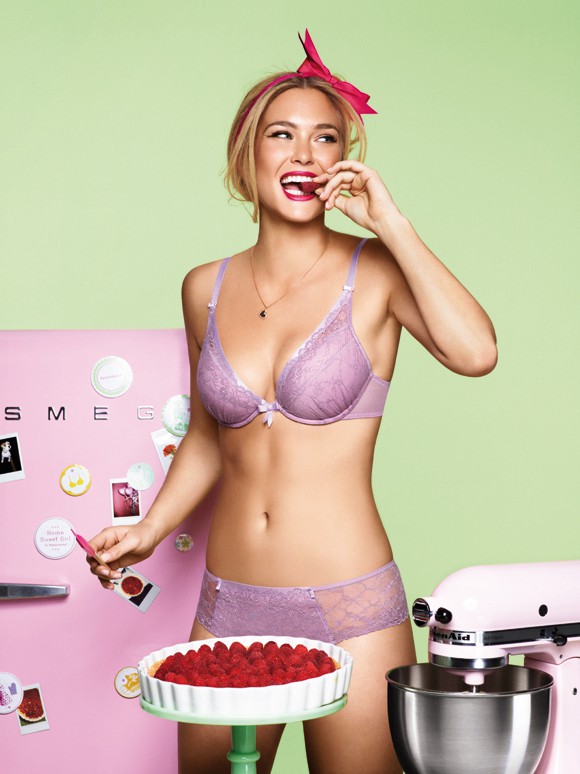
In late 2012 and early 2013, French lingerie house Passionata rolled out its Spring/Summer 2013 campaign with Israeli supermodel Bar Refaeli as face and narrative center. The campaign arrived at a moment when Refaeli—then twenty-seven—was already a familiar international cover and runway presence, and when Passionata wanted a brightly colored, retro-tinged story rather than a stark studio catalog. What follows treats that shoot as period fashion history: how the brand cast her, what visual language the images used, and why the pictures still read as a snapshot of early-2010s lingerie advertising.
Refaeli and Passionata in 2012–2013
By the time the Spring/Summer 2013 imagery circulated, Refaeli and Passionata were not strangers. The brand had already built a working relationship with her as an égérie—someone who could carry both commercial warmth and high-gloss sex appeal without tipping into parody. For a lingerie label competing in a crowded European and global market, that balance mattered. Shoppers needed to recognize the face; editors needed frames that traveled well through blogs and magazine roundups; retailers needed a collection story that felt seasonal rather than generic.
Refaeli’s public profile in those years rested on modeling work that moved easily between runway, advertising, and celebrity coverage. Casting her for a housewife-pinup concept was a deliberate choice: her familiarity made the fantasy readable at a glance, while her established fashion credibility kept the campaign from looking like novelty casting. Passionata’s brief was not to invent a new star; it was to place a known one inside a playful domestic set and let color, lace, and gesture do the selling.
The Spring/Summer 2013 concept
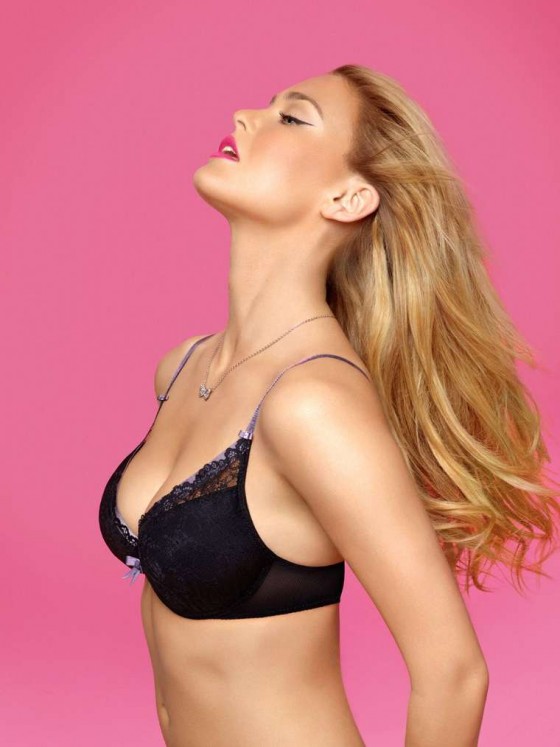
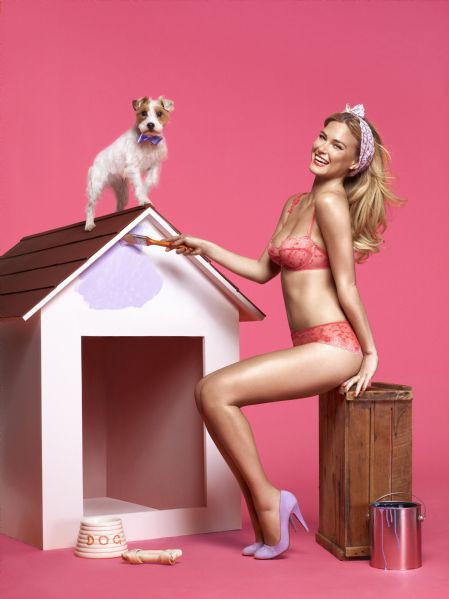
Contemporary coverage described the campaign as a glamorous mid-century housewife fantasy—Refaeli baking, gardening, painting a dog kennel, flipping through a cookery book—while wearing pieces from the season’s lines. Makeup leaned into feline eyeliner and a glossy red mouth; styling borrowed headscarves, short denim, and prop work that signaled “domestic daydream” more than documentary housework. The tone was pop-retro rather than historical reenactment: pastels, lace, bows, and rounded silhouettes against cheerful interiors and garden light.
Sets named in period reports included Sweet Love, So Pretty, Lovely, Malice, Casual Sexy, and Delight “invisible” pieces among others—lace and embroidery in lilac, white, peach, navy, and black, with plunging necklines and soft curves typical of the brand’s early-2010s catalog language. A related Valentine-adjacent frame showed Refaeli in sheer black lingerie with a red bow and red heels beside a letterbox, tying the broader campaign to seasonal retail calendars. Behind-the-scenes video and print ads helped the images travel beyond the lookbook into lifestyle press.
Read as advertising craft, the concept did two jobs at once. First, it humanized lingerie by placing it in narrative scenes instead of isolated product stills. Second, it kept the product unmistakably present: every prop and pose circled back to the bra, brief, or body silhouette being sold. That dual job—story plus merchandise—is why the campaign photographed so cleanly for blogs that reprinted whole galleries with almost no caption.
Reading the photographs
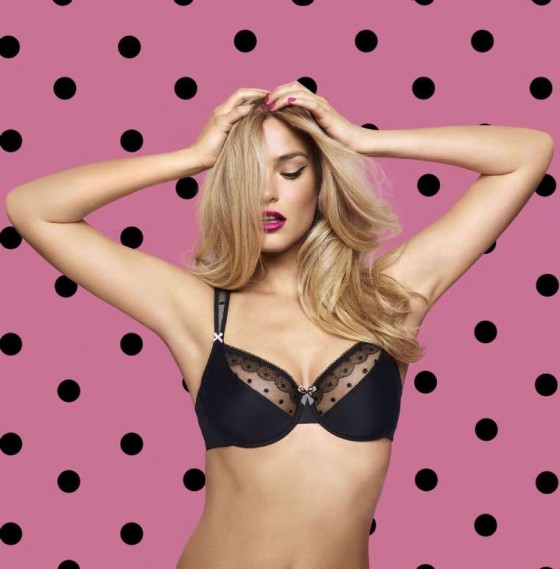
The images preserved with this page show Refaeli in classic campaign lighting: skin and fabric given equal attention, backgrounds kept bright enough that lace pattern and color register on small screens. Compositions favor full- or three-quarter figures so the garments remain legible. Expressions tend toward smile and play rather than severity—important for a brand selling approachable sensuality rather than severe couture severity.
Lingerie advertising of this period often walked a careful line between glamour and everyday fantasy. Passionata’s Spring/Summer 2013 frames lean into the latter: kitchen counters, garden tools, and pet props soften the commercial ask. Viewers are invited to treat the scene as light entertainment first and product demonstration second. That order of attention is a period signature. Mid-2010s social sharing rewarded images that felt like a tiny narrative still, not a sterile SKU shot.
Technically, the photographs belong to fashion’s commercial vernacular—controlled color, retouched polish, wardrobe continuity across a set of looks. Historically, they also document how a major model’s face was used to stabilize a seasonal collection identity. Years later, careers and brand campaigns move on; the stills remain fixed as evidence of what “seasonal lingerie glamour” looked like in that advertising season.
Context in early-2010s fashion media
Around 2012–2013, fashion blogs and celebrity lifestyle sites routinely aggregated lingerie campaigns as gallery posts. A campaign like Passionata’s Spring/Summer 2013 fit that ecosystem perfectly: recognizable talent, colorful sets, and enough frames to fill a scroll. Coverage often emphasized the housewife concept and the Valentine-adjacent black lingerie image because those hooks were easy to headline. The deeper story—brand continuity with Refaeli, collection texture, European lingerie retail calendars—rarely needed more than a sentence.
For readers encountering the campaign then, Refaeli’s presence signaled mainstream fashion legitimacy. For Passionata, her casting promised international recognition beyond the brand’s home market. Neither side needed the shoot to reinvent lingerie photography; they needed it to refresh a familiar commercial language with seasonal color and a witty domestic script.
It is worth noting tone. Period press sometimes framed the images in breathless or reductive language common to tabloid fashion pages. Treating the campaign as fashion history means keeping a respectful distance from that chatter: the subject is a professional model doing commercial work inside a constructed fantasy, and the garments are designed products meant for retail. The photographs are interesting as design and media objects—not as gossip props.
What the campaign sold beyond product
Every lingerie season sells more than cups and straps. It sells a mood customers can try on mentally before they buy. Passionata’s Spring/Summer 2013 mood was sunny retro femininity: lace that looked soft in daylight, poses that suggested ease, and a star whose smile made the fantasy feel friendly. The mid-century styling was costume, not thesis—an aesthetic shortcut to warmth and play.
Compared with stark black-and-white campaigns or severe editorial lingerie stories of the same era, these pictures favor accessibility. That does not make them less crafted. Prop continuity, color grading, and wardrobe sequencing across kitchen, garden, and studio-adjacent sets required production planning. The “effortless housewife” look is the opposite of accidental.
For design historians and fashion media researchers, campaigns like this also map how global models anchored regional brands. Passionata used Refaeli’s international familiarity to project a French lingerie identity into English-language lifestyle coverage. The images above are remnants of that projection—still colorful, still clearly commercial, still dated to a specific advertising season rather than to timeless myth.
Keeping the frame in 2013
Looking at Bar Refaeli for Passionata Spring/Summer 2013 today works best when the viewer stays inside the campaign’s own moment. These are not later career retrospectives or contemporary brand news. They are early-2010s lingerie advertisements built around a housewife-pinup concept, lace-forward collection pieces, and a supermodel then at the center of Passionata’s seasonal storytelling. The gallery remains useful because it preserves that agreement between face, brand, and fantasy—exactly as fashion media circulated it when the collection was new.

Comments
Continue reading
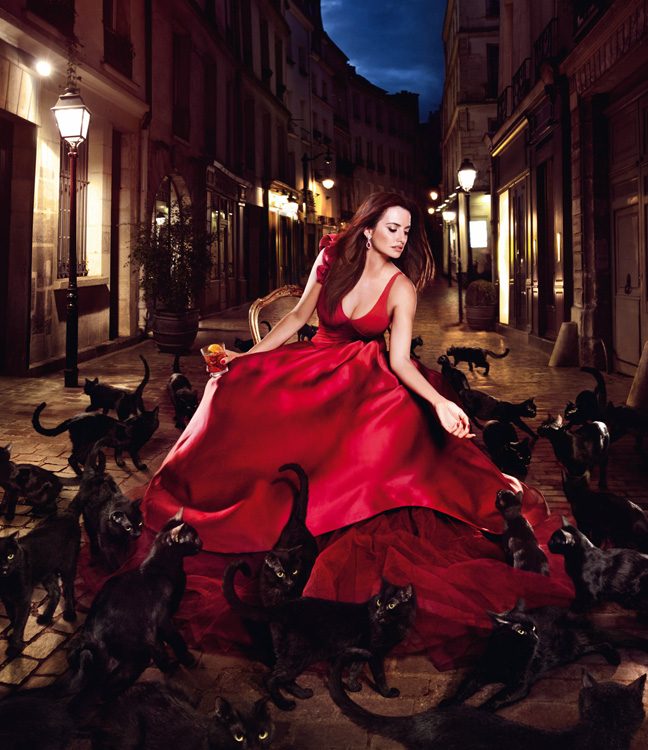
Penélope Cruz for the Campari Calendar 2013
Campari’s 2013 Kiss Superstition Goodbye calendar stars Penélope Cruz in thirteen red-soaked tableaux shot by Kristian Schuller—a dated campaign gallery with fashion-house wardrobe and Milan creative credits.
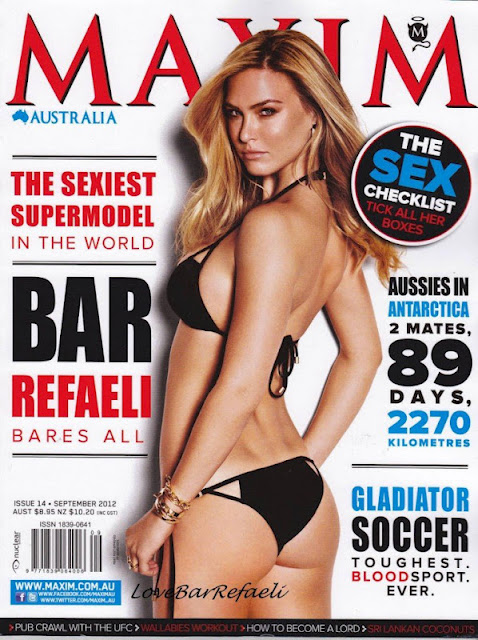
Bar Refaeli on Maxim Australia, September 2012
Bar Refaeli’s September 2012 Maxim Australia cover and gallery—black-bikini newsstand glamour from the Hot 100 season, kept as a period piece.
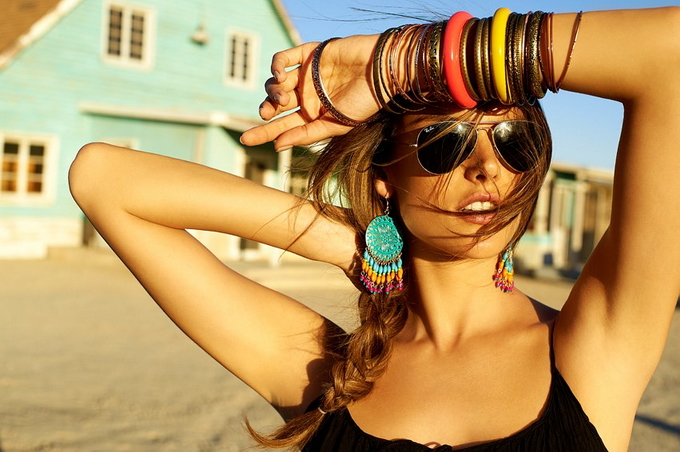
Alessandra Ambrosio for Arkitect’s Summer 2013 Campaign
A look back at Alessandra Ambrosio’s Arkitect summer 2013 campaign—bright commercial fashion photography from the Victoria’s Secret era.