
Mike Mitchell’s Movie Character Portraits from the Mondo Gallery Era
Austin artist Mike Mitchell gives cult film icons the formal portrait treatment—Django, Doc Brown, Ash, the Driver, and more—in grainy, affectionate studies.
Mike Mitchell’s movie-character portraits treat cult cinema like a yearbook of misfits, killers, cops, and dreamers—each given the dignity of a formal head-and-shoulders study. Based in Austin, Texas, and already known by the early 2010s for pop-culture prints and posters, Mitchell brought a focused batch of character portraits to Mondo Gallery in spring 2013. The premise was simple and sharp: place iconic film figures into traditional portrait postures they would rarely hold on screen, and keep their personalities intact.
That idea sits between fan devotion and gallery poise. Grainy texture, bold flat grounds, and careful costume cues make each piece readable across a room, while small narrative details—blood flecks, reflected skylines, a toothpick—reward viewers who know the films cold. The selection below follows the spirit of that Mondo-era show: not every character from the walls, but a clear sample of how Mitchell turns performance into emblem.
Why formal portraits fit unruly movies
Genre films often sell chaos, chase, and punch lines. Formal portraiture sells composure, hierarchy, and a face held still long enough to be studied. Put those habits together and you get a productive mismatch. A bounty hunter in a theatrical blue suit looks almost courtly until you notice the scar and the set of the mouth. A horror hero sits for a damaged yearbook. A small-town sergeant borrows action-movie sunglasses and still looks like he files paperwork. The stillness is the joke and the respect at once.
Mitchell has described wanting personalities to remain—at least as he holds them in mind—while applying portrait grammar those characters would not usually perform. That friction is the series’ engine. Costume does narrative work so the face can stay human. Solid color fields behind many figures push likeness forward the way a painted studio backdrop once did. Mustard behind Django, teal behind the Driver, hot pink behind Mr. Pink: the grounds are branding for each myth, not empty wallpaper.
Django, Doc, and Ash
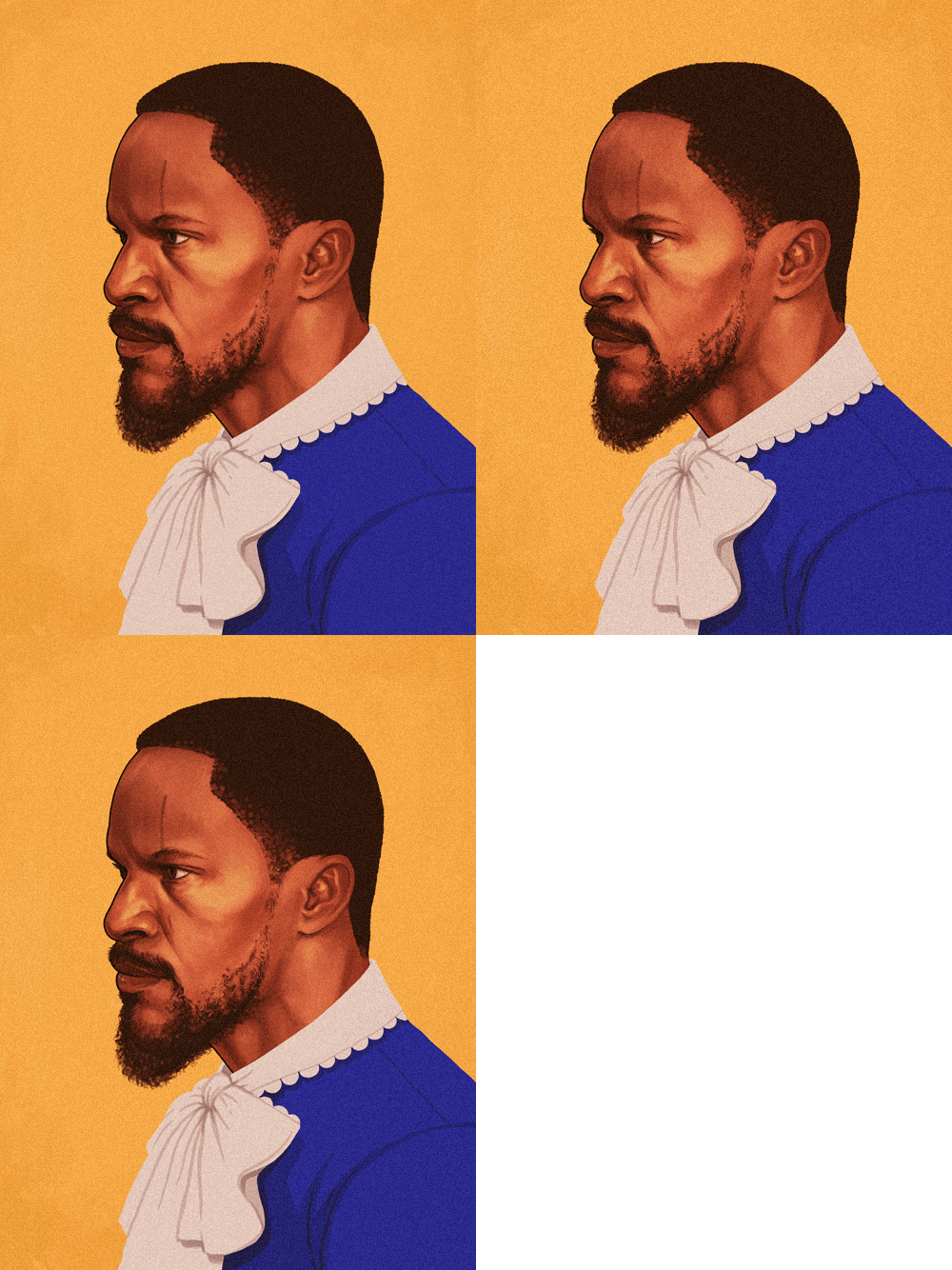
Jamie Foxx’s Django Freeman appears in the unforgettable royal-blue jacket and white cravat associated with the film’s most visually famous turn. The profile is serious, almost ceremonial; the scar above the brow keeps history in the frame. Mitchell’s grain settles over the blue like print ink, so the piece feels collectible rather than like a paused Blu-ray still.
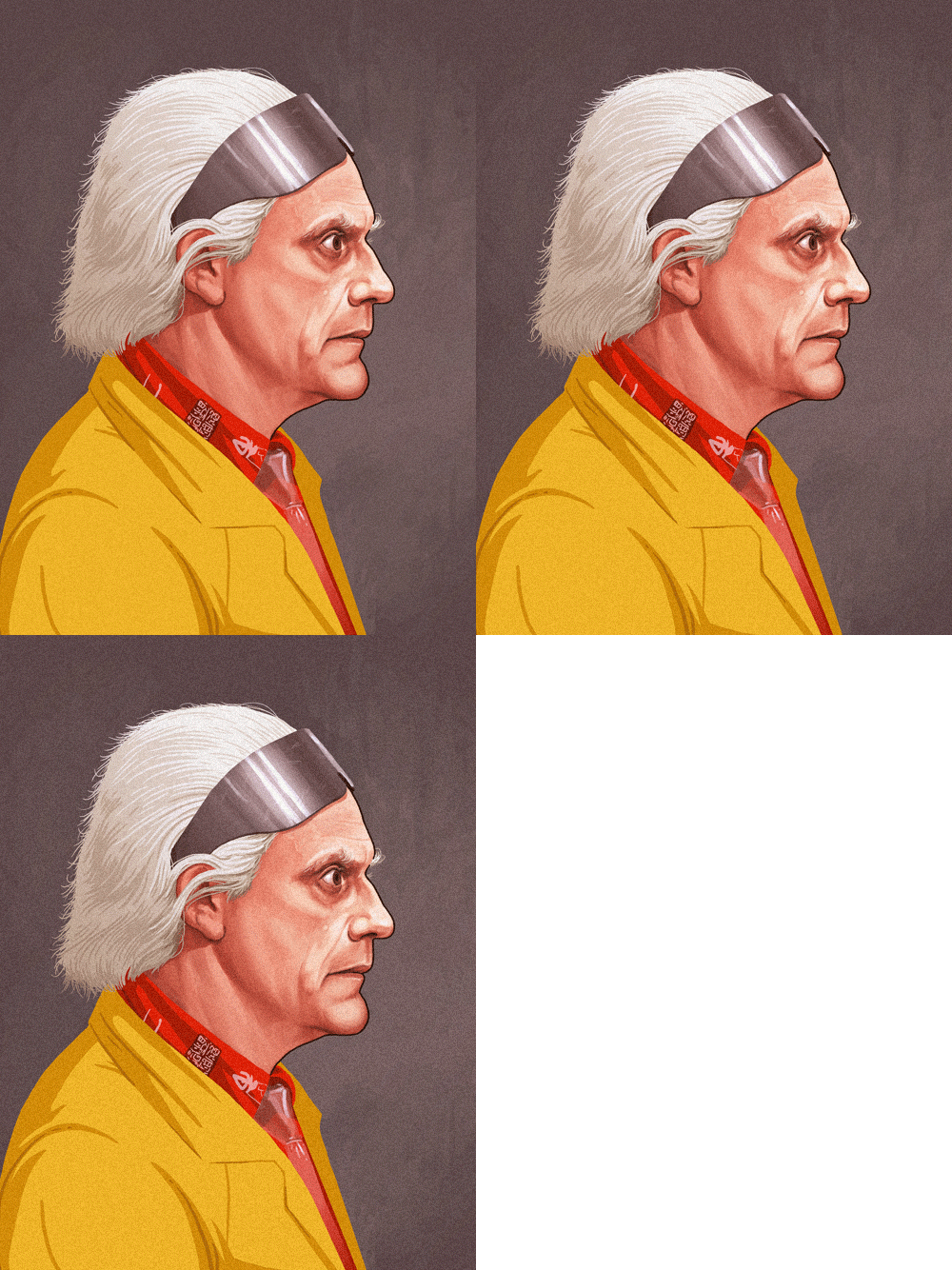
Christopher Lloyd’s Doc Brown arrives in Back to the Future Part II future gear—visor pushed onto wild white hair, bright yellow coat, patterned shirt, translucent tie. The eyes stay wide, as if mid-revelation. It is comic without becoming a Saturday-morning parody, because the drawing commits to likeness and fabric as carefully as it commits to the gag of the clear necktie.
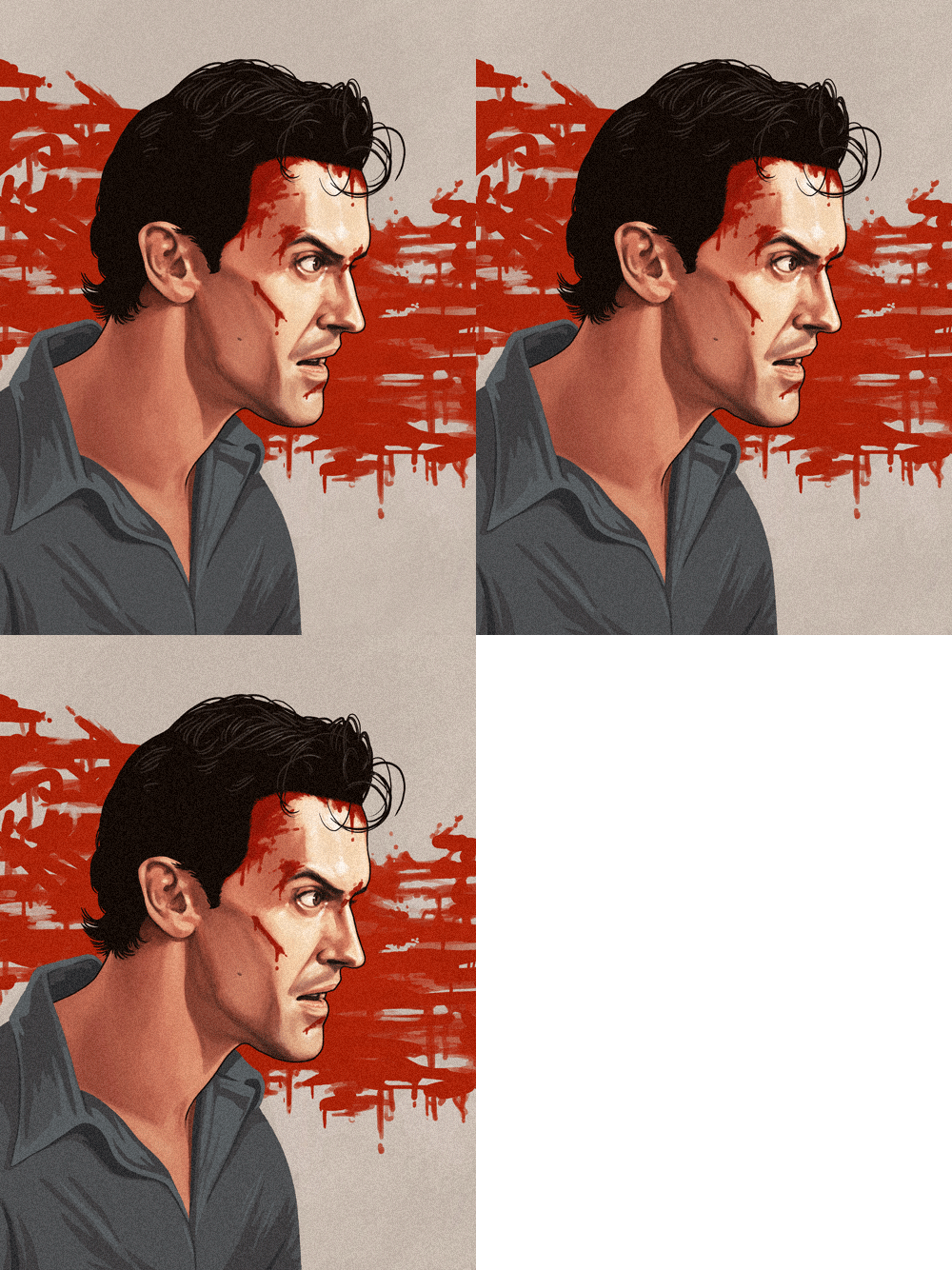
Bruce Campbell’s Ash Williams carries blood on forehead and cheek, with aggressive red strokes behind the head that read as both gore and graphic design. The dark collared shirt and intense stare keep the character’s exhausted bravado. Horror iconography here is flattened into poster logic without sanding off grit.
Cool cyan, loud orange
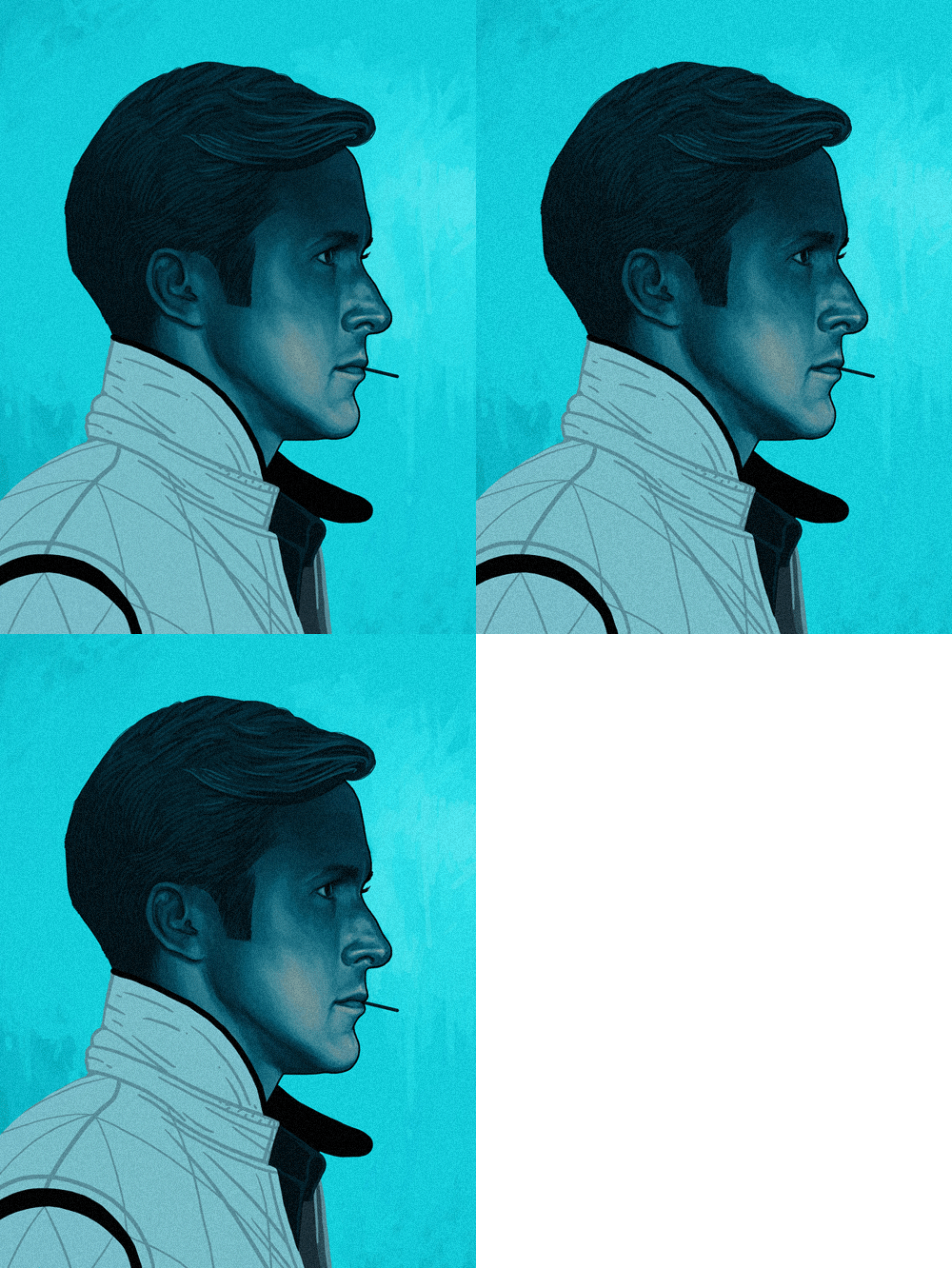
Ryan Gosling’s Driver from Drive goes cool and cyan: quilted scorpion-jacket collar suggested in pale geometry, toothpick in the mouth, pompadour built from careful strands. The limited palette matches the film’s nightlife hush. Where Django’s mustard ground shouts theatricality, this teal field whispers control. The portrait understands that silence can be a character trait.
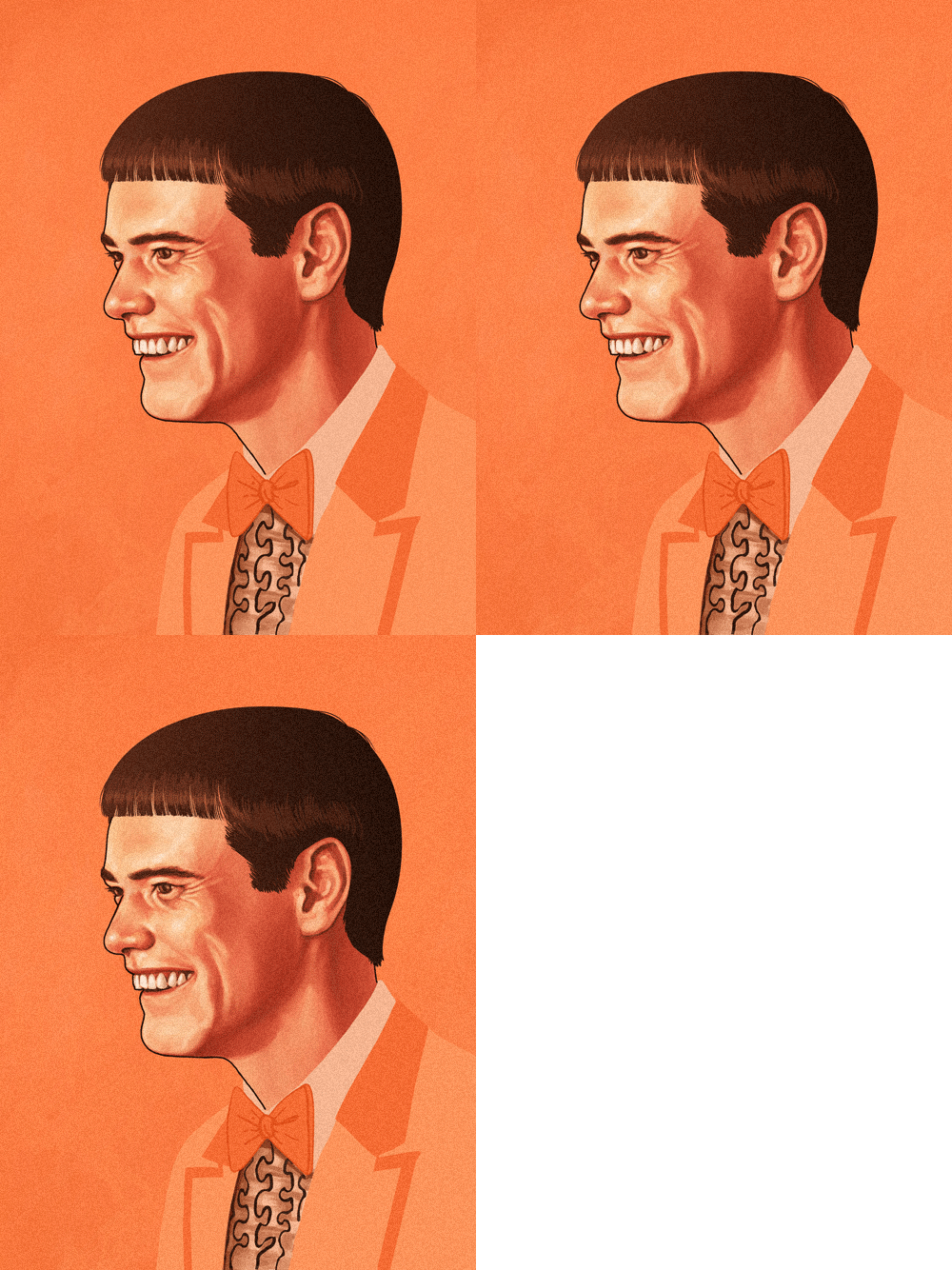
Jim Carrey’s Lloyd Christmas swings the other way—bowl cut, wide grin, orange tuxedo energy against a matching warm field. The piece leans into comedy without losing draftsmanship. Even a deliberately silly character gets the same rendering attention as a horror lead. That even-handedness is part of Mitchell’s appeal to collectors: the series feels like a consistent artist’s voice applied across a jukebox of tastes, not a random meme dump.
Cold stations and crime colors
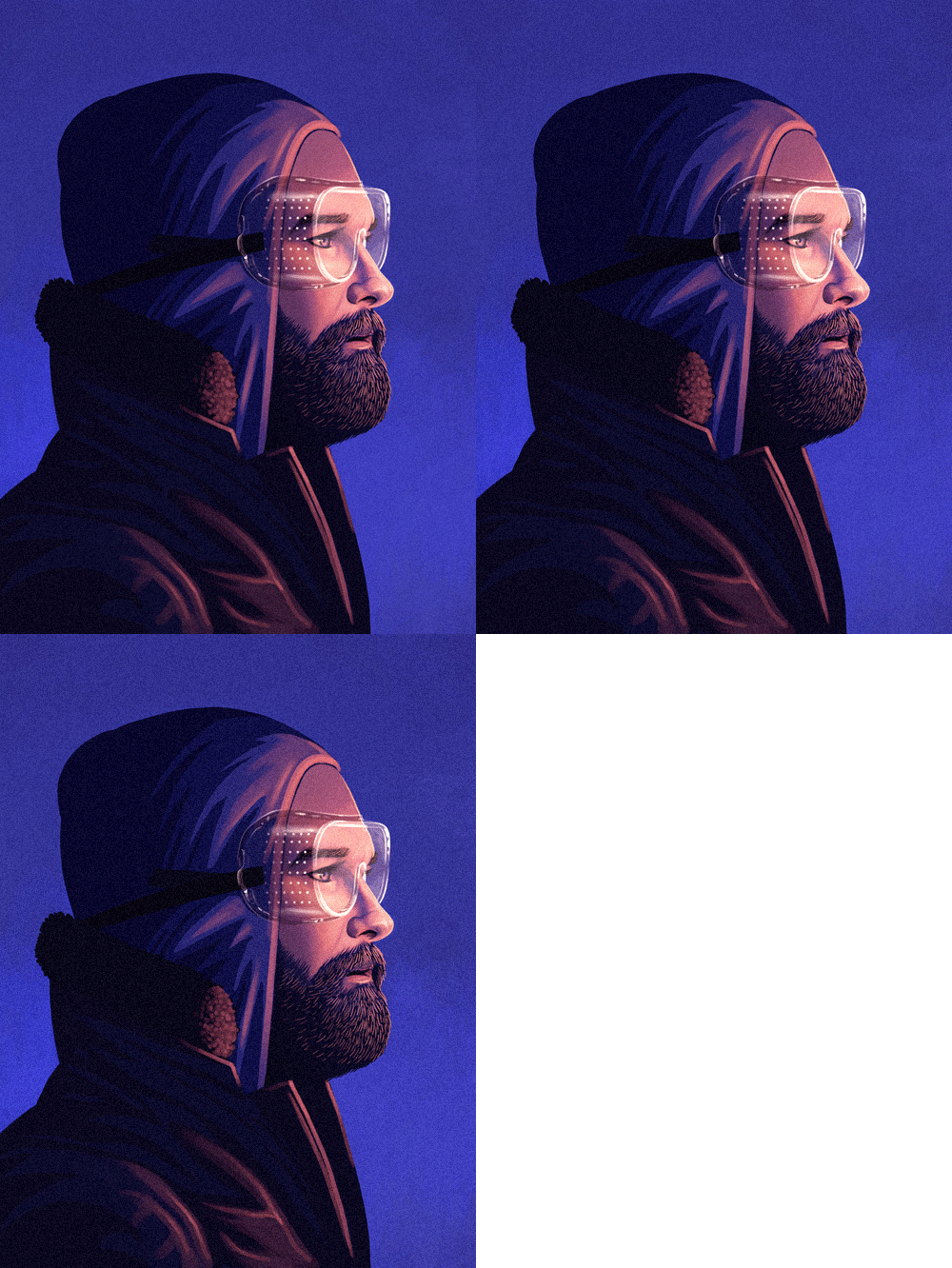
Kurt Russell’s R.J. MacReady from John Carpenter’s The Thing bundles into hood, fur collar, and oversized goggles. Pinkish rim light kisses the face against a deep purple ground, as if Antarctic night found a neon edge. Paranoia becomes wardrobe: you cannot see the monster, but you can feel the weather and the watchfulness.
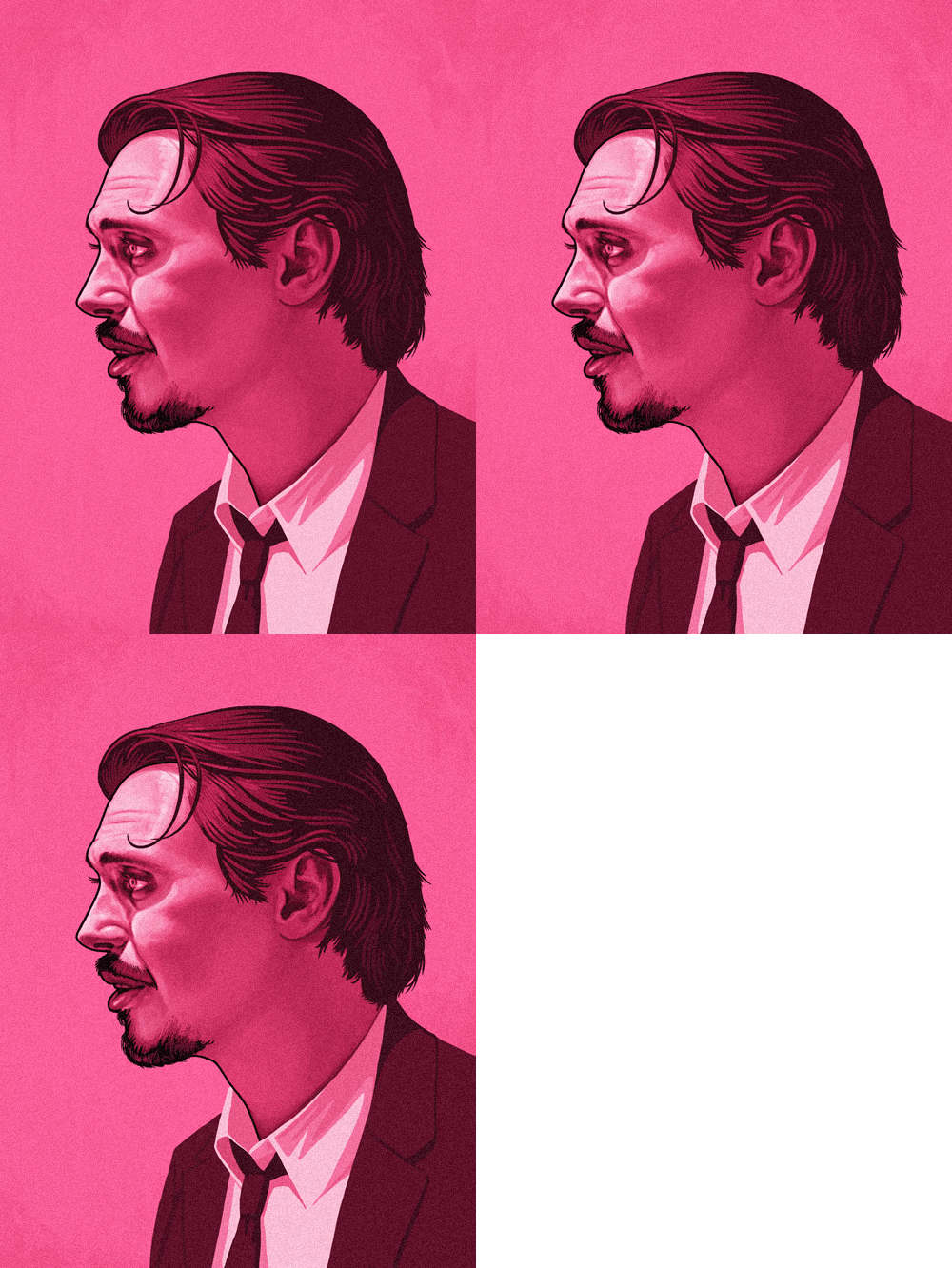
Steve Buscemi’s Mr. Pink becomes a study in magenta and charcoal—open collar, thin black tie, mouth mid-speech. Color literally performs the character’s nickname. Reservoir Dogs already dressed its criminals as a set of graphic roles; Mitchell’s monochrome push completes that design logic in portrait form. It is one of the clearest examples of how a single hue can do chapter-title work.
Sunglasses that tell the plot
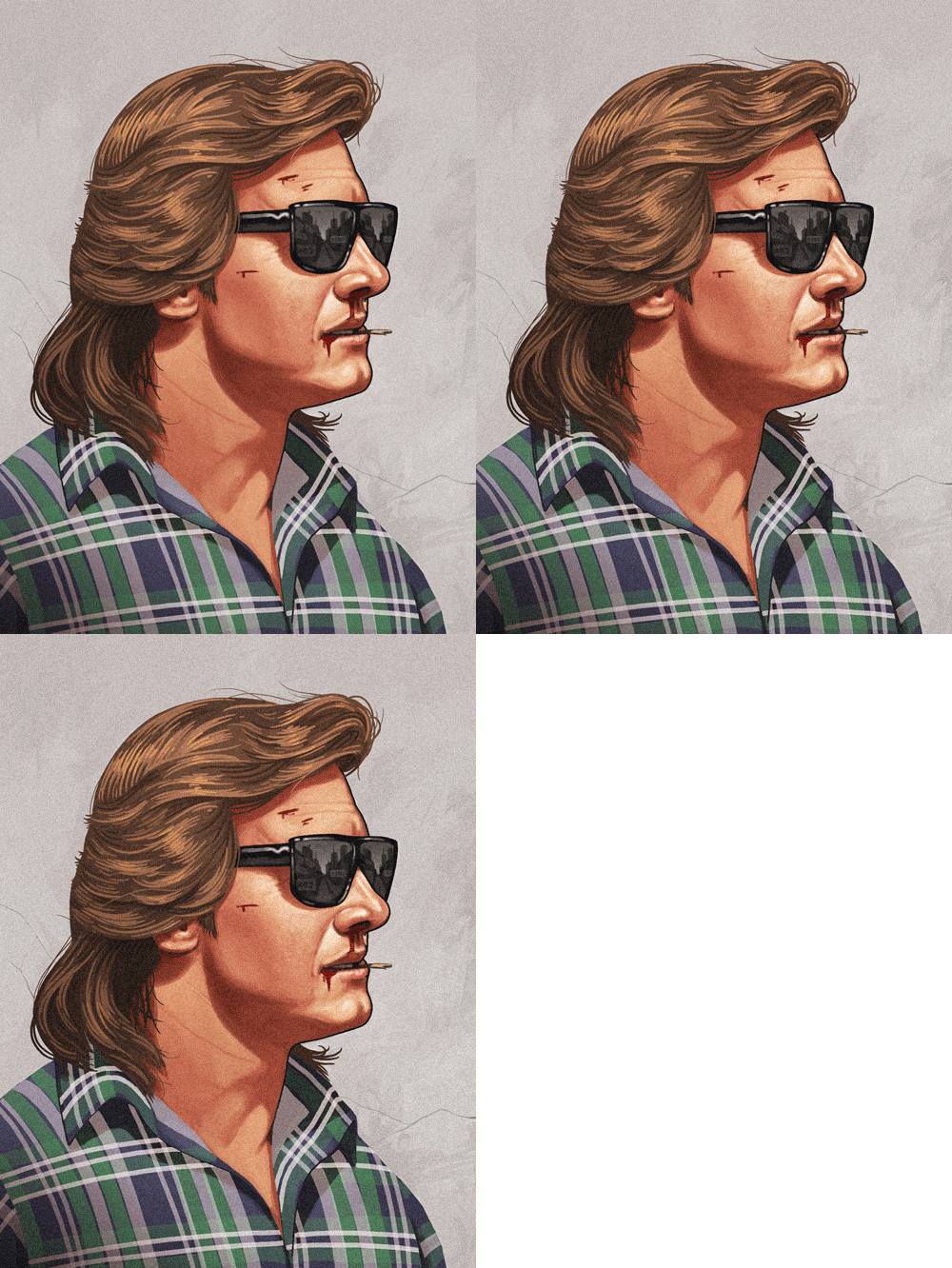
Roddy Piper’s John Nada from They Live wears the glasses that matter. In the lenses, a city reflection carries the word “OBEY,” collapsing the film’s central reveal into a wearable detail. Mullet, flannel, toothpick, and small facial cuts keep the drifter toughness. Without the reflection trick, it would still be a strong likeness; with it, the portrait becomes a one-image synopsis for people who know the movie and a mysterious clue for people who do not.
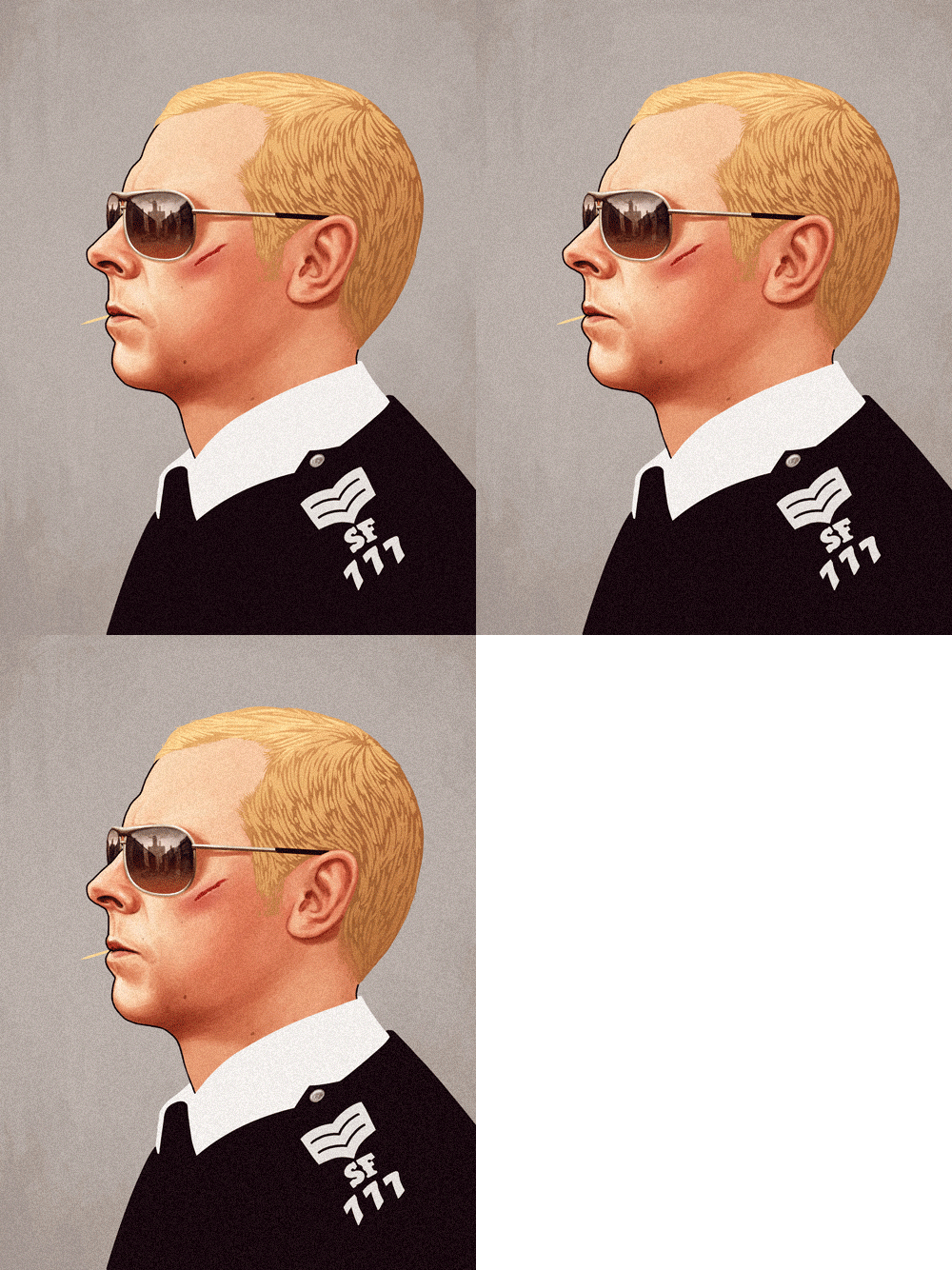
Simon Pegg’s Nicholas Angel from Hot Fuzz stands in black tunic, white collar, sergeant chevrons, and “SF 777” marking. Aviator lenses flash a skyline; a toothpick sits in the corner of the mouth like a borrowed tough-cop tic. The film’s joke is that Angel is both ridiculously competent and trapped in a comedy of village manners. The portrait plays it straight, which is exactly how the movie’s action pastiche works best.
A quieter close: Newton
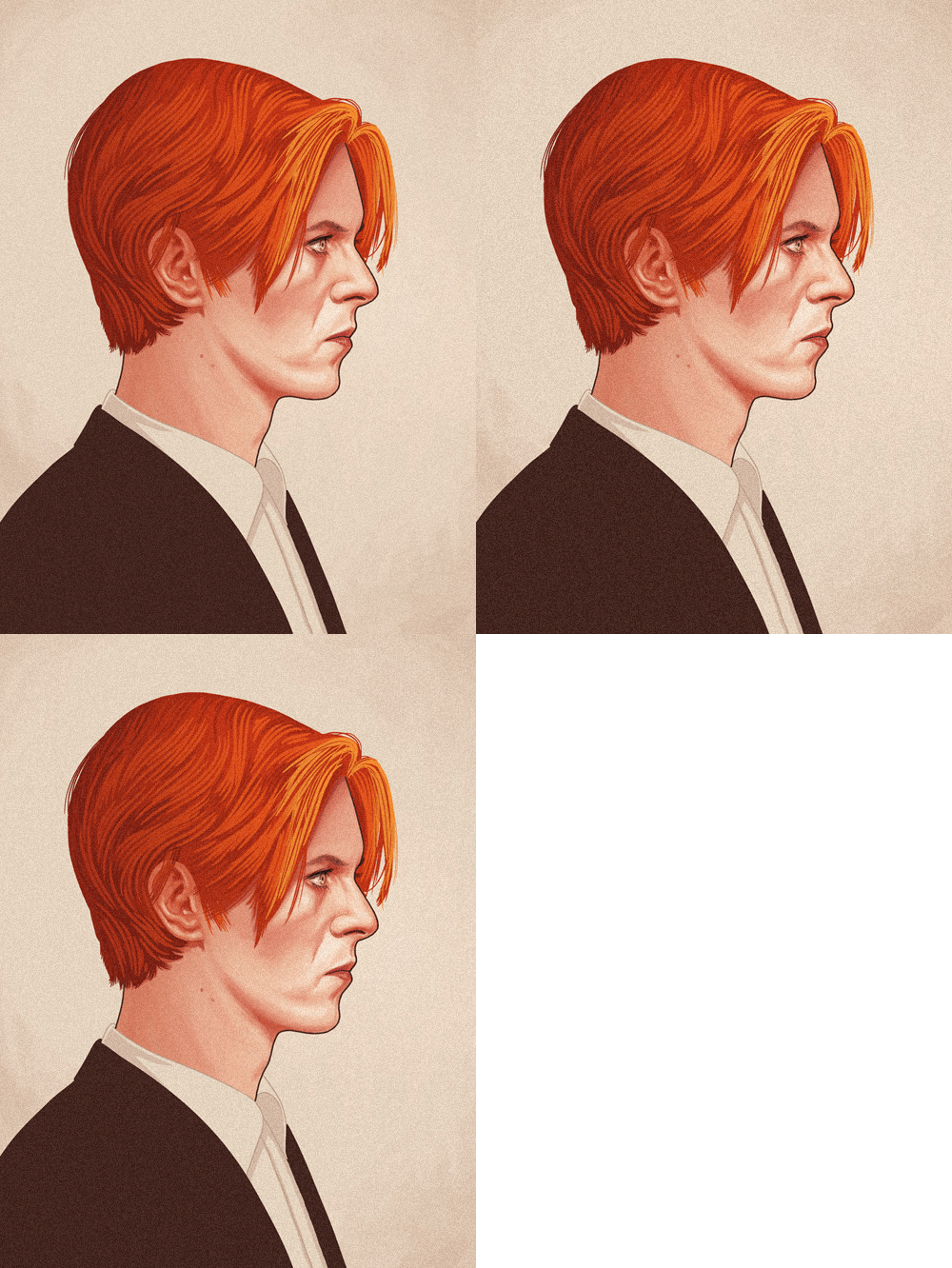
David Bowie as Thomas Jerome Newton in The Man Who Fell to Earth shifts the temperature. Orange hair, pale profile, dark suit, sparse background—the piece is less about costume fireworks and more about alien melancholy carried by bone structure and color. After blood sprays and quilted jackets, the restraint reads intentional. Mitchell’s range inside one series includes shout and hush.
Style notes: grain, clarity, affection
Across the set, surfaces often carry a stippled or grainy skin that suggests printmaking even when the workflow is digital. Edges stay clean enough for poster logic; faces keep actor likeness without sliding into uncanny photorealism. That middle zone is friendly to people who hang Mondo prints and Gallery 1988 culture on the same wall: recognizable, authored, and sized for rooms that cannot absorb a full theatrical one-sheet.
Mitchell first drew national attention with work such as the “I’m With Coco” Conan O’Brien poster and later fed collector demand with shows like Just Like Us. The 2013 Mondo Gallery exhibition (late April through late May on Guadalupe Street in Austin) offered a clearer thematic container for cinema-obsessed buyers. Roughly thirty or more portraits filled the full show; this page’s selection stands in for the tone—cult-leaning, stylistically unified, affectionate without soft focus.
How to look
Try a two-pass read on each image. First pass: name the film and the three details that made identification instant. Second pass: ignore those details and watch the mouth and eyes. The series holds because Mitchell draws people first and iconography second—even when the people are made of cinema. If you only remember props, you miss the portraiture. If you only remember likeness, you miss how color fields and wardrobe turn fandom into design.
Whether you collect prints or just love oddball film canons, these studies reward the same habit movie lovers already have: pausing on a face long enough to decide what kind of person lives behind the role.

Comments
Continue reading
Funny Animal Signs That Warn People (While Animals Ignore Them)
From a seagull on a no-birds disc to classic zoo and park ironies—why animal warning signs get funny, and what the rules are still for.
How to Find Local Amenities on Vacation: Mechanics, Haircuts & More
Locate trustworthy local services and everyday spots while traveling or settling in—using publications, reviews, map apps, neighbor tips, and low-pressure exploration.
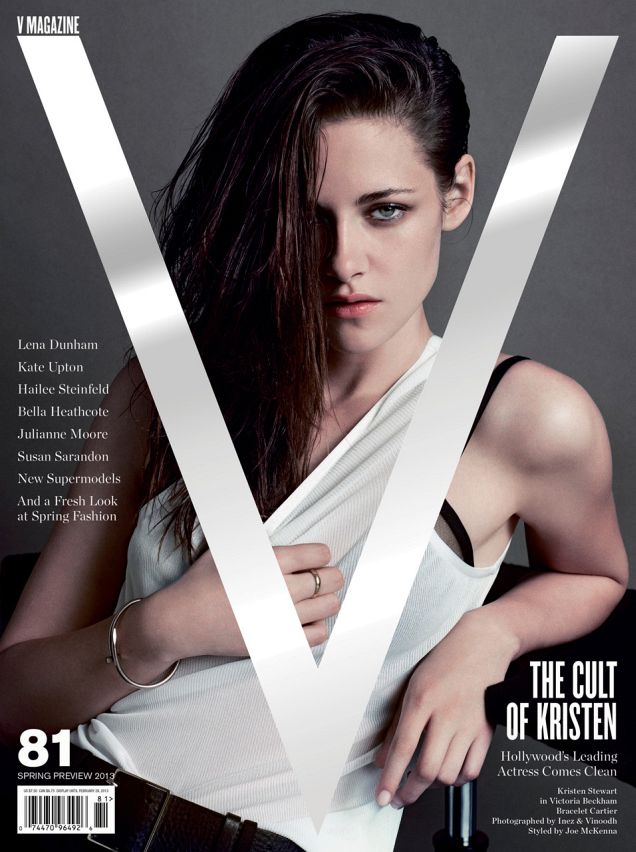
Kristen Stewart for V Magazine, Spring Preview 2013
V81’s Wild at Heart cover story—Kristen Stewart shot by Inez & Vinoodh, styled by Joe McKenna, in pale minimal spring glamour.