
Artistic Name Ideas for Creators, Studios, and Stage Aliases
Practical patterns for artistic names—art-history given names, material pairings, mononyms, and a short checklist for choosing one you can live with.
Choosing an artistic name is less about inventing something exotic and more about finding a word people can say, remember, and attach to your work. Whether you need a stage name, a studio alias, a creative project title, or an art-inspired personal name, the goal is the same: a short identity that feels intentional without sounding forced.
This guide gathers practical naming ideas and patterns—drawn from art history, materials, places, colors, and sound—so you can build a shortlist instead of staring at a blank page.
What makes an artistic name work
Strong creative names usually share a few quiet virtues.
They are easy to pronounce in the languages you actually use. A brilliant spelling that no one can say will cost you introductions forever.
They are searchable. If your alias is a common dictionary word with no twist, you will drown in results that are not you. If it is an unspellable cluster of symbols, people will never find you twice.
They leave room to grow. A name locked to one joke, one trend, or one hyper-specific medium can feel embarrassing five years later.
They match the tone of the work. Soft watercolorists rarely need metallic battle names. Harsh experimental noise projects rarely need pastel floral monikers—unless the contrast is the point, and then it should be deliberate.
Keep those tests nearby while you brainstorm. Pretty is not enough.
Art-history first names with creative charge
One durable approach is to borrow first names associated with painters, photographers, and sculptors—not as cosplay, but as resonance. These names already carry cultural texture, yet many still feel wearable in daily life.
For a lyrical or classical direction: Claude, Edgar, Henri, Pablo, Diego, Frida, Georgia, Dorothea, Artemisia, Sofonisba, Berthe, Camille.
For a modern or sharp direction: Agnes, Cy, Joan, Lee, Diane, Cindy, Nan, Wolfgang, Gerhard, Ansel, Imogen, Berenice.
For a softer studio or craft direction: William, Winslow, Mary, Alma, Helen, Louise, Paul, Marc, Klee (as surname energy), Mina, Leonora.
You do not need the full famous surname. Often the given name alone is enough, especially if your legal surname is already distinctive. If both halves are famous-artist names, the result can feel costume-like unless you have a strong personal reason.
Surname and mononym patterns
Artists and performers often succeed with one of these structures:
- Mononym: a single striking name used alone. Best when short, vowel-clear, and uncommon enough to own online.
- Initial + surname: useful when you want formality with a graphic mark, as in many photographer credits.
- Two short words: color + object, place + craft, weather + material.
- Given name + invented surname: keeps human warmth while adding brand uniqueness.
- Studio-style collective: “Atelier,” “Studio,” “Press,” or “Workshop” plus a concrete noun.
Examples of pattern thinking (not prescriptions): Amber Field, North Loom, Violet March, Glass Harbor, Ink Hollow, Red Atelier, Quiet Forge, Luna Press.
Say each candidate out loud three times. If it collapses into mush, discard it.
Names from materials, tools, and processes
Creative work is full of beautiful nouns that rarely appear on ordinary name lists. Used carefully, they make excellent project titles and sometimes excellent aliases.
Materials: Umber, Sienna, Cobalt, Ivory, Linen, Charcoal, Porcelain, Copper, Marble, Resin, Gesso, Indigo.
Tools and marks: Stylus, Loom, Chisel, Lens, Frame, Palette, Needle, Press, Quill, Drift.
Processes: Etch, Bloom, Temper, Burnish, Develop, Weave, Cast, Proof, Grain.
Pairings often beat single words: Cobalt Proof, Linen Drift, Copper Bloom, Charcoal Harbor. The second word softens the technical feel and gives rhythm.
Avoid overloading with three fancy nouns. Two well-chosen ones usually look more confident.
Place, season, and color as naming fuel
Geography and weather are classic artistic naming sources because they suggest mood without explaining the whole biography.
Places can be real (a childhood street, a river, a hill) or lightly fictionalized (a rearranged spelling, a translated word, a neighborhood nickname). Seasons work best when they match the emotional temperature of your portfolio: Winter for spare and cool work, August for heat and saturation, April for unfinished tenderness.
Color names remain powerful because they are short and visual: Saffron, Slate, Ochre, Coral, Noir, Pearl, Moss, Rust, Azure. Combine color with a human first name for a hybrid that feels both personal and designed—Maya Slate, Jonah Rust, Elena Moss.
Lists to spark a shortlist
Use these as sparks, then remix.
Short and graphic: Vesper, Sol, Nyx, Vale, Wren, Lux, Mira, Juno, Remy, Ari, Pax, Onyx.
Soft and lyrical: Isolde, Elowen, Aurelia, Callum, Seraphine, Orla, Silas, Amara, Lucian, Esme.
Studio and brand-ready: Atelier North, Kindred Print, Second Light, Hollow & Grain, Bright Margin, Paper Kingdom, Quiet Signal.
Art-adjacent given names: Raphael, Leonardo, Michelangelo (usually too heavy as a daily first name), Rembrandt as nickname energy only, Monet as middle name novelty, Kahlo as tribute with care, O’Keeffe as surname inspiration rather than direct copy.
When borrowing from living or recently living artists, be respectful. Inspiration is fine; impersonation is not.
A simple method for choosing
1. Write twenty candidates in ten minutes without judging.
2. Cross out anything hard to spell on first hearing.
3. Search each remaining name with your medium (“photography,” “ceramics,” “music”).
4. Check whether the matching social handle or domain is hopelessly taken.
5. Ask two people who do not know your concept to repeat the name after hearing it once.
6. Live with the top three on a sketchbook cover or mock logo for a week.
The winner is usually the name you still like after the novelty fades—and that still sounds like you when you answer the phone.
Common mistakes to avoid
Do not stack too many trendy suffixes. Endless “-ly,” “-ify,” and forced misspellings age quickly.
Do not choose a name you cannot pronounce with a straight face in a gallery, client call, or classroom.
Do not ignore trademark and existing-artist collisions in your field. A quick search now is cheaper than a rebrand later.
Do not explain the name to death in your bio. If it needs a paragraph of defense, it may be trying too hard.
- Can you say it clearly once?
- Can someone else spell it after hearing it?
- Does it fit work you might make in five years?
- Is it findable without fighting ten larger results?
- Do you still like it on a quiet Tuesday?
If four answers are yes, you probably have an artistic name worth using—not forever carved in marble, but strong enough to sign the next piece and the one after that.

Comments
Continue reading

Funny Animal Signs That Warn People (While Animals Ignore Them)
From a seagull on a no-birds disc to classic zoo and park ironies—why animal warning signs get funny, and what the rules are still for.

How to Find Local Amenities on Vacation: Mechanics, Haircuts & More
Locate trustworthy local services and everyday spots while traveling or settling in—using publications, reviews, map apps, neighbor tips, and low-pressure exploration.
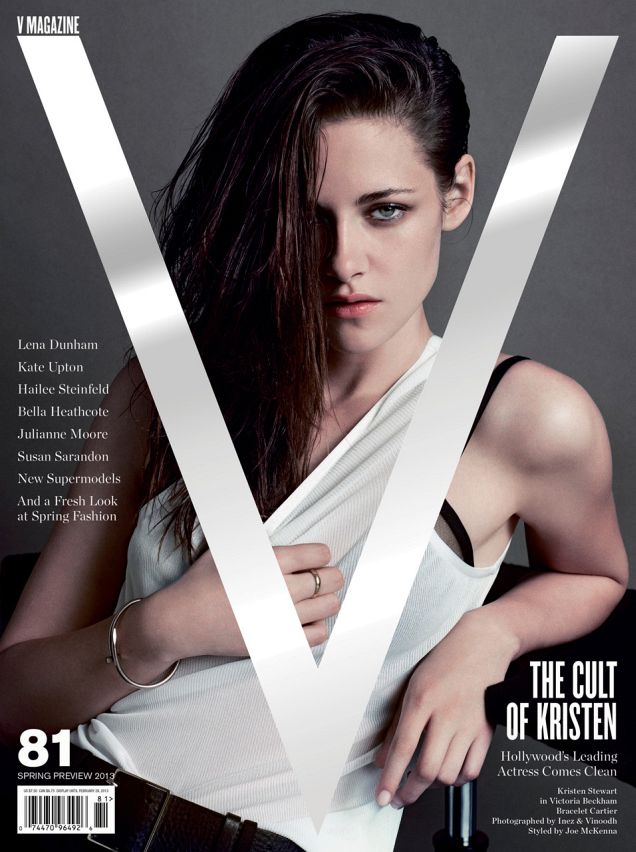
Kristen Stewart for V Magazine, Spring Preview 2013
V81’s Wild at Heart cover story—Kristen Stewart shot by Inez & Vinoodh, styled by Joe McKenna, in pale minimal spring glamour.