
Animals: Looking, Living With, and Photographing Other Species
A rebuilt essay on animals as companions, neighbors, and photographic subjects—attention, ethics, and why other species still hold the human eye.
Animals occupy a strange middle ground in human attention. They are companions, symbols, neighbors, pests, icons, and strangers—sometimes all in one week. A dog on the couch, a crow on a wire, a documentary leopard on a screen, a stuffed fox in a shop window: each asks for a different kind of looking. This page is a short field guide to that looking—how animals enter daily life, why photographs of them travel so well, and what patience has to do with seeing more than a cute face.
What follows treats animals as a lifestyle curiosity rather than a biology textbook—companions, neighbors, symbols, and subjects worth watching with patience.
Why animals hold the eye
People are pattern hunters. Eyes, ears, posture, and motion trigger recognition faster than most landscapes. An animal face concentrates those cues into a small area, which is why portrait-style wildlife and pet photos dominate feeds. We read intention into a tilt of the head whether or not intention is there. That projection is not always accurate, but it is powerful. It turns a sparrow into a character and a house cat into a roommate with opinions.
There is also relief in animal presence. Human social life is dense with speech, status, and unfinished conversations. Watching a tortoise cross a yard or a goat chew in a paddock offers a tempo that does not demand a reply. Even energetic animals—puppies, foxes, leaping deer—can feel clarifying because their motives look simpler from the outside. Simplicity is often an illusion; caretaking and ecology are complex. The feeling of simplicity is still part of why people seek animals out.
Cities do not erase this hunger. Urban wildlife—pigeons, raccoons, coyotes in some regions, insects on balconies—keeps the wild adjacent. Parks become theaters of ducks and squirrels. Pet culture fills apartments with managed versions of contact. The continuum from wild to domestic is messy, but the appetite for other species stays constant.
Living with animals: attention as a practice
Companionship animals change a household’s clock. Feeding, walking, litter boxes, vet visits, and the quiet check of “where is everyone?” become rituals. Those rituals teach observation. You learn the difference between a bored bark and an alert bark, between a cat’s stretch and a cat’s pain. Good care is mostly noticing early.
Not every animal relationship is a pet in the classic sense. Backyard chickens, aquarium fish, horses boarded elsewhere, and fostered animals all create partial cohabitation. Each arrangement has ethics attached: space, enrichment, veterinary access, and honesty about how much wildness you can responsibly host. Lifestyle articles sometimes romanticize “having animals” without naming cost and constraint. The more useful stance is reciprocal—what does this creature need to have a decent day?
Children often meet animals as teachers of gentleness and consequence. An animal cannot be paused like a game. That seriousness is part of the gift. Adults meet animals as stress relief, identity markers, and social bridges—dog parks and barn aisles are conversation machines. Across ages, the bond works best when curiosity outruns ownership fantasy.
Animals in pictures
Photography and animals have been partners since the medium could freeze motion. Early cameras struggled with speed; modern ones make every wingbeat collectible. The risk is surplus. When every hike yields a hundred bird shots, looking can become harvesting. Stronger animal pictures usually come from fewer frames and more waiting: light that describes fur, a gesture that reveals habit, a composition that includes habitat instead of erasing it.
Studio-style animal portraits—white backgrounds, direct gazes—borrow human headshot manners and can feel startlingly intimate. Field photographs do the opposite work: they insist that place matters, that a fox in snow is not the same story as a fox on seamless paper. Both approaches can be honest. Both can be shallow. Honesty shows in whether the image respects the animal’s pace and safety. No baiting for drama. No crowding nests. No treating fear as entertainment.
Illustration and design use animals differently again—as heraldry, mascots, pattern, allegory. A drawn owl can mean wisdom; a photographed owl mostly means owl. Knowing which mode you are in keeps interpretation clean. Lifestyle media often blurs them: a real dog becomes a brand of warmth; a painted stag becomes décor. There is nothing wrong with that blur if you still remember the living body behind the symbol.
Wildness nearby
Many people will never trek a remote reserve, yet they can still practice wild literacy close to home. Learn the common birds of your region by silhouette and call. Notice insect seasons. Watch how weather moves animals into or out of yards. Support habitat in small ways—native plants, fewer pesticides, windows made safer for birds—without pretending a balcony garden replaces policy.
Zoos, sanctuaries, and wildlife parks complicate the conversation. They can educate and conserve; they can also confine and commercialize. Visitors who treat them as portrait studios for social media often miss the interpretive work that makes a visit more than a checklist. If you go, read the signage, watch behavior longer than it takes to get a photo, and prefer institutions with transparent welfare standards. Looking is not automatically caring, but careful looking can lead there.
Documentaries and live cams extend access further. They are wonderful for wonder and imperfect for truth—editing compresses hours into highlights. Use them as invitations to learn names and ranges, then step outside and test what you think you know against local ground.
Ethics without sermon
Any article about animals eventually meets hard edges: habitat loss, industrial food systems, the pet trade, climate stress on migration. A lifestyle page cannot solve those systems in a few paragraphs. It can refuse fluff that pretends affection alone is enough. Choosing products, diets, donations, and votes with animals in mind is ordinary civic life, not a special hobby.
On the personal scale, ethics looks like not sharing distress images for clicks, not buying wild-caught pets on impulse, not abandoning animals when novelty fades, and not harassing wildlife for content. Soft rules, hard to keep online. Worth keeping anyway.
A way to keep looking
If this page has a single practical suggestion, it is this: pick one animal presence in your week—companion, neighbor species, or distant wild subject—and give it uninterrupted minutes. No multitasking. No forced narrative. Just watch how it moves, rests, eats, or ignores you. Write nothing if you do not want to. The point is recalibration.
Animals will continue to fill our screens because they are visually eloquent and emotionally sticky. The better habit is to let some of that attention leak back into the physical world, where creatures are not only images. Feed the ones you are responsible for. Leave room for the ones you are not. Learn a few true names. Laugh at the ridiculous ones. Stay suspicious of anything that turns a living animal into pure content.
That is the durable topic behind a simple URL called animals: not a finished encyclopedia, but a standing invitation to look longer, live more carefully beside other species, and remember that curiosity—when it stays humble—is one of the kinder human instincts we still have.

Comments
Continue reading
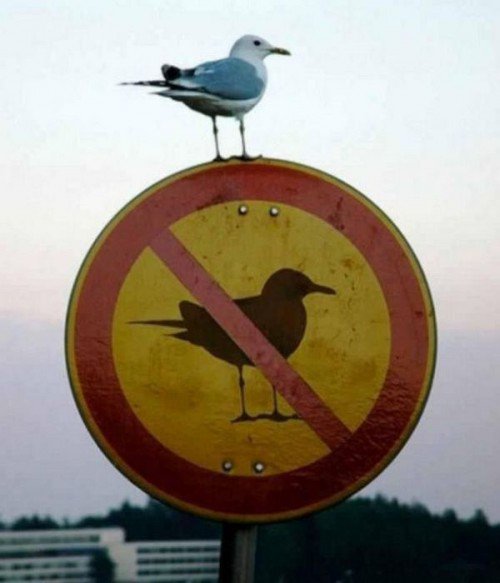
Funny Animal Signs That Warn People (While Animals Ignore Them)
From a seagull on a no-birds disc to classic zoo and park ironies—why animal warning signs get funny, and what the rules are still for.
How to Find Local Amenities on Vacation: Mechanics, Haircuts & More
Locate trustworthy local services and everyday spots while traveling or settling in—using publications, reviews, map apps, neighbor tips, and low-pressure exploration.

Kristen Stewart for V Magazine, Spring Preview 2013
V81’s Wild at Heart cover story—Kristen Stewart shot by Inez & Vinoodh, styled by Joe McKenna, in pale minimal spring glamour.