
Morten Koldby’s Animal Portraits: Studio Dignity for Wild Faces
Danish photographer Morten Koldby’s Animal Portraits series isolates bears, birds, big cats, and more against white—formal headshots built on patience and soft light.
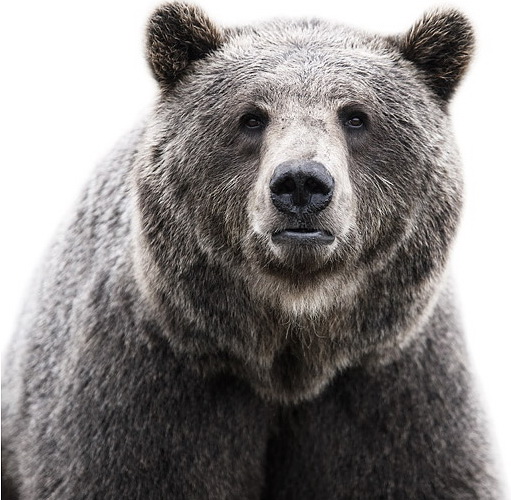
Danish photographer Morten Koldby treats animals the way a portraitist treats people: face forward, eyes engaged, background emptied until character has nowhere to hide. His ongoing series Animal Portraits strips away habitat, narrative caption, and zoo-fence clutter. What remains is fur, feather, wrinkle, and gaze—presented with the formal calm of a studio headshot. The pictures look simple. Making them is not.
Based in Aarhus and trained at the Danish School of Photography, Koldby built a commercial practice around portraits, corporate work, lifestyle reportage, and animal imagery after years assisting established Danish photographers and launching his own business around 2009. The animal series began as something closer to a weekend obsession and grew into a circulating body of work—shared widely online, discussed in photographer spotlights, and long associated with the idea of a future coffee-table collection once enough faces had gathered.
White ground, full attention
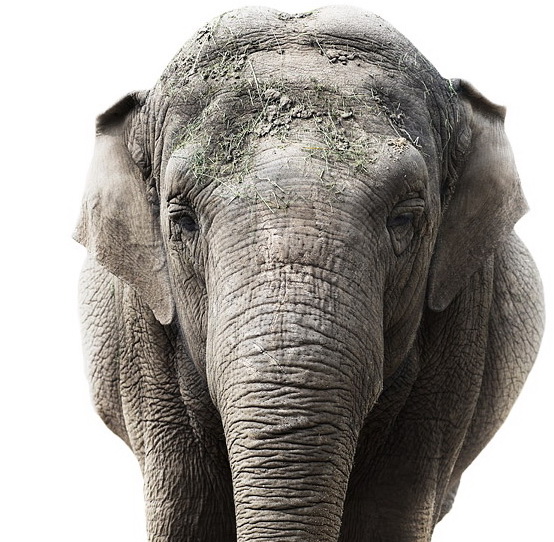
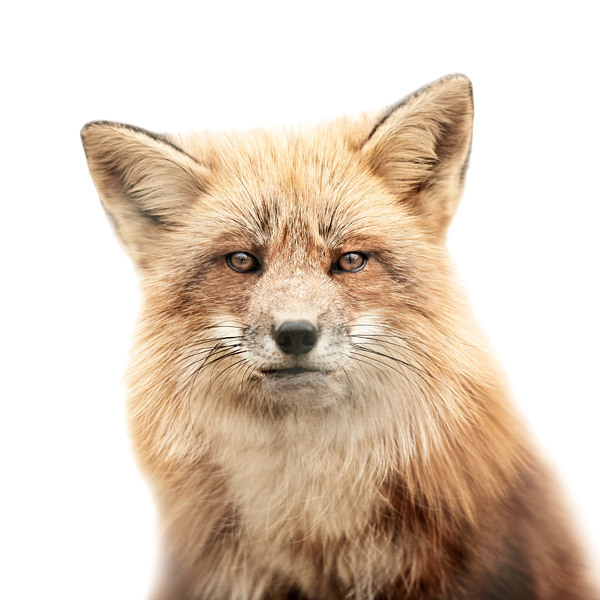
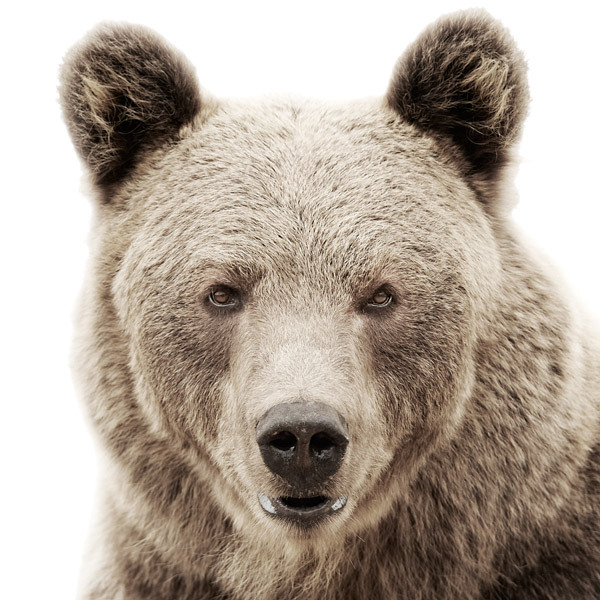
The signature move is isolation. A seamless white field—or the nearest outdoor equivalent under soft overcast—removes the visual competition of trees, bars, and signage. Soft, even light keeps texture readable without theatrical shadow. Suddenly a brown bear’s grizzled coat becomes topography. An elephant’s skin becomes a map of folds and dust. A fox’s ruff becomes a carefully lit costume rather than a blur in underbrush.
That choice is philosophical as much as technical. Wildlife photography often sells place: mist, savanna, snow. Koldby sells encounter. By denying the landscape, he forces a social reading. Viewers invent personality—nervous, arrogant, solemn, amused—because the framing borrows human portrait conventions. The animals did not ask for that projection. The pictures invite it anyway.
Patience as method
These subjects are not fashion models on a mark. Many sessions happen in zoos, wildlife parks, or reserves, with keepers as collaborators and animals as untrained partners. Koldby has described the core solution as patience: wait until the creature settles, then stay interesting enough to hold its attention. Eye contact is the prize. Without it, the portrait collapses into a specimen photo.
Camera height becomes a quiet language of power. Shooting slightly above or below eye level can make a subject feel majestic or intimate. Intelligent, curious animals may engage faster; others require longer negotiation. In one oft-retold instance, a Siberian tiger’s dislike of a particular keeper helped position the cat toward the lens—an accidental choreography that still depended on reading behavior rather than commanding it.
Surprises cut both ways. Large cats that sound terrifying on paper can cooperate; species that seem gentle—Koldby has mentioned giraffe among the more intimidating—can overwhelm a photographer with scale and unpredictability. The lesson for anyone looking at the finished gallery is useful: elegance in the final file hides a messy fieldwork of waiting, repositioning, and accepting that some days the face never arrives.
A gallery of faces
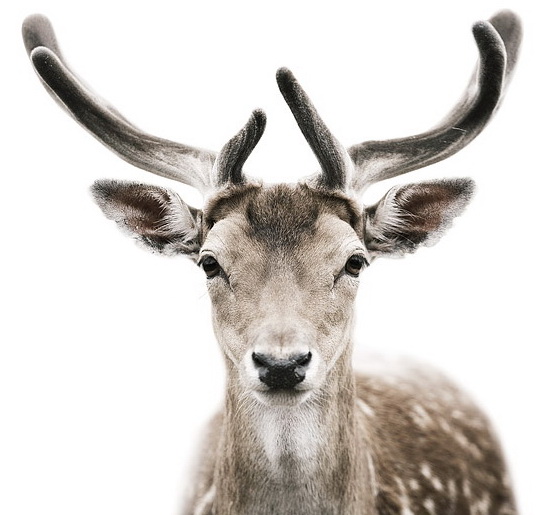
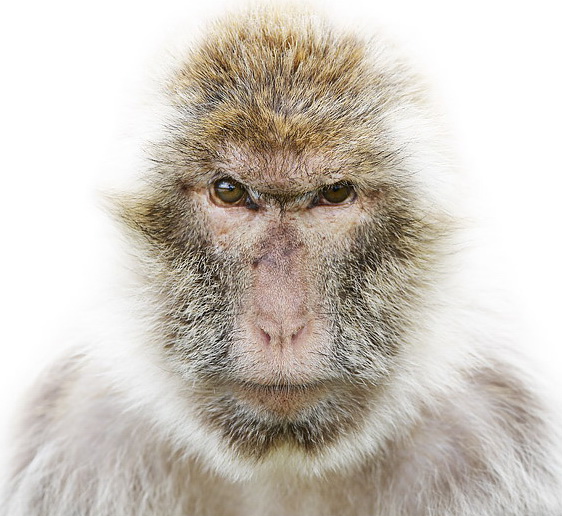
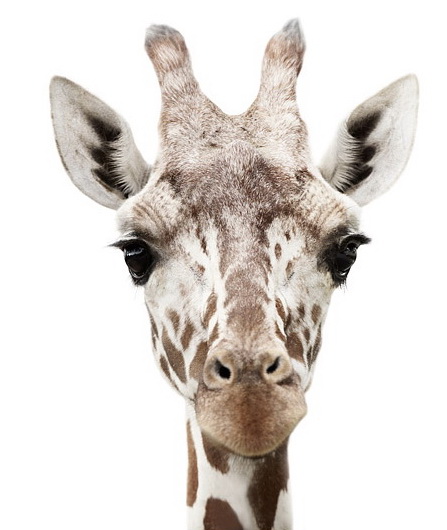
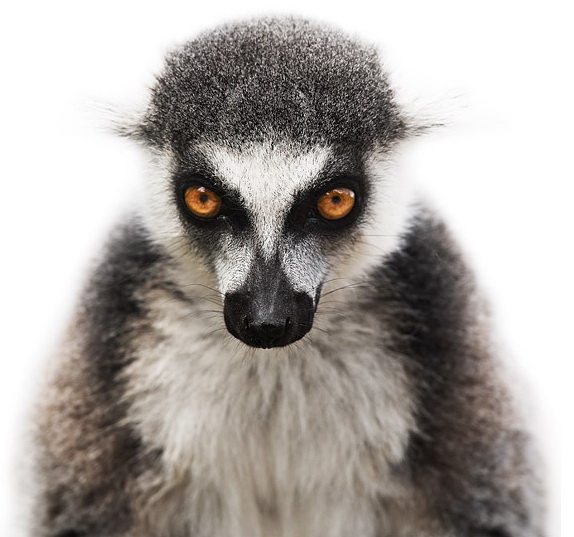
Scroll the set and the variety becomes the argument. A deer in velvet antlers holds a soft, almost ceremonial stillness. A macaque’s amber stare feels uncomfortably social. The elephant arrives as mass and detail at once—straw in the forehead fur, trunk ridges like architecture. The giraffe’s long lashes and ossicones read as graphic design written in biology. A ring-tailed lemur’s orange eyes punch through a black-and-white facial mask. The red fox brings classic alertness: pointed ears, white chest, rust coat sharpened by clean light.
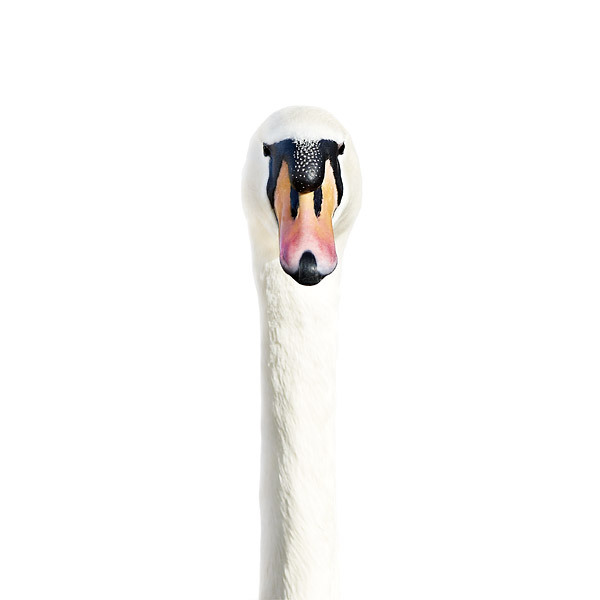
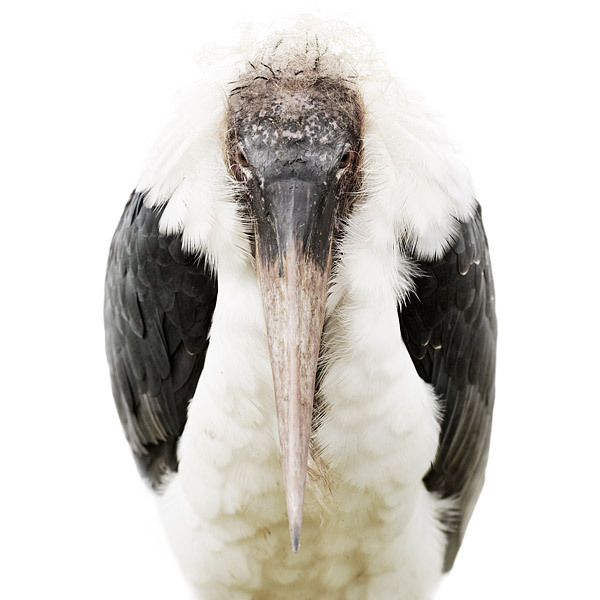
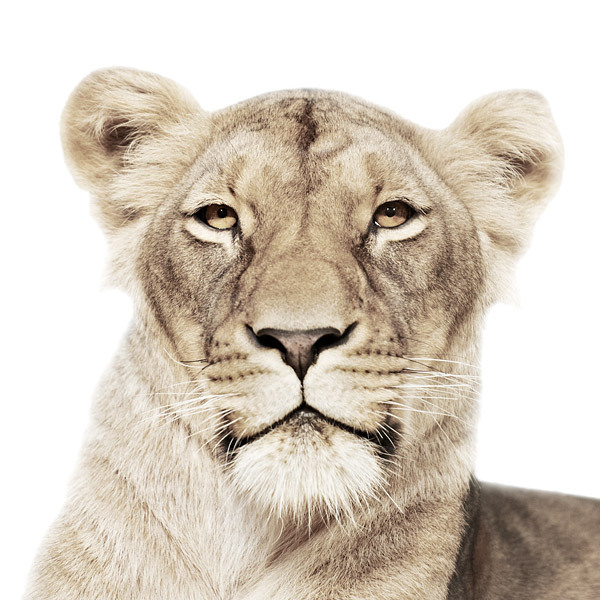
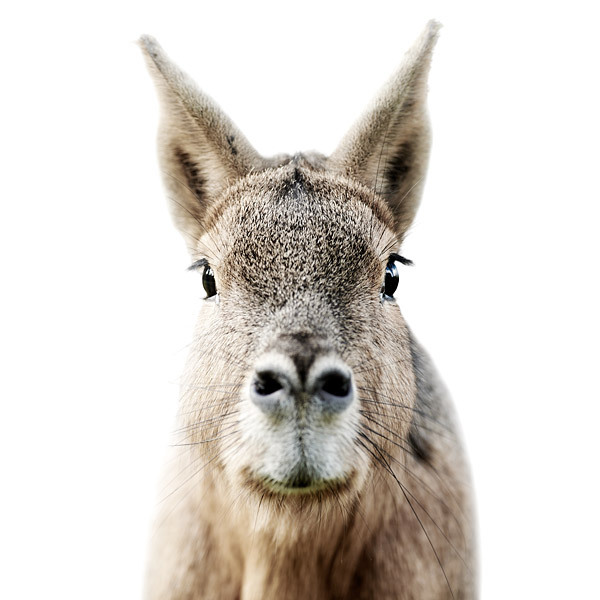
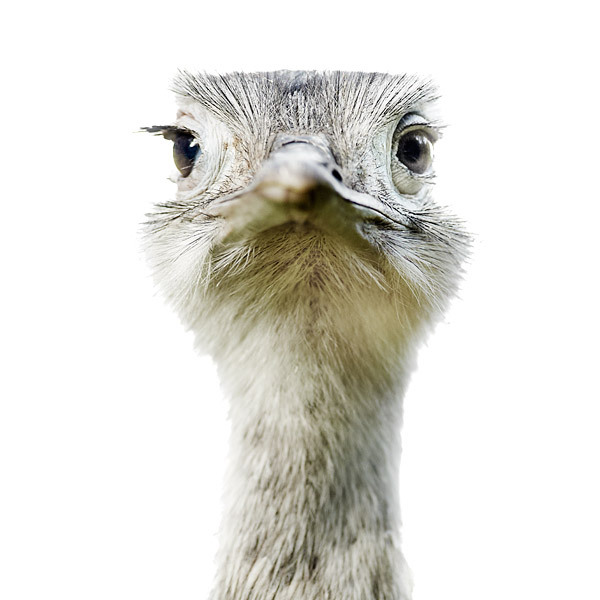
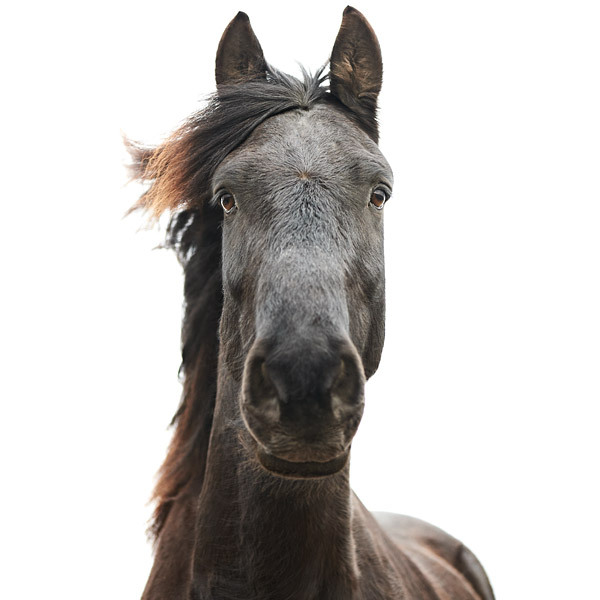
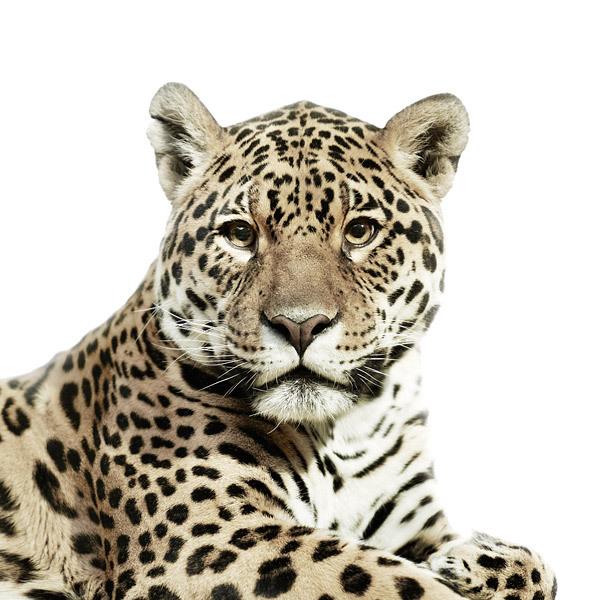
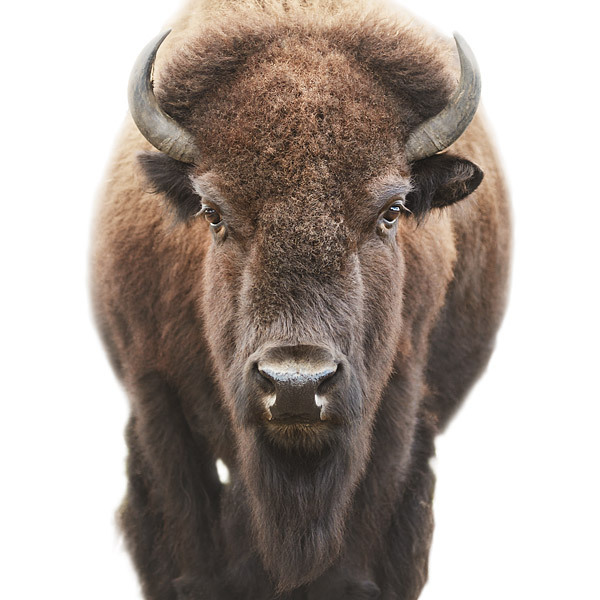
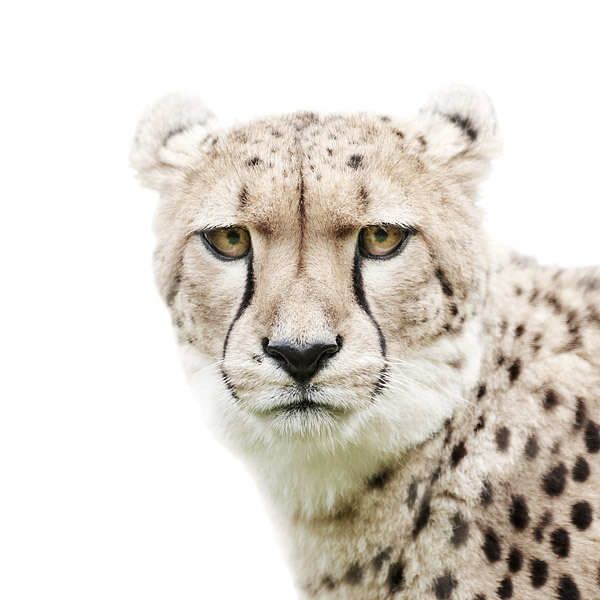
Birds refuse to be afterthoughts. A mute swan’s orange bill and black knob become a study in geometry. A marabou stork’s bald, mottled head and heavy beak turn “ungainly” into formidable character. An ostrich meets the lens with eyelashes and a flattened bill that somehow looks both comic and dignified. Mammals return with equal range: a lighter-toned brown bear; a lioness’s amber focus; a Patagonian mara’s tall ears and liquid eyes; a dark horse with forward ears; a spotted jaguar’s rosettes; a bison’s woolly forehead and curved horns; a cheetah’s tear lines and spotted tan coat.
What unifies them is not species romance. It is consistent authorship—centering, soft light, white void, and the insistence that each animal deserves a portrait sitting rather than a candid chase frame.
Commercial craft, personal series
Koldby’s day job in advertising photography shows in the finish. Edges are clean. Retouching, done in-house in his practice, aims for clarity rather than fantasy fur. The colors stay believable: warm browns, soft greys, the natural pigments of beak and iris. That restraint keeps the series from tipping into novelty poster art. You can imagine the images working in a gallery grid, a book sequence, or a campaign about attention and conservation without needing cartoon exaggeration.
There is also an ethical edge worth naming without sermonizing. Zoo and park access makes these portraits possible; it also means the animals live in managed spaces. The photographs neither hide that reality nor advertise it. They simply use controlled access to make looking slower and more reciprocal than a telephoto snapshot from a tourist path. Whether that serves wonder, education, or both depends on the viewer. The craft itself argues for respect: no baiting spectacle, no gore, no forced anthropomorphic props—only the difficulty of earning a look.
How to look
Give each frame a few seconds longer than a feed usually allows. Start at the eyes, then travel outward through texture—the swan’s feather grain, the bison’s matted wool, the jaguar’s rosette edges. Notice how centering creates ceremony. Notice how the white field makes scale ambiguous until ears, horns, or beaks teach you size by familiarity. Ask what mood you are assigning, and why. The series thrives on that slight embarrassment of recognition: we meet animals as if they were sitting for a yearbook, and we cannot help reading character into bone and fur.
Photographers can steal the principles without copying the catalog. Soft light. Minimal background. Patience over burst-fire luck. A willingness to fail sessions. Most of all, a decision about what the picture is for. Koldby’s answer is contact. If the eyes are dead, the file is only inventory.
Why the series still lands
Internet galleries have been crowded with animal close-ups for years. Many chase cuteness or shock. Morten Koldby’s Animal Portraits endure because they borrow the dignity of formal portraiture and apply it across species without apology. A horse and a marabou stork share the same visual constitution. That equality is the quiet radicalism of the white background.
His wider practice—still rooted in Aarhus, still spanning photography and motion for commercial and other clients—keeps the series from feeling like a one-off viral stunt. It is a photographer’s long conversation with faces that cannot take direction the way humans do, yet still offer moments of startling presence. Look through the set once for delight. Look again for craft. The second pass is where the work stops being a collection of cool animals and becomes a study in attention—Danish, meticulous, and oddly tender for pictures made of such formidable subjects.

Comments
Continue reading
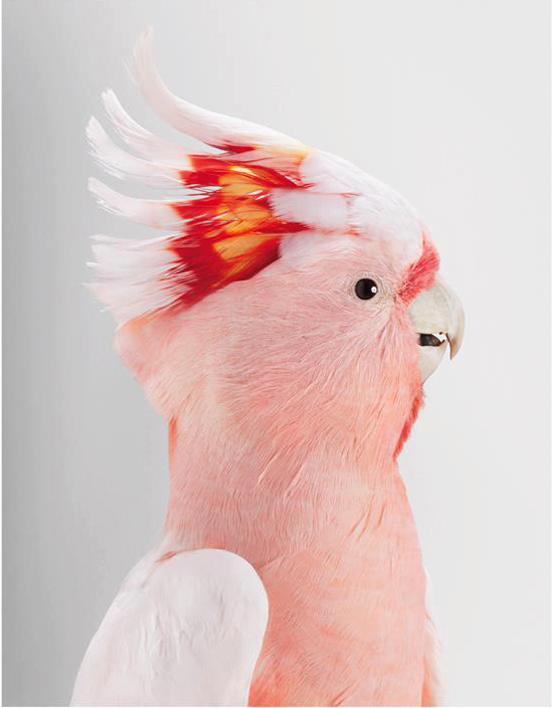
Wild Cockatoos by Leila Jeffreys
Sydney photographer Leila Jeffreys’s cockatoo portraits treat wild birds with studio gravity—feather, crest, and gaze held long enough to meet the eye.
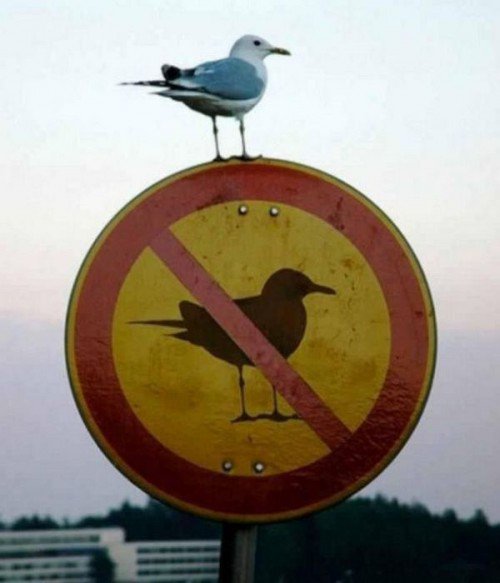
Funny Animal Signs That Warn People (While Animals Ignore Them)
From a seagull on a no-birds disc to classic zoo and park ironies—why animal warning signs get funny, and what the rules are still for.
How to Find Local Amenities on Vacation: Mechanics, Haircuts & More
Locate trustworthy local services and everyday spots while traveling or settling in—using publications, reviews, map apps, neighbor tips, and low-pressure exploration.