
Rachel Ryle’s Stop-Motion Art on Instagram
Illustrator Rachel Ryle turned colored pencils and paper into 15-second Instagram stop-motion—handmade loops, desk craft, and a career launched in 2013’s video era.
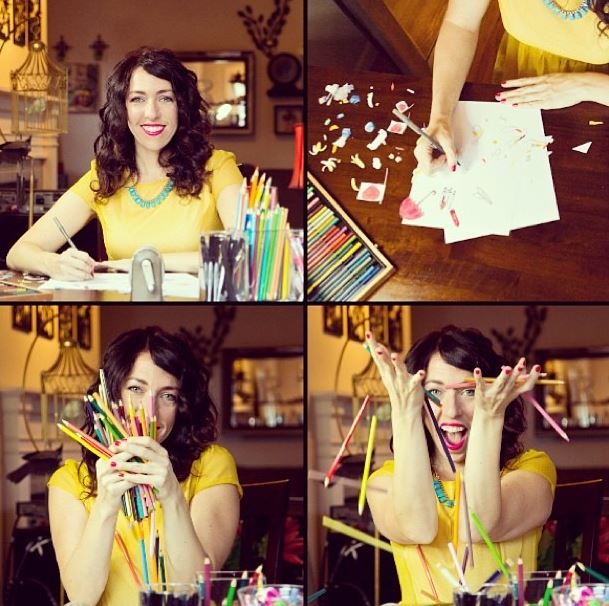
When Instagram opened short video in 2013, most people pointed phones at sunsets. Illustrator and animator Rachel Ryle pointed hers at paper, colored pencils, and tiny cutouts—and taught herself stop-motion one fifteen-second story at a time. The clips look effortless: a watering can tips, a flower grows, a character blinks into a new mood. Behind each one sits the older craft of frame-by-frame drawing, compressed for a feed that rewarded charm and clarity more than polish.
Ryle has said she had always been intrigued by stop-motion. As soon as the platform released video, she began experimenting; her first posted animation, often remembered as “Make Something & Grow,” was meant as encouragement as much as entertainment. She kept posting. Within weeks the hobby outgrew a day job in marketing, and the Boulder-based artist turned illustration and animation into full-time work—later under her own studio banner, Don’t Stop Motion—while the Instagram account @rachelryle became a reference point for handmade motion on social media.
Paper, pencils, and fifteen seconds
Classic stop-motion moves puppets or clay under a still camera. Ryle’s signature path starts on the desk: colored pencils, pens, white paper, and small illustrated cutouts arranged, nudged, and photographed in sequence. The phone is both capture tool and publishing booth. That constraint matters. Fifteen seconds (the early Instagram limit) forces a complete mini-arc—setup, change, payoff—without room for filler. Viewers get a joke, a soft moral, or a visual surprise before the next post arrives.
Look at the collage of her workspace and you see the grammar of the work: jars of pencils, overhead shots of hands mid-draw, playful portraits that treat tools as props. The materials are ordinary; the discipline is not. Each second of finished motion can hide dozens of tiny shifts. A striped umbrella cutout, a drawn character’s arm, a letter that appears stroke by stroke—none of it works unless the artist decides what changes between frames and what stays still so the eye can track the story.
Why Instagram suited this craft
Square framing, vertical attention, and looping habit made Instagram an unexpectedly good gallery for short animation. A loop rewards timing: if the last frame reconnects cleanly to the first, the clip feels infinite. Ryle’s pieces often behave that way—gentle cycles of growth, gesture, or transformation that invite a second watch. The platform’s early video era also favored makers who could invent a recognizable style quickly. Bright color, hand-drawn line, and a friendly tone became her brand without needing a studio logo on every frame.
Coverage from Mashable, local Boulder reporting, and later career profiles all circled the same surprise: a self-taught animator using consumer tools to produce work that felt closer to picture-book cinema than to phone filters. Brands noticed. Commercial commissions followed—including early work tied to playful product characters and later client projects across fashion, food, and lifestyle—but the public face stayed the desk-bound craft: paper that moves because someone moved it, one frame at a time.
Reading a Rachel Ryle clip
Start with the object that changes. Is it a plant, a face, a handwritten phrase? Track how many distinct beats occur before the end. Notice what never moves—background washes, a table edge, a fixed prop—because stillness is the scaffold that makes motion readable. Then ask what emotion the color temperature carries. Ryle’s palette tends warm and saturated: yellows, reds, turquoise accents that match the cheerful portraits of the artist herself. The optimism is not accidental; many pieces are designed to leave a smile rather than a puzzle.
Pause on craft tells. Slight paper texture, soft edges where cutouts meet the page, and the imperfect alignment that proves a human hand—not generative smoothness—drove the sequence. Those tells are part of the pleasure. In an era crowded with automated motion, handmade jitter reads as sincerity. The viewer understands that someone sat at a desk long enough for the joke to land.
Stop-motion as short storytelling
Fifteen seconds is closer to a haiku than a short film, yet the best of Ryle’s feed still uses story structure. A problem appears (a blank page, a wilted idea, a lonely object). Action intervenes (drawing, watering, arranging). Resolution arrives as growth, connection, or a wink. Sometimes the “character” is the art supply itself. Treating pencils and paper as actors keeps the work honest about its medium: this is animation about making, not only animation that hides the making.
That meta-layer explains why the work traveled beyond animation fans. Illustrators saw a path from static portfolio to moving feed. Marketers saw emotion without a big production budget. Parents and teachers saw a model of creative practice that looked doable—colored pencils, not a motion-capture stage. The barrier was patience, not gear. Ryle’s own arc from first experiment to quitting a marketing director role within weeks of viral traction made the lesson concrete: consistent public practice can rewrite a career when the craft matches a new distribution window.
From hobby desk to studio practice
Don’t Stop Motion, the one-woman shop Ryle founded after early commercial success, formalized what the Instagram experiments proved: short, characterful stop-motion could serve clients without abandoning the handmade look. The tension in that shift is familiar to any artist who goes professional—schedules, briefs, brand guidelines—yet the visual identity remained rooted in pencil and paper. Followers still met the same sensibility: whimsy with timing, encouragement without sermonizing.
It helps to place her historically. 2013 was the hinge year when social video stopped being a novelty and started being a primary canvas. Vine’s six seconds and Instagram’s fifteen created a generation of micro-animators. Ryle stood out because she brought illustrator’s control of line and color into a format often filled with live-action goofs. She did not invent stop-motion; she localized it for a square feed and kept the human scale of the desk visible in the finished clip.
What to take from the work
If you are learning animation, steal the constraints, not the aesthetic. Limit yourself to a handful of materials. Force a complete change inside fifteen seconds. Publish often enough that fear of imperfect frames dies. If you are only watching, watch twice: once for the smile, once for the increments. Count how many micro-moves build the illusion of continuous life. That second pass is where respect for the craft settles in.
Rachel Ryle’s stop-motion remains a reminder that platforms do not invent artists—they reveal which practices fit the new container. Colored pencils and paper were already on her desk. Instagram’s video button simply asked whether those tools could move. They could. The collage of the smiling maker, the overhead drawing session, and pencils thrown into the air is not decoration around the work; it is the work’s thesis in still form: joy, tools, and motion belong together. Open @rachelryle when you want proof that a short loop can still feel handmade—and ask, before you scroll on, which single object on your own desk might be worth fifteen seconds of stubborn frames.

Comments
Continue reading
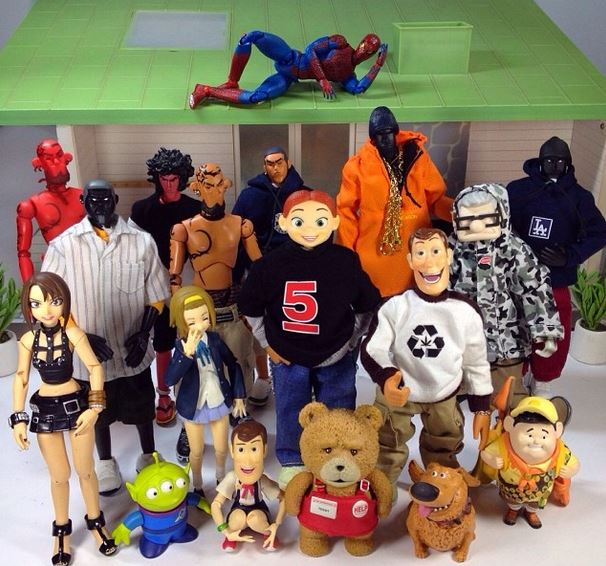
Extremely Funny Toy Stories by Johandi Yahya
Johandi Yahya’s short Instagram toy films—Toy Story figures, Spider-Man, turtles, and more—use tabletop staging and sharp timing to turn a shelf into comedy.
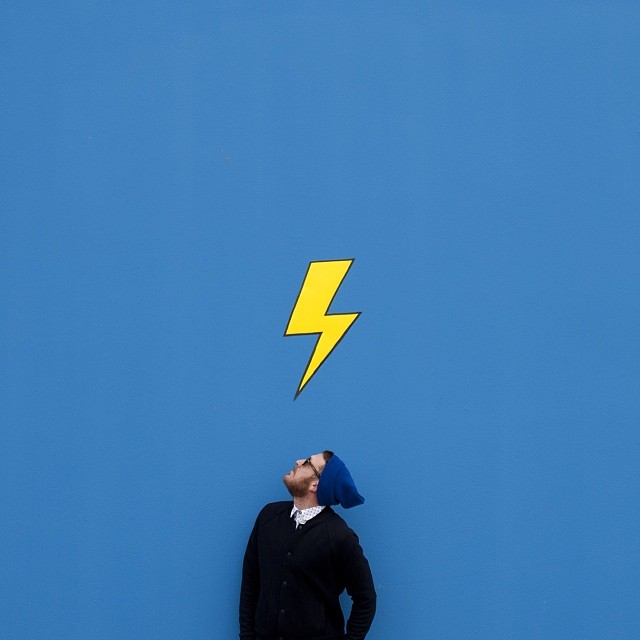
Andrew Zonzini’s Comic-Strip Photographs (@perrycolante)
Italian illustrator Andrew Zonzini stages colorful paper graphics on real walls, then photographs them so still images read like comic strips—without post-shoot digital collage.
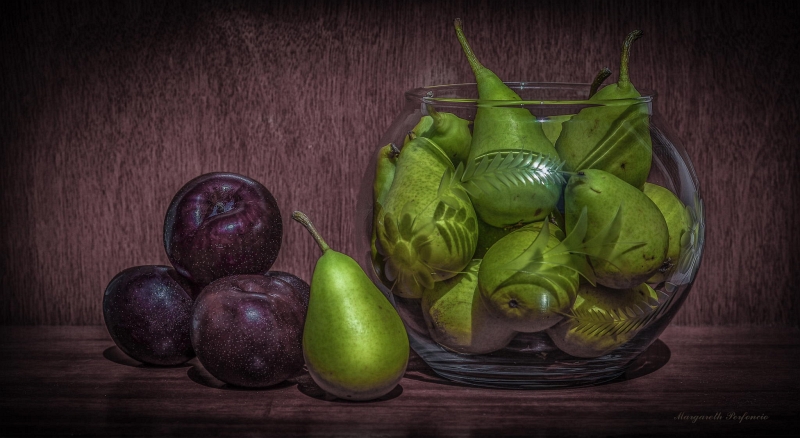
Still-Life Photography by Margareth Perfoncio
São Paulo photographer Margareth Perfoncio’s still lifes of food and flowers—Old Master light, dark wood, and tables that feel inevitable.