
Modern Wedding Cake Ideas: Silhouette, Texture, Florals, and Color
Sweet, modern wedding-cake decoration ideas—from clean silhouettes and textured icing to florals and graphic color—plus how to brief a baker from inspiration images.
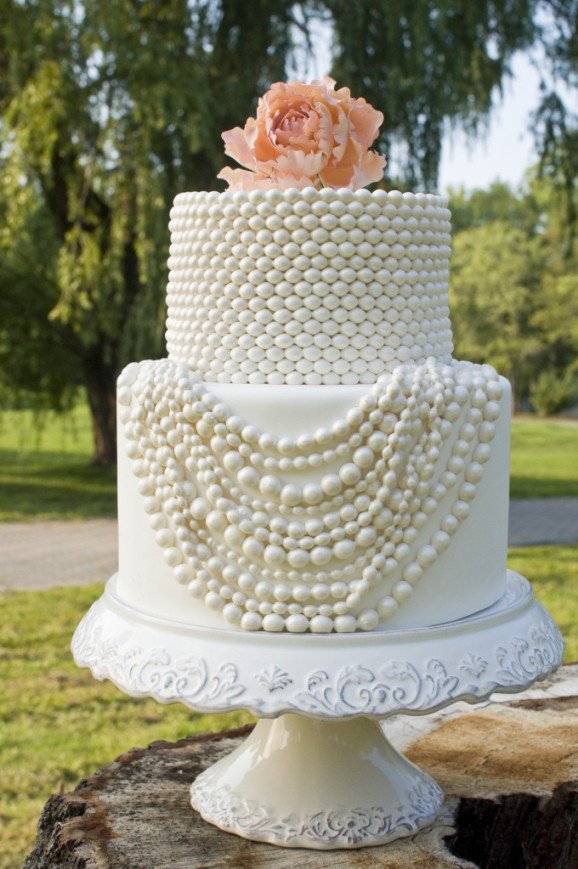
A wedding cake is rarely only dessert. It is a vertical centerpiece that has to survive heat, transport, photographs, and the expectations of two families staring at the same table. Sweet, modern decoration ideas help because they translate feeling into frosting: clean geometry for a contemporary vow, soft florals for romance, bold color for a couple who wants the cake to announce itself. Inspiration works best when it is visual and practical at once—shapes you can imagine in a real venue, finishes a baker can actually execute, and details that still look good after the first slice is gone.
The gallery below gathers modern wedding-cake directions: sculpted tiers, graphic icing, floral drama, and quieter minimal looks. Use them as a mood board, not a rigid checklist. The right cake is the one that matches your day’s light, your dress or suit’s formality, and the way you want the reception to feel when guests gather for the cut.
Start with silhouette and proportion
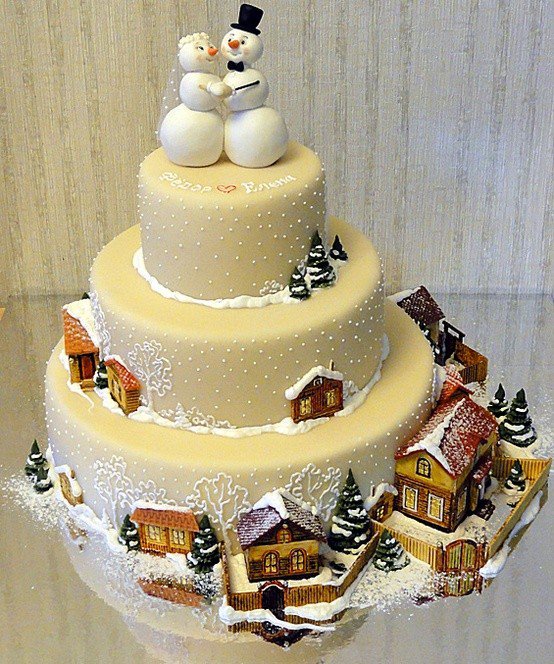
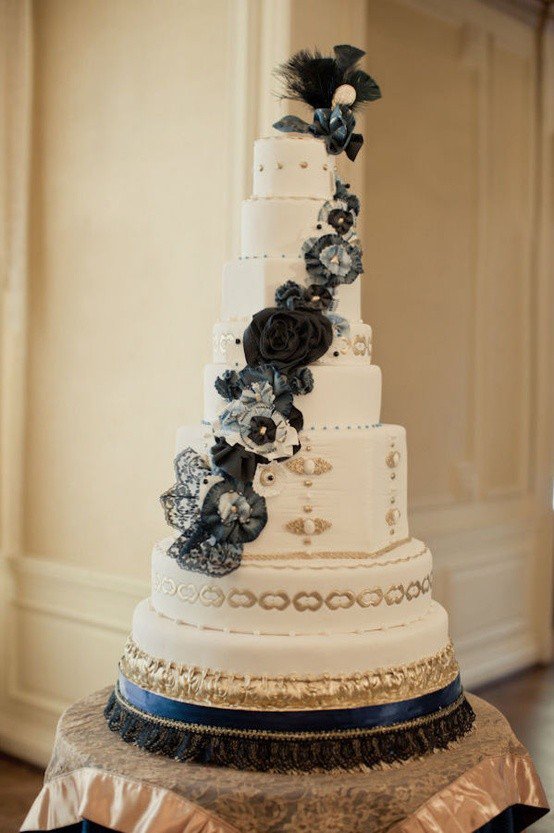
Before flavor meetings and filling debates, decide the cake’s outline. Tall stacked tiers read formal and photographic. Shorter, wider compositions feel approachable and often travel more calmly. Asymmetry—an offset stack, a cascade of smaller cakes, a single dramatic height with a lower companion—can look contemporary without needing loud color. Proportion is the first design decision guests notice in a photograph, even if they cannot name it.
Think about the table and the room. A grand ballroom can carry vertical drama. An intimate garden lunch may look better with a lower cake that does not tower over flowers and candles. Modern decoration often succeeds by editing: fewer competing ornaments, stronger silhouette, intentional negative space on the icing.
Texture is a modern shortcut to richness
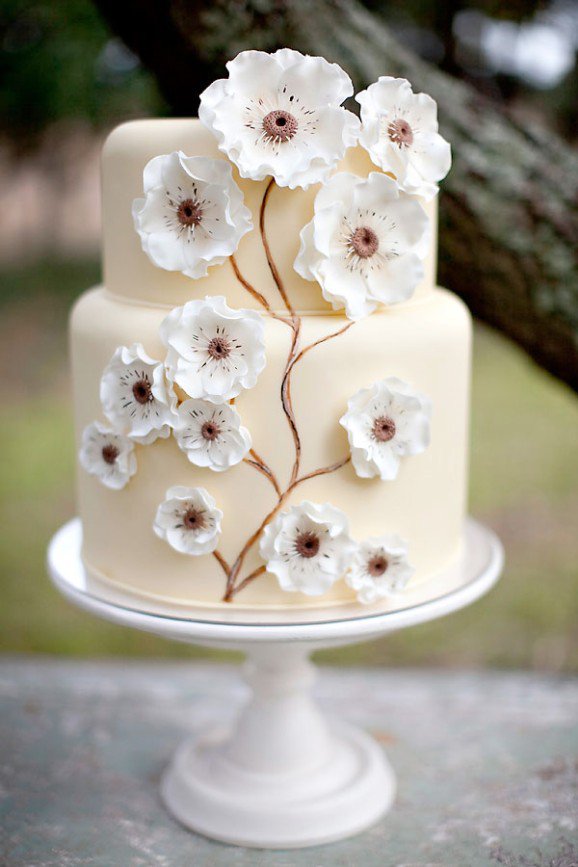
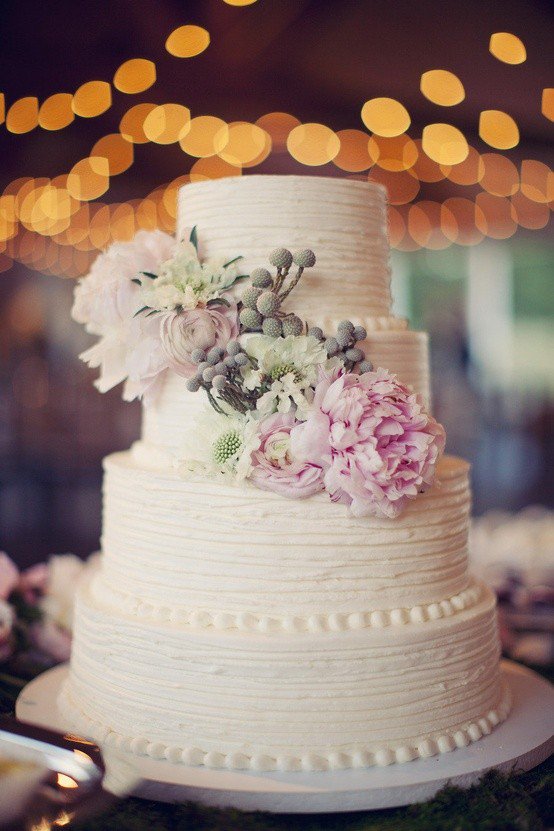
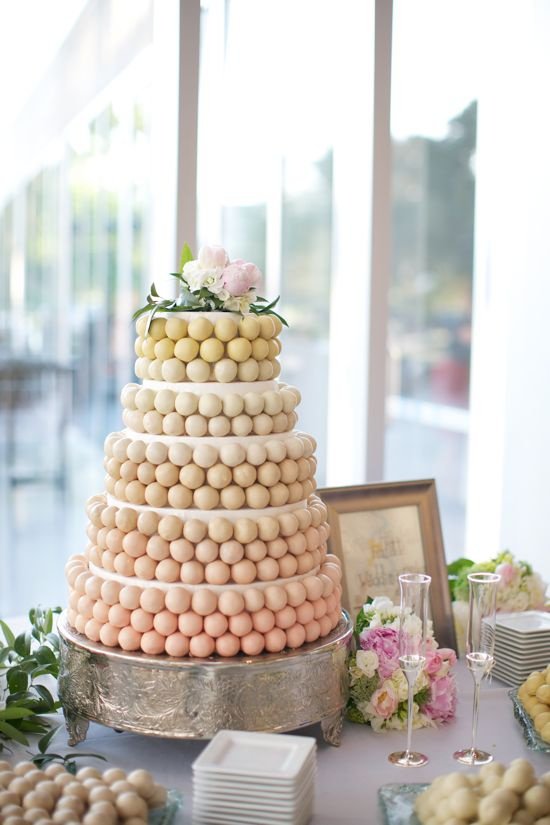
Smooth fondant still has a place, especially when you want a flawless canvas for a single bold motif. Many current cakes, though, lean into texture: soft buttercream ridges, brushed finishes, fabric-like drapes, delicate ruffles, or hand-piped patterns that catch side light. Texture adds interest without requiring a rainbow of colors. On camera, it reads as craft. In person, it invites a closer look before the knife arrives.
Pair texture with restraint. A fully ruffled cake can feel romantic; a single textured tier under a smooth one can feel tailored. Metallic dust, when used lightly, can sharpen edges of a pattern without turning the cake into costume jewelry. Ask your baker what holds up in your venue’s temperature. Beautiful texture that melts into gloss under lights is a heartbreak you can avoid with an honest climate conversation.
Florals, fresh and sugar
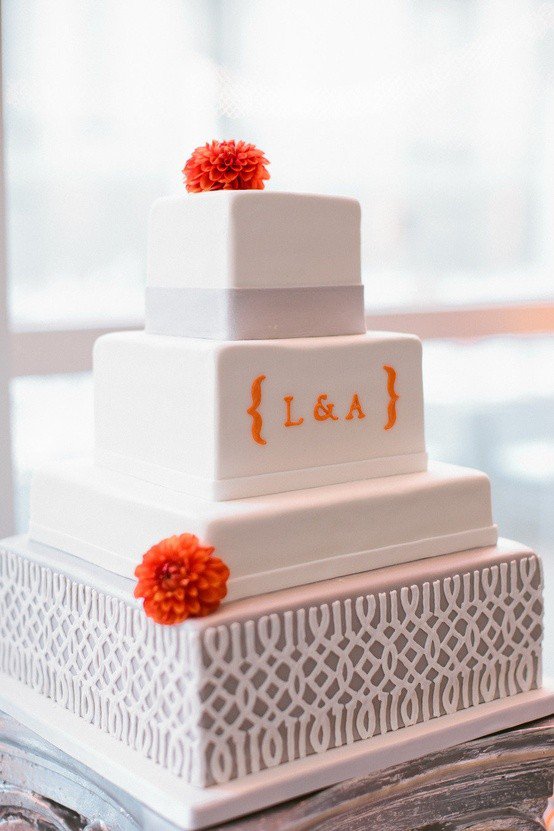
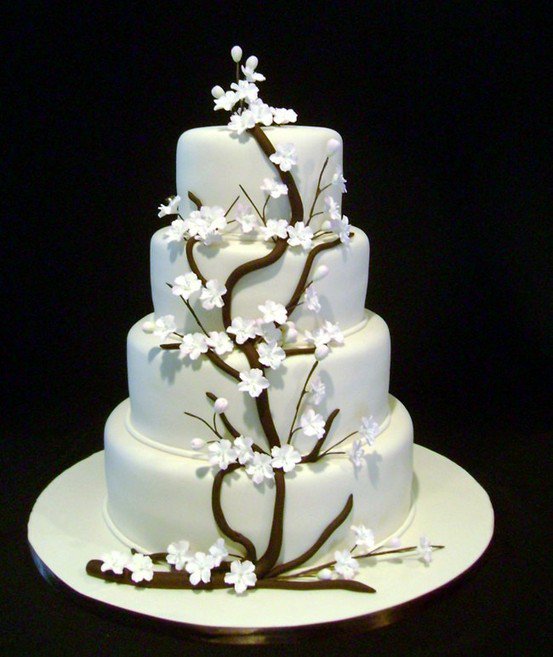
Flowers remain one of the fastest ways to modernize a classic white cake—or to soften a graphic one. Fresh blooms should be food-safe in placement and free of toxic varieties near cut surfaces; sugar florals offer precision and longevity for travel-heavy days. Cascades down one side create movement. A sparse cluster on the top tier can look architectural. Tiny blossoms tucked into seams between tiers add detail without burying the icing.
Coordinate with the bouquet, not photocopy it. If the bridal flowers are already loud, the cake can echo one color or one bloom type. If the bouquet is minimal, the cake can carry more botanical drama. Modern styling often prefers odd numbers, varied heights, and a little air between stems so the cake still reads as cake.
Color, contrast, and graphic icing
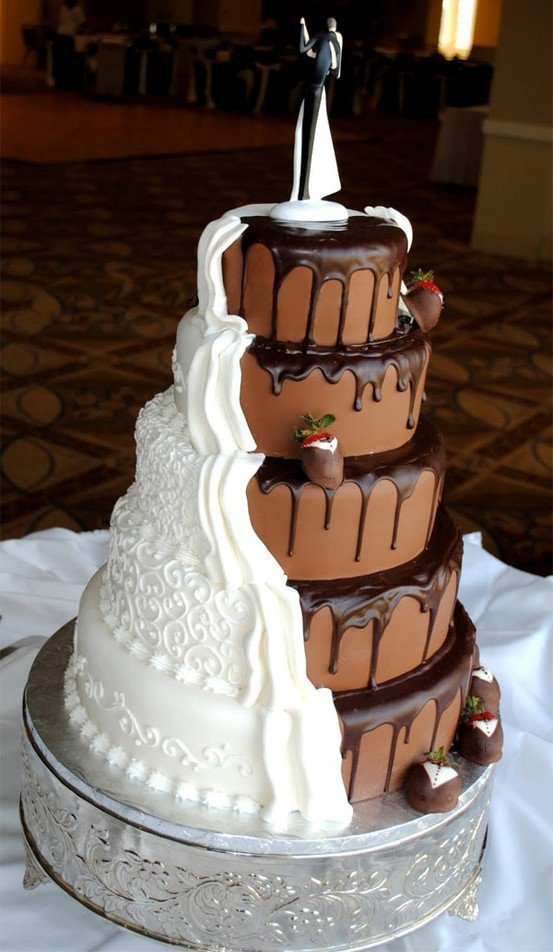
White-on-white will always photograph cleanly, but modern couples often want a signature hue: deep navy bands, soft blush washes, charcoal sugar details, citrus accents, or a single painted panel. Contrast helps. A pale cake with a dark ribbon of icing, or a cocoa-toned finish with bright florals, gives the eye a place to land. Hand-painted motifs, stencil work, and sharp geometric lines belong in this family—decoration as graphic design rather than as piled ornament.
Test colors against your lighting plan. Warm string lights shift pastels. Daylight marquees treat white differently than candlelit barns. Bring fabric swatches or invitation samples to the tasting so the baker sees the real palette. A cake that matches the stationery suite feels intentional; a cake that nearly matches and slightly clashes feels accidental.
Toppers, stands, and the cut moment
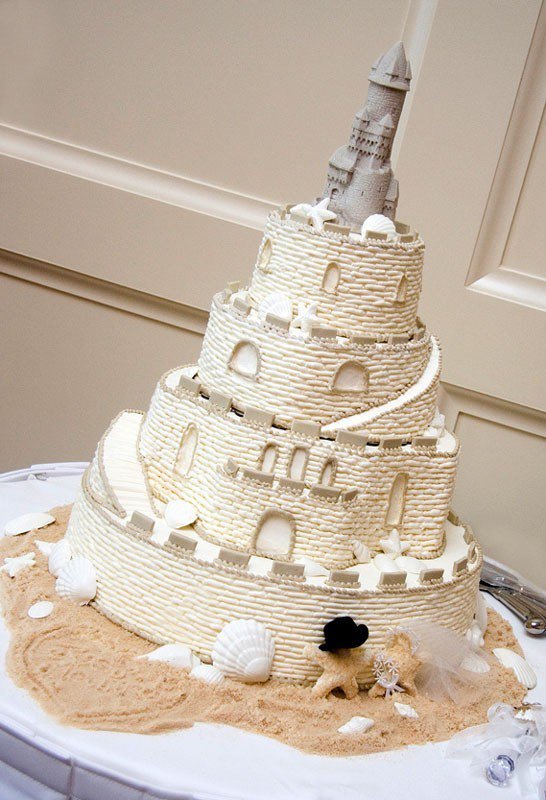
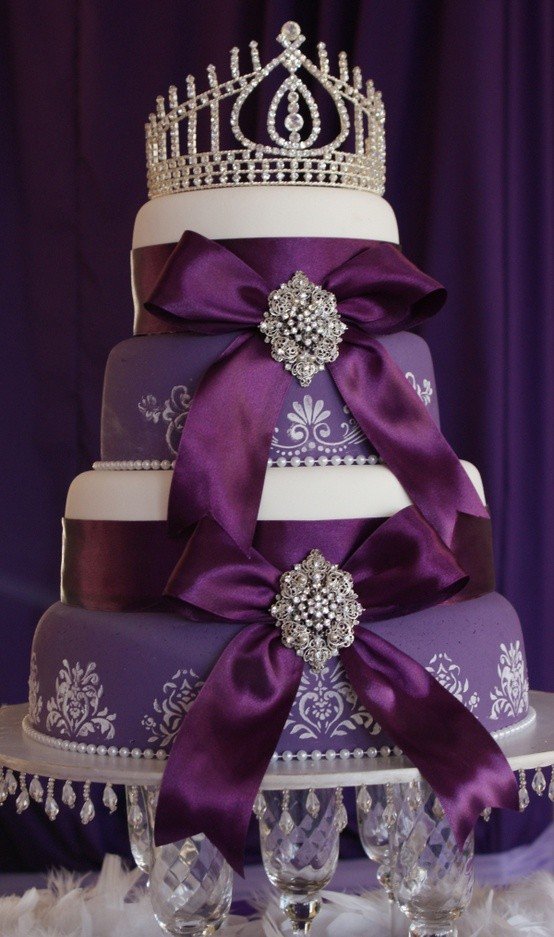
Decoration does not end at the icing. Cake stands, draping at the table base, and toppers—or the decision to skip a topper—complete the composition. A minimal cake can look unfinished on a busy patterned stand, or striking on a simple pedestal. Fresh greenery around the base can ground a tall stack. Clear space for the cutting ritual; guests and photographers need an angle that does not fight a forest of candles.
If you love a sculptural topper, keep the tiers quieter. If the cake itself is ornate, a simple floral crown or no topper at all may be the modern choice. The cut is a short scene in a long day. Design for that photograph: a face-level view of two hands, a clean knife path, icing that still looks composed after the first pressure.
How to brief a baker with inspiration images
Mood boards fail when every image contradicts the last. Pick three to five favorites and name what you actually like in each: “the height,” “the ruffle density,” “the single color block,” “the sparse flowers.” Say what you do not want with equal clarity. Share guest count, dietary needs, venue rules, and delivery timing early. Ask about internal supports for tall cakes, outdoor stability, and how decorations are attached.
Flavor still matters. A beautiful cake that nobody enjoys becomes a prop. Offer a signature tier for the two of you and crowd-pleasing options for the rest, or keep the whole cake coherent if that suits your style. Modern celebration sometimes means a small display cake plus a sheet cake in the kitchen—guests rarely mind if the taste is good and the visible cake looks considered.
Budget is part of design. Labor-heavy sugar work costs more than a smooth finish with fresh flowers. Decide where the money should show: structure, florals, hand painting, or simply excellent ingredients. Inspiration images help only when they are filtered through that honesty.
Leave room for your own day
Trends rotate—naked cakes, painted geodes, hyper-minimal cylinders, maximal floral cliffs—but weddings are personal timelines, not runway seasons. Choose the idea that still feels like you after you close the browser. Then trust a skilled baker to translate inspiration into something that stands, slices, and photographs in your actual room.
When the cake arrives and the light hits the icing, you will know whether the silhouette, texture, and color were the right calls. Save a quiet minute before the cut to look at it together. That pause is part of why people invent wedding cakes in the first place: not only sweetness, but a shared object that says the day has a center.

Comments
Continue reading
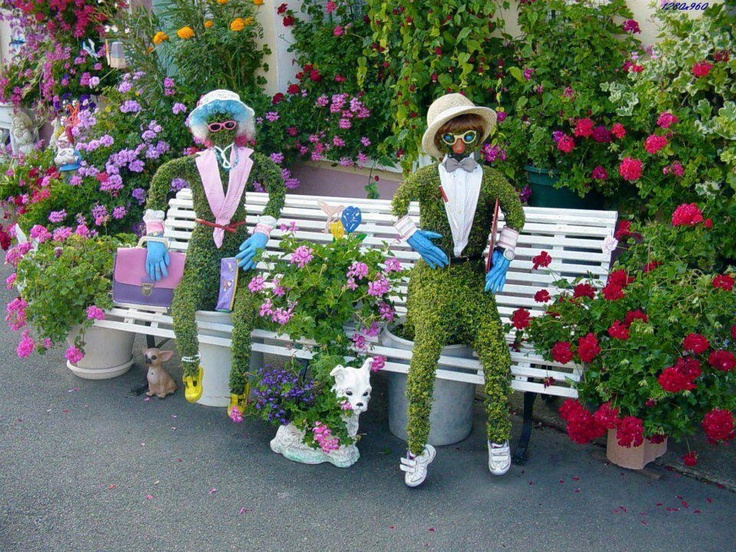
Garden Decoration Beyond Beds: Lace, Mosaiculture, and Upcycled Yard Art
From dressed topiary and floral cyclists to license-plate dragonflies and lace between trees—garden decorations that give a yard a voice.
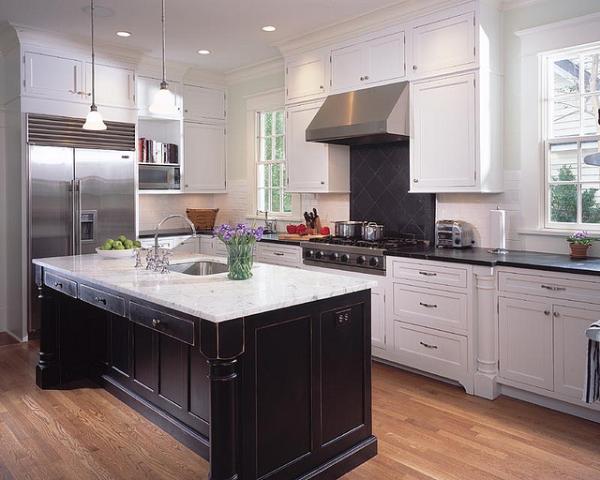
Kitchen Design Ideas: Layout, Storage, Light, and Finishes That Work
Practical kitchen design ideas—work zones, cabinetry, lighting, and durable finishes—so inspiration translates into rooms that cook and gather well.
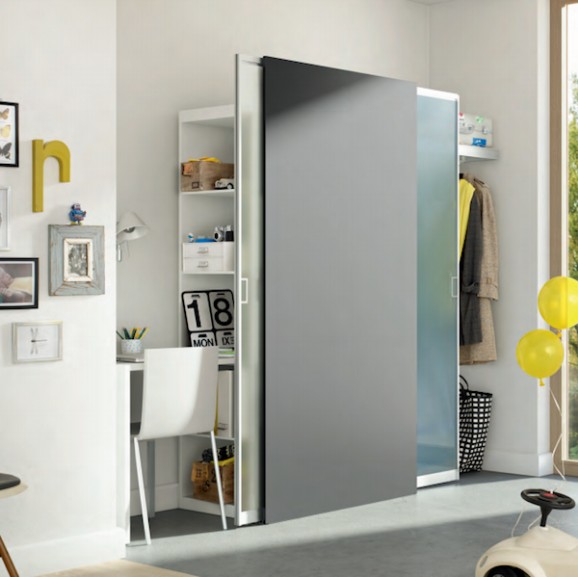
25 Cool Room Partition Ideas That Actually Divide Space
From frosted sliders and pallet screens to book towers and branch walls—twenty-five ways to carve rooms without building solid walls.