
Addicted to Shoes: Why We Collect, Chase, and Actually Wear Them
A clear-eyed look at shoe obsession—fit, collecting habits, care, budget, and how to enjoy the hunt without turning your closet into storage for regret.
Some people collect vinyl. Others collect cookbooks, houseplants, or vintage cameras. And then there are the ones who pause at every shoe window as if the glass were a museum case. Call it a habit, a hobby, or—half joking—an addiction. Whatever the label, a serious affection for shoes is rarely only about covering feet. Shoes are miniature architecture for the body: silhouette, material, height, colour, and attitude compressed into something you put on and walk into the day.
This is not a shopping checklist and not a confession booth. It is a look at why shoes grip the imagination so tightly, how collections grow (and how to keep them from overflowing), and how to enjoy the hunt without treating every pair as disposable trend fodder.
Why shoes feel personal
Clothes cover; shoes finish. A simple dress changes personality with a flat versus a heel. Jeans read differently in clean white sneakers than in scuffed boots. Footwear is also one of the few wardrobe categories that must negotiate both style and physics. Fit, arch support, weather, and walking distance are not optional footnotes. That tension—beauty under constraint—is part of the fascination.
Shoes also carry memory unusually well. The boots from a first winter in a new city. The flats worn through a long travel day. The formal pair that somehow survived a wedding and still looks proud. Unlike a shirt that lives in a drawer, shoes scuff, crease, and soften in patterns unique to one person’s stride. They become evidence of a life in motion.
There is social signalling, too, whether we admit it or not. Certain sneakers announce subculture fluency. Certain loafers suggest office polish. Certain sandals say weekend ease. Fashion has always used footwear as shorthand; street style photography made that shorthand global. Loving shoes often means loving that language—learning to read it and, eventually, to speak it in your own accent.
The collector’s spiral (and how it starts)
Almost nobody wakes up with a curated wall of boxes. Collections usually begin with one perfect pair: the shoe that finally fit both foot and self-image. Then comes the complementary pair. Then the “useful” third option for weather or dress codes. Then the rare colourway, the vintage find, the limited drop. Before long, the closet has a geography—work shelf, weekend shelf, special-occasion shelf—and the owner can narrate each pair like a playlist.
Psychology helps explain the spiral. Novelty rewards the brain. So does completion: filling a rotation, catching a sale, finally finding the size that disappeared for months. Online retail accelerates all of that with endless scroll and overnight shipping. The feeling is less greed than curiosity—What would this silhouette do to an outfit I already own?—until curiosity needs a boundary.
Healthy collecting looks like editing as often as acquiring. Unhealthy collecting looks like packages that never leave the box, pairs bought to soothe a mood, or credit-card balances that outrun joy. The difference is rarely the number of shoes alone. It is whether the collection still feels like pleasure and use, or like noise.
Categories that keep people hooked
Sneakers dominate modern shoe culture for good reason: comfort, collaboration hype, and an aesthetic that moves easily from gym-adjacent casual to deliberate street style. The chase for colourways and collabs can feel like sport. Even outside hype cycles, a well-made leather or canvas sneaker earns its place through miles walked.
Boots offer a different addiction: seasonality, toughness, and the romance of weather. Chelsea boots, lace-up work boots, riding-inspired shapes, and fashion-forward statements all scratch different itches. Boots also age visibly and reward care—conditioning leather, replacing soles, accepting a patina—which turns ownership into a relationship.
Heels and dress shoes attract people who like line and occasion. A strong heel changes posture and proportion. A polished oxford sharpens a suit. These pairs often live quieter lives—fewer wears, more ceremony—but they can be the emotional center of a collection precisely because they appear on days that matter.
Flats, loafers, and sandals are the everyday diplomats. They prove that obsession is not only about drama. A perfect loafer can become a uniform. A sandal with the right strap geometry can define a whole summer’s outfits. Many long-term collectors will tell you their most-reached-for pair is rarely the loudest one on the shelf.
Fit first, always
No aesthetic rescue mission can fix a shoe that hurts by lunch. Feet swell through the day; sizes vary by brand and last; width matters as much as length. Try shoes later in the day when possible. Walk on hard floors, not only carpet. Notice pressure at the toes, slipping at the heel, and any hot spots that will become blisters after twenty minutes of denial.
Materials change the fit story. Soft suede forgives. Stiff new leather may need a break-in period—but “break-in” should mean gradual softening, not damage. Synthetic uppers can look sharp and still trap heat. Socks change volume. Insoles and orthotics change everything. If you already know your feet need support, shop with that requirement named out loud rather than hoping fashion will negotiate for you.
Online buying is convenient and imperfect. Read return policies before you fall in love with photos. Measure your foot and compare to the brand’s chart, knowing charts lie a little. Keep boxes and tags until you have worn the pair indoors. A collection built on unreturnable mistakes becomes a museum of regret.
Style without buying everything
A useful question before purchase: What gap does this pair actually close? If your rotation already covers rain, office, weekend, and one formal option, a new pair should either upgrade quality, refresh a worn-out essential, or open a silhouette you truly do not own. “It was on sale” is a reason to pause, not a reason to proceed.
Colour strategy helps. Neutrals—black, brown, tan, white, navy—do more outfits per pair. A single bold colour or print can be the collection’s punctuation mark. Too many punctuation marks, and nothing reads as a sentence. The same logic applies to proportions: if every shoe has a heavy sole, lighter outfits can look overwhelmed; if every shoe is delicate, winter coats may look unfinished.
Outfit rehearsal is underrated. Before buying, mentally dress the shoe with three things you already own. If you cannot, you are not buying a shoe—you are buying a hypothetical wardrobe. Hypothetical wardrobes are expensive.
Care is part of the romance
People who love shoes learn maintenance because neglect is heartbreaking. Leather wants cleaning and conditioning. Suede wants a brush and protection spray tested on a hidden area. Canvas wants spot treatment and air drying, not a revenge wash that collapses structure. Rotating pairs between wears lets foam and leather recover.
Storage matters more than collectors admit. Stuff toes lightly to hold shape. Keep shoes away from radiators and direct sun that fade and crack materials. Cedar inserts help with moisture and odor. Clear boxes or labeled shelves turn a pile into a library you can actually use. A shoe you cannot see is a shoe you will repurchase by accident.
Repairs extend love. Resoling a favorite boot is often cheaper—and more satisfying—than replacing it with a weaker version of the same idea. Heels can be replaced. Stitching can be reinforced. Finding a good cobbler is a collector skill on par with finding a good sale.
Budget, values, and the ethics of wanting
Shoe culture sits inside larger questions about labor, materials, and waste. Loving shoes does not require pretending every purchase is virtuous. It does invite clearer values: fewer, better; secondhand and vintage hunting; repairing before replacing; resisting drops designed mainly to manufacture urgency.
Budgeting can be simple. Decide an annual footwear allowance. Separate needs (replacement work shoes) from wants (the beautiful maybe). Save deliberately for investment pairs instead of nibbling the budget with three mediocre impulse buys. Track what you actually wear for a month; data is humbling and useful.
There is also the social side of “addiction” language. Jokes about shoe obsession are common; shame spirals are not helpful. If spending feels compulsive—hiding packages, buying to numb stress, ignoring bills—that is a money-and-wellbeing issue larger than fashion, and it deserves honest attention beyond style advice.
The pleasure of the hunt
Part of the joy is not ownership but search: thrift aisles, outlet tables, archive sites, sample sales, the sudden appearance of your size in a colour you had given up on. The hunt trains the eye. You learn construction quality—stitched soles versus glued shortcuts, lined versus unlined, balanced proportions versus trend exaggeration. You learn which brands fit your foot and which photographs flatter poorly made product.
Share the hunt if that increases the fun. Friends who swap sizing notes, online communities that celebrate unusual finds, and style references that teach history (when a silhouette first appeared, how it migrated from workwear or sport into fashion) all deepen the hobby beyond acquisition.
Leave room for surprise. Some of the best pairs are not the ones on a wishlist. They are the odd ones that somehow fit your life the week you bring them home.
Wear the collection
A shoe collection that never leaves the house is only storage. The point of loving shoes is motion: crossing a city, standing through an event, walking into rooms where you want to feel like yourself. Rotate favorites so leather ages evenly. Let sneakers get dirty in the honest way of use, then clean them. Take the “special” pair to ordinary places once in a while so specialness does not become fear of wear.
If the closet is full, edit with the same taste you use to buy. Donate pairs in good condition. Sell what no longer fits your life. Keep the ones that still change how you stand when you put them on.
In the end, being “addicted to shoes” is often just a vivid way of saying you notice craft at ground level. Notice well. Choose with fit and purpose. Care for what you own. And when you do bring a new pair home, let them earn their place on the pavement—not only on the shelf.

Comments
Continue reading
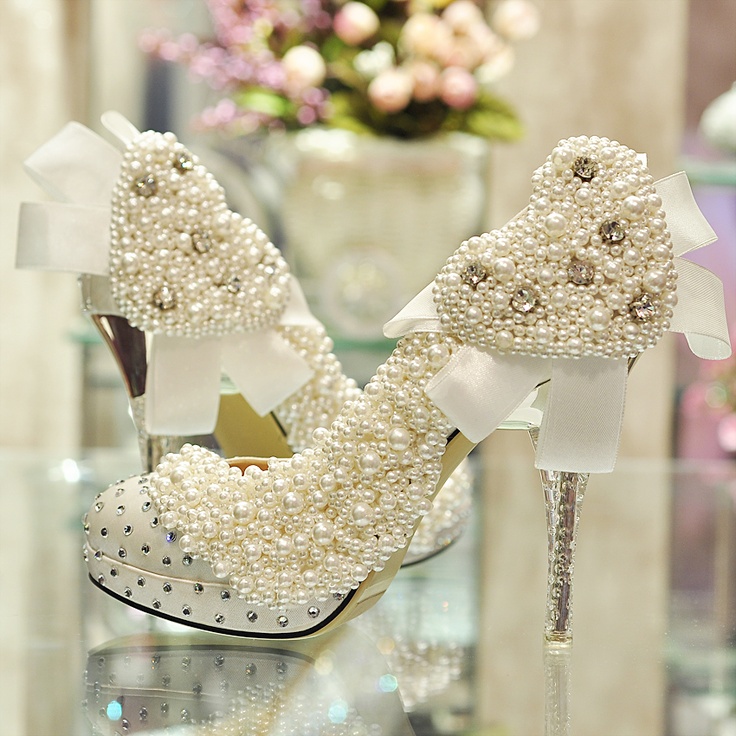
Pearly Wedding Shoes for Brides: Ideas and How to Choose
Pearl, crystal, and lace bridal shoe inspiration—how embellishment works with dresses and jewelry, plus fit and day-of practicality tips.
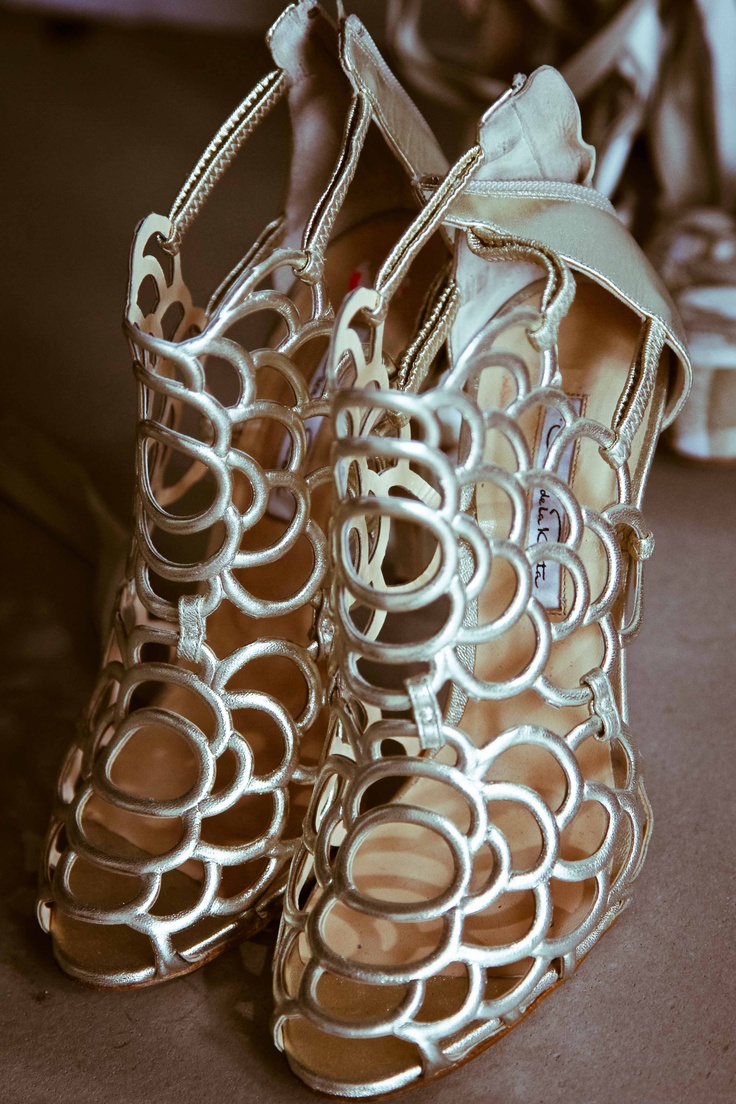
High-Heeled Party Shoes: How to Choose Sparkle That Still Walks
A fashion guide to evening heels—height, toe shape, metallics, and fit—so party shoes look dazzling and still survive the dance floor.
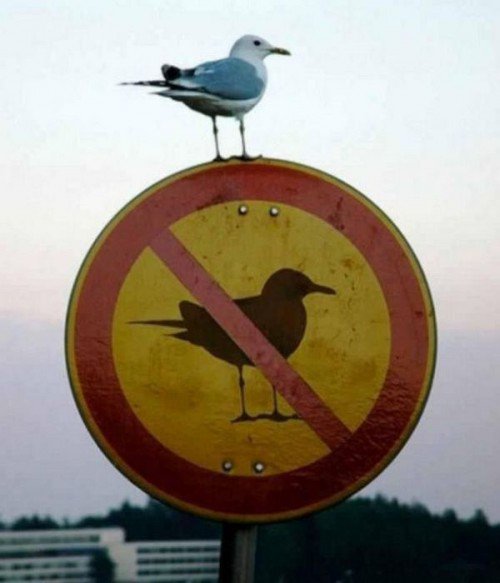
Funny Animal Signs That Warn People (While Animals Ignore Them)
From a seagull on a no-birds disc to classic zoo and park ironies—why animal warning signs get funny, and what the rules are still for.