
Add a Family Touch to Your Home: Rooms That Invite Togetherness
Practical ways to make a house feel like a family home—shared dining, play zones, adult hangouts, sanctuaries, identity, baths, and a cook-friendly kitchen.
A family home should feel like more than a floor plan with furniture. It should hold comfort, play, and the small rituals that make people want to stay in the same rooms together. If your house already shelters everyone you love but still feels a little impersonal, you do not always need a full renovation. You need spaces that invite gathering, rest, and shared mess—on purpose.
The ideas below are practical rather than precious. They work whether you are refining an existing layout or thinking ahead about how rooms should relate. The aim is the same: a house that encourages family unity because the design makes togetherness easy.
Make the dinner table a daily destination
Few habits build household community as reliably as eating together. A dining area is not only where food lands; it is where stories, jokes, complaints, and plans get traded across plates. When the table is pleasant to sit at, people are more likely to leave phones and screens elsewhere for a while.
Give the dining zone clear identity. Lighting should flatter faces, not only illuminate a chandelier. Chairs should invite lingering. A surface that can handle weekday homework and weekend celebration earns its footprint. Formal and informal can share one table if you change textiles, candles, or placemats rather than demanding two separate rooms.
Even a small apartment can treat a fold-out or wall-side table as sacred: clear it, set it, use it. The ritual matters more than square footage. Bonding happens in the minutes of shared attention, not in the brand of the dining set.
Give children a real play zone
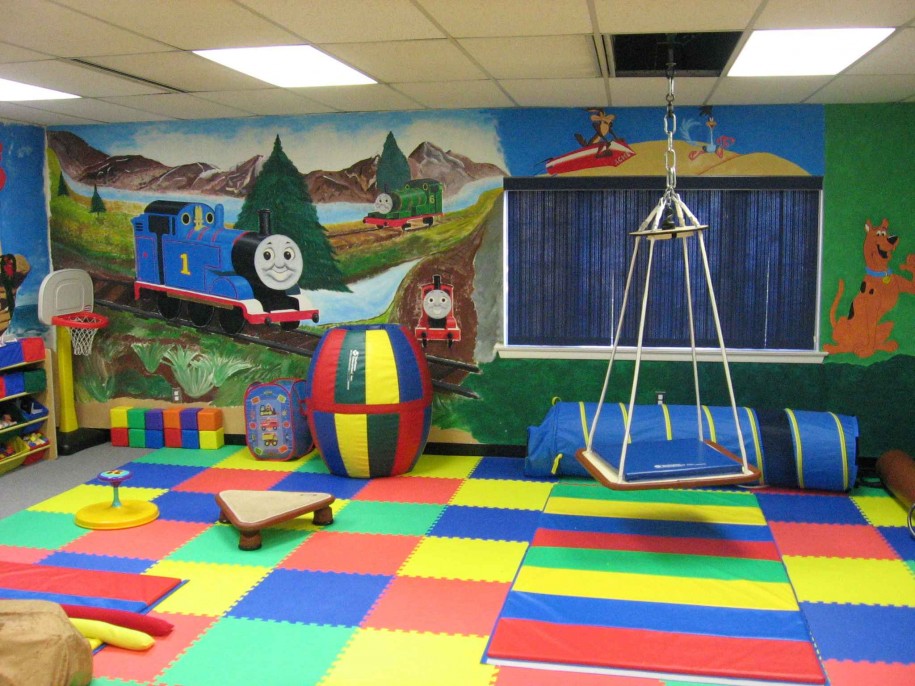
Kids thrive when play has a home base. A dedicated play area signals that imagination is welcome, not something to be cleaned away every ten minutes. Soft flooring, reachable storage, and a mix of open floor with a few defined stations—art, building, reading—help children settle into longer play.
Adults benefit too. Joining a game or sprawling on the rug for a pretend picnic is easier when the space is designed for it. You are not “messing up the nice room”; you are using the room as intended. Customize for your children’s ages: toddlers need soft edges and simple toys; older kids may want a table for crafts, a board-game shelf, or room for active indoor movement when weather keeps everyone home.
Containment is kindness. Baskets, low shelves, and a clear “park toys here” habit keep play energy from colonizing every corridor. The goal is lively, not chaotic.
Build an adult entertainment corner too
Parents and caregivers need play of their own. That might be a patio with a grill, a lounge corner with decent speakers, a console setup that is not permanently claimed by kids’ cartridges, or a comfortable outdoor seating cluster for evening talk. Call it what you want—man cave, she shed, family media nook—as long as it encourages interest and interaction rather than isolation by default.
Accessories should match how you actually socialize: a television for movie nights, an audio system for music, outdoor lounge pieces for warm evenings, perhaps a pool or hot tub if climate and budget allow. Schedule matters as much as stuff. A monthly film night or a casual “pub night” at home turns the space into a habit instead of a showroom.
Keep sightlines and acoustics in mind. An adult zone that still feels connected to the house—without blasting the nursery—supports the whole household’s rhythm.
Turn rooms into sanctuaries with a job
Every room should know what it is for. Ambiguous spaces become dumping grounds. Decide whether a corner is for rest, for entertainment, for work, or for reading, then choose furnishings and lighting that match. A rest space wants softer lamps and quieter textiles. An entertainment space can handle brighter task light and tougher fabrics.
Ambiance is not decoration for its own sake. It is how a room tells your nervous system what to do. Dimmer switches, layered light, and a few personal objects—photos, a plant, a blanket that actually gets used—finish the sanctuary faster than a catalog-perfect vignette that nobody is allowed to touch.
Let imagination run, then edit for daily life. The ideal sanctuary is the one you will inhabit on a tired Tuesday, not only on a staged Saturday.
Create a family identity you can see
Homes extend identity. A family theme does not have to be a matching monogram on every towel. It can be a shared color story, a wall of travel photos, a shelf of board games everyone recognizes, or a standing joke framed as art. Belonging shows up when people see themselves reflected in the rooms.
Interior design can support that identity: materials that survive real use, colors that make your household feel like itself, breakout nooks where two people can talk without leaving the house. How you spend time in those rooms matters as much as how they look. A beautiful lounge that no one enters is less “family” than a slightly scuffed den that hosts weekly rituals.
Invite everyone into small decisions—pillow colors, a playlist corner, which plant lives by the window. Ownership multiplies care.
Bathrooms for calm and for splash
If budget allows, separate adult and kid bathroom priorities. An adult bath can lean toward spa calm: better lighting, a tub or shower you actually look forward to, storage that hides clutter, finishes that feel quiet. A kids’ bath can tolerate more play—sturdy surfaces, toy storage, space for siblings to share bath time without constant triage.
Hydrotherapy luxury is optional; dignity and ease are not. Hooks at the right height, non-slip thinking, and enough towels in the right place prevent daily friction. Shared mornings run smoother when the bathroom is designed for your real headcount, not for a magazine couple.
A kitchen that invites cooking together
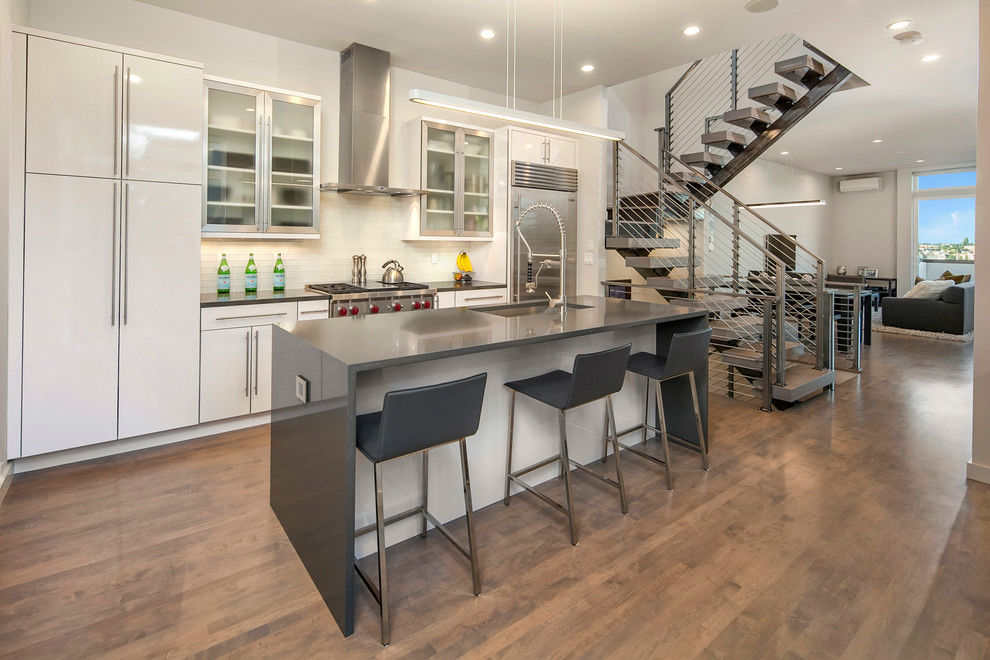
Enthusiasm in the kitchen is partly layout. Natural light or well-planned artificial light keeps the space awake. A clear workstation with reachable tools turns cooking from a scavenger hunt into a craft. When utensils and prep space are easy to grab, making meals for the household feels less like punishment and more like competence.
Windows that offer a view—garden, street life, sky—help too. So does a spot where a partner or child can perch without blocking the cook. Island seating, a wide sill, or a small side table can turn dinner prep into conversation time rather than solitary labor.
You do not need Michelin ambitions. You need a kitchen that makes feeding people feel possible on ordinary nights.
Start with the touches you will use
Family character accumulates through customized habits more than through one expensive gesture. A welcoming table, a play floor, an adult corner, purposeful sanctuaries, visible identity, workable baths, and a cook-friendly kitchen each pull the household toward one another.
Pick the gap that frustrates you most this month and fix that first. When the rooms begin to match how your family actually lives, “homely” stops being a vague wish and becomes the feeling you get when you unlock the door—everyone’s lives overlapping on purpose, under one roof that finally seems to know them.

Comments
Continue reading

Funny Animal Signs That Warn People (While Animals Ignore Them)
From a seagull on a no-birds disc to classic zoo and park ironies—why animal warning signs get funny, and what the rules are still for.

How to Find Local Amenities on Vacation: Mechanics, Haircuts & More
Locate trustworthy local services and everyday spots while traveling or settling in—using publications, reviews, map apps, neighbor tips, and low-pressure exploration.

Kristen Stewart for V Magazine, Spring Preview 2013
V81’s Wild at Heart cover story—Kristen Stewart shot by Inez & Vinoodh, styled by Joe McKenna, in pale minimal spring glamour.