
Chaise Lounge Designs: Elegant Reclining Seats for Real Rooms
From oversized velvet statements to slim modern forms—how to choose, place, and style a chaise longue so it feels inviting, not purely decorative.
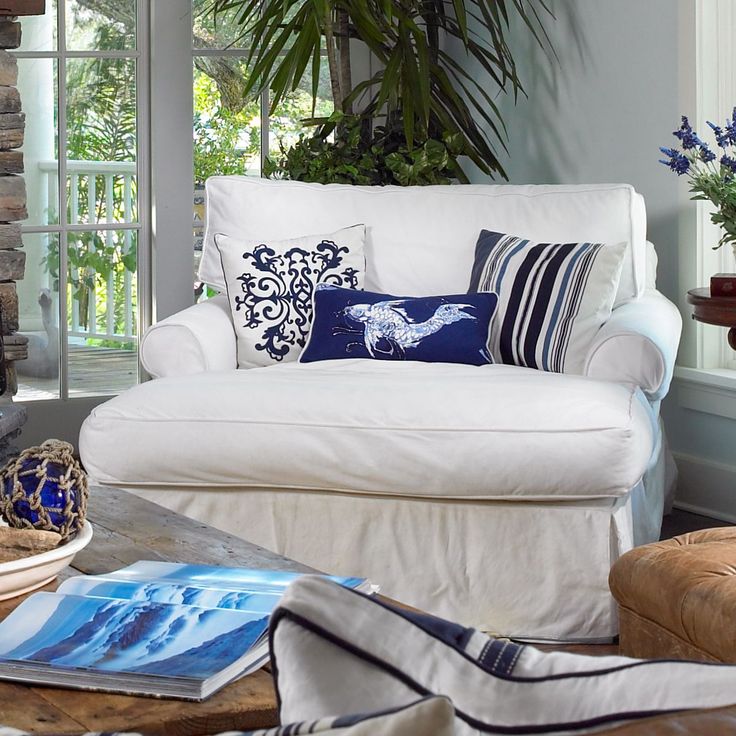
The chaise longue—often spelled “chaise lounge” in everyday English—is one of furniture’s most recognizable silhouettes: a long seat meant for reclining, with a raised back or arm that invites the body to stretch rather than perch. For generations it has signaled ease with a touch of glamour, whether in a formal parlor, a sunlit reading corner, or a bedroom that wants somewhere better than the edge of the mattress for afternoon rest.
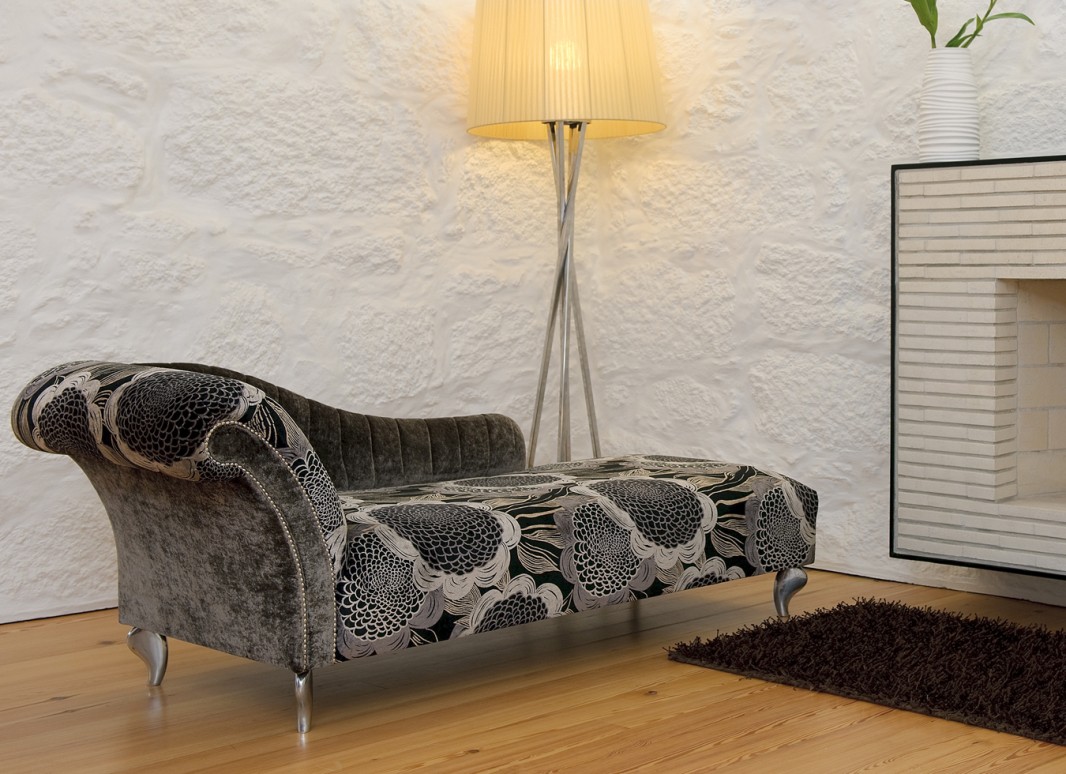
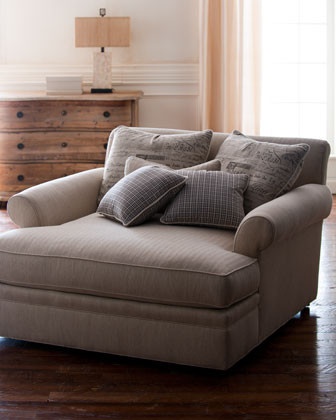
A chaise changes a room’s dynamics quickly. Sofas ask people to sit facing forward in a social row. A chaise suggests lingering—book in hand, guest with a drink, or a quiet stretch after work. The designs below show how varied the form can be: oversized and plush, sculptural and modern, tufted and traditional, compact enough for smaller homes yet still unmistakably a chaise.
A short history of reclining in style
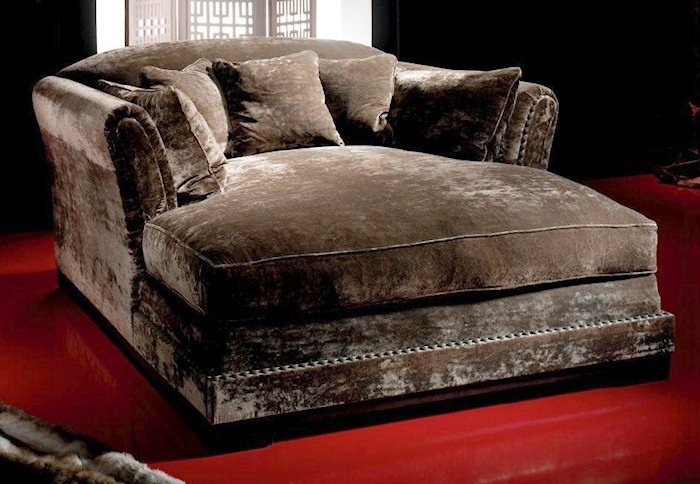
Long chairs appear across cultures, but the chaise longue as a Western furniture type flourished in French interiors where comfort and display intertwined. The form migrated through Victorian parlors, Hollywood dressing rooms, and mid-century modern apartments, picking up new legs, new upholstery, and new social meanings along the way. Sometimes it was a status prop; sometimes it was simply the best place to read.
Today the chaise sits between sofa and daybed. It can be a primary lounge seat in a studio apartment or a secondary island of calm in a large living room. Because it holds one person comfortably—or two squeezed close—it feels more intimate than a three-seat couch. That intimacy is why designers still reach for it when they want elegance without stiffness.
Scale, placement, and room flow
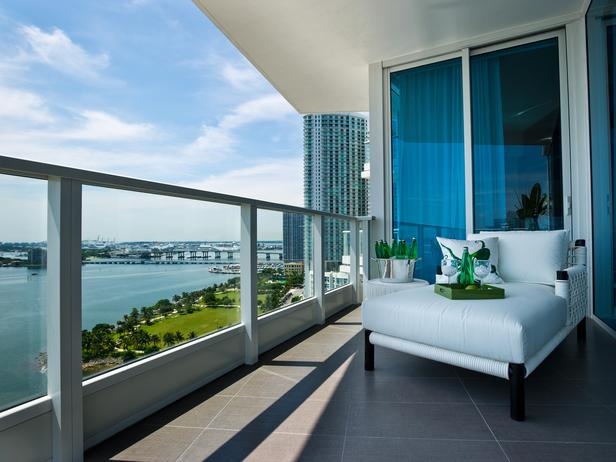
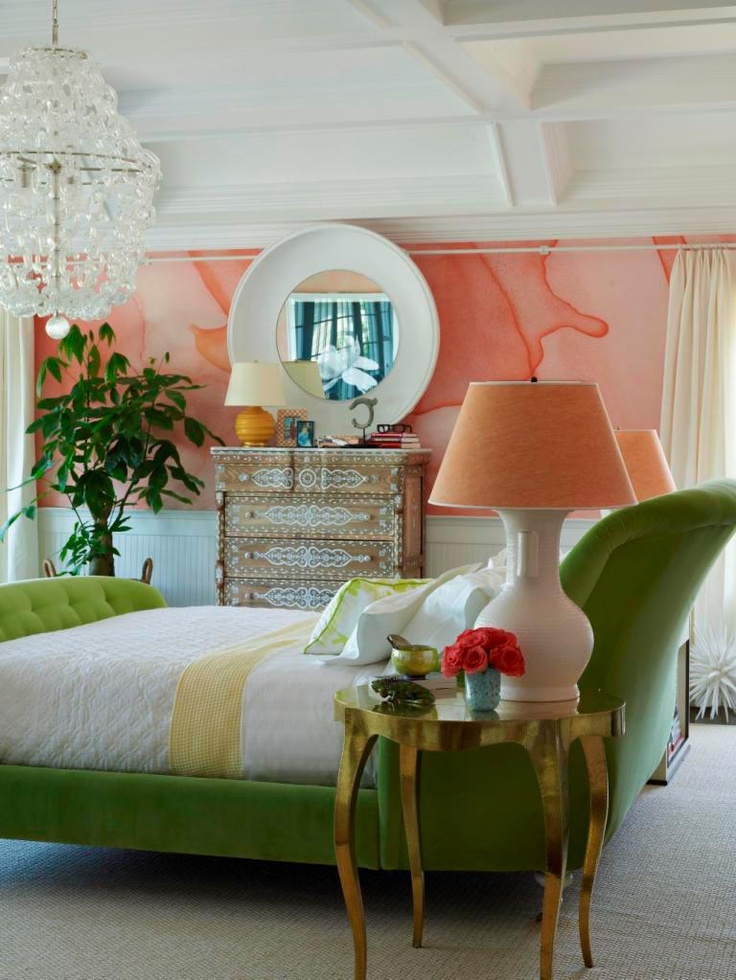
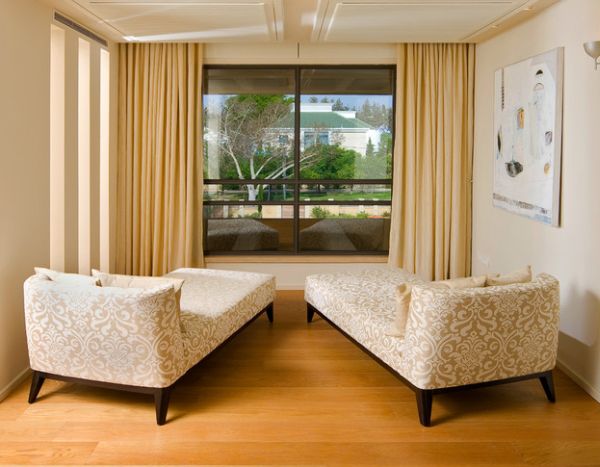
Before falling for a fabric swatch, measure. Chaises are long. They need clearance for legs, for walking paths, and for the visual weight they add. Place one perpendicular to a sofa to create an L without buying a sectional. Float one near a window for reading light. In a bedroom, angle a chaise at the foot of the bed or beneath a window so it does not block closet doors.
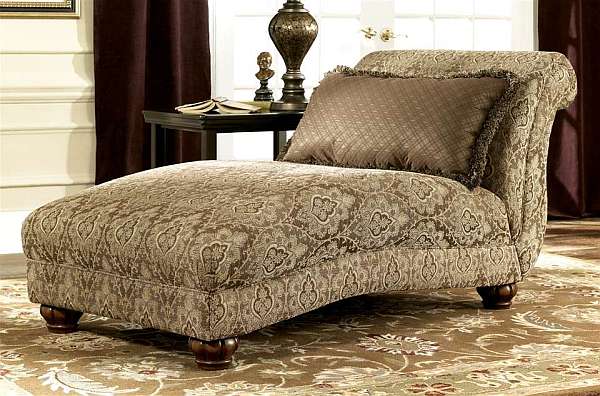
Oversized models deliver hotel-lobby drama and deep lounging; they can overwhelm a narrow room. Slimmer, tighter-upholstered chaises suit apartments and keep floor visible, which helps small spaces breathe. Leave enough room to approach from the open side—the side without the high back or arm—so getting in and out feels natural.
Think about what the chaise faces. A view, a fireplace, or a low table gives the sitter a destination for the eyes. Pointing a chaise at a blank wall wastes its leisure promise.
Materials and the feeling of elegance
Upholstery decides half the mood. Velvet reads opulent and photographs richly; it shows pressure marks and needs gentle care. Linen and tightly woven performance fabrics feel fresher and suit sunny rooms. Leather ages into softness and wipes clean, though it can feel cooler in winter. Patterns—from quiet tone-on-tone to bold geometric—turn the chaise into a statement equal to artwork.
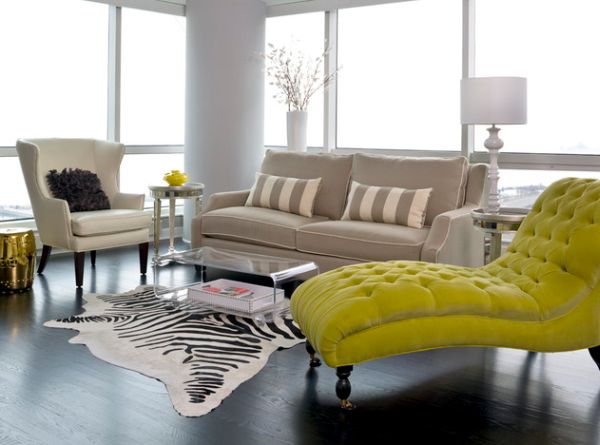
Legs and base matter more than people expect. Tapered wood legs lighten a heavy cushion. A skirted base looks traditional and hides storage or clutter beneath. Metal frames push modern or industrial. Button tufting, channeling, and nailhead trim each pull the piece toward classic glamour; smooth unbroken surfaces pull toward contemporary calm.
Cushion fill affects daily life. Soft sink-in foam invites naps and can look slumped if quality is low. Firmer multi-density foam keeps a tailored line. If you expect guests to perch briefly, firmer wins. If the chaise is your primary reading nest, err toward comfort you can occupy for an hour without fidgeting.
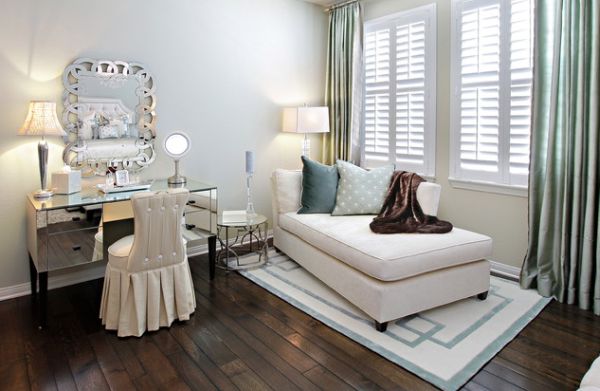
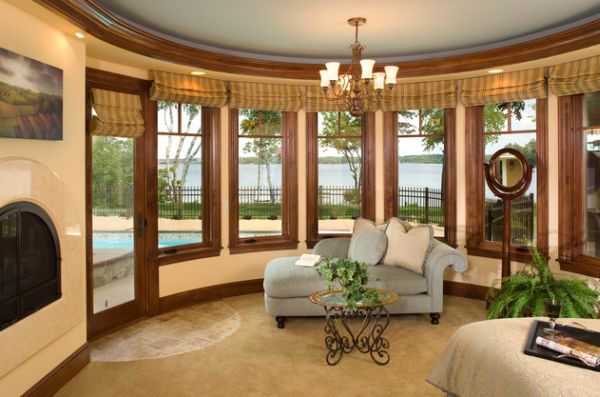
Styling the chaise so it feels intentional
A lonely chaise in the middle of a rug can look like showroom overflow. Ground it with a small side table for a lamp, glass, or book stack. Add one or two pillows that contrast in texture—knit against velvet, linen against leather—without burying the silhouette. A throw folded at the foot softens edges and invites use.
Lighting finishes the invitation. A floor lamp arc or a wall sconce dedicated to the chaise corner makes the seat feel chosen, not leftover. Plants and art nearby help, but keep the landing strip clear so reclining stays easy.
Color strategy: a chaise in a saturated jewel tone becomes the room’s jewelry. A neutral chaise lets rugs, curtains, or artwork lead. Either path works; mixing both usually muddies the hierarchy.
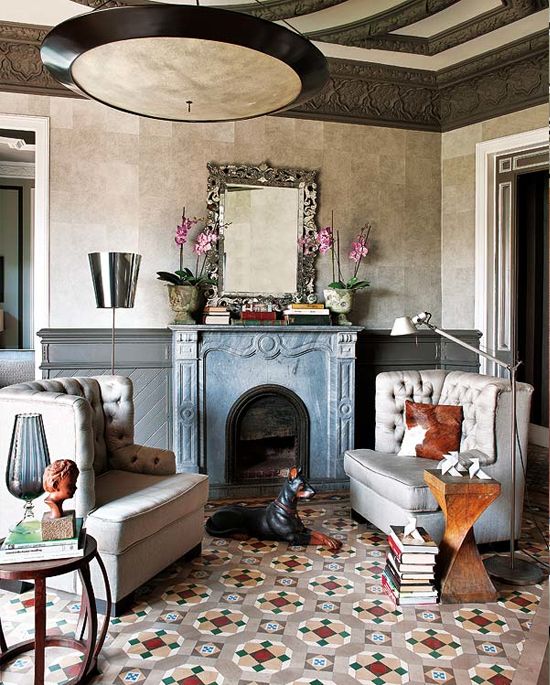
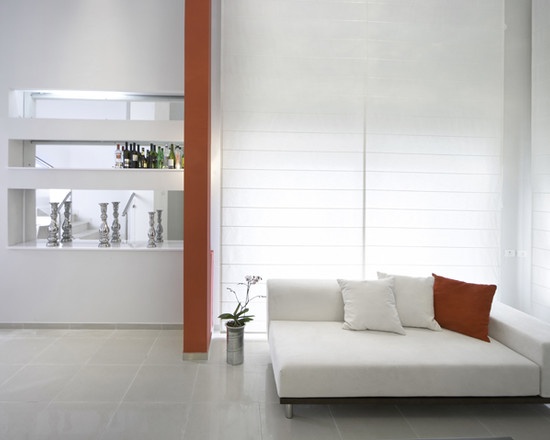
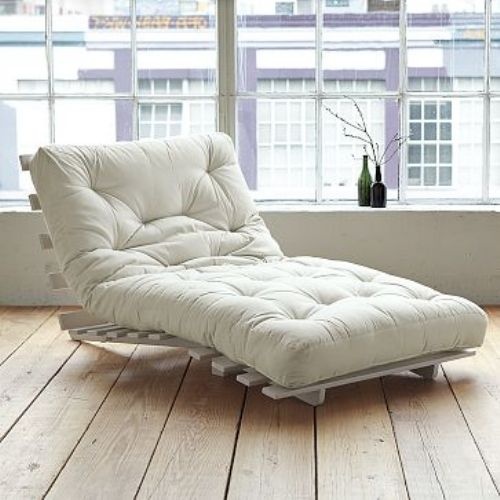
Choosing among styles in this roundup
As you scroll the remaining designs, sort them by use case rather than by mere prettiness. Want a statement for a formal sitting room? Look for tufting, refined legs, and richer textiles. Want everyday lounge comfort? Prioritize depth, washable or durable covers, and a shape you can actually nap on. Want sculpture? Favor unexpected curves and minimal ornament so the form itself is the décor.
Guests respond to a chaise differently than to dining chairs. It signals hospitality: sit, stay, unhurried. In homes where entertaining matters, that signal is worth floor space. In homes where every square foot must multitask, a chaise that also works as solo TV seating or a guest overflow bed (with a thoughtful throw and pillow) earns its keep twice.
Budget ranges widely. Investment pieces justify cost through frame quality, fabric grade, and proportions that still look right in five years. More affordable options can succeed if the silhouette is clean and the fabric is honest—avoid shiny synthetics that pill in a season if elegance is the goal.
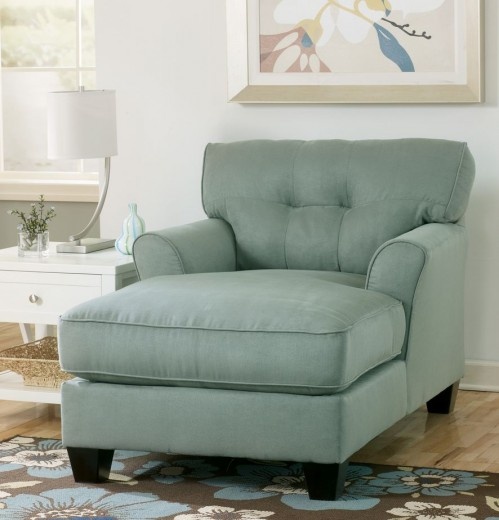
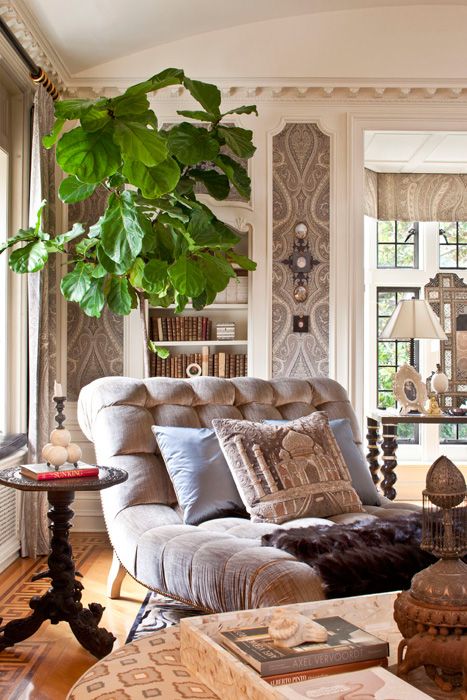
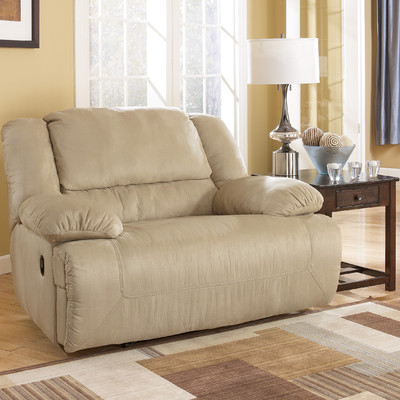
Living with elegance, not just displaying it
The best chaise in a catalog is still a failure if nobody sits on it. Rotate cushions if the design allows. Keep a lint roller nearby for velvet. Accept that a loved chaise shows life. Elegance in a real home is not museum stillness; it is a beautiful object doing its job.
Pick the design that matches how you rest—upright with a novel, fully stretched with a podcast, or angled toward conversation—and let the room arrange itself around that habit. When the silhouette, fabric, and placement agree, a chaise longue stops being a prop for glamorous history and becomes what it always promised: a long, inviting pause built into the furniture of daily life.

Comments
Continue reading
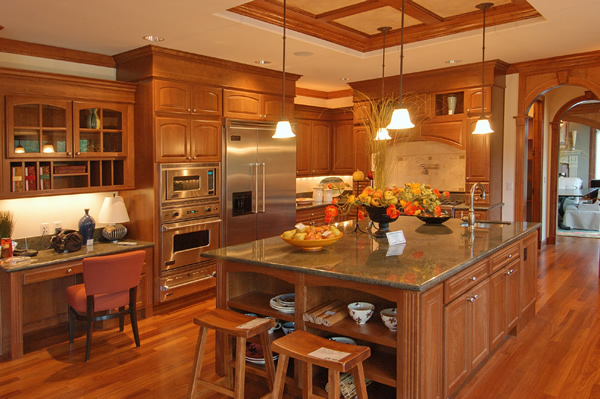
15 Modern Kitchen Island Designs: Layouts, Materials, and Built-Ins
Fifteen kitchen island ideas—from dual black-and-white stations and fluted wood to cooktop islands, produce bins, and furniture-style pieces—with planning notes on clearance and function.
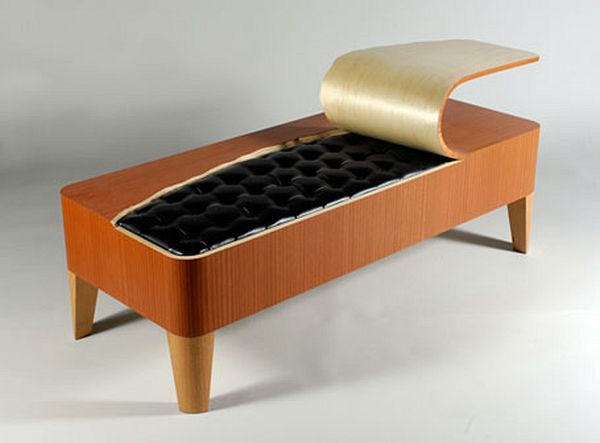
Weird Furniture Designs by Straight Line Designs
Surreal cabinets, benches, and tables from Judson Beaumont’s Straight Line Designs—peeled veneers, accordion tables, and cartoon physics built as real wood furniture.
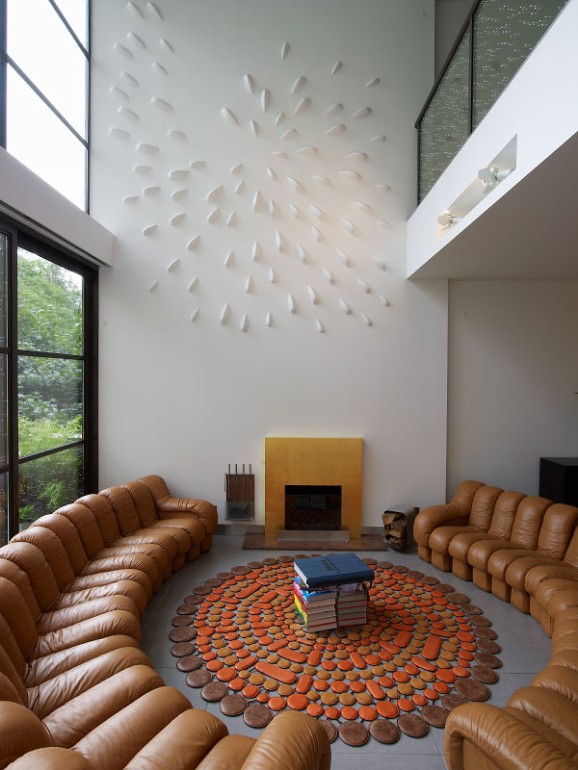
Couch Ideas for Your Home: Style and Buy Guide
Choose a sofa by room measure, silhouette, fabric, and sit-test comfort—practical furniture guidance with style cues, no hard-sell affiliate pitch.