
7 Steps for Getting Through a Car Accident Safely
A practical post-crash checklist: safety first, calls for help, information exchange, photos, insurance follow-through, repairs, and calmer habits afterward—not legal advice.
A car accident can scramble your thinking even when the damage looks minor. Adrenaline, noise, and other drivers’ stress make it easy to skip steps you will wish you had taken later—moving to safety, documenting the scene, exchanging insurance details, or seeking medical attention after a delayed ache shows up.
The sequence below is general safety and insurance-awareness guidance, not legal advice. Laws, reporting thresholds, and insurance rules differ by place. When injuries, disputed fault, or significant damage are involved, follow local emergency directions and talk with qualified professionals in your area. Use these seven steps as a calm checklist so you are less likely to forget the basics while everything feels urgent.
1. Make safety the first decision
Check yourself and everyone in your vehicle. Look for bleeding, difficulty breathing, confusion, neck or back pain, and signs of shock. If anyone may be seriously hurt, do not move them unless there is an immediate danger such as fire or an unsafe roadway—and call emergency services right away.
If people are stable and the vehicles can be moved safely, get out of active traffic lanes. Turn on hazard lights. Move to the shoulder, a parking lot, or another protected spot when local rules and conditions allow. Staying in the middle of a busy road to “preserve the scene” can create a second collision. If the car will not move, stay inside with seat belts on if that is safer than standing beside high-speed traffic, and wait for responders.
Watch for fuel smells, smoke, or leaking fluids. Keep children and pets secured. At night or in low visibility, use a flashlight carefully so you do not blind other drivers. Safety first is not a slogan here—it is the filter for every next action.
2. Call for the help you actually need
Call emergency services when there are injuries, major damage, hazards, or when local law requires a police report. Even in lower-impact crashes, a report can help insurance later; know your area’s thresholds and preferences. Ask for an ambulance if anyone feels dizzy, nauseated, chest-painful, or “not right,” including after a seemingly mild impact.
If the vehicle is undrivable, arrange a tow through your insurer’s roadside program or a reputable service rather than accepting the first offer shouted at the curb without understanding cost and destination. Call a trusted friend or family member for a ride, childcare help, or a second set of eyes if you feel shaken.
Call early. Response times vary, and you do not want to discover mid-exchange that you needed medical care or a report and waited too long to start that process.
3. Exchange information calmly and completely
Once you are safe, gather details from other involved drivers. Stay polite even if someone else is angry. You need names, phone numbers, driver’s license numbers where appropriate, license plate numbers, vehicle makes and models, and insurance company and policy information. Note the date, time, location, weather, and road conditions.
Store everything in your phone’s notes app and, if possible, on paper. Photograph insurance cards and licenses when that is lawful and the other person agrees—never snatch documents. Get contact information for independent witnesses if anyone stopped. Do not argue about fault at the roadside; stick to facts and exchanges.
If the other driver leaves or refuses to share information, prioritize your safety, note identifying details you can see, and involve police as soon as possible. Incomplete information is one of the most common reasons simple claims become difficult.
4. Document the scene with photos and notes
Photographs are practical insurance tools. Capture damage to all vehicles from several angles, close-ups of impact points, license plates, and the wider intersection or roadway showing signs, skid marks, debris, and lane markings. Include your own minor injuries if visible. Take pictures before vehicles are moved when it is safe to do so; take more after if positions change.
Write a short timeline while memory is fresh: what you saw, approximate speeds if you know them, traffic signals, and anything unusual. Do not stage or alter the scene. Do not post heated accusations on social media in the moment—those posts can complicate matters later. Keep files backed up; phones get lost and screens crack.
Documentation supports clearer conversations with insurers. It is not a substitute for official reports when those are required, but it often fills gaps that memory cannot.
5. Understand when professional guidance may be needed
Many minor fender-benders resolve through insurance alone. Situations involving serious injury, disputed liability, hit-and-run, uninsured or underinsured drivers, or complex commercial vehicles can raise questions that go beyond a standard claim call. In those cases, people often consult a qualified attorney in their jurisdiction or ask their insurer’s claims process what documentation is required.
This article cannot tell you whether you “need” a lawyer, what your claim is worth, or how a court would decide fault. Those answers depend on local law and facts. Be wary of roadside solicitations and pressure to sign anything you do not understand. If you do seek legal help, take time to verify credentials and fee structures rather than choosing under panic.
For medical concerns, follow clinicians’ advice. Soft-tissue injuries sometimes appear hours or days later; silence after an adrenaline spike does not always mean you are unhurt. Tell insurers about medical visits promptly according to your policy’s rules.
6. Handle repairs and insurance follow-through carefully
Notify your insurance company according to your policy timelines. Provide the information and photos you collected. Ask what the claims process expects next: estimates, preferred shops, rental coverage, deductibles, and how comparative fault may affect payouts in your area.
Get a written repair estimate from a reputable shop. Understand what is covered and what you may pay out of pocket. If the vehicle is a total loss under your policy’s terms, clarify valuation steps before you rush into a replacement purchase. Keep receipts for towing, storage, and medical bills.
Do not ignore follow-up calls or paperwork. Claims stall when documents go missing. If something in a settlement offer is unclear, ask for an explanation in writing. Reading your policy before an emergency—coverage limits, rental car provisions, roadside assistance—makes this step less chaotic when it arrives.
7. Recover, reflect, and rebuild safer habits
After the immediate logistics, give yourself permission to feel unsettled. Accidents are stressful even without major injury. Rest, follow medical guidance, and ask for help with errands if concentration is poor. Return to driving only when you and any treating clinician agree it is appropriate.
Reflection is useful without self-blame theater. Ask what you can control going forward: following distance, phone discipline, fatigue, weather adjustments, defensive scanning at intersections. Review your emergency kit—charger, flashlight, basic first aid, insurance card copies, and a pen. Update your emergency contacts list.
If the crash revealed a vehicle safety issue—bald tires, weak brakes, broken lights—fix it before the next trip. Defensive habits reduce risk; they do not make anyone immune. The point of learning is fewer avoidable repeats, not perfect hindsight.
A workable order when everything feels loud
In the first minutes: people, then position, then calls. Next: information exchange and photos. Later: insurers, repairs, medical follow-up, and any professional consultations your situation warrants. Keep copies of reports, estimates, and correspondence in one folder.
No checklist removes the shock of a collision. What it can do is turn a blur of adrenaline into a sequence you can follow when thinking clearly is hard. Prioritize safety, document carefully, communicate with your insurer, and seek qualified help for legal or medical questions that outgrow a general guide. That combination will not make the day pleasant—but it can make the aftermath more manageable and less incomplete.

Comments
Continue reading
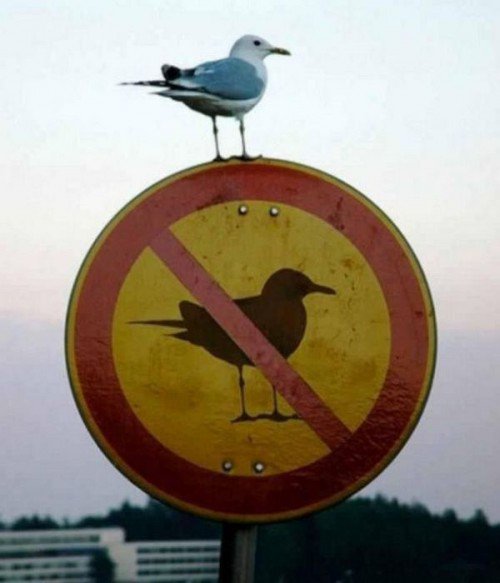
Funny Animal Signs That Warn People (While Animals Ignore Them)
From a seagull on a no-birds disc to classic zoo and park ironies—why animal warning signs get funny, and what the rules are still for.
How to Find Local Amenities on Vacation: Mechanics, Haircuts & More
Locate trustworthy local services and everyday spots while traveling or settling in—using publications, reviews, map apps, neighbor tips, and low-pressure exploration.

Kristen Stewart for V Magazine, Spring Preview 2013
V81’s Wild at Heart cover story—Kristen Stewart shot by Inez & Vinoodh, styled by Joe McKenna, in pale minimal spring glamour.