
6 Tips to Elevate Your Next Cruise Experience
Staff rapport, drink rules, shore excursions, pool strategy, a personal pharmacy kit, and onboard activities—six ways to make a cruise smoother.
A cruise suits families, couples, and solo travelers who want relaxation and adventure in the same trip. Multiple ports, a floating hotel, and a packed activity list can feel effortless—or chaotic—depending on how you prepare. Whether it is your first sailing or your tenth, a few practical habits make the week safer, more affordable, and more fun.
These six tips focus on people, drinks policy, shore time, pool days, a personal pharmacy kit, and onboard activities—the levers that most often elevate an ordinary cruise into a smoother one.
1. Get friendly with the staff
Cabin stewards, dining servers, bartenders, and guest-services teams work long days to keep a ship running smoothly. Warm greetings, clear preferences, and basic courtesy are not a strategy to extract free upgrades; they are how you turn a large floating hotel into a place where staff know how you take coffee and whether you want the cabin tidy early or late.
Learn names when you can. Say thank you when someone solves a small problem quickly. Tell your steward about allergies, mobility needs, or celebrations without treating every request like a demand. Ships are busy; kindness travels faster than complaints filed only at the end of the voyage.
Attentiveness often follows rapport: a favorite dessert remembered, a quieter table when available, or help navigating a confusing tender ticket line. None of that is guaranteed, and tipping customs vary by line and fare type—follow the cruise line’s guidance rather than inventing private bargains. What you can control is your tone. Crew members remember guests who make hard shifts easier.
Also respect boundaries. Staff are professionals, not entertainers on call in every corridor. Friendly means courteous and specific, not hovering at the bar for free pours or treating cabin service like room-service theater. Elevate the experience by making cooperation easy on both sides.
2. Bring drinks only within the rules
Some cruise lines allow a limited amount of wine, champagne, or other alcohol in carry-on luggage on embarkation day. Others restrict alcohol entirely and sell beverage packages onboard. Read your line’s current policy before you pack. “BYOB” only elevates the trip when it is allowed; ignored rules can mean confiscation at security.
If you may bring bottles, treat them as a supplement, not a full substitute for every toast of the week. Corkage fees often apply when you drink your own wine in restaurants. Stateroom enjoyment may be fine while public venues still expect you to follow house rules. Clarify both before you count on savings.
Drink packages can be value or waste depending on your habits. Run honest math: how many specialty coffees, sodas, or cocktails you actually order in a day versus the package price. Non-drinkers may prefer a soda or mocktail option if offered. Families should check age rules and whether kids’ drinks are included.
Hydration matters more than the bar list. Sea air, walking tours, and pool heat dehydrate quickly. Carry a reusable water bottle if the line allows refills, and balance evening celebrations with daytime water so port mornings do not start with a headache.
3. Take excursions—and watch the clock
Cruising is a rhythm between ship life and shore time. Skipping every port wastes the itinerary; booking every exhausting tour can waste the vacation. Aim for balance: one or two meaningful outings in destinations that matter to you, and lighter days when you want the ship’s quiet corners.
Remote or scenic itineraries—Alaska passages, island hops, river towns—reward getting off the ship. Local guides, wildlife outings, and cultural visits turn a floating resort into travel. Ship-sponsored excursions cost more but usually guarantee return-to-ship timing; independent tours can be excellent when operators understand cruise schedules and you leave generous buffers.
Whatever you choose, departure time is non-negotiable. Ships leave. Missing the all-aboard window is an expensive lesson in geography and logistics. Wear a watch, set phone alarms, and know how long tenders or traffic can add. In crowded ports, start back earlier than feels necessary.
Pack for the day you booked: layers for cool decks and air-conditioned buses, comfortable shoes for cobblestones, rain protection for coastal weather, and cash or cards that work locally. The best excursion story is the one that still ends with you waving from the railing as the ship clears the harbor.
4. Elevate poolside lounging with a plan
On warm-weather sailings, the pool deck becomes a social hub and a scarce resource. Prime loungers disappear early. If pool time matters to you, arrive with a realistic plan: claim seats when the deck opens or after the breakfast rush, then actually use them. Many lines discourage towel-on-empty-chair camping for hours; follow posted etiquette so you are not that guest.
Small kit upgrades help. A towel clip keeps fabric from sailing across the lido in wind. A spare tote means fewer cabin trips for sunscreen, a hat, sunglasses, a book, headphones, and a light cover-up. Reapply sunscreen on a schedule, not only when you remember—reflection off water intensifies exposure.
Noise and crowds vary by deck and time of day. Early mornings are quieter; midday can feel like a festival. If you want calm, scout secondary decks, quieter aft pools, or adult-only areas when your ship offers them. Elevate lounging by matching the micro-environment to your mood instead of fighting the busiest square of deck.
Hydrate, rotate to shade, and protect electronics from splash and theft of opportunity. A great pool day is comfort plus awareness, not only the best chair in the photo.
5. Bring your own pharmacy basics
Ships and ports sell toiletries and remedies, often at convenience prices. Packing a small personal pharmacy avoids mid-voyage scavenger hunts and protects prescriptions you cannot replace at sea. Include sunscreen you trust, pain relief, cold and allergy medicine, digestive aids, bandages, and any daily prescriptions in original packaging with copies of important details if you travel internationally.
If you are prone to motion sensitivity, prepare before embarkation day. Talk with a clinician about options that suit you, and pack what you already know works—whether that is prescribed medication or over-the-counter remedies. Ginger candies, tea, or gum help some people settle a queasy stomach; they are a complement, not a guarantee. Choose a cabin location with less motion if that history is strong, and get fresh air on deck when you feel off rather than staying only in a closed cabin.
Think beyond seasickness. Blisters from walking tours, dry cabin air, insect bites in some ports, and sunburn are common trip-spoilers. A compact kit sized for a week beats a suitcase pharmacy you never open. Check airline and cruise security rules for liquids and medications, and keep essentials in a carry-on in case checked bags lag on embarkation day.
Know where the ship’s medical center is without planning to live there. Self-care covers ordinary discomforts; serious symptoms deserve professional attention promptly.
6. Use the activities you already paid for
Port days steal the spotlight, but onboard programming is part of the fare. Comedy shows, live music, enrichment talks, fitness classes, trivia, and evening performances turn sea days into something other than endless buffet circuits. Skim the daily schedule each morning and circle two things you might actually attend.
Traveling with children? Kids’ and teens’ clubs can give younger sailors structure and adults a few restored hours—provided you register on time and understand age bands, wristband rules, and pickup windows. Pack a favorite small comfort from home so the club does not feel abrupt on night one.
Adults can elevate evenings without overspending by using included entertainment before buying every specialty add-on. Try one new thing early in the sailing so you still have nights left if you love it. If nightlife is not your style, claim a quiet lounge, a reading nook, or a late walk on deck while the theater crowd funnels indoors.
The point is intentional use. A cruise offers more than a cabin and a dining slot; the guests who feel the week was rich usually sampled both shore and ship instead of defaulting to only one.
Settle into the ship’s pace
A good cruise stitches several destinations together with less packing drama than a multi-hotel land trip. Friendliness with crew, honest drink planning, timed shore excursions, smarter pool days, a ready pharmacy kit, and real use of onboard activities remove most of the friction that makes first-timers anxious and repeat sailors complacent.
Pack light on stress and heavy on the boring essentials. Then let the itinerary do what cruises do best: move you while you sleep, feed you without a rental-car scavenger hunt, and leave room—between ports and performances—to simply kick back and watch the wake.

Comments
Continue reading
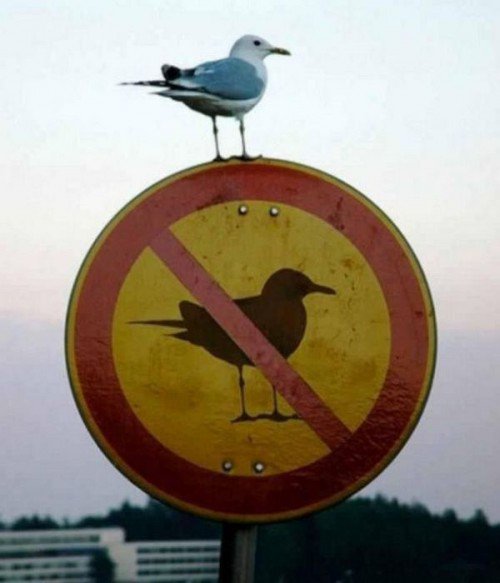
Funny Animal Signs That Warn People (While Animals Ignore Them)
From a seagull on a no-birds disc to classic zoo and park ironies—why animal warning signs get funny, and what the rules are still for.

How to Find Local Amenities on Vacation: Mechanics, Haircuts & More
Locate trustworthy local services and everyday spots while traveling or settling in—using publications, reviews, map apps, neighbor tips, and low-pressure exploration.

Kristen Stewart for V Magazine, Spring Preview 2013
V81’s Wild at Heart cover story—Kristen Stewart shot by Inez & Vinoodh, styled by Joe McKenna, in pale minimal spring glamour.