
5 Benefits of Hiring Indoor Plants for a Reception
Fresher air, milder scent, softer noise, less waste, and décor that suits mixed crowds—why plant hire works for receptions.
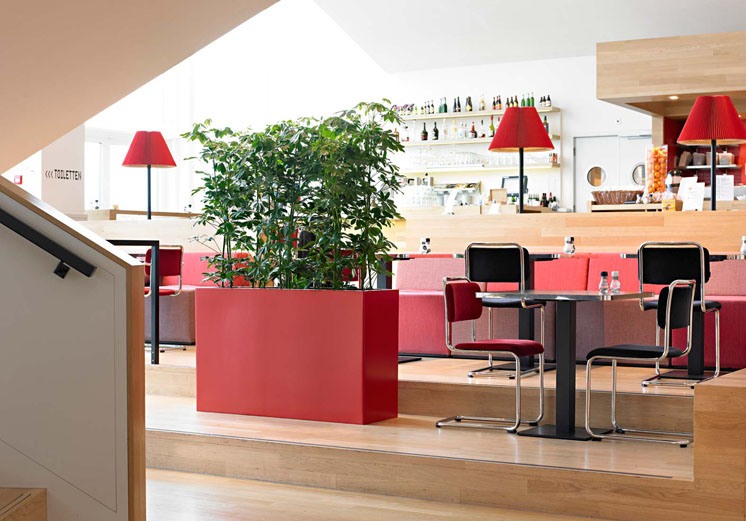
Nothing livens up a room quite like living greenery. Lush indoor plants change how a space reads—softer edges, fresher air, a sense that someone planned for comfort rather than only for chairs and catering. When people plan receptions and events, fresh flowers still dominate the mood board. Flowers earn that instinct. They are festive and familiar. Indoor plant hire is the quieter alternative that often works harder for longer: health-minded benefits, calmer scent profiles, acoustic help, less waste, and a look that suits mixed crowds.
Hiring plants for a reception means you borrow mature specimens for the night or weekend, then return them to a specialist who keeps them healthy for the next venue. You get the impact of established foliage without the cost or logistics of owning a greenhouse. Here are five practical reasons the approach can make a reception feel memorable without turning the room into a florist’s cooler.
1. Better air—and a calmer first impression
Indoor plants are living systems. Through photosynthesis and the micro-ecology around leaves and soil, they interact with the air in a room in ways cut flowers cannot match after a day in a vase. Guests may not recite the science, but they feel the difference when a lobby or ballroom edge holds real foliage instead of only fabric drapes and plastic centerpieces.
Receptions pack people into enclosed spaces. Conversations rise, doors open and close, and HVAC works overtime. Greenery will not replace ventilation engineering, and it should not be sold as a medical device. What it can do is support a fresher sensory baseline: visual cues of life, modest contributions to a less stale atmosphere, and a psychological nudge toward ease. That combination matters at the door, where first impressions decide whether a reception feels welcoming or merely decorated.
Place taller plants near entry paths and softer groupings near seating. Guests walking in should meet green before they meet a crowded bar line. The air-quality story and the hospitality story are the same gesture: you prepared a room people can stay in comfortably.
2. Mild scent instead of perfume overload
Flowers look and smell beautiful. That fragrance is also why they fail some rooms. Strong blooms can overwhelm guests with respiratory sensitivity, migraine triggers, or simply a low tolerance for perfume-heavy air. Hospitals and care settings often discourage large floral deliveries for related reasons: what delights one bedside can burden the next.
Most hire-friendly indoor plants—ficus, palms, monstera, sansevieria, and similar event staples—carry little fragrance. When scent exists, it is usually mild. That lets you position plants close to tables and conversation clusters without forcing everyone to share one bouquet’s perfume. Guests with sensitivities get a fairer room; guests who love flowers can still find smaller, intentional arrangements where scent is welcome rather than ambient.
Think of plant hire as scent control. You keep visual richness and reduce the risk that the “beautiful” décor becomes the reason someone steps outside early. For daytime corporate receptions and evening celebrations alike, that restraint reads as thoughtful hosting.
3. Softening noise where conversation matters
Hard floors, glass, and empty corners bounce sound. Reception chatter becomes a wash. Research and practitioner experience with interior planting have long noted that foliage—depending on species, density, and placement—can help soften background noise. Leaves and layered planting absorb and diffuse some of the harshness that makes rooms feel louder than the guest count suggests.
This is not studio-grade acoustic treatment. It is a useful layer when you want a quieter pocket for elders, clients, or anyone who needs a break from the dance floor or the keynote spillover. A plant specialist who works events regularly can suggest denser species and clustering techniques—plants as a soft wall beside lounge seating, for example—rather than scattering lonely pots that do little visually or acoustically.
Ask for a “chill-out” zone in the hire plan: sofa seating, lower light, and a green perimeter. Guests will use it. Hosts will look like they understood that receptions need recovery space as much as spectacle.
4. Less waste—and usually smarter spending
Cut flowers are beautiful because they are temporary. Once stems are severed, the clock runs. After the event they are pressed, composted, or thrown away. Indoor plants displayed intact keep living. With proper care they last years and circulate through many rooms.
Hire fits that lifecycle. After your reception, the supplier collects the plants, restores them, and sends them to another lobby or celebration. You are not buying a one-night disposable landscape. Compared with filling every table with elaborate cut arrangements, plant hire often costs less for comparable visual volume because the asset returns to inventory. Exact pricing varies by city, season, plant size, delivery stairs, and how long you keep the display—confirm current quotes rather than relying on old blog figures.
There is also a quiet ethics angle. Guests increasingly notice waste. A room full of living plants that will work again next week tells a different story than bins of wilted bouquets at midnight. If your reception brand values sustainability, plant hire is one of the easiest visible proofs.
5. A look that suits more than one taste
Floral design can skew strongly toward traditions some guests read as formal or feminine. That is not a flaw when the couple or host wants that language. It becomes a mismatch when the room must feel welcoming to a mixed audience—clients, colleagues, relatives across generations—who do not share one flower preference.
Indoor plants read as architectural and broadly appealing. Deep greens, varied leaf shapes, and clean containers photograph well and rarely spark “I hate that bloom” debates. They pair with modern venues, heritage halls, and outdoor-adjacent tents. They support brand colors through pot and ribbon choices without requiring everyone to love roses or lilies.
Tasteful does not mean bland. Mix heights, combine statement trees with tabletop ferns, and use lighting to throw leaf shadows on walls. The goal is a reception people describe as classy and comfortable—the kind of detail that becomes part of the story afterward because it felt intentional, not generic.
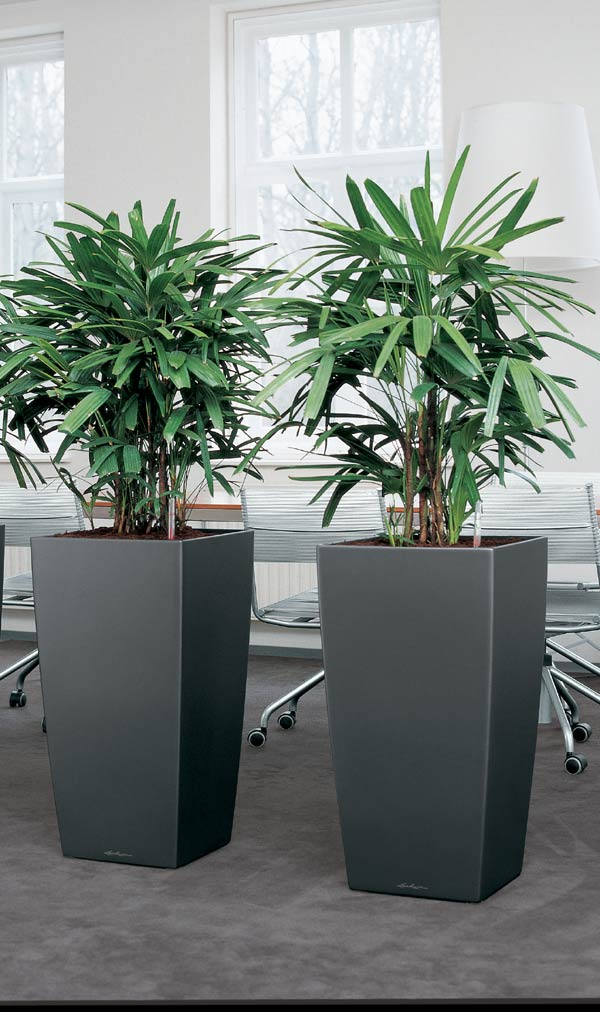
Planning plant hire without the stress
Walk the venue before you book. Note door widths, elevator size, water access, and heat sources. Tell the supplier how many guests you expect and which zones need quiet versus drama. Confirm delivery windows around catering setup, and assign one person on-site for placement sign-off. If anyone in the core party has plant allergies or pet access after the event, say so early.
Flowers still have a place—boutonnieres, a single statement arrangement, petals where tradition matters. Hiring indoor plants simply widens the palette. Air that feels fresher, scent that stays polite, corners that sound softer, décor that does not become landfill by morning, and a look almost anyone can live with: those five benefits are why greenery keeps earning space at receptions that want to feel alive as well as styled.

Comments
Continue reading

Funny Animal Signs That Warn People (While Animals Ignore Them)
From a seagull on a no-birds disc to classic zoo and park ironies—why animal warning signs get funny, and what the rules are still for.

How to Find Local Amenities on Vacation: Mechanics, Haircuts & More
Locate trustworthy local services and everyday spots while traveling or settling in—using publications, reviews, map apps, neighbor tips, and low-pressure exploration.

Kristen Stewart for V Magazine, Spring Preview 2013
V81’s Wild at Heart cover story—Kristen Stewart shot by Inez & Vinoodh, styled by Joe McKenna, in pale minimal spring glamour.