
40 Impressive Ways to Repurpose Everyday Objects at Home
A gallery of DIY home repurposing ideas—from ladder shelves and salvage furniture to garden fountains, wine racks, and wall art—with practical notes on making each project sturdy and useful.
Repurposing is less about thrift-store theater and more about refusing to treat “broken,” “outdated,” or “leftover” as a final verdict. A ladder becomes a shelf. A piano becomes a bar. A dresser becomes a wine rack. The pleasure is double: you solve a storage or décor problem, and you keep material in circulation instead of sending it to the curb. The projects gathered here—drawn from DIY makers who treat salvage as a design language—show how ordinary household leftovers can look intentional once you give them a second job.
What follows is a visual tour of roughly forty approaches, grouped by how they tend to work in a real home: seating and living-room builds, seasonal and wall art, outdoor pieces, storage conversions, and small-object flips. You do not need to copy every finish. Steal the logic—secure the structure, hide the hardware mess, and let the original object’s character remain visible.
Living rooms that earn their footprint
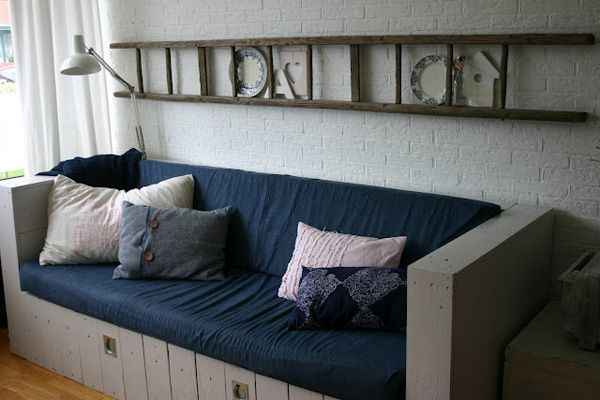
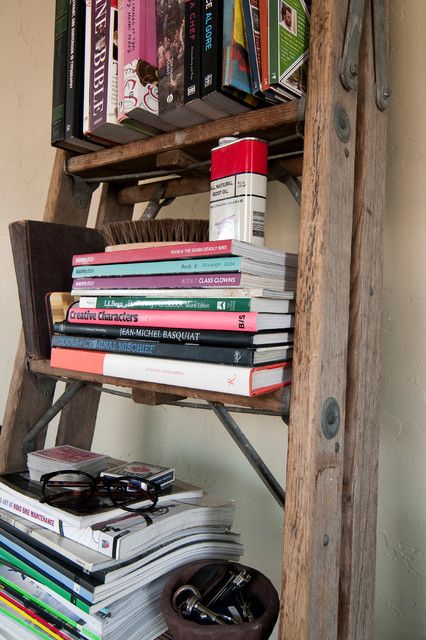
Large furniture is where repurposing pays rent. A pallet-style daybed with drawer bases and a horizontal ladder shelf above it turns scrap lumber and an unused ladder into seating, storage, and display in one composition. Soft textiles and a simple floor lamp finish the scene so the DIY bones read as design, not unfinished workshop.
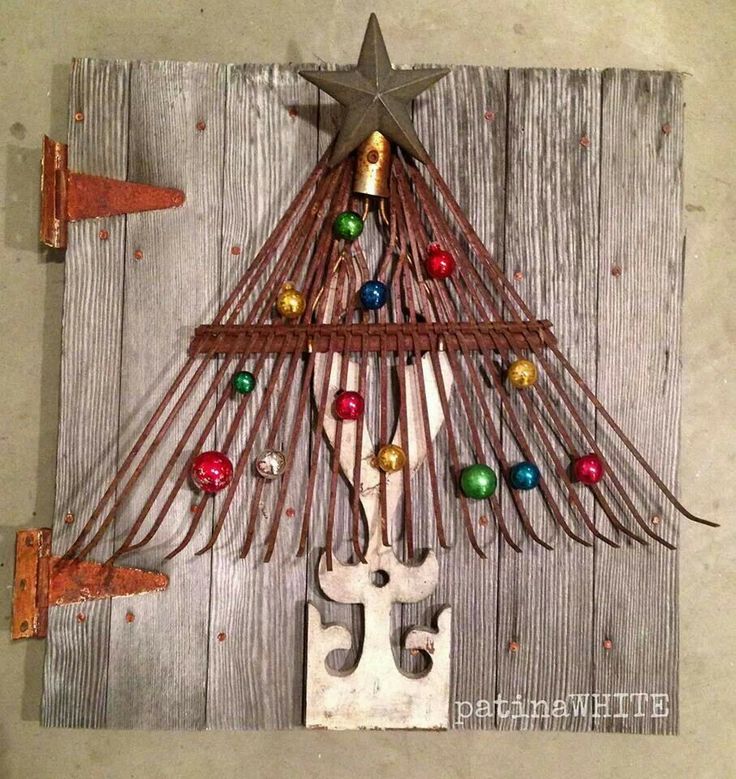 Photo Credit: patinawhite
Seasonal décor can follow the same salvage instinct. A rake head mounted on weathered boards, starred and hung with ornaments, becomes a flat Christmas tree that suits small walls and rustic palettes. Garden tools already carry triangular silhouettes; the trick is mounting them safely and choosing ornaments light enough not to stress old metal.
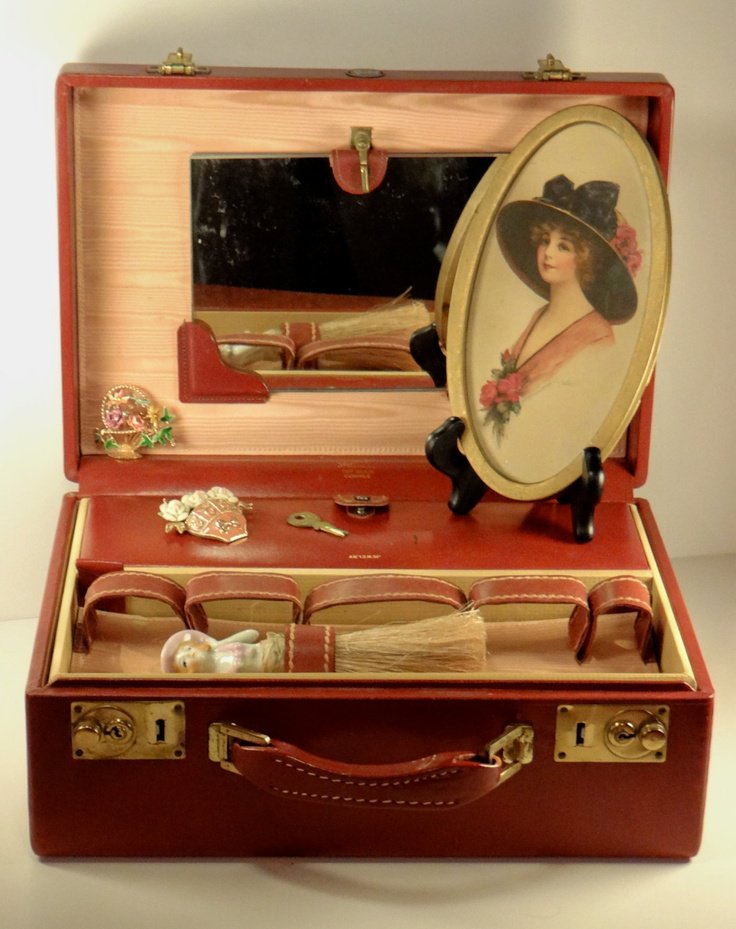
Travel cases and vanity trunks invite a quieter kind of reuse. Open a leather suitcase on a dresser, keep the mirror and loops, and you have jewelry staging that still looks like a story rather than a plastic tray. Keep the interior clean and the latches working; nostalgia fails when dust and sticky hinges take over.
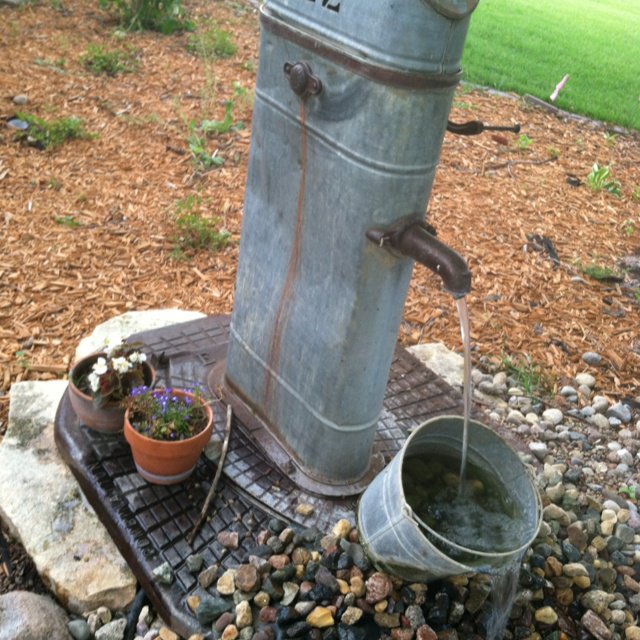
Outdoors, a dead hand pump can become a recirculating fountain: spout into a bucket, overflow onto river rock, mulch to hide plumbing. Sound and motion do more for a garden than another ceramic gnome. Confirm the pump motor is rated for continuous use and that splash stays off house foundations.
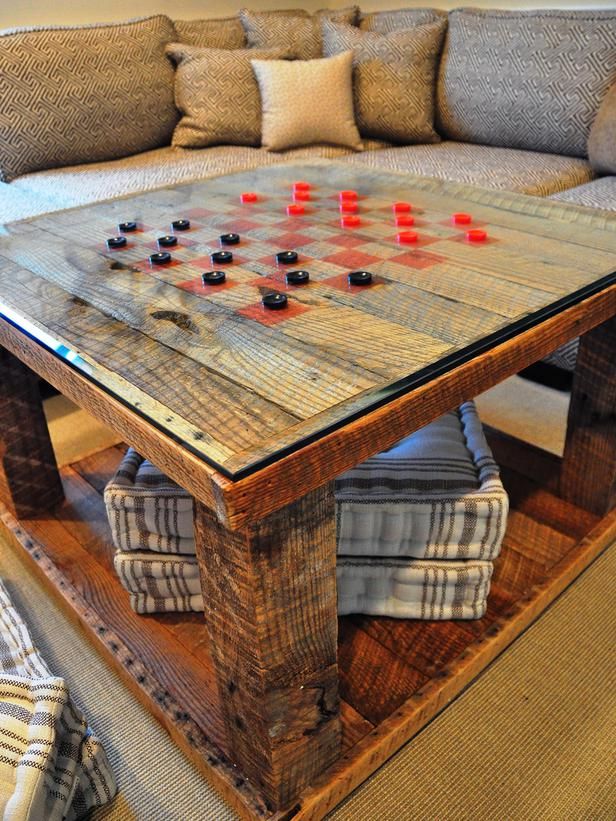
Reclaimed-plank coffee tables with a painted checkerboard under glass turn scrap lumber into a gathering surface that doubles as a game. Bottle-cap pieces keep the joke consistent. Seal the wood, protect the paint under glass, and leave a lower shelf for floor cushions so the piece works even on quiet weeknights.
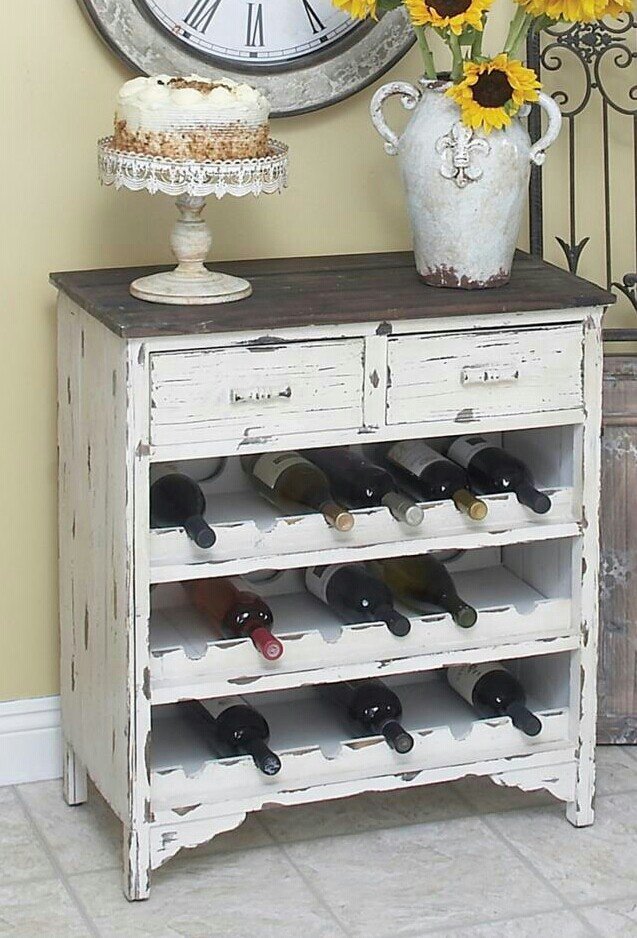
Dressers with doors or drawers removed and notched shelves added become farmhouse wine storage without buying a dedicated cellar unit. Distressed paint is optional; stability is not. Anchor tall pieces, and keep bottles horizontal where corks need moisture.
Wall art, china, and cutlery with a second life
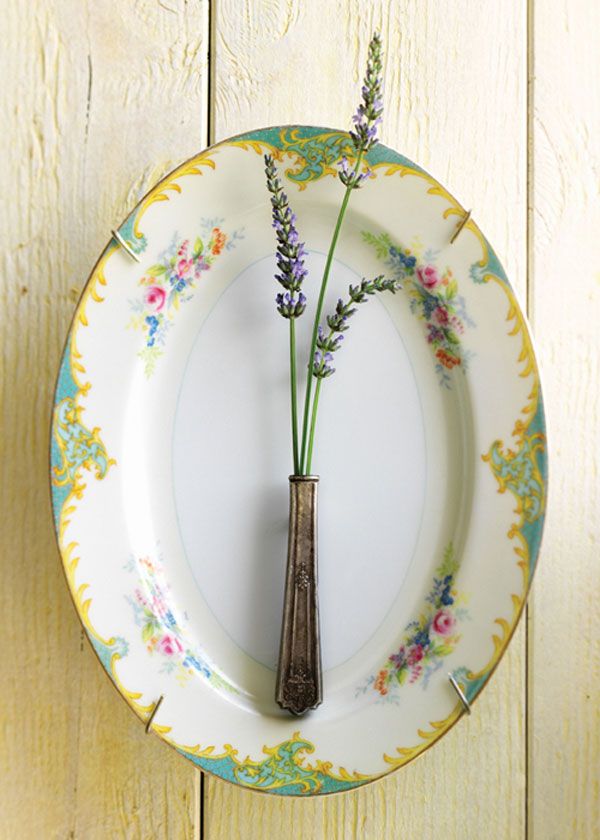
Mismatched plates and orphaned silverware make surprisingly elegant wall vases: mount the plate, fix a utensil handle as a stem pocket, add a few sprigs. Use proper plate hangers and keep weight modest. The same cutlery impulse shows up outdoors when butter knives become birdhouse “shingles”—weatherproof the wood, wire the blades firmly, and accept that rain will patina the metal.
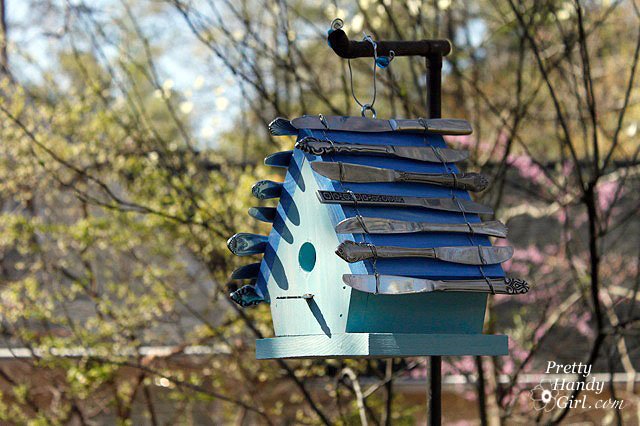 Photo Credit: prettyhandygirl
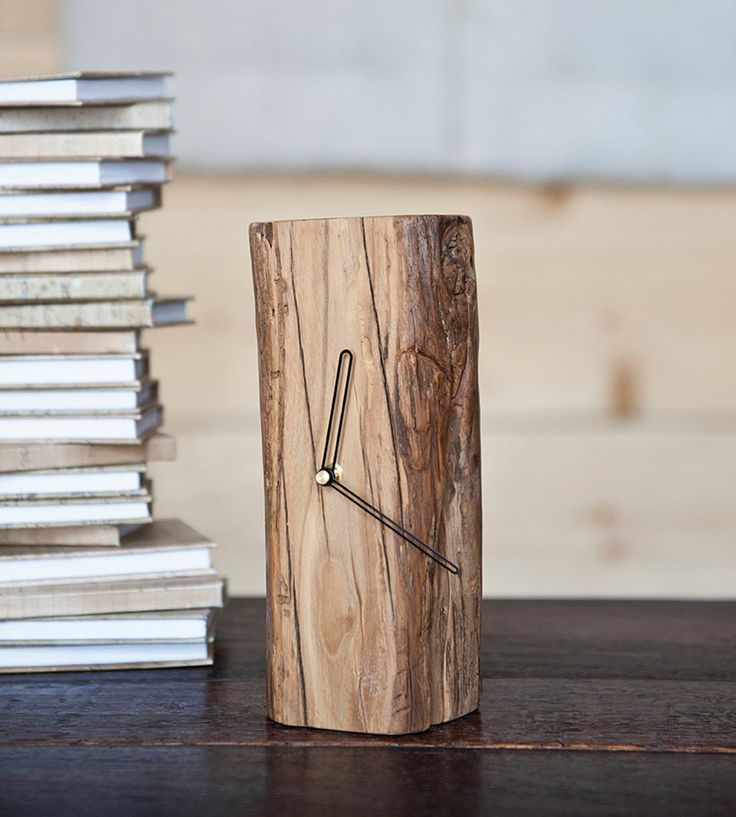
A slab of branch or log with a simple clock movement becomes a quiet desk clock that needs no numbers to tell time. Sand carefully, seal against checking, and mount the mechanism so the hands clear the wood’s irregularities. Beside a stack of old books, it reads as intentional stillness rather than leftover firewood.
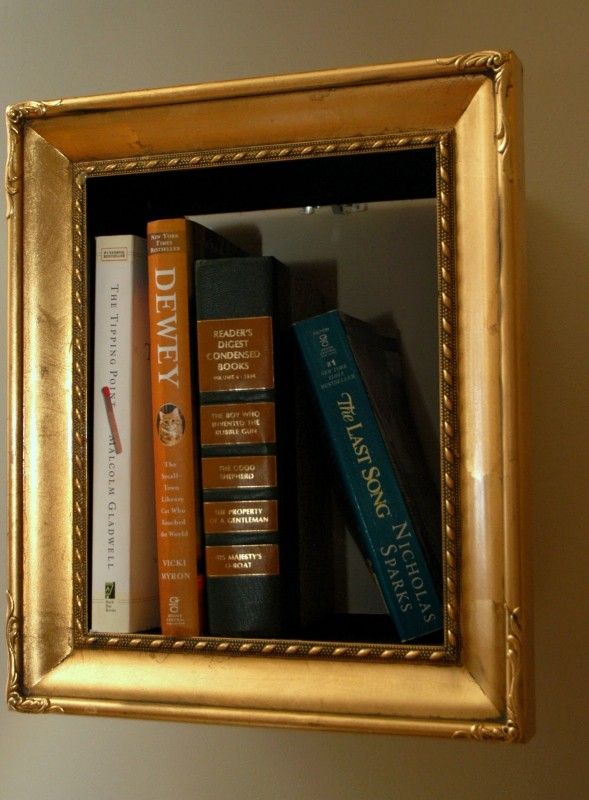
Ornate frames deepen into shadow-box shelves for a few favorite spines. You keep the gilt drama of the frame and gain a micro-library that does not demand floor space. Build the box deep enough for books, secure the hangers for the combined weight, and resist stuffing it—four well-chosen volumes beat a jammed shelf.
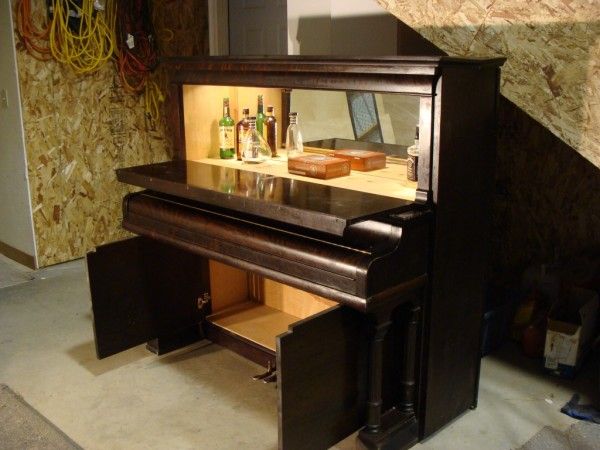
When an upright piano no longer plays, gutting the works can yield a lit bar with mirrored upper shelves, a mixing counter where keys once sat, and lower cabinet storage. Keep the pedals and case lines so the object still announces what it was. This is a heavy, irreversible build: measure doorways, reinforce floors if needed, and treat wiring for internal lights as real electrical work, not a temporary lamp cord.
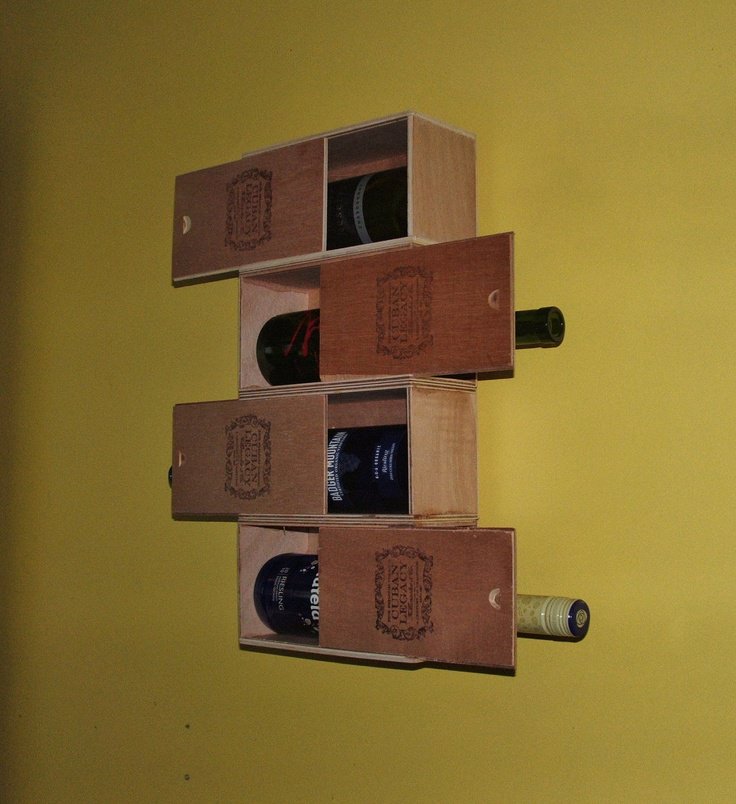
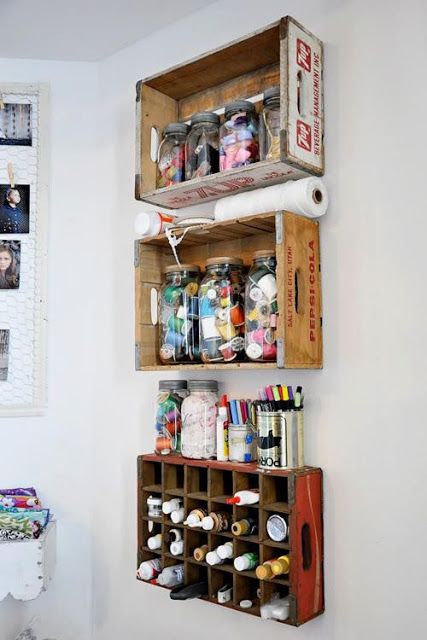
Cigar boxes mounted in a staggered column become single-bottle wall racks with sliding lids. They look like display art when closed and like storage when open. Anchor into studs; wine is denser than it looks on Instagram.
More storage, seating, and salvage furniture
The middle of this gallery keeps returning to the same useful question: what object already has compartments, height, or legs you can hijack? Trunks become coffee tables. Crates become stacked drawers. Shutters become headboards. Pallets become vertical planters or sofa bases. The photographs below continue that inventory—paint, hardware swaps, and glass tops do most of the visual upgrade once the structure is sound.
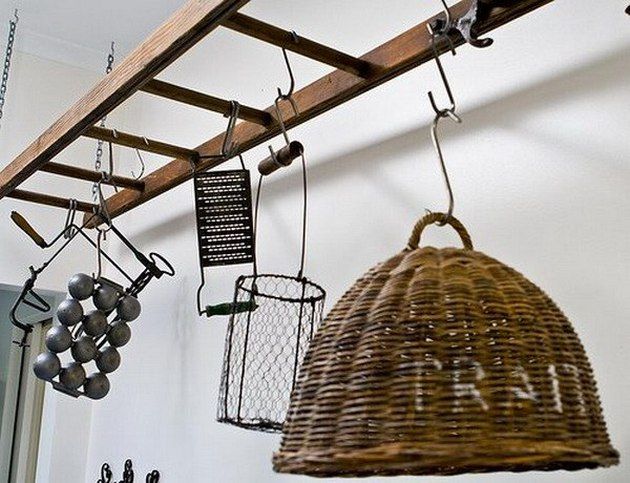
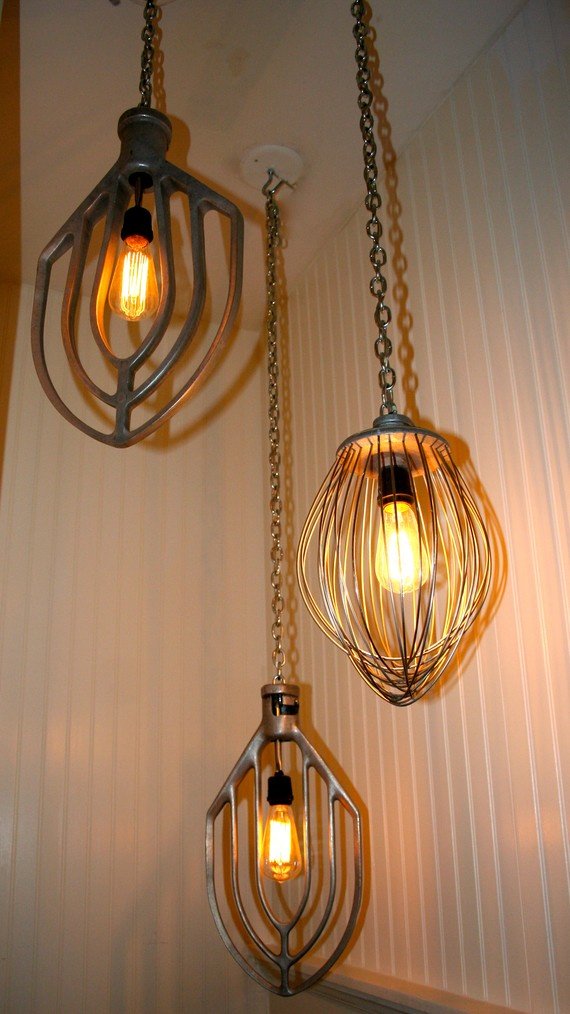
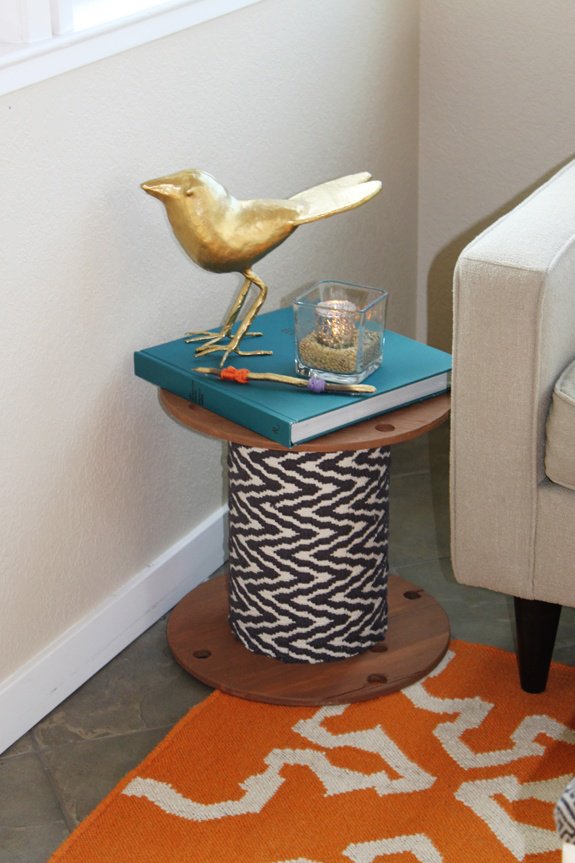
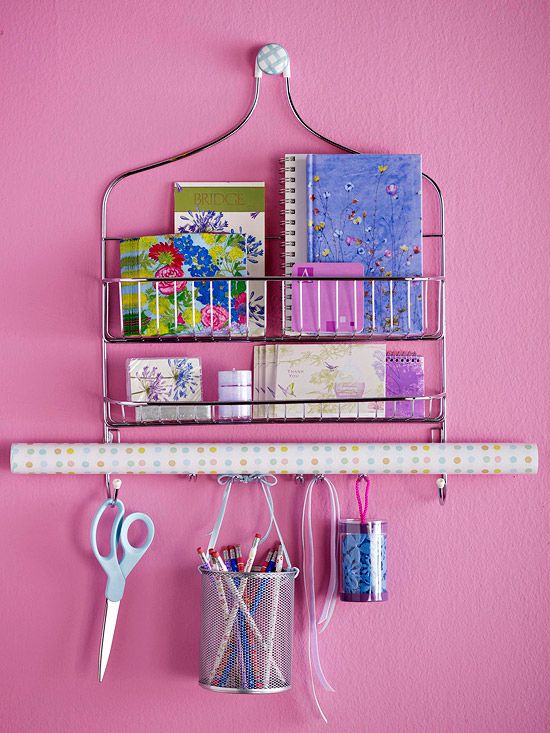
Before you commit a weekend, ask three practical questions. Will the piece tip or collapse under real use? Can you clean it without destroying the finish you just applied? Does it solve a problem you already have, or only a problem Pinterest invented? Repurposing that fails those checks becomes clutter with a backstory.
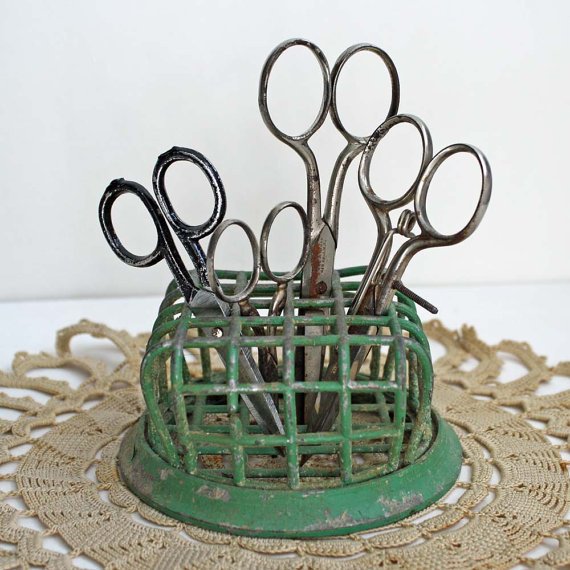
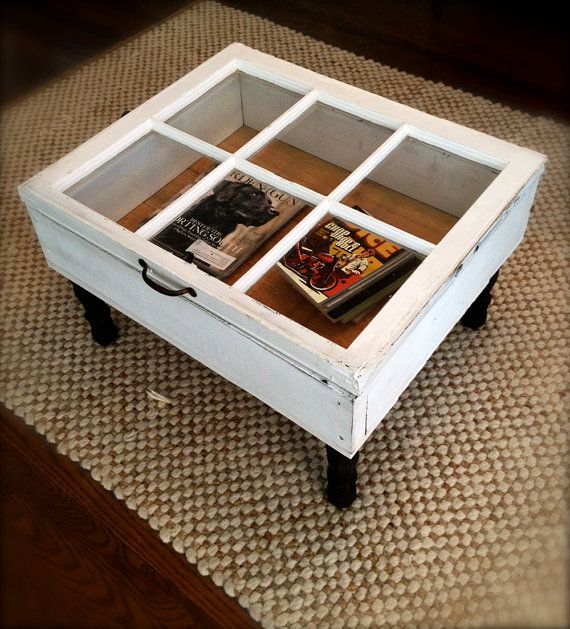
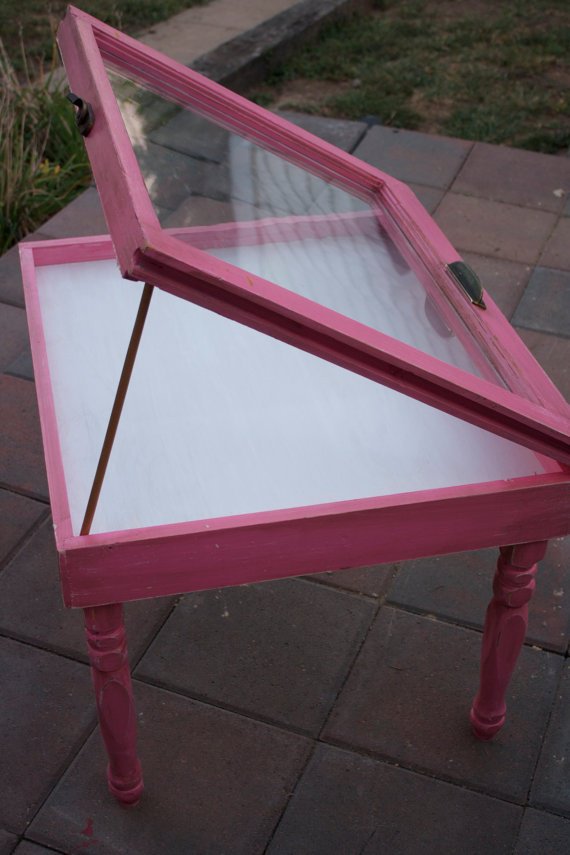
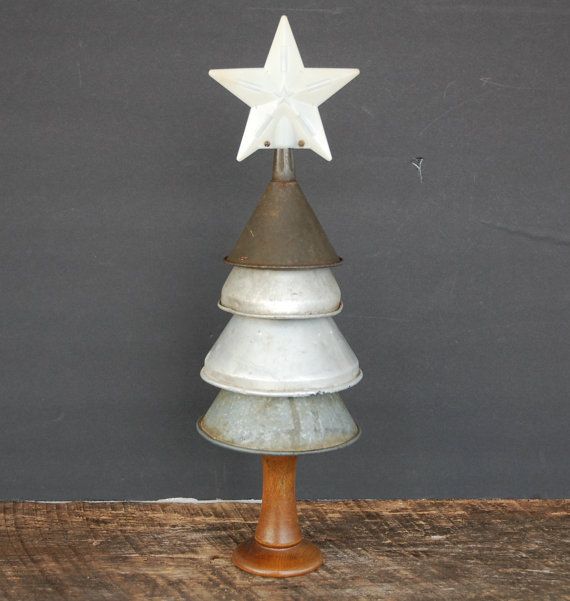
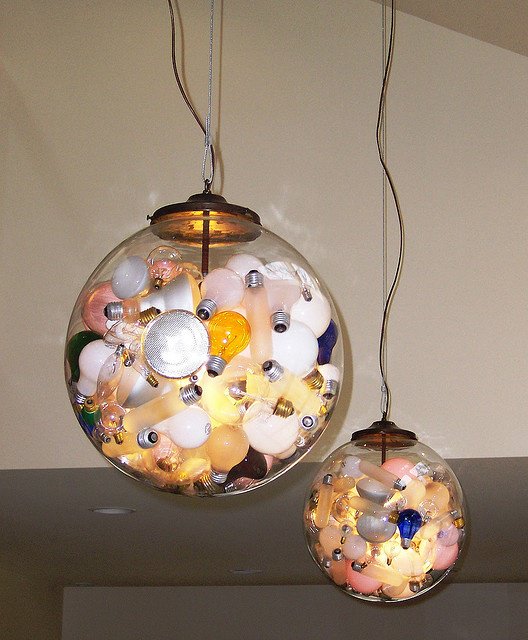
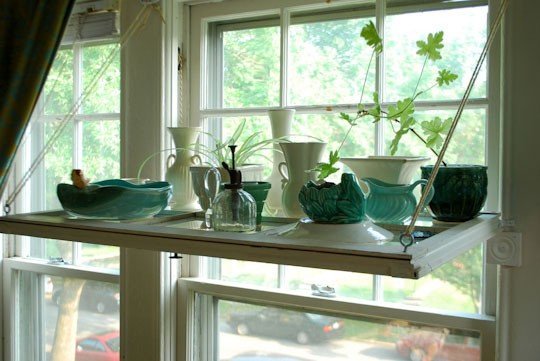
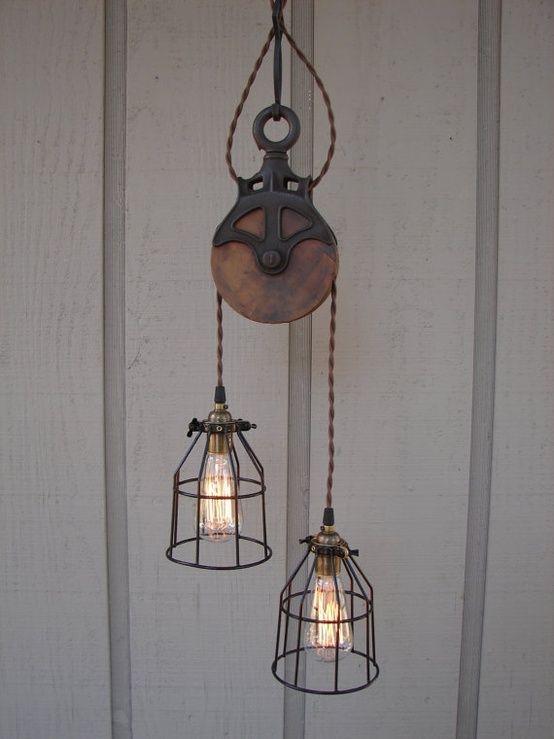
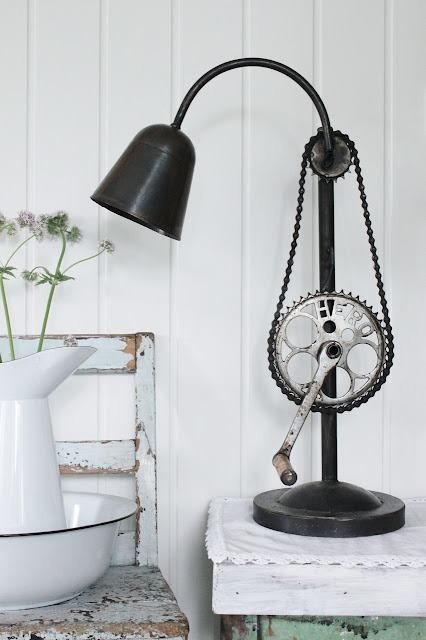
Lighting and small accessories often need less carpentry and more patience: wire a jar or bottle safely, sand a drawer into a tray, turn a window sash into a frame for mirrors or photos. Always respect electrical codes for lamps; decorative reuse is not a license for exposed splices.
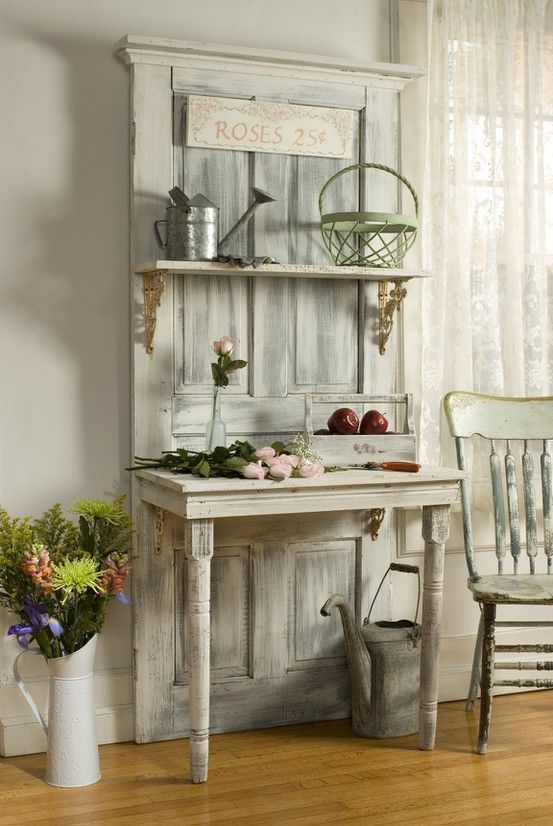
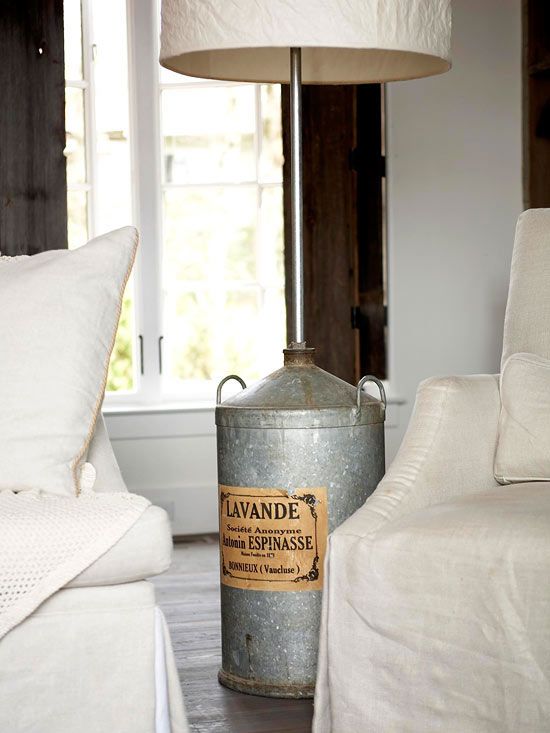
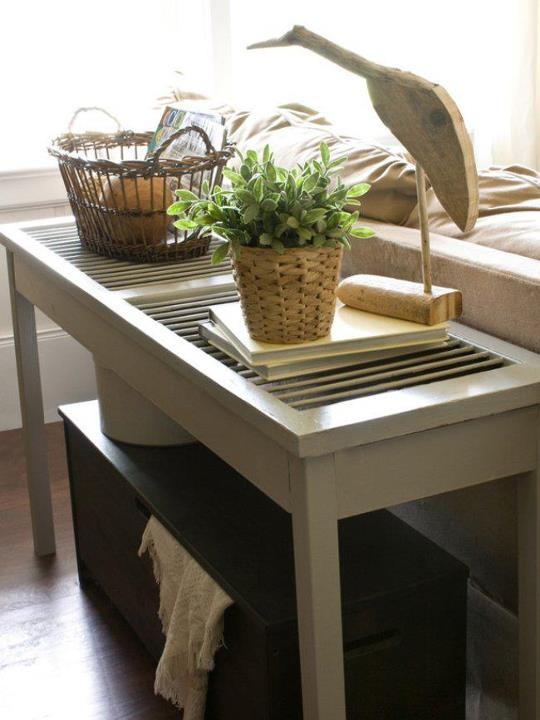
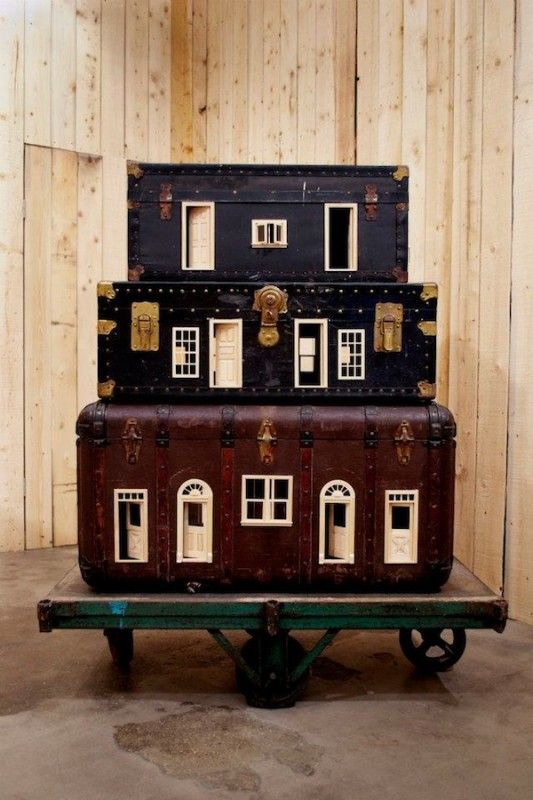
Kitchen, garden, and the rest of the house
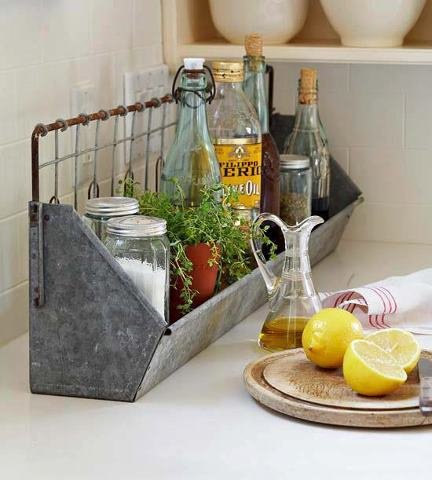
Kitchens reward horizontal thinking: drawers become spice pulls, crates become open pantry cubes, ladders lean as towel racks, and old doors become island tops when sealed properly for food-adjacent use. Gardens reward vertical thinking: boots as planters, colanders as hanging baskets, fencing as trellis panels. Bathrooms and hallways take the leftovers—shallow shelves from scrap, towel bars from pipe, mirrors from reclaimed frames.
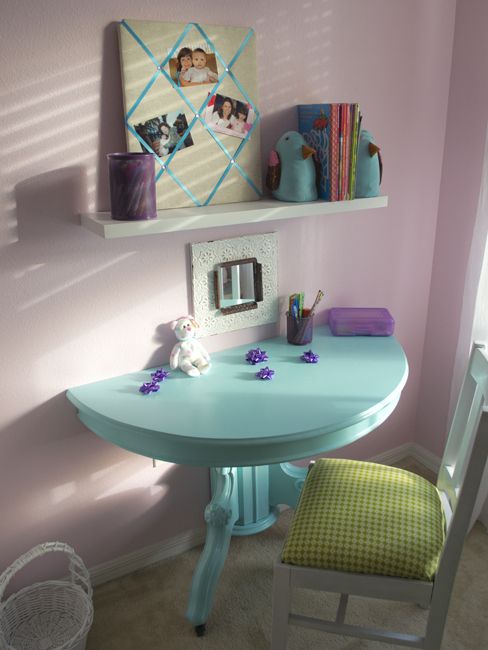
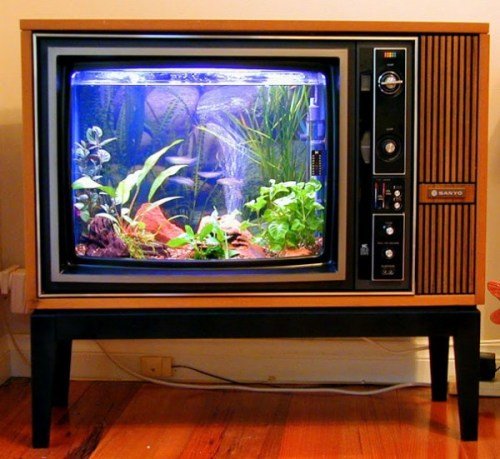
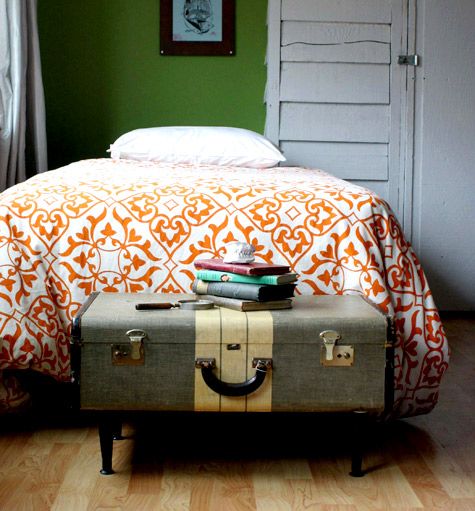
Material honesty helps these projects age well. Leave tool marks where they look like craft. Paint where the original finish is ugly or unsafe. Combine wood, metal, glass, and textile only when each part can be cleaned and tightened later. A repurposed piece that cannot be maintained becomes landfill with extra steps.
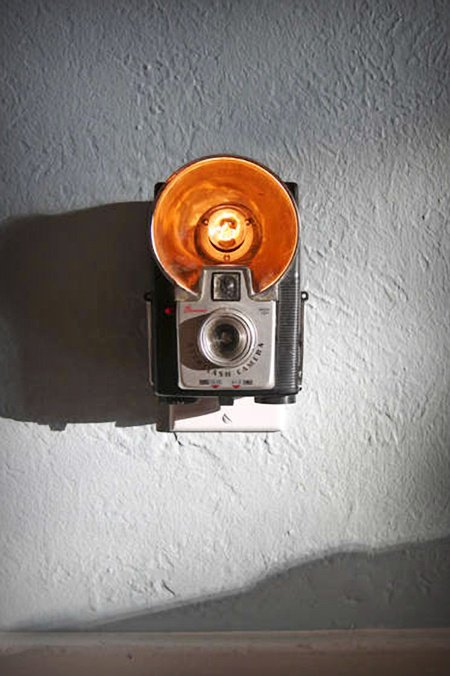
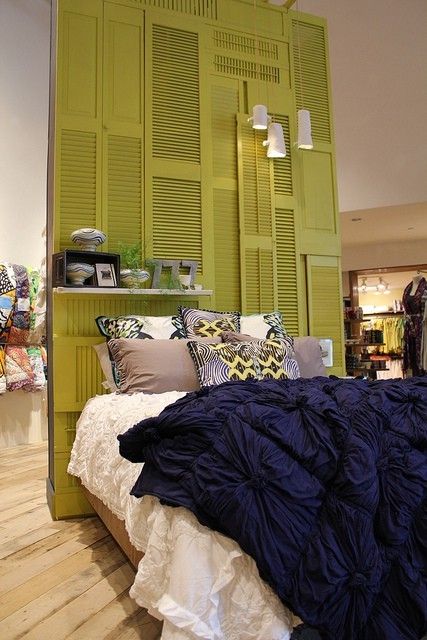
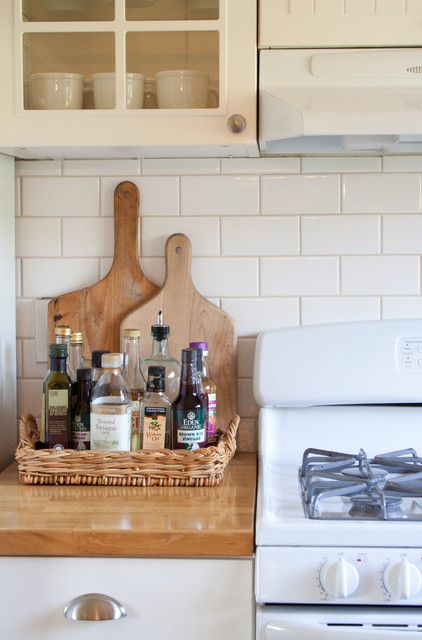
If you are new to salvage builds, start small: one shelf, one tray, one outdoor accent. Learn how your tools behave on dirty wood and bent metal before you hollow out a piano. Photograph measurements before you cut. Keep a scrap of the original finish so touch-ups match later.
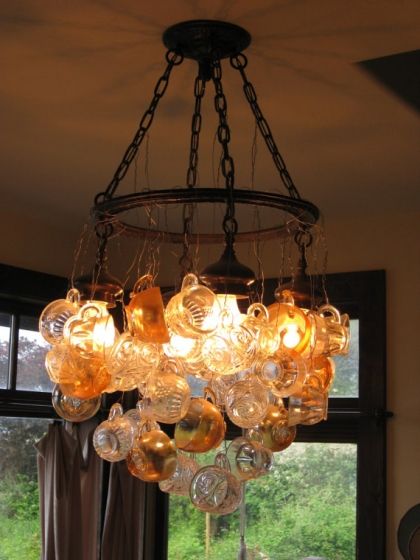
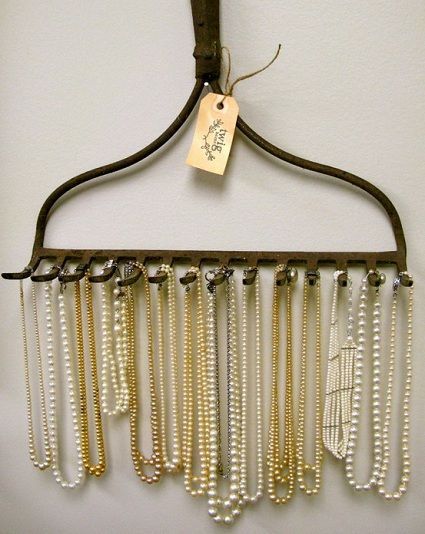
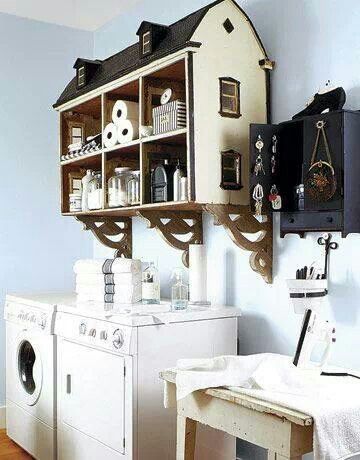
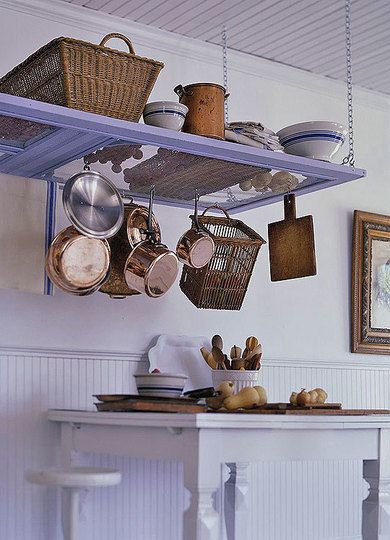
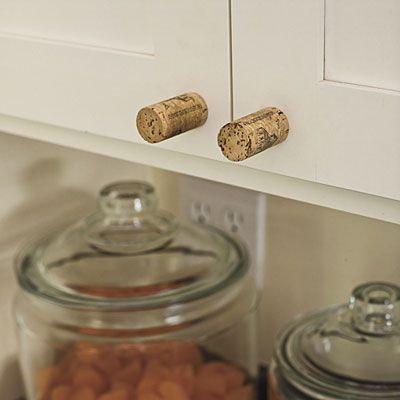 Photo Source: Etsy makers / community listings
Choosing what to try first
Scan the gallery for the constraint you actually live with. Tight square footage points toward wall shelves, shadow-box libraries, and vertical wine racks. Outdoor boredom points toward fountains, birdhouses, and tool-as-sculpture. Entertaining points toward bars, game tables, and dresser-to-rack conversions. Budget points toward paint, hardware, and one solid weekend rather than a roomful of unfinished experiments.
Repurposing works best when the original object still whispers through the new use—the ladder rungs, the piano pedals, the suitcase latches. Hide those clues and you might as well have bought flat-pack furniture. Keep them, build them stout, and the house gains pieces that cannot be ordered in a matching set—which is often exactly the point.

Comments
Continue reading
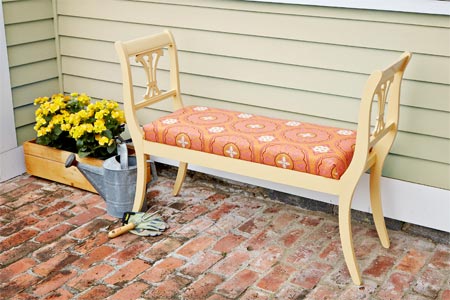
Chair to Bench DIY: How to Turn Old Chairs into Real Seating
Choose matching frames, bridge them with a solid seat subframe, finish for indoor or outdoor use, and build a bench that actually holds weight.
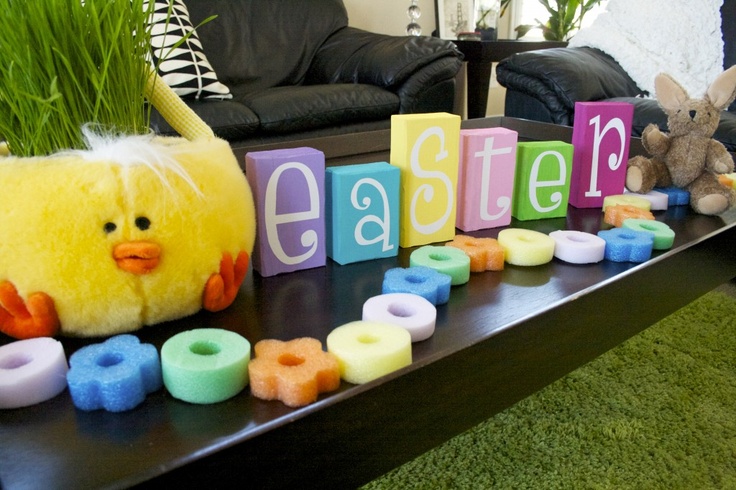
Pool Noodle DIY Ideas Kids Actually Use
Turn leftover foam noodles into rockets, counters, bed bumpers, soft swords, and outdoor course markers—with safety notes and a short project checklist.

32 Ways to Repurpose Old Sweaters Into Wearables and Home Goods
From knotted headbands and coffee sleeves to stockings, skirts, softies, and wine bags—thirty-two projects that give stretched-out knits a second life.