
20 DIY Projects for Book Lovers: Covers, Journals, and Bookends
Twenty reading-life crafts—paper covers, bookmarks, journals, bookcloth, fabric wraps, brick bookends, and a quilted book clutch—with steps for each.
Book lovers collect more than titles—they collect habits around reading: marking pages, wrapping paperbacks, keeping shelves upright, and making space for notes. DIY projects fit that habit neatly. Most of these ideas use scrap paper, fabric, cardboard, clay, or thrifted books you are willing to alter. Never craft over a rare first edition; choose paperbacks and damaged copies for covers and sculpture.
Twenty projects follow. Local photos stay as visual guides. Old affiliate-style outbound links and promo jumps are gone—each section stands alone as a make-at-home tutorial.
Colorful paper book covers
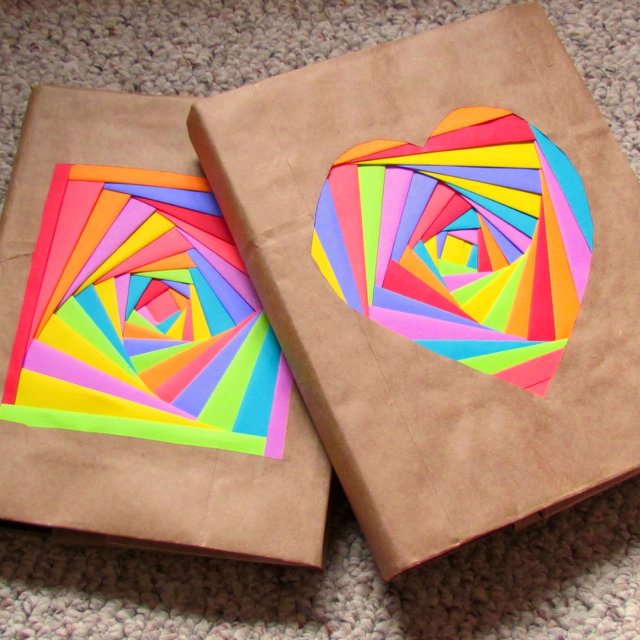
1. Bright paper book covers
Measure a paperback open flat, add flap allowances, and cut heavyweight colored paper to wrap the cover. Crease clean edges, tuck flaps inside the boards, and secure with washi or a thin glue line—not tape on the book’s original cover if you want to remove it later. A rainbow stack on a shelf makes even dull spines look intentional.
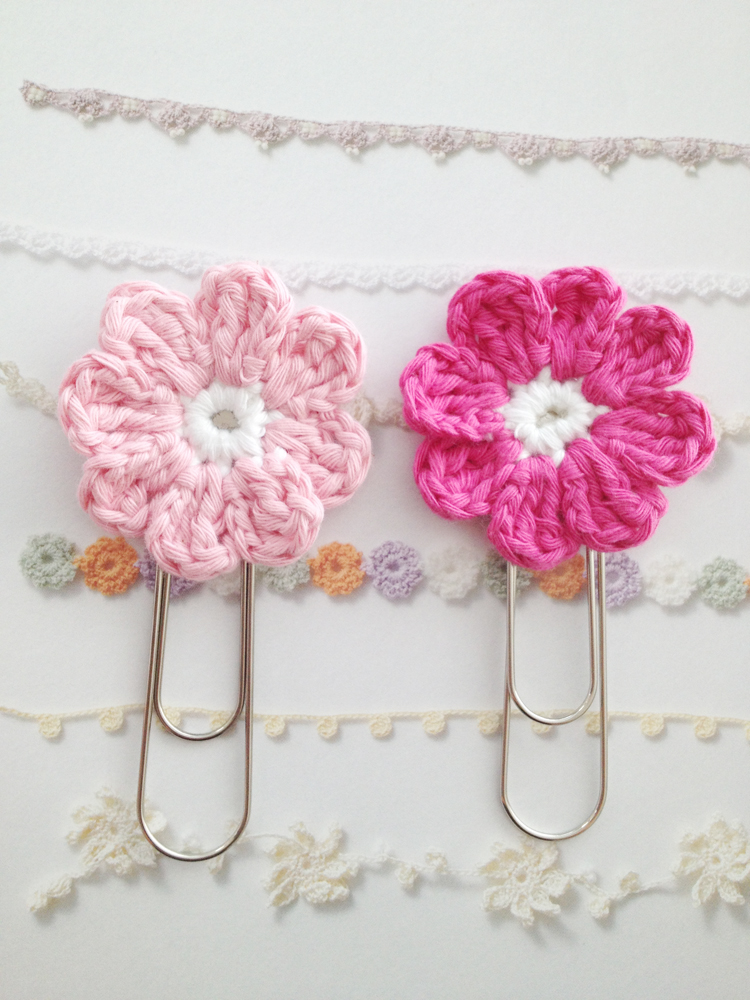
2. Paperclip flower page markers
Bend a large paperclip into a stem shape or leave it straight. Cut small felt or paper petals, glue them at the top into a flower, and slide the clip onto a page edge. Make a set in one color family so they do not look like office supplies that escaped the desk drawer.
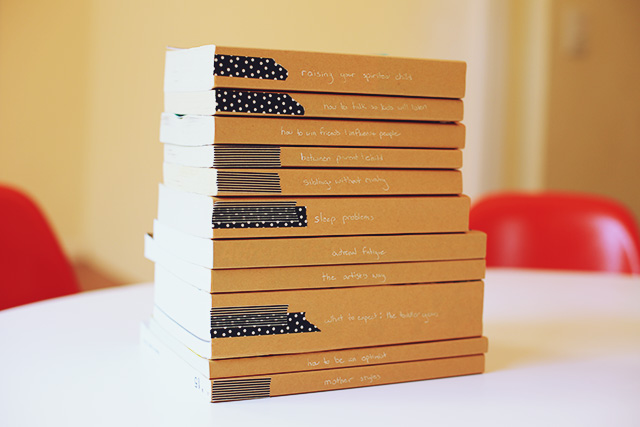
3. Fabric “cover-up” sleeves
Sew or no-sew a fabric sleeve sized to slip over a paperback like a dust jacket. Use fusible web for a no-sew version: fuse fabric to a paper template, fold flaps, and press. Patterned cotton hides battered covers on the commute without permanent alteration.
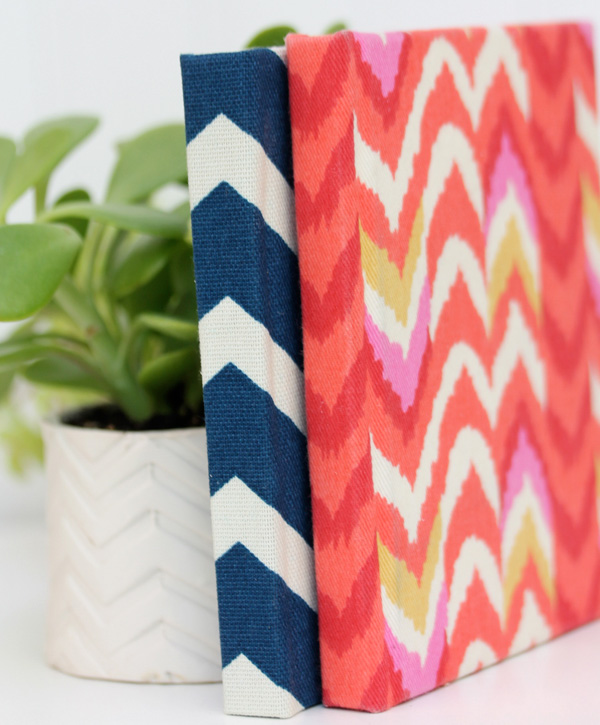
4. Homemade bookcloth
Brush diluted PVA onto thin cotton, lay it on freezer paper or a smooth sheet, and let it dry so the fabric stiffens into bookcloth. Iron, then use it to cover boards for journals or rebind thrift finds. Starched bookcloth cuts cleaner than raw quilting cotton.
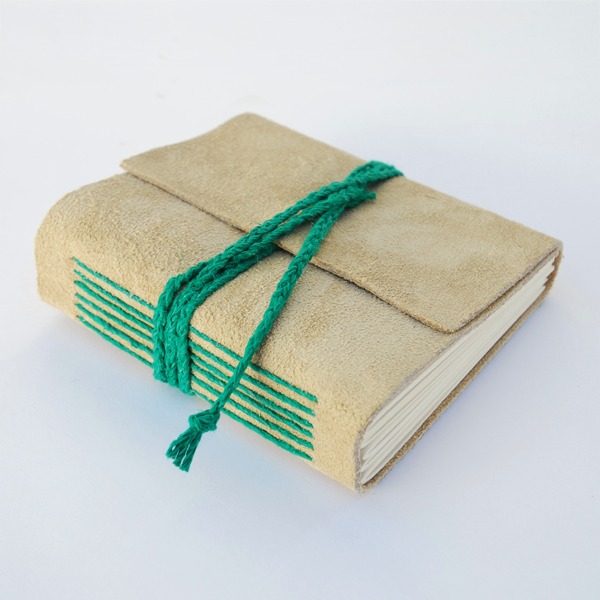
5. Long-stitch leather journal
Punch an even row of holes along a leather or heavy card cover and through folded signatures of paper. Lace with waxed linen thread in a long-stitch pattern, tightening as you go. Leave the spine exposed for a handmade look. Fill with blank or graph paper for notes beside your reading stack.
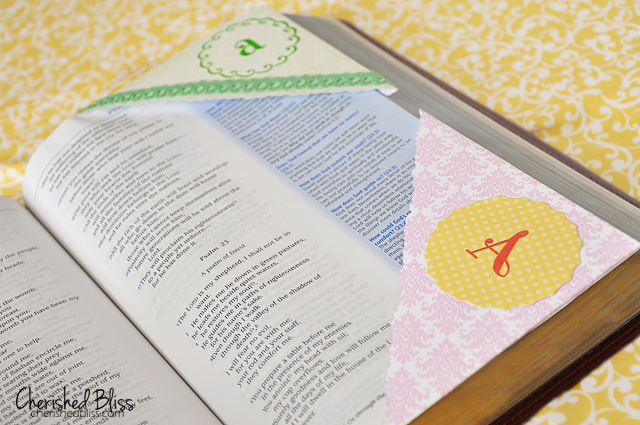
6. Monogram corner bookmarks
Fold origami corner bookmarks from sturdy paper, then stamp or paint a monogram on the visible triangle. Laminate lightly or coat with clear medium if they will travel in a bag. A set of initials makes an easy gift for a book club.
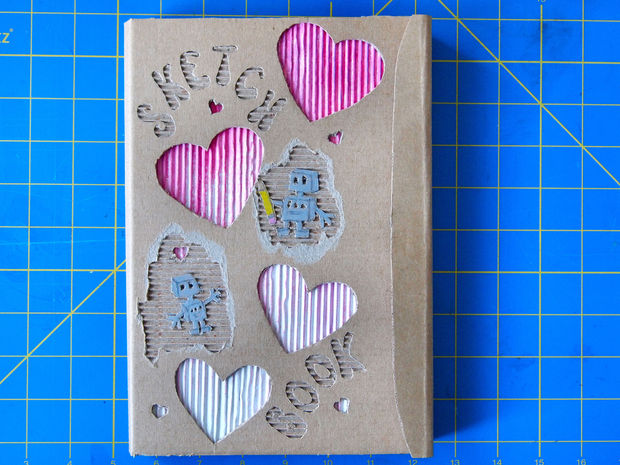
7. Cardboard sketchbook
Cut two cardboard covers and a stack of drawing paper to the same size. Punch holes and bind with rings, screw posts, or a simple pamphlet stitch. Cover the boards with kraft paper or washi. Keep it beside novels for quick margin sketches and scene maps.
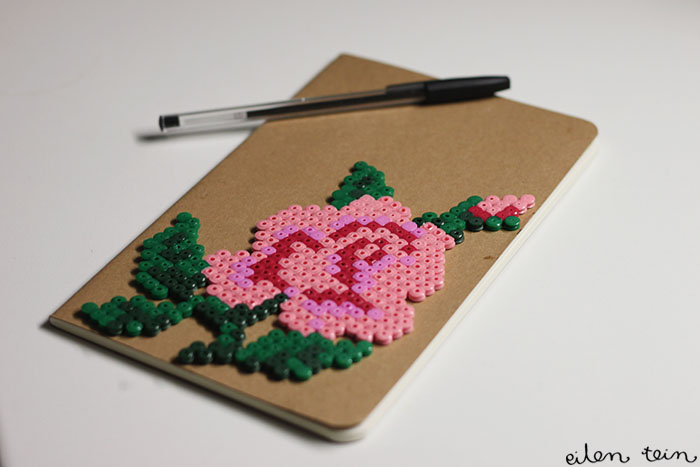
8. Illustrated reading log booklet
Staple or stitch a slim booklet and rule columns for title, author, date finished, and a one-line reaction. Decorate the cover with a collage of ticket stubs or a hand-drawn stack of books. Filling the log becomes part of finishing each volume.
9. Stitched ribbon bookmarks
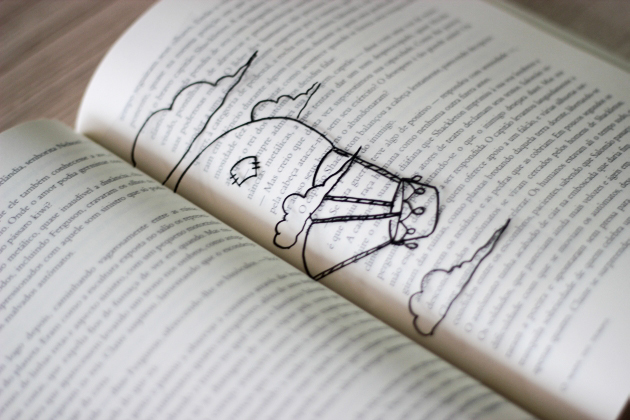
Cut grosgrain or velvet ribbon longer than your tallest book. Seal ends with fray check or a narrow hem. Add a charm, bead, or tassel at the bottom only—keep the top clean so it does not catch when you close the cover.
10. Altered-book shelf sculpture
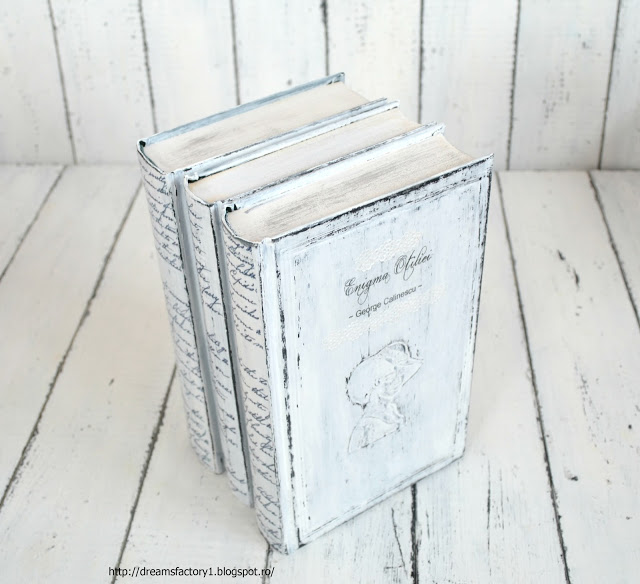
Take damaged books and stack, notch, or hollow them into a sculptural form for a shelf vignette. Glue selectively so the piece stays stable. This is décor, not a reading copy—choose books you would not lend or reread.
11. Fabric-covered seasonal books
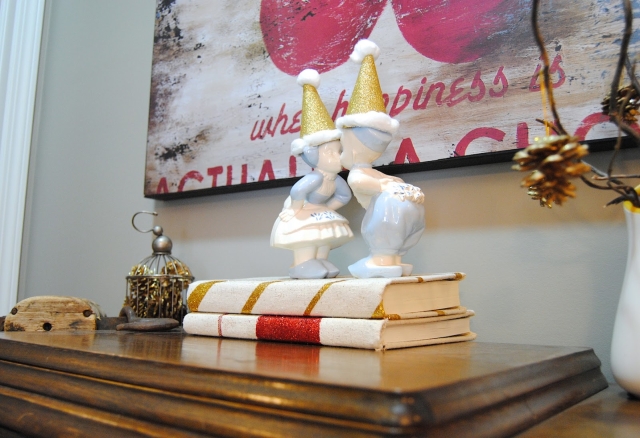
Wrap thrift hardcovers in festive or seasonal fabric using glue on the boards only. Add a felt accent if you like. Rotate a few on a console each holiday without buying new décor books. Store the fabric wraps flat between seasons.
12. Painted page-edge set
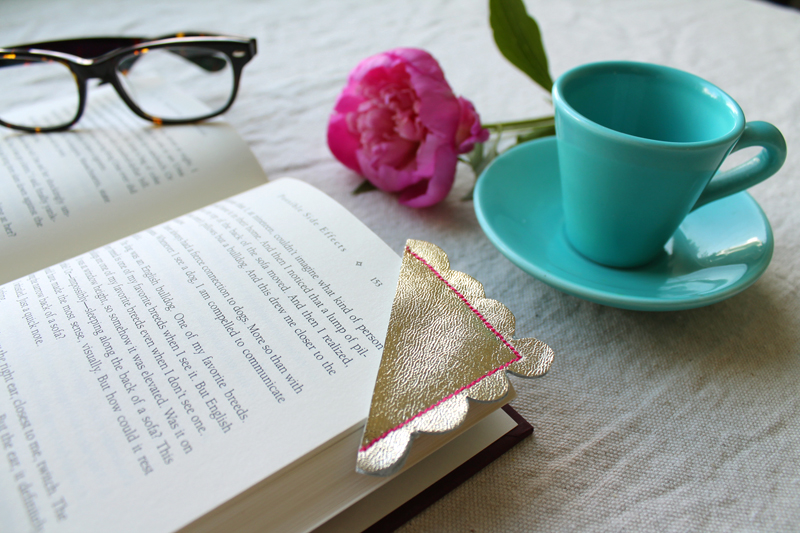
Clamp a closed book firmly and brush acrylic lightly across the page edges—gold, navy, or soft blush. Let dry fully before fanning. A matched trio looks polished on a coffee table. Practice on a cheap paperback first; too much paint glues pages shut.
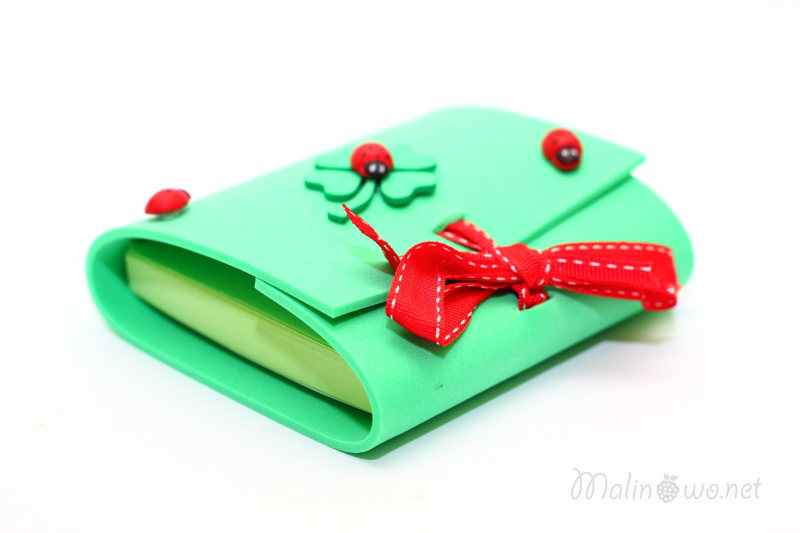
13. Soft fabric notebook wrap
Sew a fabric cover with pockets for a standard notebook, adding an elastic band to hold it closed. Include a pen loop on the spine side. Swap inserts when a notebook fills so the cover becomes a long-term companion to your library.
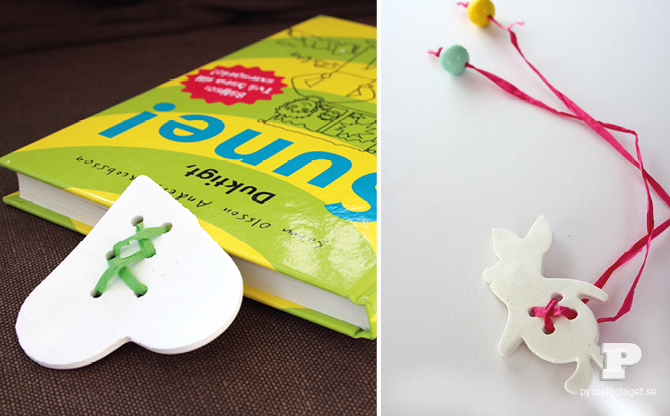
14. Paper-clay bookmarks
Roll air-dry clay thin, cut bookmark rectangles, and stamp patterns or press lace into the surface. Punch a hole before drying, then sand and seal. Thread a ribbon through the hole. These are heavier than paper markers—use them in hardcovers that can take the weight.
15. Painted animal bookends
Find a pair of inexpensive plastic or resin animals at a thrift shop. Fill hollow bases with sand or plaster for weight, then paint in a unified palette. Place facing inward on a shelf to corral paperbacks. Wipe dust with a dry cloth so paint stays intact.
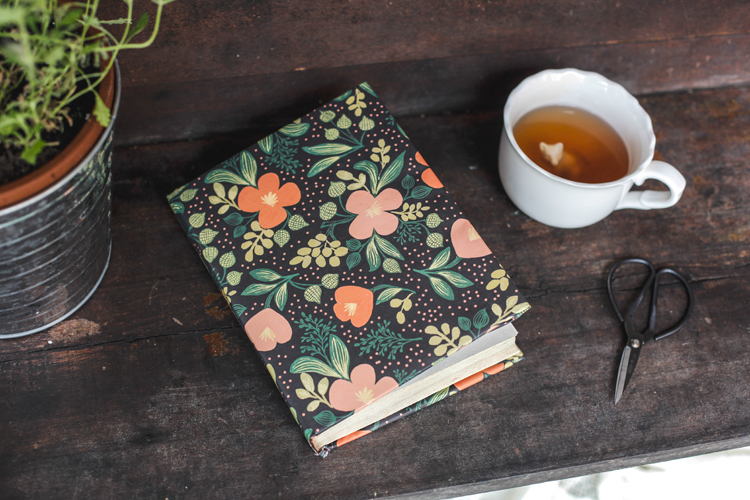
16. Floating shelf reading nook tray
Build or buy a narrow ledge deep enough for a current book, reading glasses, and a small lamp. Add a lip or bookend so volumes do not slide off. Mount at armchair height. The project is carpentry-light and changes how often you actually sit down to read.
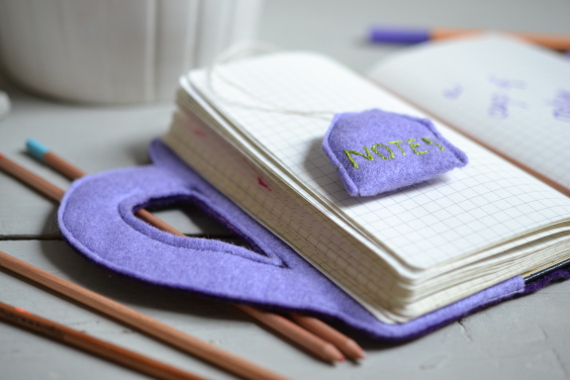
17. Cup-themed notebook cover
Decorate a plain notebook with fabric, paper, or paint in a café motif—or literally wrap it to echo a favorite mug. Add a pocket inside the front cover for receipts and quotes on scraps. It is a cheerful home for reading notes and coffee-shop lists.
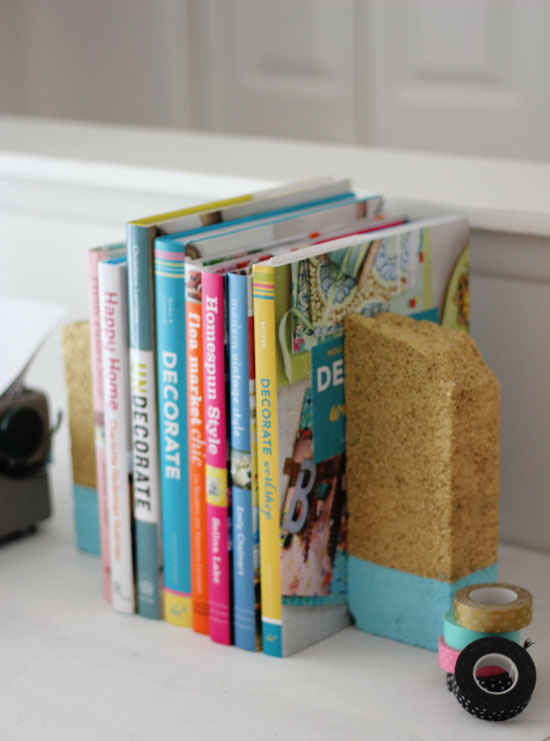
18. Dipped brick bookends
Clean two matching bricks, sand rough corners, and dip or paint the lower half in bold color or metallic. Felt the bottoms so they do not scratch shelves. Bricks are cheap, heavy, and honest-looking beside clothbound spines.
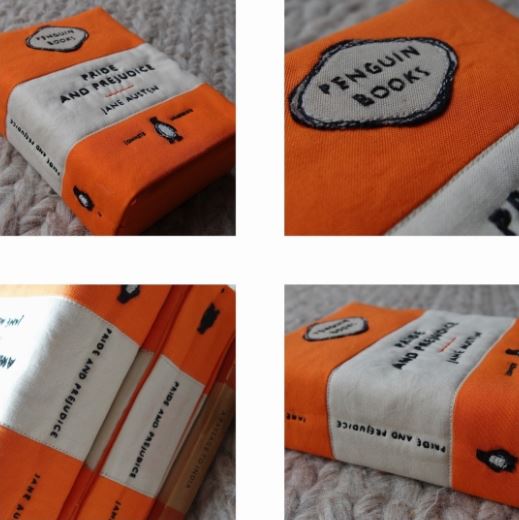
19. Quilted book clutch
Sew a rectangular clutch the size of a paperback with a quilted exterior and a zipper or magnetic snap. Pad lightly so corners of the book stay protected in a bag. Optional: a clear ID window for a library card. This is the commute project for people who live in their tote.
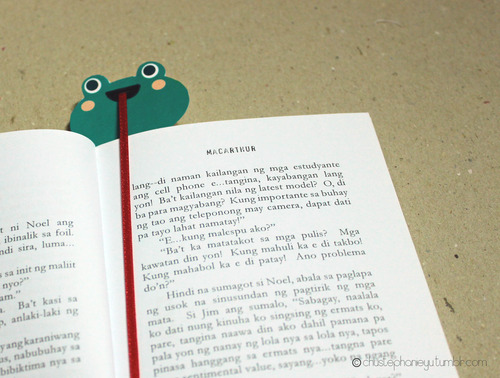
20. Character corner bookmarks and rock bookends
Fold corner bookmarks from colored paper and draw simple animal faces on the pocket, or paint a pair of smooth heavy rocks in coordinated colors with a clear sealer for bookends. Both finish in an evening. Keep rocks felted on the bottom; keep paper bookmarks away from damp bathroom reading.
Choose one shelf project and one portable project—maybe dipped bricks and a ribbon bookmark—so the craft habit supports the reading habit instead of replacing it. The best DIY for a book lover is the one you still use after the glue dries.

Comments
Continue reading
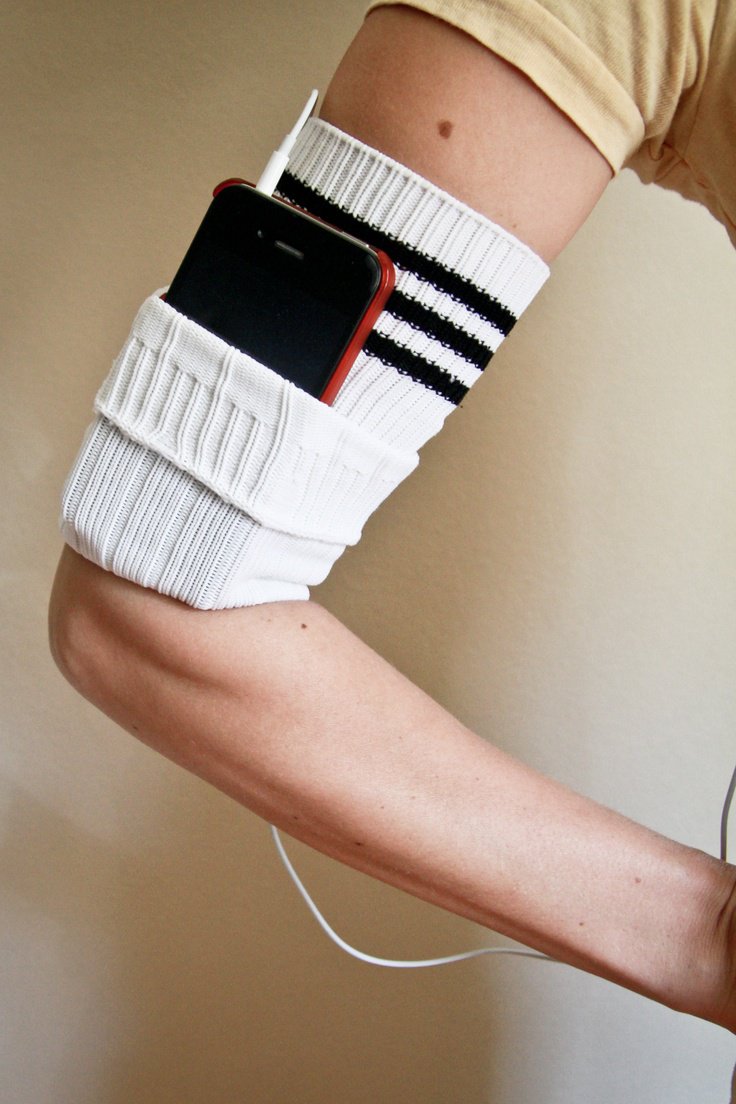
DIY Ideas for Old Socks: Rugs, Puppets, Mittens, and More
Sort leftover socks by fiber, then turn them into braided rugs, hand puppets, soft toys, mittens, and pin cushions with practical cutting and sewing tips.
DIY Ideas with Lace Doilies
Upcycle heirloom lace doilies into framed art, runners, pillows, lamps, and more—practical craft projects that keep the crochet visible.
Toilet Paper Roll Crafts: Organizers, Toys, and Ornaments
Cardboard tubes become pencil holders, wreaths, cord cubbies, monsters, race cars, ornaments, and more—structural DIY distinct from magazine-page crafts.