
15 Hilarious and Creative Advertisements
Fifteen funny ad concepts—from spicy Pringles balloons to courier eggs and mouthwash ambulances—that sell with one clear visual punch line.

Funny advertising works when the joke and the product share one clear idea. The fifteen campaigns below—snack heat, 3D television, sound design, sport retail, high-speed rail, watches, couriers, health causes, toothpaste, mouthwash, pet dental treats, industrial lubricants, magazines, and a news brand—use visual punch lines instead of long copy. Only one still from the original gallery remains locally; the concepts still reward a close look at how humor sells without a hard sell speech.
Great ads do not explain the gag in a paragraph. They stage it, then get out of the way.
1. Pringles Hot and Spicy – Hot Air Balloon
Heat as lift: a hot-air balloon built from the logic of a spicy canister turns “hot and spicy” into a sky-ready prop. The humor is literal—spice equals hot air—while the can silhouette stays unmistakable. Food ads often lean on steam and red peppers; this one borrows adventure imagery and still reads as chips from across a scroll.
2. Panasonic 3D TV – Dino
A dinosaur crashing out of the living room is the classic 3D demo joke: depth so convincing it breaks the furniture. Panasonic’s dino gag sells immersion without a spec sheet. Viewers remember teeth and living-room chaos; the brand rides the memory of almost being eaten by a pixel.
3. Electric Art – Inflatable Man
Inflatable tube men are already comic before an agency touches them. Framing that flailing roadside figure as “electric art” flips nuisance into billed creativity. The laugh comes from elevating something everyone has mocked into a gallery object—then tying the bounce to an energy or entertainment brand that thrives on motion.
4. Ztrackz Sound Design – Dentist
Sound designers sell invisible craft. A dentist chair—drill whine, suction, nervous small talk—is a shared audio nightmare. Linking studio skill to that tense soundscape says: we hear what you hear, and we can shape it. Humor softens a B2B pitch that might otherwise stay trapped in waveform screenshots.
5. Intersport – Free your sport
“Free your sport” plays like a liberation slogan: gear, body, and play untangled from stiff rules. Creative executions in this family often show athletes escaping mundane settings—office chairs, elevators, polite sidewalks—into motion. The joke is constraint; the product is permission to move.
6. Eurostar – The Barber
High-speed rail ads sell time. A barber-themed Eurostar piece leans on the idea that London–Paris (or the reverse) fits inside an ordinary personal errand—short enough that grooming and travel share a punch line. Speed becomes lifestyle comedy rather than a timetable graphic.
7. Seiko – Wake up
Watch brands love precision; wake-up ads love cruelty. An alarm that refuses to be ignored—visualized as chaos, military timing, or an unreasonably cheerful sunrise—makes punctuality funny. Seiko’s name sits next to the moment you hate most in the morning, which is oddly effective branding for something you strap to your wrist.
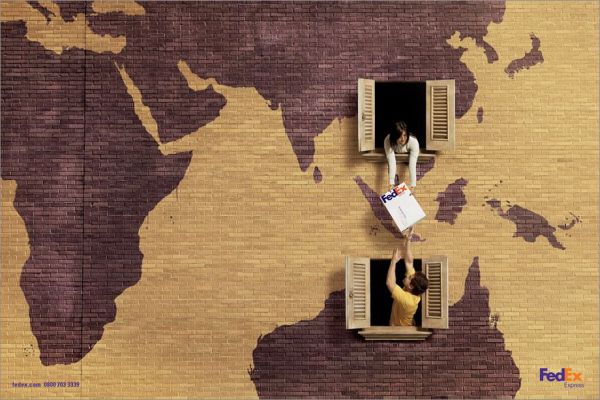
8. Sedex Express Courier – Egg
An egg is the universal fragile-cargo metaphor. Courier humor that balances shell-thin risk with on-time swagger says: we handle the breakable stuff. No manifesto required—just yolk-level stakes and a logo that promises the egg arrives intact.
9. League Against Cancer – Beach
Cause ads walk a narrow line between scare and share. A beach execution can contrast carefree sun culture with skin-risk reality, or stage recovery and vigilance in a place associated with ease. The “hilarious” label fits only when wit sharpens the warning instead of mocking patients; the best versions make sunbathers rethink a habit without a lecture tone.
10. Aquafresh Flexigel – Nose
Flexigel’s selling point is bend and reach. Putting that flexibility next to a nose—awkward angles, tight spaces, the comedy of contortion—translates a toothpaste tube feature into a sight gag. Oral care rarely feels playful; a nose joke breaks the clinical mood.
11. Listermint Mouthwash – Ambulance
Bad breath as emergency: an ambulance visual turns social panic into parody. Mouthwash ads have long used “close talker” fear; the ambulance escalates it to public-service theatrics. You laugh, then remember the bottle.
12. 8 in 1 Dental Snacks – Bad dog breath
Pet dental treats inherit human mouthwash humor and add fur. “Bad dog breath” needs almost no setup—anyone who has been kissed by a labrador gets it. The ad wins when the dog remains lovable while the breath is the villain, so the treat feels like kindness, not scolding.
13. Spanjaard – Sweat
Industrial lubricants and anti-seize products live in garages, not lifestyle feeds. A sweat-themed gag—friction, heat, stuck parts, human effort—translates workshop pain into a wink. Technical brands that allow a little slapstick become memorable in categories where catalogs usually look identical.
14. Ché Magazine – Affair
Magazine ads sell attitude as much as pages. An “affair” concept flirts with secrecy, temptation, and late-night reading—positioning the issue as something you hide or confess. Provocation works when it matches the title’s editorial voice; mismatched shock just looks desperate.
15. CNN Turk – Robbery
News brands promise vigilance. A robbery-themed creative can flip that promise into dark comedy: coverage so sharp it feels like catching the thief mid-act, or a visual that treats breaking news as a heist you watch unfold. The risk is trivializing crime; the reward is a channel identity that feels alert rather than blandly corporate.
What these ads share
Each piece hangs on one metaphor you can sketch in a single frame: spice as balloon, depth as dinosaur, fragility as egg, breath as siren, speed as errand. That economy is why they still circulate as “hilarious creative advertisement” lists years later. Specs fade; the gag remains searchable.
If you make ads—or only collect them—ask whether the joke needs a caption. If it does, the idea is not finished. If a stranger can guess the category from the picture alone, you are in the same family as these fifteen. Keep the brand mark quiet enough that the punch line speaks first, then let the product take the credit for the laugh.
Humor in advertising is not a license to be mean. The campaigns that age well punch toward tension everyone already feels—heat, lateness, fragility, awkward closeness—not toward people who cannot punch back. That is the difference between a creative ad people save and a cheap joke people scroll past.

Comments
Continue reading
15 Creative Advertising Moves: Humor, Craft, and Ideas That Stick
Fifteen craft principles for creative and funny ads—one idea, visual puns, medium tricks, contrast, and clarity that still earns attention.
Beautifully Timed Photos: Funny, Ironic, and Decisive Moments
A look at photographs where perfect timing creates comedy, irony, or quiet beauty—and how photographers catch those coincidences.
Funny Animal Signs That Warn People (While Animals Ignore Them)
From a seagull on a no-birds disc to classic zoo and park ironies—why animal warning signs get funny, and what the rules are still for.