
15 Creative Advertising Moves: Humor, Craft, and Ideas That Stick
Fifteen craft principles for creative and funny ads—one idea, visual puns, medium tricks, contrast, and clarity that still earns attention.

Creative advertisements earn attention the hard way: they interrupt habit without feeling like spam. Funny ads, clever print executions, and visual puns still travel because they respect the viewer’s intelligence—one strong idea, delivered cleanly. This collection revisits that spirit with fifteen creative advertising moves worth studying, whether you design campaigns, pitch clients, or simply enjoy ads that make a day better. (Think of it as a Part 2 mindset: more craft notes, less fluff.)
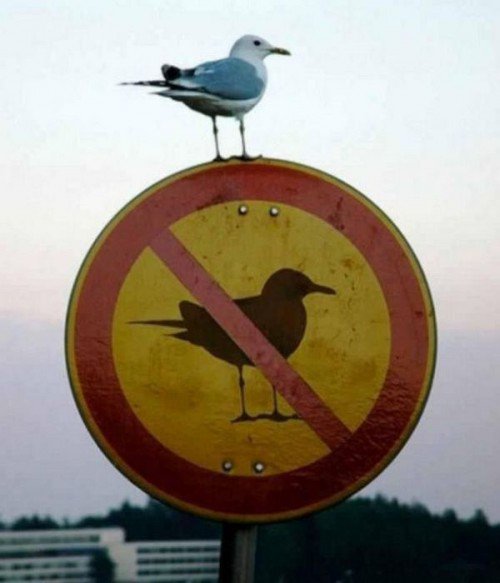
The image above is a reminder that creative ads are often visual first. Text supports the joke or the insight; it rarely carries the whole load. Use the fifteen principles below as a checklist when you look at outdoor boards, magazine spreads, social stills, or classic print work.
1. One idea, not five
The best creative advertisements refuse to multitask. They pick a single insight—safety, freshness, speed, status, thrift—and dramatize it. If you need a footnote to explain the joke, the idea is not finished. Strip until the concept can be sketched on a napkin.
2. Make the medium part of the gag
Bus shelters, bottle labels, floor stickers, and empty space on a page can all become props. When the format participates, the ad feels invented rather than pasted. Ask what only this placement can do that a generic banner cannot.
3. Visual puns beat verbal lectures
A picture that completes a double meaning will outpace a paragraph of claims. Puns work when both readings are fair: the literal image and the brand meaning should click at the same moment. Forced wordplay with no visual support ages poorly.
4. Surprise without cruelty
Humor that punches down rarely ages into “creative classic” status. Surprise can be sharp; meanness usually just looks cheap. Aim for recognition—“I’ve felt that”—instead of humiliation of a stereotype.
5. Scale the ordinary
Giant everyday objects, tiny monumental ones, or extreme close-ups of familiar products reframe attention. Scale tricks are old, but they still work when tied to a product truth (big appetite, small price, huge relief).
6. Leave room for the viewer
Ads that finish the sentence for the audience feel like ads. Ads that invite the audience to finish the thought feel like creativity. A half-open metaphor, a missing word, or a silent reaction shot can be more persuasive than a slogan that shouts.
7. Craft the silence
White space is not wasted inventory. In print especially, emptiness can be the punchline: a lonely product, a tiny logo, a vast field that sells calm or exclusivity. Crowded layouts signal insecurity.
8. Tell a three-second story
Beginning, twist, payoff—compressed. Outdoor and social stills rarely get more than a glance. Design the sequence so a hurried passerby still gets the arc: setup in the image, twist in the juxtaposition, brand as the reason it matters.
9. Borrow culture carefully
Memes, film references, and seasonal rituals can turbocharge recognition. They can also date an ad overnight. Use culture when it clarifies the brand truth, not when it is a costume for a weak idea.
10. Let product demonstration be witty
Before-and-after, stress tests, and “watch this work” demos do not have to be dull. A clever demonstration is still a demonstration—honest about what the product does, playful about how you show it. Wit without proof is decoration; proof without wit is a manual.
11. Contrast is a strategy
Black next to neon, silk next to grit, luxury next to mess—contrast creates meaning faster than adjectives. Pair opposites that illuminate the brand promise: tough but gentle, fast but precise, cheap but proud.
12. Typography can be the hero
Sometimes the creative idea is lettering itself: a word that becomes a shape, a headline that acts out the benefit, type that breaks, melts, or stacks into a visual. If the type vanished, would the idea survive? If not, design the type with the same care as a photograph.
13. Respect local context
A joke that sings in one city can flop or offend in another. Creative advertising that travels well either uses universal human moments or is rewritten for place. Translation is not enough; cultural timing matters.
14. End on the brand, not the joke
Funny ads fail when people remember the punchline and forget who paid for it. The brand should feel inevitable at the end—logo placement, product role, or verbal lockup that resolves the gag. If the joke works without the product, you made entertainment, not advertising.
15. Test for clarity, not just cleverness
Show the ad to someone outside the team for five seconds. Ask what the product is and what it promises. If they laugh but cannot answer, revise. Creative advertisements that last are clear first and clever second—or clever in a way that is also clear.
How to look at ads like a maker
When you scroll “creative ads” galleries, slow down. Name the insight in one sentence. Note the medium. Spot whether humor, scale, contrast, or craft is doing the heavy lifting. Save examples that teach a technique you can reuse, not only examples that made you smile once.
Teams that produce consistently strong work keep a swipe file organized by craft move—not by brand category alone. A great outdoor pun and a great silent print ad may belong next to each other because both leave space for the viewer. That kind of library beats a folder of random “cool ads.”
If you are briefing an agency or freelancers, ask for the idea in a sentence before you ask for layouts. If the sentence is muddy, no amount of polish will save the campaign. If the sentence is sharp, even a simple execution can feel creative.
Why funny and clever ads still matter
Attention is expensive. Creative advertisements buy a little goodwill with wit and craft. They will not replace strategy, distribution, or a decent product—but they can make people stop, share, and remember. In a feed full of interchangeable claims, that pause is the whole game.
Keep collecting work that surprises you without confusing you. Study the fifteen moves above against the next board or banner you admire. When your own project needs lift, pick one move—one idea, one medium trick, one contrast—and execute it cleanly. That is still how creative advertising earns the right to interrupt someone’s day.

Comments
Continue reading

15 Hilarious and Creative Advertisements
Fifteen funny ad concepts—from spicy Pringles balloons to courier eggs and mouthwash ambulances—that sell with one clear visual punch line.

Beautifully Timed Photos: Funny, Ironic, and Decisive Moments
A look at photographs where perfect timing creates comedy, irony, or quiet beauty—and how photographers catch those coincidences.
Funny Animal Signs That Warn People (While Animals Ignore Them)
From a seagull on a no-birds disc to classic zoo and park ironies—why animal warning signs get funny, and what the rules are still for.