
Waterproof Boots for Rainy-Day Outfits
Rubber, treated leather, tall shafts, and transparent shells — how to stay dry and still look put together when the sidewalk shines.
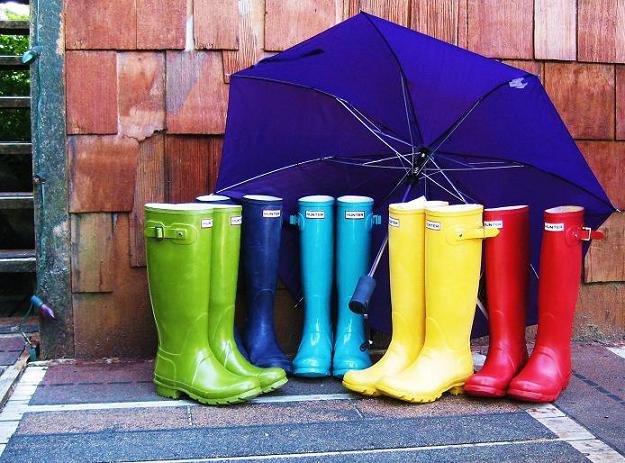
Rain does not cancel style; it changes the materials you trust. Waterproof boots are the difference between an outfit that survives a wet commute and one that looks intentional for exactly one block before socks go cold. Rubber, treated leather, and modern waterproof membranes all work — if you match shaft height, sole grip, and silhouette to the clothes you actually wear on stormy days.
This is a practical styling guide: how to choose boots that keep water out, how to pair them with skirts, trousers, and coats, and how to avoid the “costume rain gear” look. No retailer crawl — just decisions that hold up when the forecast is gray.
What “waterproof” actually means
Not every shiny boot is sealed. True waterproof footwear either uses a continuous rubber or PVC shell, or a leather/fabric upper with sealed seams plus a waterproof membrane and a gusseted tongue. Water-resistant leather can handle mist and short walks; standing puddles and all-day rain need more.
Check three places first: the seam where the sole meets the upper, the zipper or lace opening, and the lining. A cute shaft that dumps water down your sock when you step into a curb lake is not waterproof in practice. Removable insoles help drying overnight; fixed wet foam stays sour.
Grip matters as much as dryness. Smooth fashion soles turn painted crosswalks into ice. Look for a tread that can handle wet leaves and subway stairs. A slight heel can keep the toe out of shallow water; a sky-high heel in a storm is a bet against yourself.
Silhouettes that work in rain
Classic mid-calf rain boots. The default for a reason. They cover the vulnerable gap between ankle and pant hem, slide on fast, and pair with jeans rolled once or with opaque tights under a skirt. In a solid color — black, navy, olive, burgundy — they read as intentional footwear, not novelty.
Tall shafts. Useful when you wear dresses or wide-leg trousers that might otherwise slap wet pavement. Tall boots also keep wind-driven rain off the calves. If your office is heated and dry, pack thinner socks or a change of footwear so you do not bake all afternoon.
Ankle and Chelsea waterproof styles. Cleaner with cropped pants and city coats. They demand better rain management: shorter hems, waterproof trousers, or a willingness to accept splash risk. Best for showers rather than flooded streets.
Slouchy and soft-looking rubber. Softer lines under coats and knit dresses. Make sure “slouch” is design, not a collapsing cheap shaft that rubs blisters. A little structure at the ankle still helps when you walk fast.
Transparent and translucent shells. A modern option that shows sock or pant color underneath. They brighten gray days and photograph well, but show scuffs and water spots more honestly. Keep the rest of the outfit simple so the boot remains the playful note.
Leather waterproof boots. More polished for work when properly treated. Condition them, reseal when water stops beading, and accept that leather needs maintenance rubber does not. They reward people who want rain gear that still looks like a regular boot indoors.
Building rainy-day outfits
Start from the hem and work up. Boots set the lower weight of the look; coats and bags should match that seriousness. A delicate sandal-season dress with clown-bright boots can work if you mean it — otherwise, ground the outfit with denser fabrics: wool, coated cotton, denim, leather, knit.
With skinny or slim pants. Tuck or stack neatly into mid-calf boots so fabric does not balloon with water. Dark denim or black trousers look sharpest. Add a longer coat so the vertical line stays unbroken from shoulder to sole.
With skirts and dresses. Opaque tights or thicker socks prevent the cold gap. Midi lengths that clear the boot shaft look deliberate; micro lengths can look unfinished unless the boots are clearly the statement. A trench or wrap coat ties the silhouette together.
With wide trousers. Crop to show the boot, or choose a boot tall enough that fabric does not drag. Dragging hems collect dirty water and erase the outfit’s shape. A belted coat keeps volume from turning into a wet tent.
Color strategy is simple. One bright boot can lift an all-neutral coat-and-jean uniform. Matching boot to coat (black on black, camel on tan) looks expensive. Matching boot to umbrella is optional charm; matching boot to three other loud accessories is chaos. On dark days, a single saturated color at the feet is often enough.
Details that separate “dressed” from “survived”
Socks are part of the outfit. Ribbed knits peeking above a shaft look styled. Thin dress socks inside tall rubber boots feel clammy and slide. Merino blends manage moisture better than cotton once you start walking. Keep a dry pair at work.
Bags should be water-aware: coated canvas, leather you have treated, or a backpack that sits under a coat hood. A suede tote in a downpour fights your boots’ entire purpose.
Outerwear length matters. Cropped jackets leave a wet midriff of fabric above the boot line. Mid-thigh to knee-length coats protect the outfit you spent time choosing. Hoods beat umbrellas when wind is horizontal, but umbrellas protect shoulders when you care about hair and wool nap.
Care so they last more than one season
Rinse road salt and mud; wipe rubber with a damp cloth; dry away from direct radiators that can warp shafts. Stuff with newspaper overnight after a soaking day. Store standing or on boot shapers so they do not crease into permanent cracks.
For leather, clean, condition, then waterproof spray or wax on a schedule that matches how often you wear them in rain. Reapply when water stops beading. Replace worn heel taps before water finds the seam.
Rotate if you can. Two pairs — one rubber for floods, one leather waterproof for dressier wet days — cover more of real life than one novelty print you refuse to wear to the office.
Quick rainy-day formulas
- Commute: mid-calf black or navy boots, slim dark jeans, long coat, backpack under the coat.
- Weekend: olive or burgundy boots, knit dress or skirt with tights, trench, simple crossbody.
- Office shower: polished waterproof leather ankle or mid boots, tailored trousers cropped clean, structured coat.
- Heavy rain: tall rubber shafts, synthetic or treated outer layers, socks you can change, grip-first soles.
Buy for the wettest day you still leave the house. If a boot only works in a light mist and a fashion shoot, it is a prop. The pair you reach for when the sidewalk is shining — dry feet, steady step, coat and hem under control — is the one that earns space by the door.

Comments
Continue reading
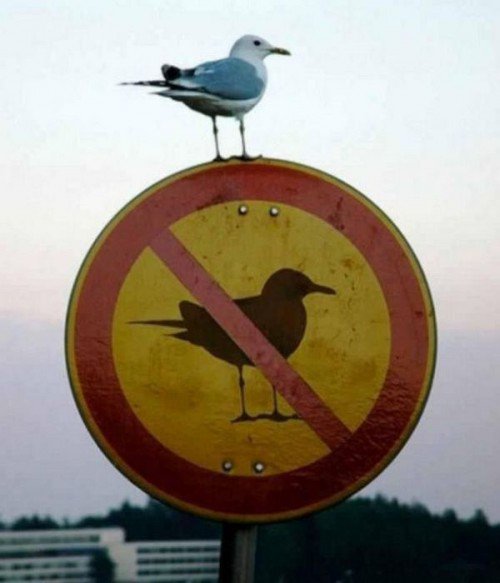
Funny Animal Signs That Warn People (While Animals Ignore Them)
From a seagull on a no-birds disc to classic zoo and park ironies—why animal warning signs get funny, and what the rules are still for.

How to Find Local Amenities on Vacation: Mechanics, Haircuts & More
Locate trustworthy local services and everyday spots while traveling or settling in—using publications, reviews, map apps, neighbor tips, and low-pressure exploration.

Kristen Stewart for V Magazine, Spring Preview 2013
V81’s Wild at Heart cover story—Kristen Stewart shot by Inez & Vinoodh, styled by Joe McKenna, in pale minimal spring glamour.