
Wake Up and Be Caffeinated
A coffee-culture photo feature on morning rituals, café life, home brew corners, and how cups, steam, and shared breaks look—and feel—without medical hype.
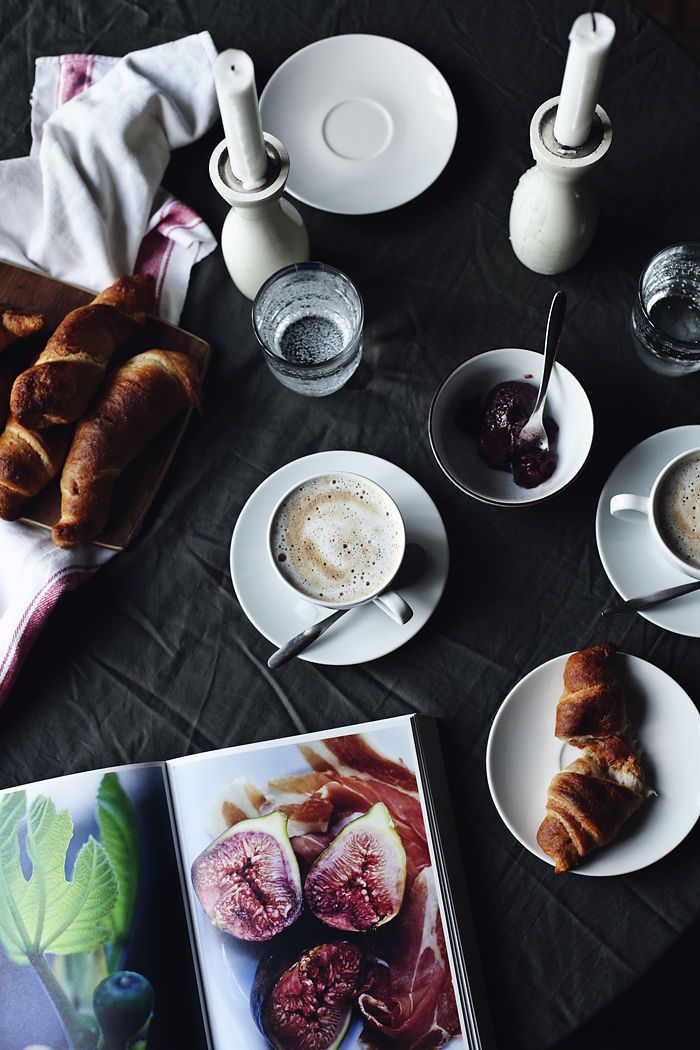
Morning coffee is less a single drink than a small ceremony with endless dialects. Some people want it black and unadorned; others build a day around foam, chocolate, or a long milky pour. Espresso, latte, mocha, filter—the labels change, the pause stays familiar. Coffee breaks pull people into the same patch of light, the same shared table, the same brief truce before the next task.
This is a visual walk through that culture: cups, hands, café counters, and quiet kitchen rituals. No lab coats and no miracle promises—just the sensory side of waking up caffeinated, the way steam, ceramic, and brown liquid photograph like comfort you can hold.
The first cup as a daily landmark
For many households the kettle or machine is the day’s true alarm. The smell arrives before the taste. Grind size, water temperature, and brew time are geek territory for some and pure habit for others. What matters culturally is the landmark: sit, sip, start. Offices and studios borrow the same landmark at scheduled breaks, turning a shared pot into a social clock.
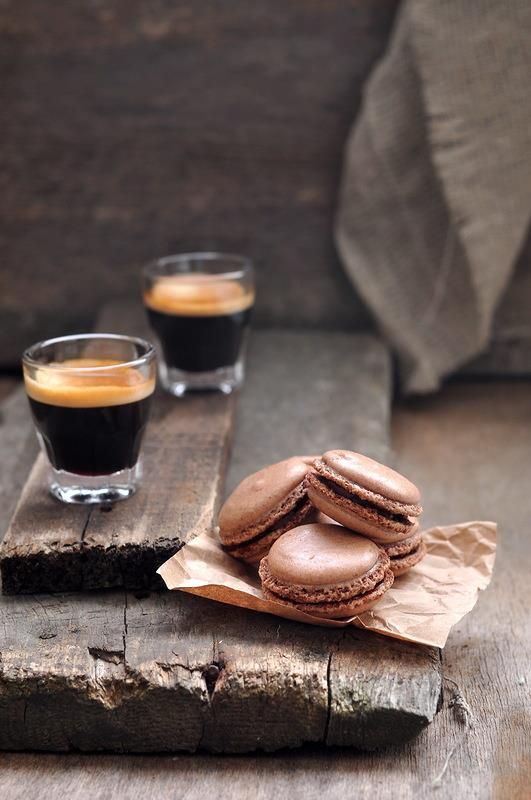
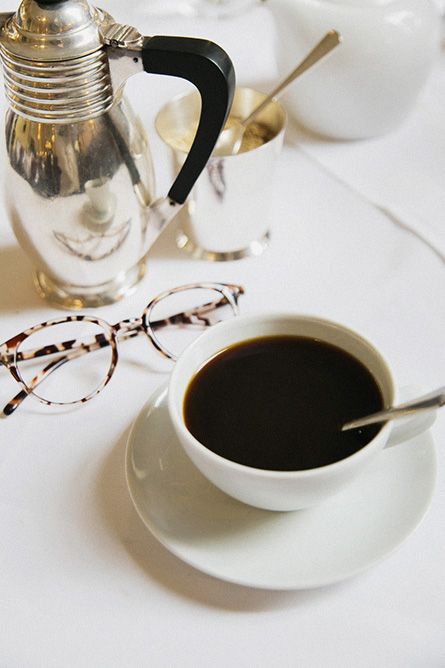
Black coffee keeps the bean’s roast character up front—fruit, chocolate, smoke, or nuts depending on origin and process. Milk softens edges and adds sweetness without sugar. Espresso concentrates the experience into a short, intense visit. None of these is morally superior; they are different tempos for the same instrument. A paper cup on a train platform and a porcelain cup at a quiet table both count as real coffee culture.
People argue about “right” methods because ritual invites identity. The healthier stance for everyday life is curiosity: notice what you actually enjoy on a Tuesday, not what a leaderboard says you should enjoy.
Café culture in plain sight
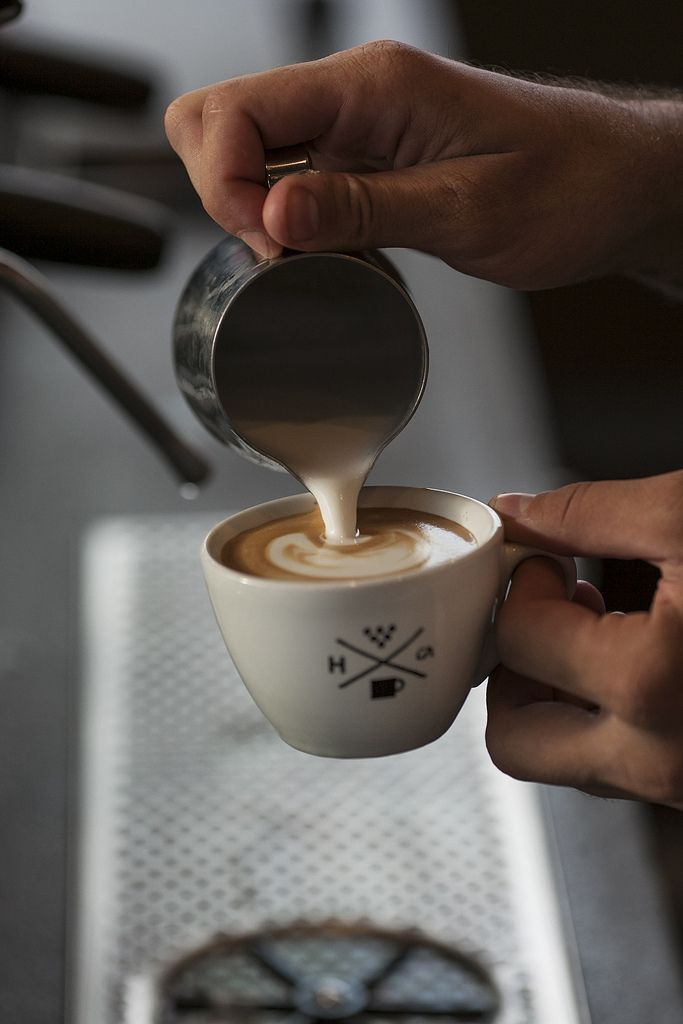
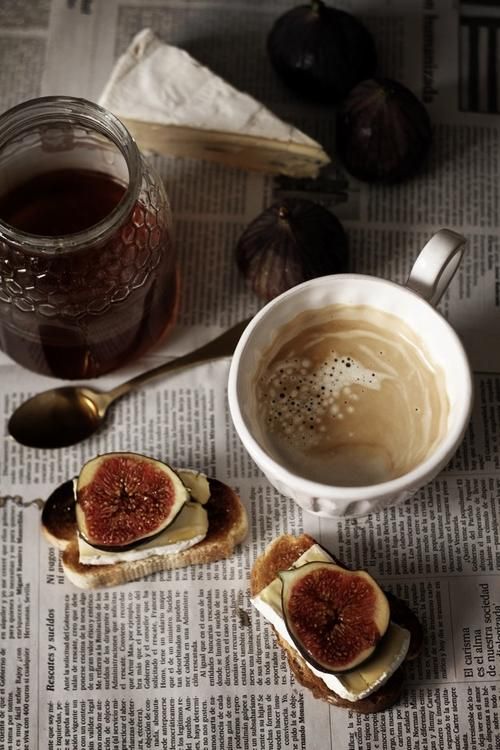
Cafés succeed when they offer more than caffeine. Light, seating, and the permission to linger matter as much as the menu board. A good counter invites watching the pour; a good corner table invites conversation that would feel rushed on a sidewalk. Laptop culture and old-fashioned newspaper culture share the same rooms now, sometimes awkwardly, sometimes easily.
Baristas become local weather reports—remembering orders, warning about a loud blender, nodding at regulars. The choreography of steam wands and knock boxes is part of the show. Photographers love it because motion and still life collide: hands, metal, crema, chalk menus. Even the soundscape matters—the hiss, the knock, the low talk—though a photo can only imply it.
Neighborhood cafés also map cities for travelers. One stop teaches which beans are local favorites, which pastries disappear by ten, and whether the room prefers quiet or chatter. That soft intelligence is why coffee shops remain travel infrastructure as much as hospitality.

Home rituals and small tools
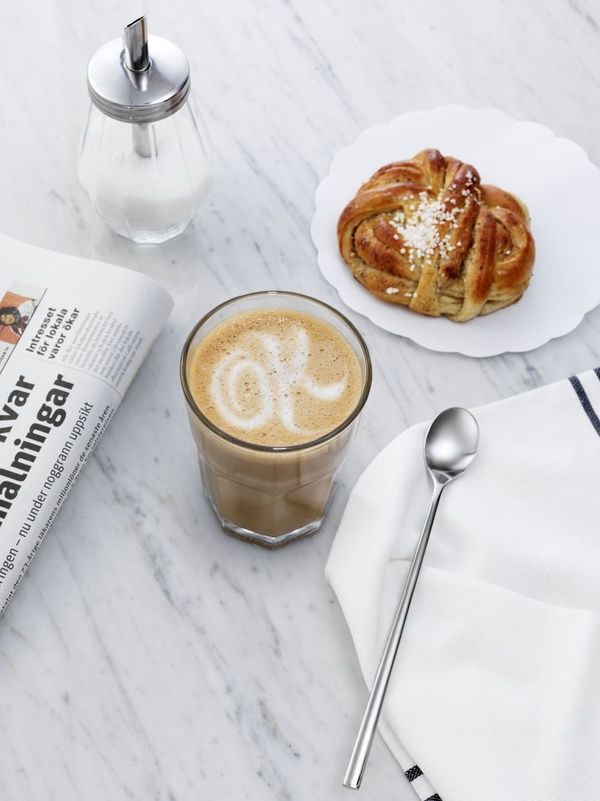
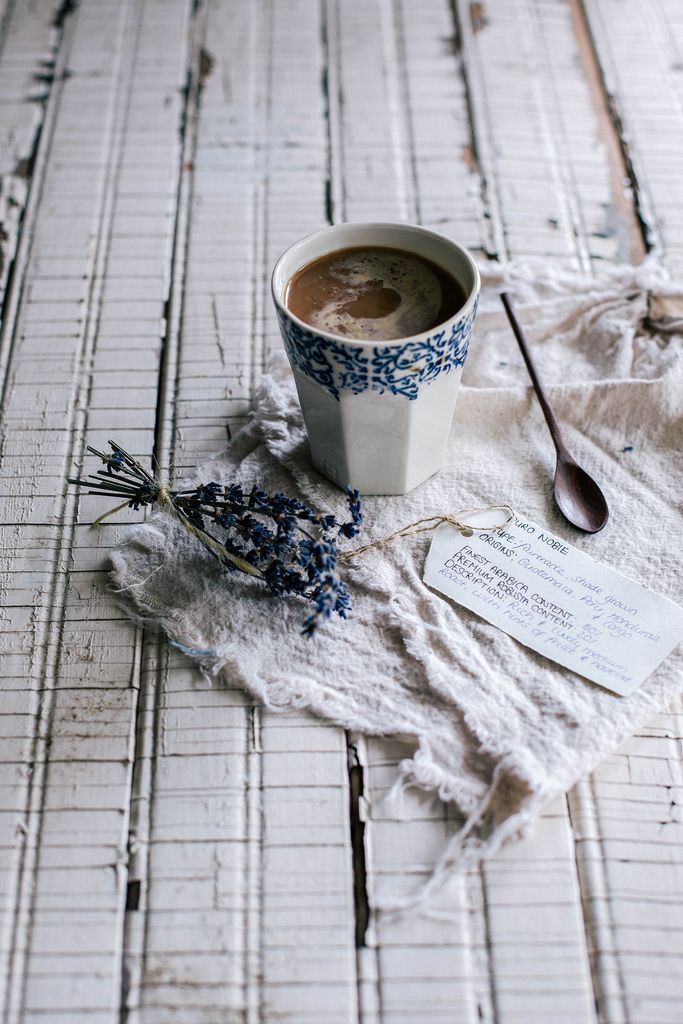
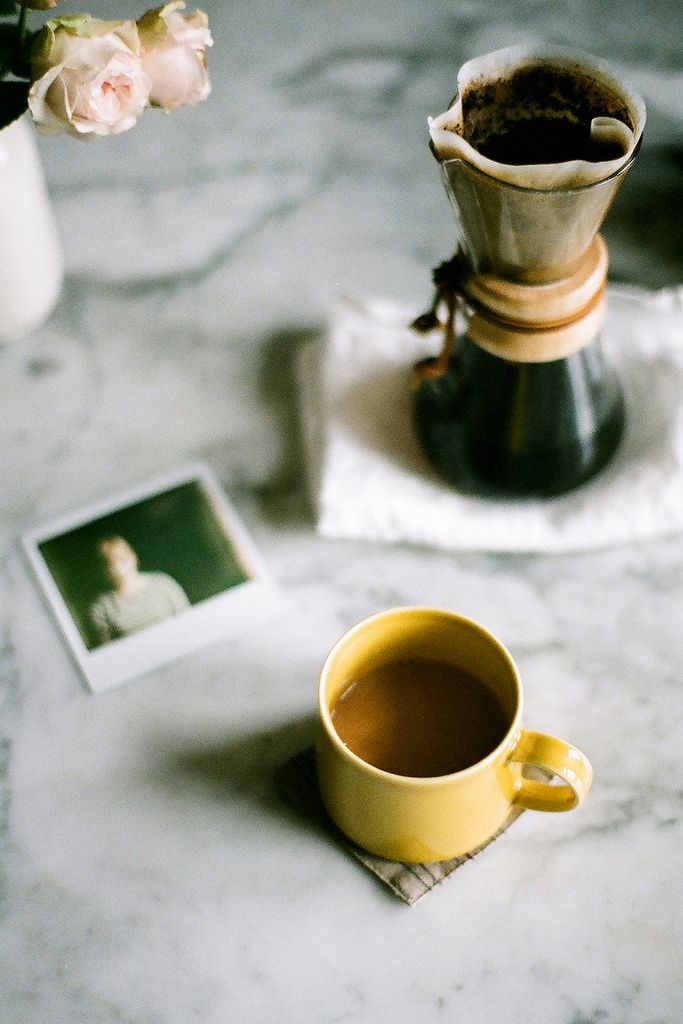
Home coffee can be as simple as a drip pot or as considered as a pour-over kettle and scale. French presses, moka pots, and capsule machines each create a different morning personality. The shared trait is repetition: same mug, same shelf, same few minutes of waiting that somehow feel earned.
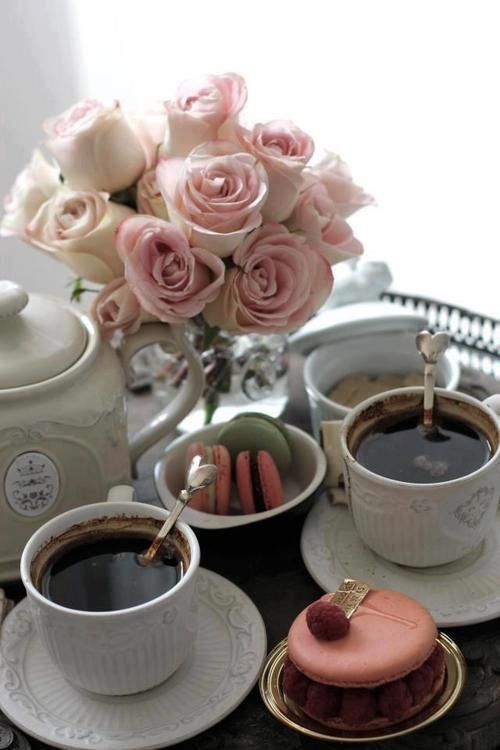
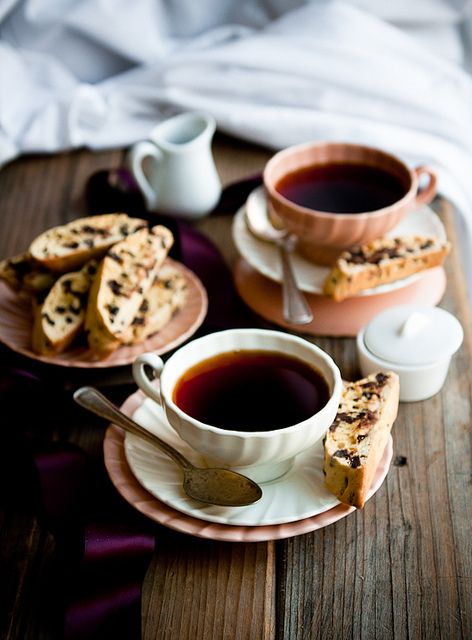
Styling a home coffee corner does not require a showroom. A tray, a favorite cup, a small bag of beans, and decent light near a window already photograph warmly. Keep tools you actually use within reach; decorative machines that never brew become guilt furniture. Wipe the counter; crumbs in a coffee photo read as life, but yesterday’s ring stains rarely do.
If you share a kitchen, negotiate the ritual kindly. Label milks, rinse the press, and leave the grinder ready for the next person. Domestic coffee culture fails faster from mess than from mediocre beans.

How coffee looks on camera
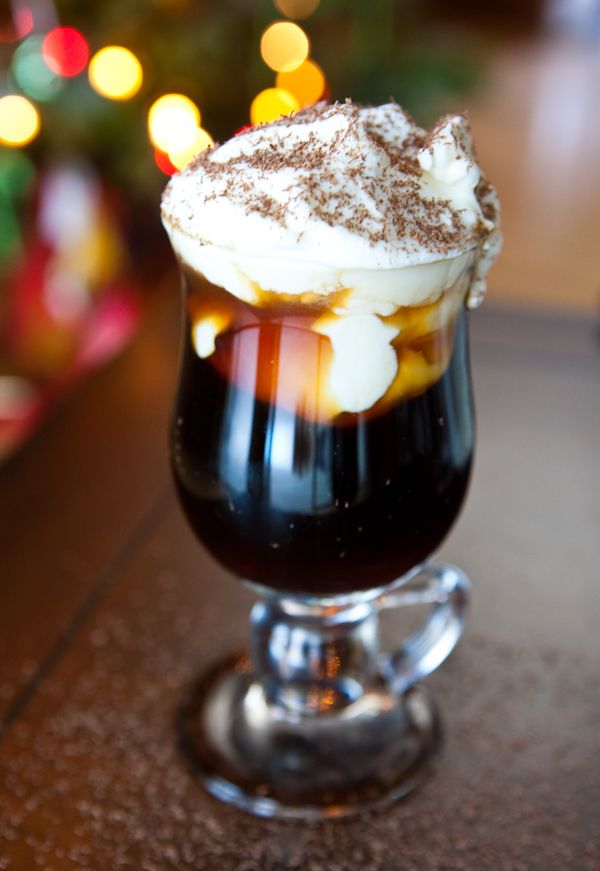
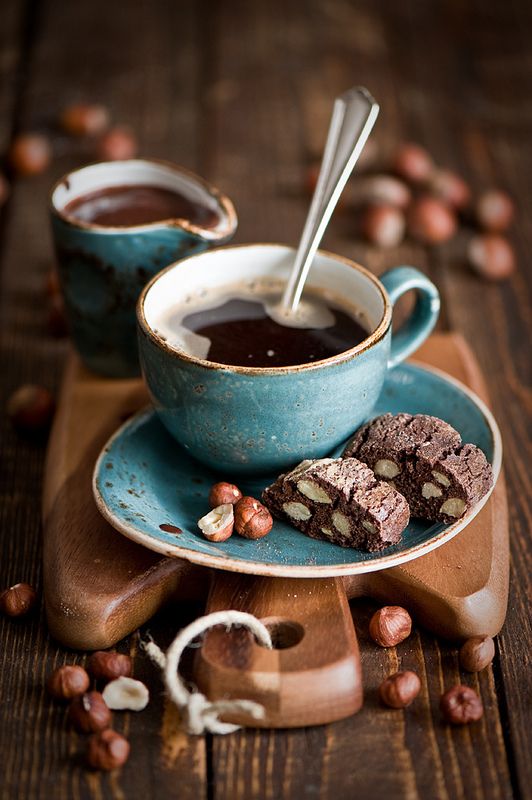
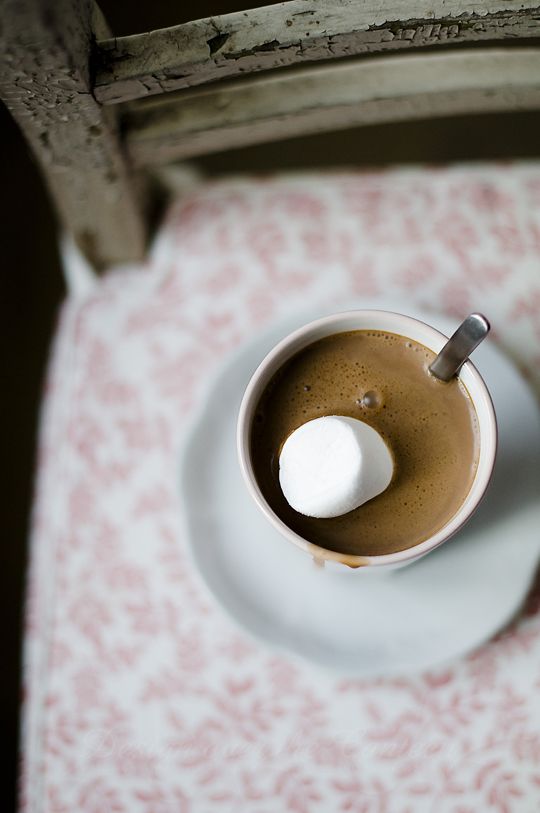
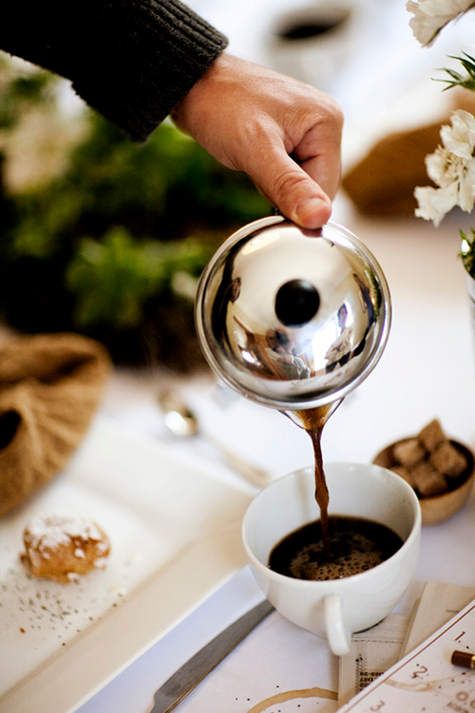
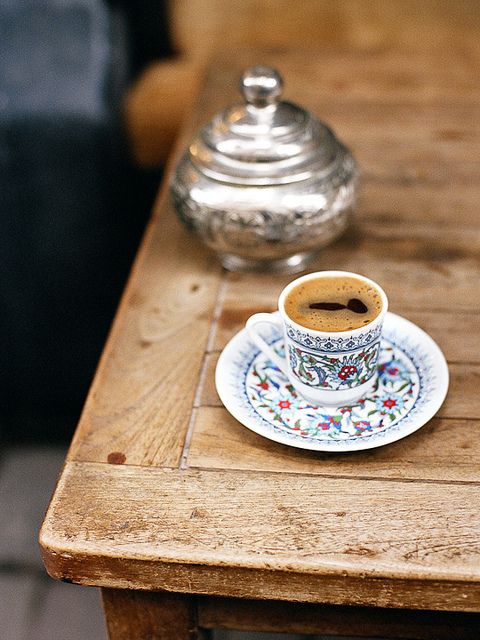
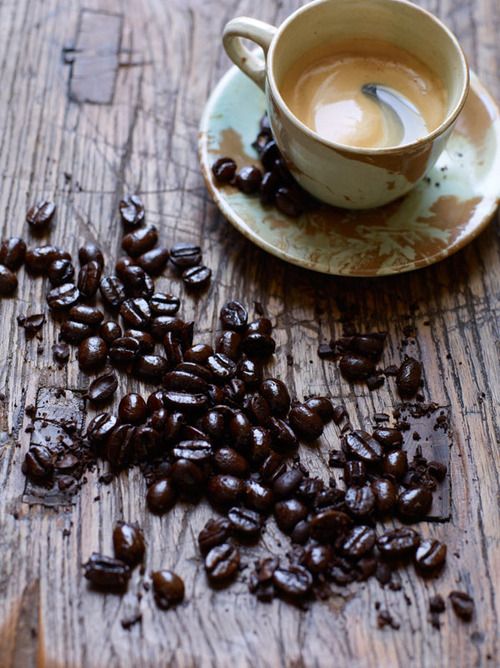
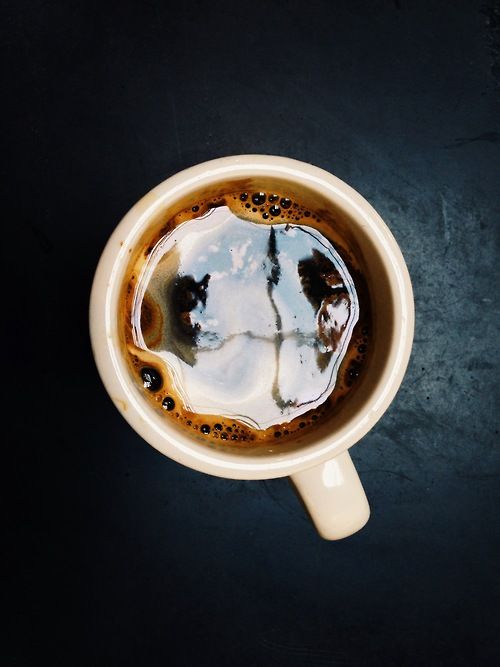
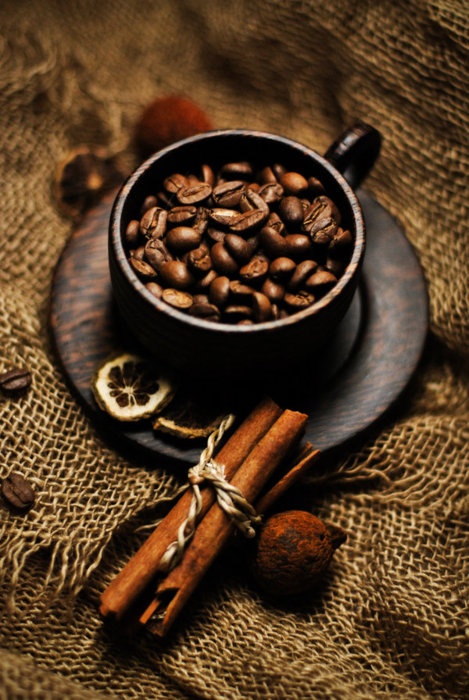
Brown liquids need careful light. Side light shows steam and surface sheen; overhead light can flatten crema into a dull disk. White cups bounce brightness; dark cups make foam glow. Saucers, spoons, and scattered beans give scale. Hands entering the frame turn a still life into a story about time of day.
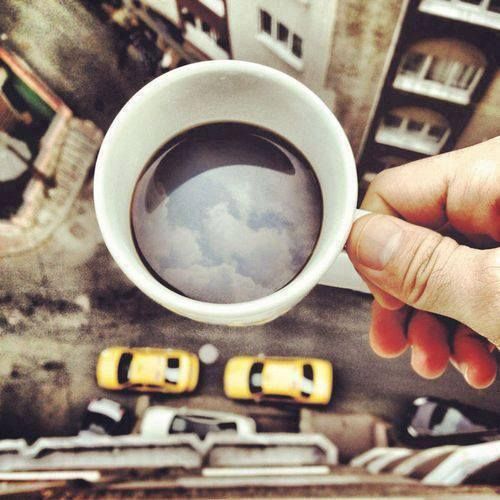
Shallow depth of field is almost a cliché in coffee photography—and still works when the focus lands on the rim or the first ripple after a pour. Wider frames that include a street window or a messy desk feel more honest than endless marble-board flat lays. Mix both if you are building a set: one intimate cup, one environmental café frame, one detail of beans or tools.
Color grading should stay warm without turning every image into caramel syrup. Keep whites white enough that ceramic still reads as ceramic. If you shoot for a blog or a personal album, consistency across cups matters more than any single heroic pour shot.

Milk drinks, toppings, and seasonal moods
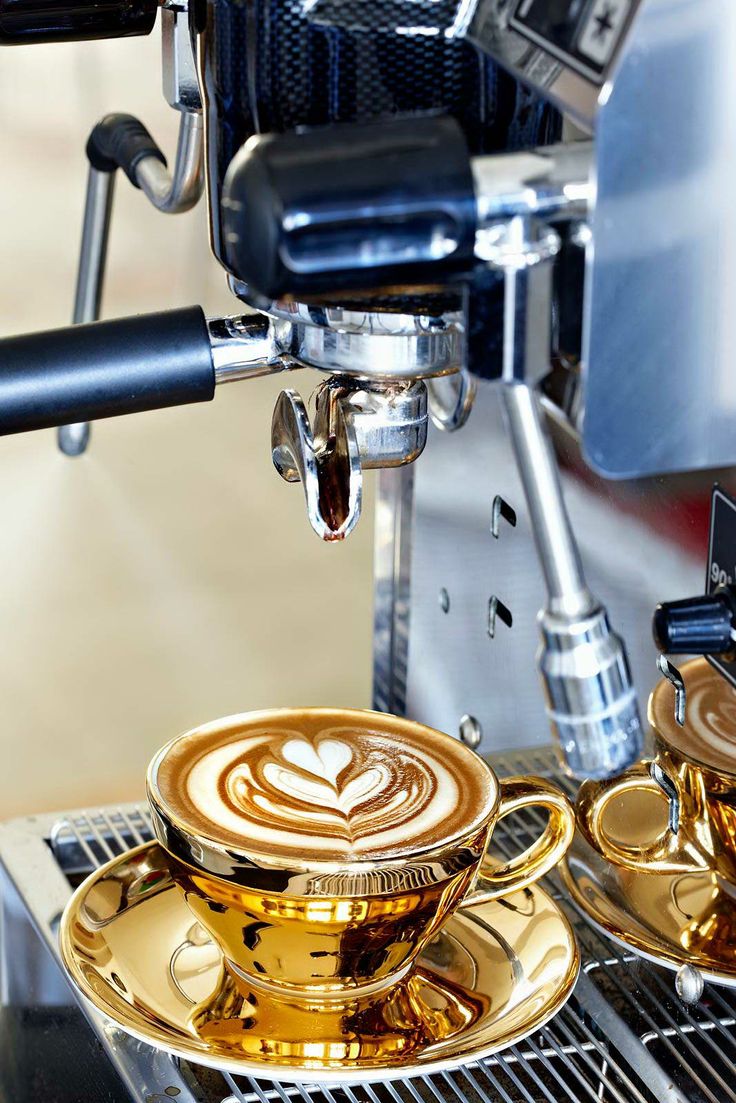
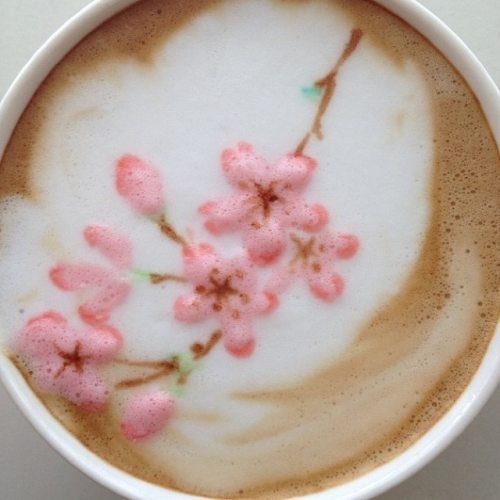
Latte art exists because milk texture became a craft, not only because social media rewards hearts and rosettas. Even a simple swirl signals care. Mocha and flavored syrups push coffee toward dessert territory; they belong in the culture even when purists grumble. Seasonal spices and colder months naturally pull people toward larger mugs and slower sips.
Iced coffee and cold brew have their own visual language—condensation, clear glasses, long straws, summer contrast. The emotional job is similar to hot coffee: a reset button you can hold. Photograph condensation quickly; it fades as glass warms in the hand.
Plant-based milks have widened the café table. Texture varies by brand and barista practice, so expectations should stay flexible. The cultural win is inclusion—more people can share the same break without fuss.



Sharing the break
Coffee’s social power is ordinary and durable. Two people nursing cups will talk longer than two people standing with empty hands. Meetings soften when they start with a pour. Travelers use café stops to map a new city without rushing monuments. None of that requires treating caffeine as a personality test—only as a shared pretext to sit.
If you host, offer options: a milder brew for late guests, dairy alternatives when you can, water on the table so the coffee is a choice rather than a dare. Good hosting is hospitality, not pressure to match your own order. Leave room for people who prefer tea or nothing at all; the table still works.


A light tasting vocabulary
You do not need a professional palate to notice more. Ask simple questions: Is it bright or chocolatey? Thin or heavy on the tongue? Does the finish linger or vanish? Comparing two beans side by side teaches faster than reading flavor wheels alone. Store beans away from heat and strong kitchen smells; grind close to brew time when you can.
Waste less by brewing what you will drink. Reheat carefully if you must; fresh is kinder to aroma. Clean equipment so yesterday’s oils do not haunt today’s cup. Those small habits keep the ritual pleasant without turning it into homework.


Keep the ritual human
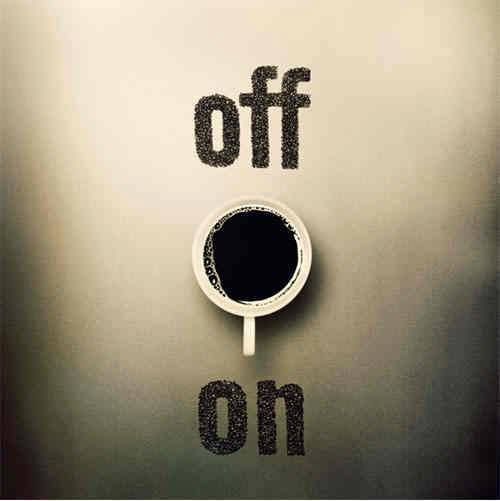
Coffee culture thrives on pleasure, craft, and company. It does not need mythology about transforming anyone overnight. Some days the cup is exquisite; some days it is fuel in a paper sleeve between meetings. Both belong in the same photo album of ordinary life.
If caffeine makes you jittery or keeps you awake, adjust timing and strength to what your body tolerates—or switch to a gentler cup. Listening to yourself is part of a grown-up ritual, not a failure of enthusiasm.
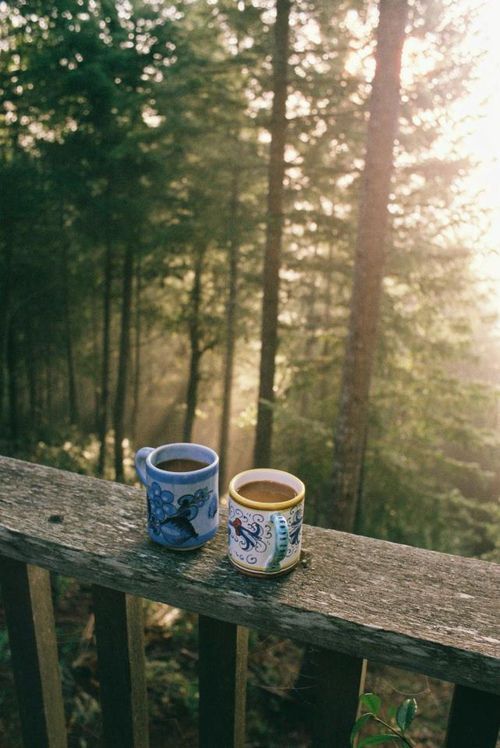




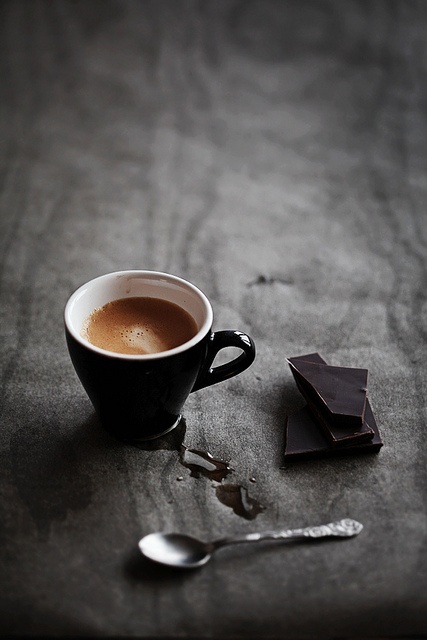
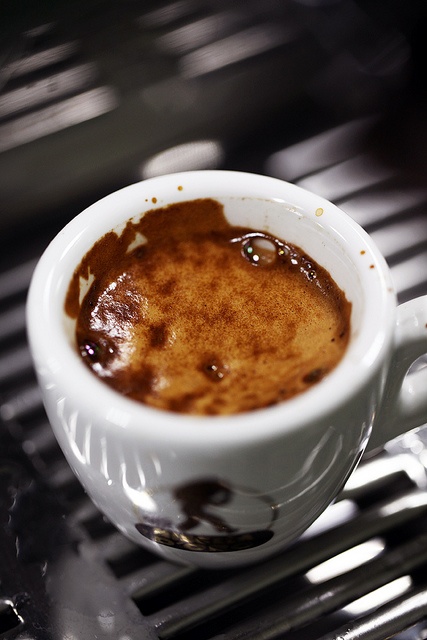

Tomorrow’s cup does not need to match today’s. Change the mug, try a different café window, or brew something simpler. The habit stays; the pictures keep changing—and that is enough reason to wake up and meet the next pour halfway.

Comments
Continue reading
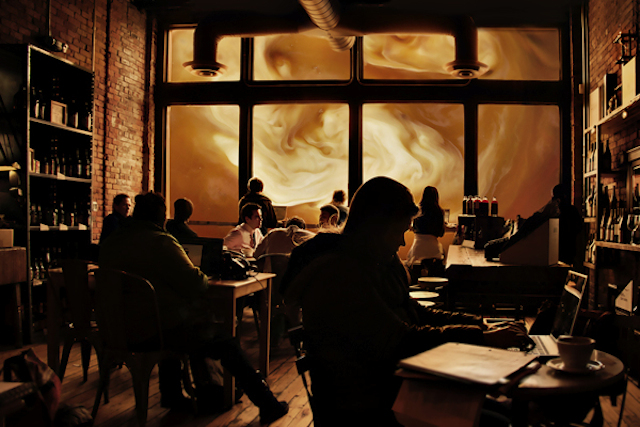
Flora Borsi’s Coffee Universe: Skylines Inside a Latte
Hungarian artist Flora Borsi replaces city skies with milk-and-coffee swirls, turning everyday caffeine into surreal weather over cafés and skylines.

Dramatic Photo Art by Sukron Ma’mun (Ipoenk Graphic)
Cirebon, Indonesia photographer Sukron Ma’mun uses theatrical natural light to frame village life, play, and place in lyrical photo art.

Bird’s-Eye Views: Florian Beaudenon’s Instant Life
Paris photographer Florian Beaudenon’s Instant Life series captures people in their rooms from above—intimate, collaborative overhead portraits of everyday joy.