
Vintage Wedding Dresses
Heirloom alterations, era silhouettes from the 1920s to the 1970s, shopping checks, styling tips, and care notes for brides choosing a vintage or vintage-inspired gown.
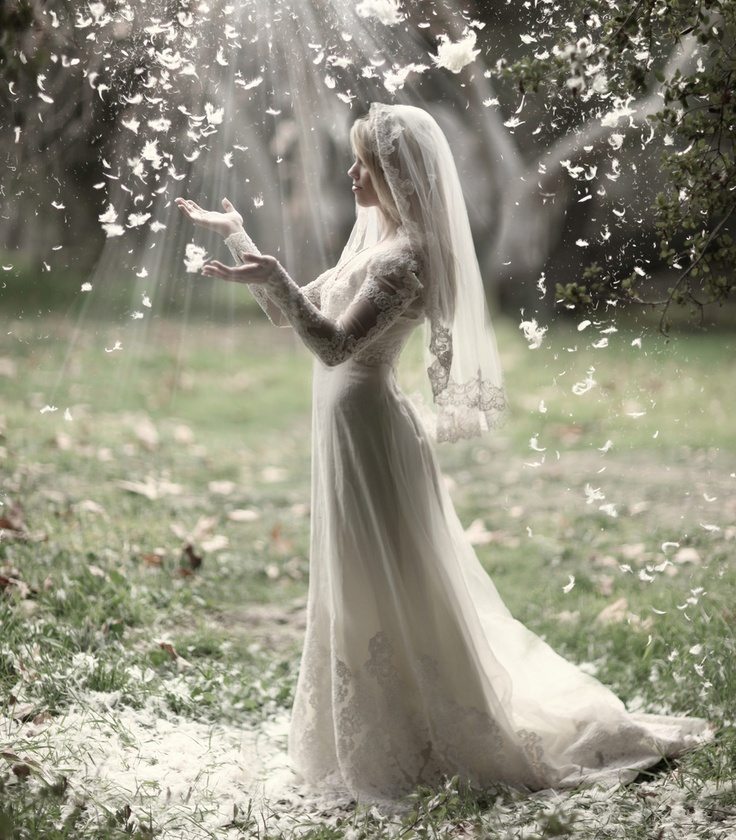
A vintage wedding dress is rarely just an old gown. It may be a mother’s dress altered for a new silhouette, a 1930s bias cut found in a specialist shop, or a lace column that looks nothing like the season’s sample rack. What unites these choices is texture, proportion, and memory—details modern mass production often smooths away.
Wearing vintage does not require a full period recreation. Many couples keep contemporary hair, shoes, and photography while letting the dress carry the historical note. Others lean all the way into era styling. Either approach works when the gown fits the body and the day.
Family gowns and quiet alterations
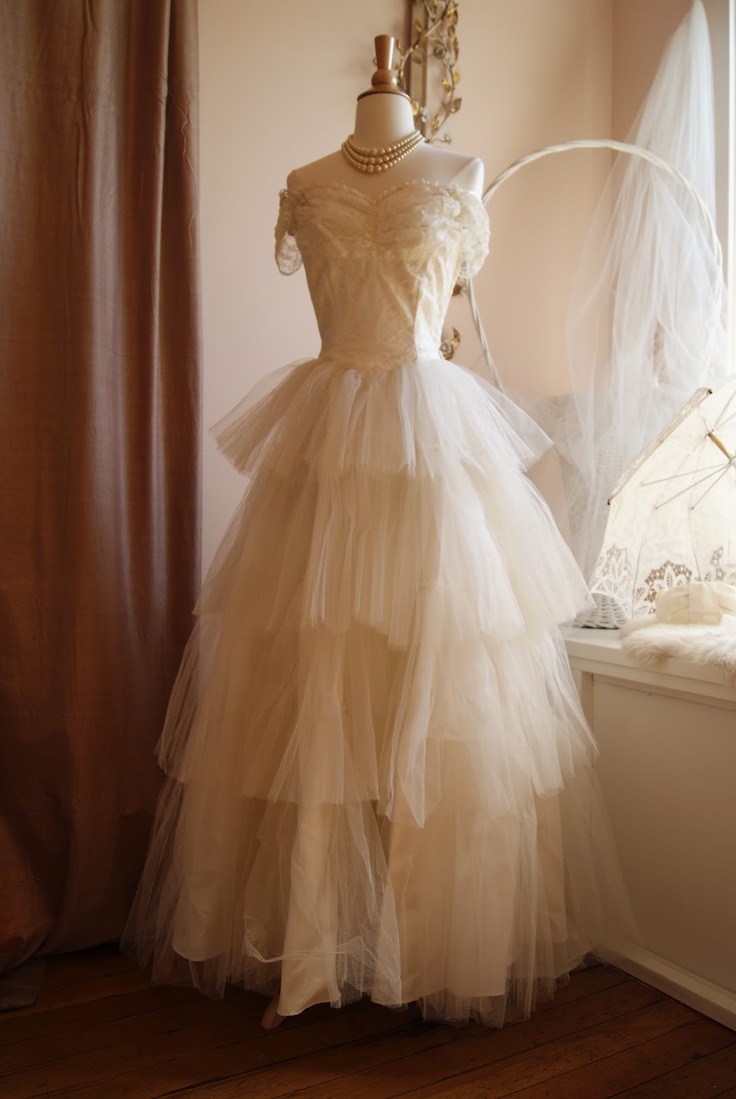
Heirloom dresses arrive with emotion already sewn in. They also arrive with outdated construction: higher necklines, smaller waists, heavier petticoats, or sleeves that fight modern movement. A skilled seamstress who understands bridal structure can shorten trains, open necklines, replace yellowed lining, or remove scratchy tulle without erasing the dress’s identity.
Before cutting, photograph the gown from every angle and note where seams land. Decide what must stay—lace motifs, beading, a signature bow—and what can change. Sometimes the strongest update is invisible: new cups, better understructure, or a modern bustle so the bride can dance. Sometimes the strongest update is visible: converting long sleeves to cap sleeves, or turning a high collar into a soft scoop.
Not every family dress will fit the next generation. Fabric age, body differences, and personal taste all matter. When an heirloom cannot be worn, parts of it—lace overlays, buttons, a handkerchief cut from the lining—can still travel into a new gown or bouquet wrap.
Reading eras by silhouette
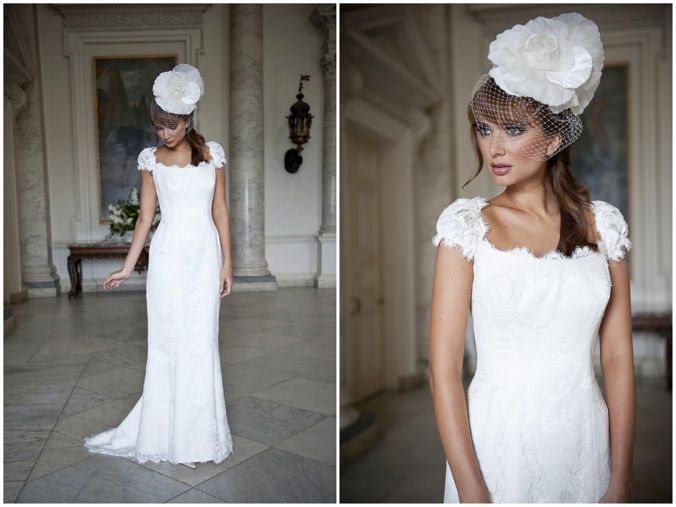
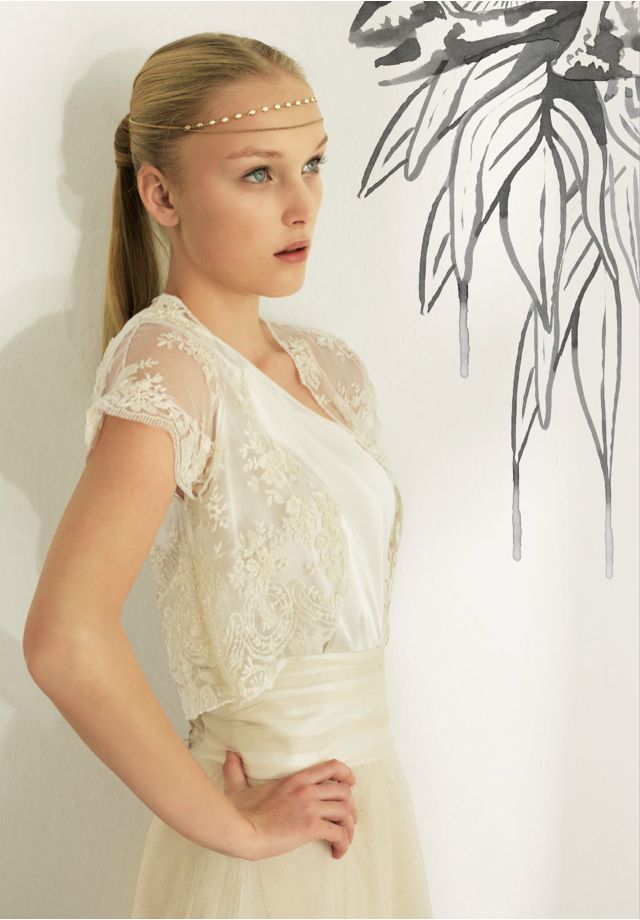
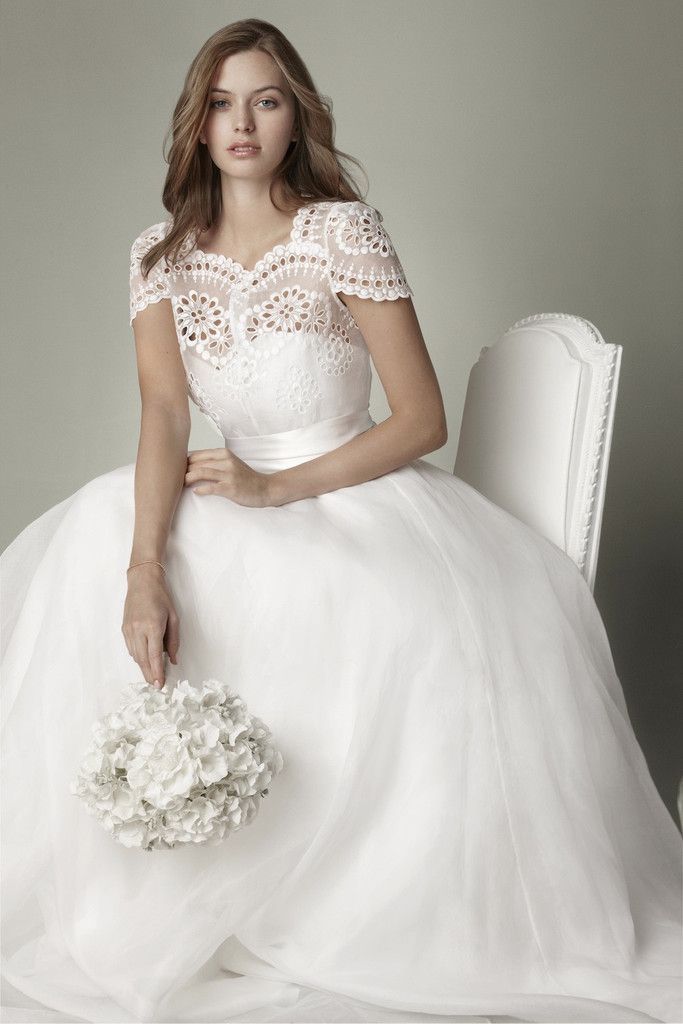
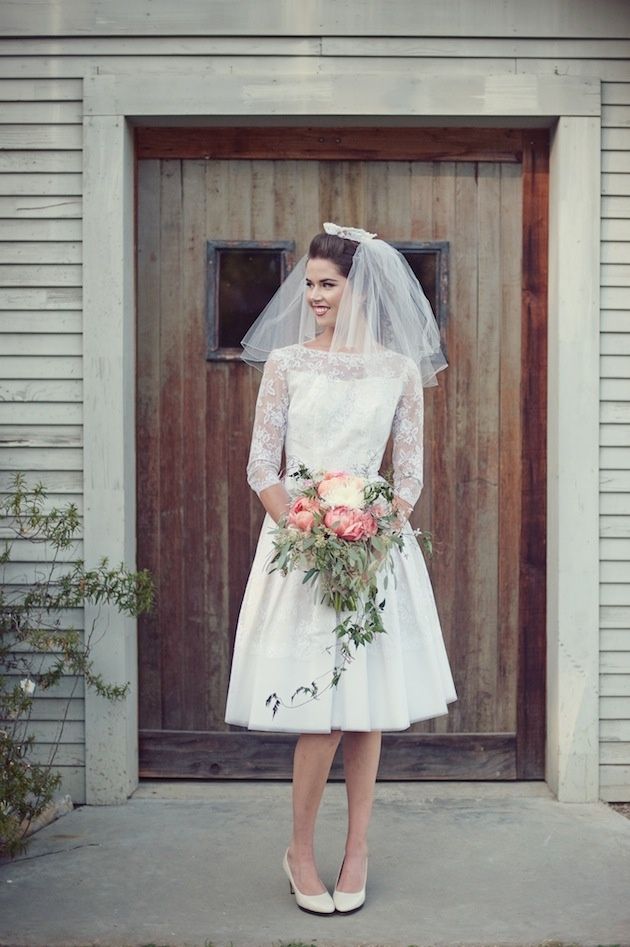
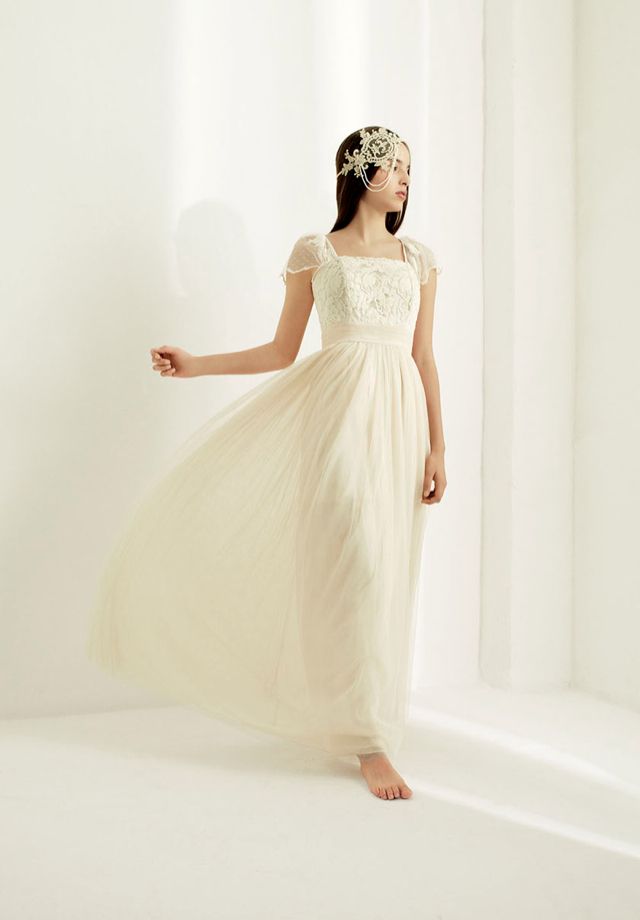
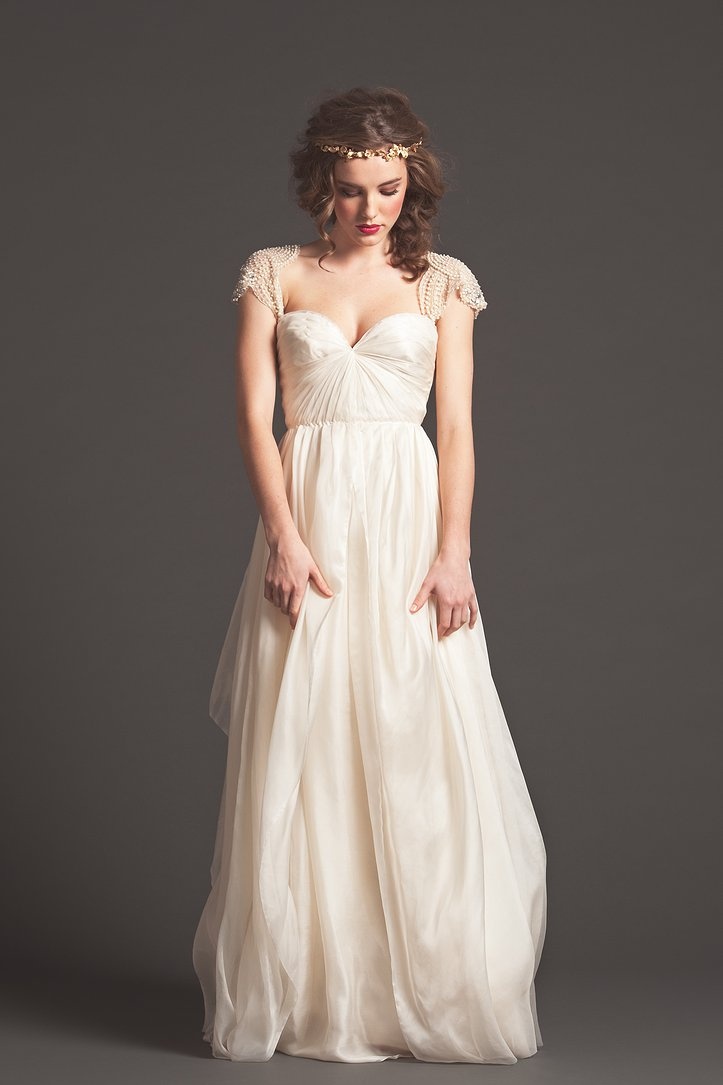
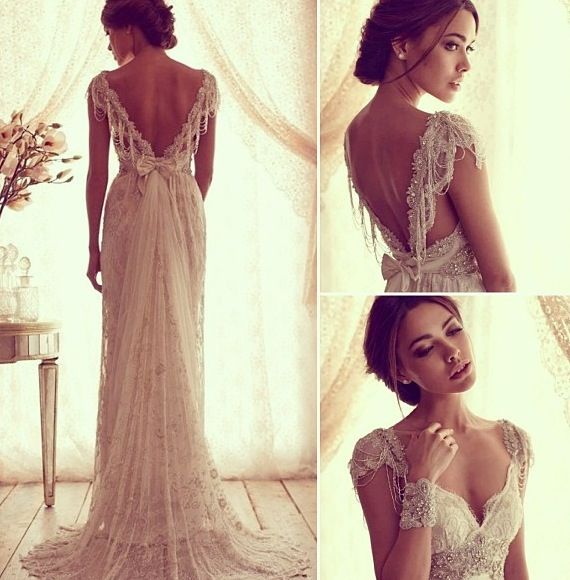
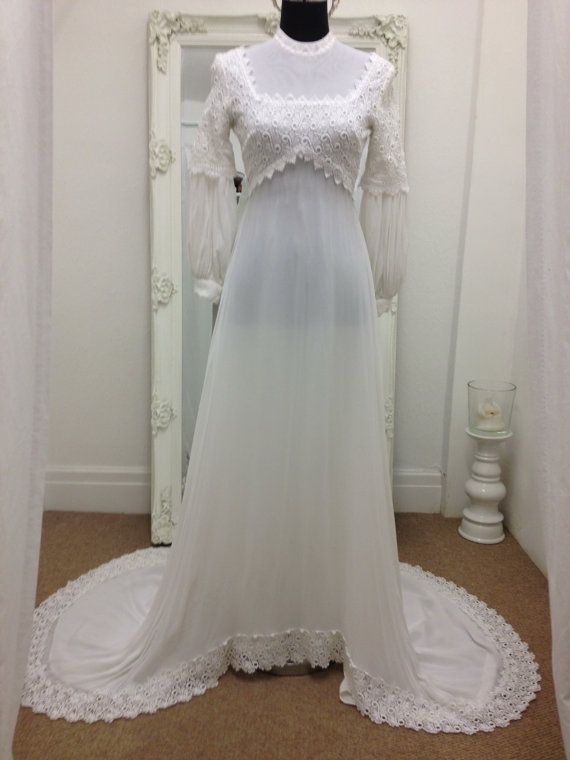
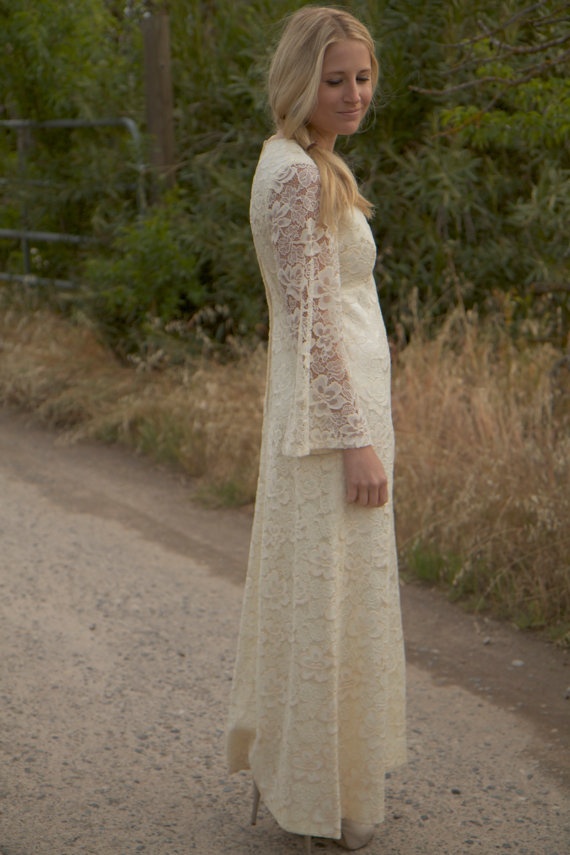
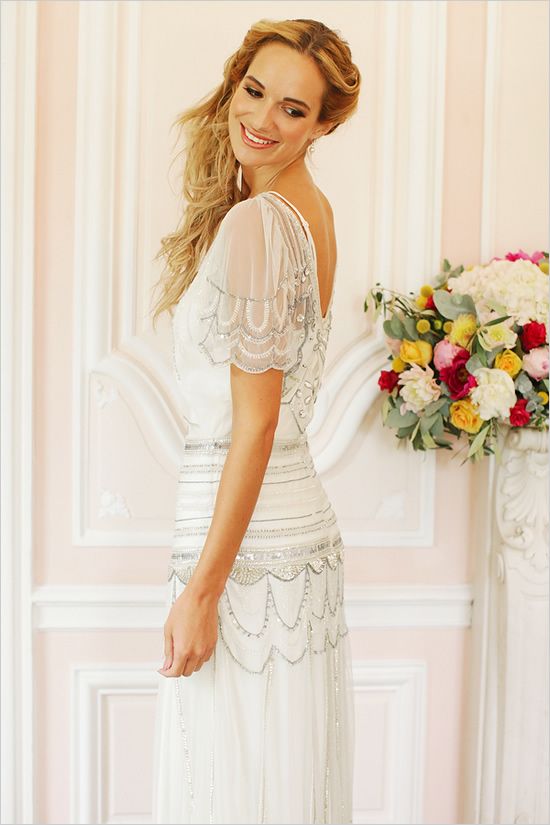
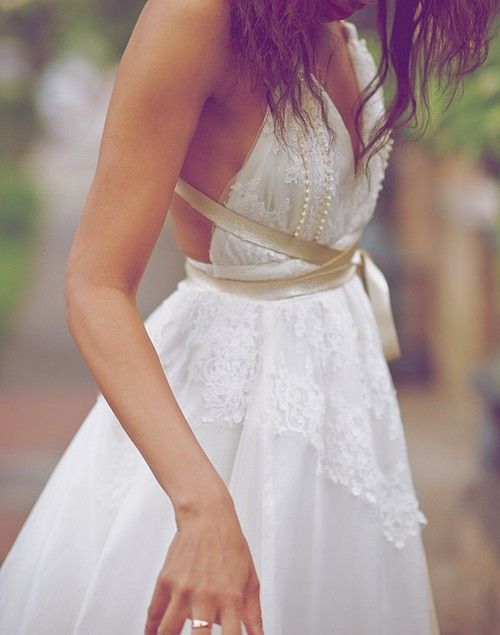
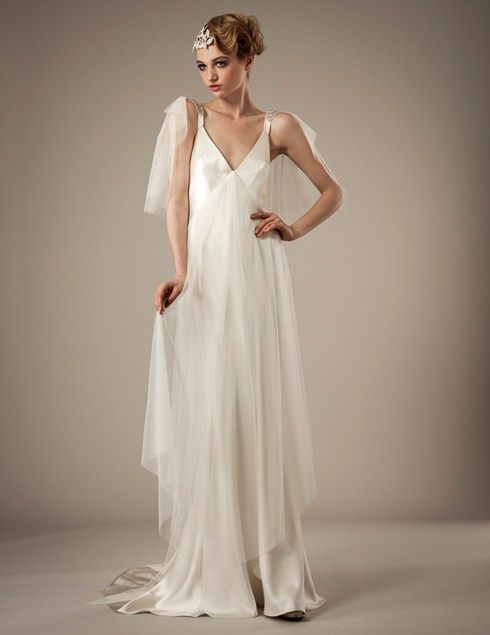
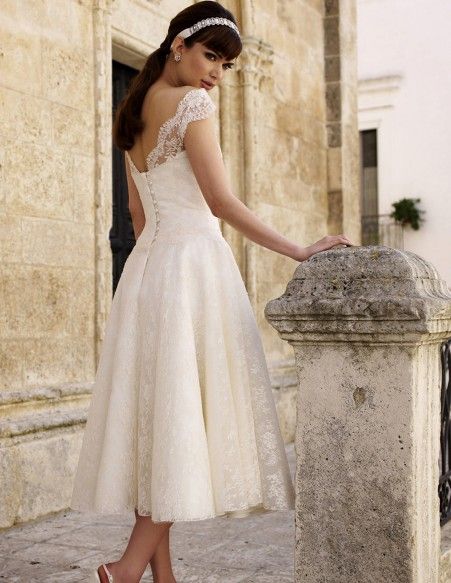
1920s dresses often skim the body with dropped waists, fringe, or geometric beadwork. They pair well with short bobs, headbands, and low heels—or with modern minimal jewelry if you want contrast. 1930s and 1940s bias cuts cling and drape; they flatter many figures but need careful fitting at the hips and bust. 1950s looks favor fitted bodices and full skirts; think structured cups and petticoats. 1960s and 1970s pieces range from empire waists and high necks to soft Bohemian lace and bell sleeves.
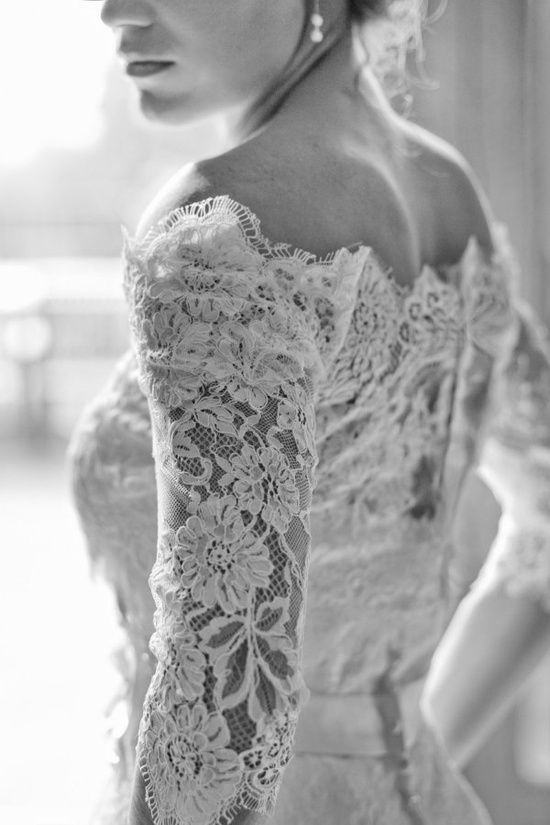
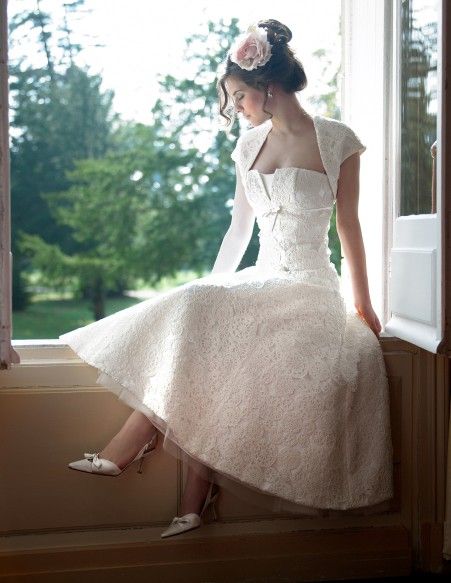
Knowing the era helps you shop and style. A tea-length 1950s dress wants different shoes than a floor-length Edwardian-inspired lace gown. Veils, gloves, and jewelry should echo the dress’s line rather than fight it. If the gown is ornate, keep accessories quieter; if the gown is simple silk, a vintage brooch or pearl strand can finish the story.
Where to find real vintage—and what to inspect
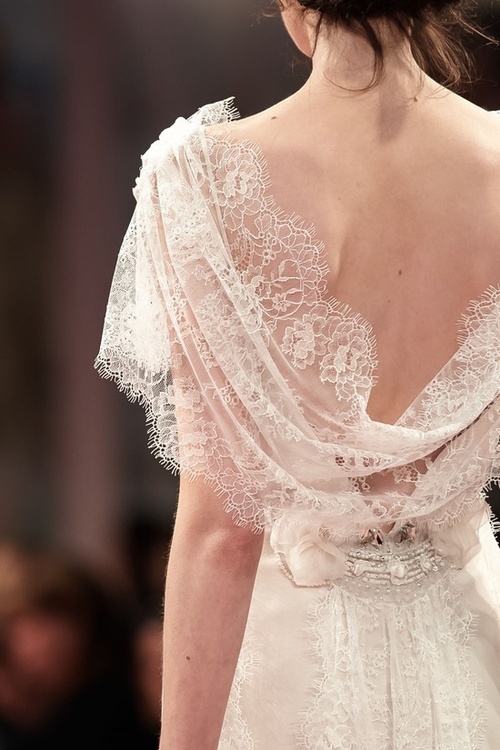
Specialist bridal vintage shops, estate sales, and carefully vetted online sellers are safer than mystery auctions when you need a wearable size. Ask about fiber content, previous alterations, and stains. Hold lace up to light; look for brittle areas, repaired tears, and missing beads. Check underarms and waist seams for stress. Smell the dress—heavy perfume can be hard to remove from silk.
Budget for a tailor even if the dress “almost” fits. Vintage sizing runs differently from modern charts, and display mannequins lie. Bring the shoes and undergarments you plan to wear to fittings. If the fabric is fragile, discuss support layers so the original textile carries less strain.
Museum-quality antiques are sometimes too delicate for a full wedding day. In that case, consider a reproduction inspired by the original, or wear the historic piece for portraits only and change into a sturdier gown for the reception.
Styling hair, makeup, and second looks
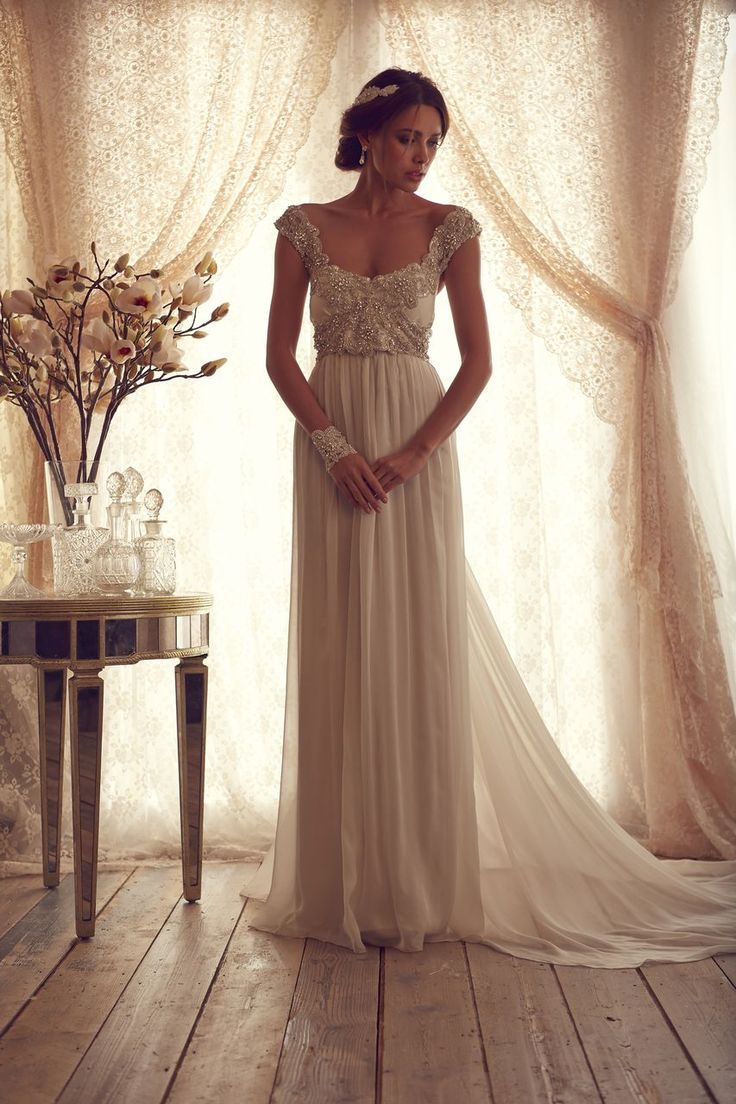
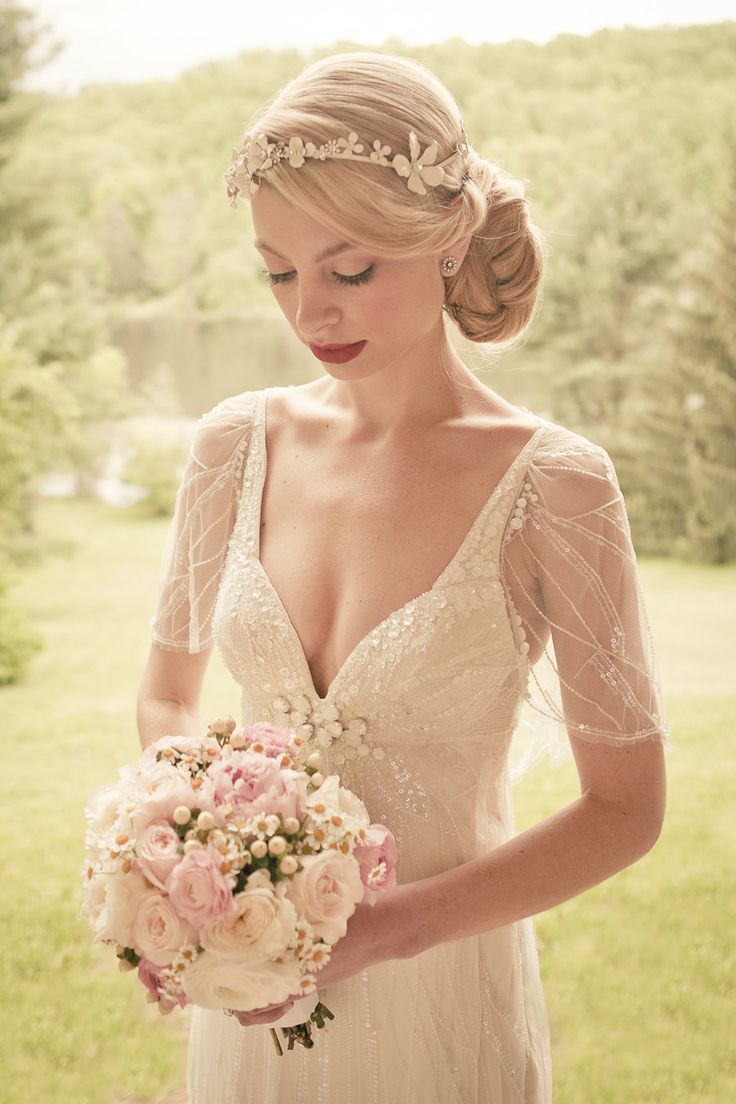
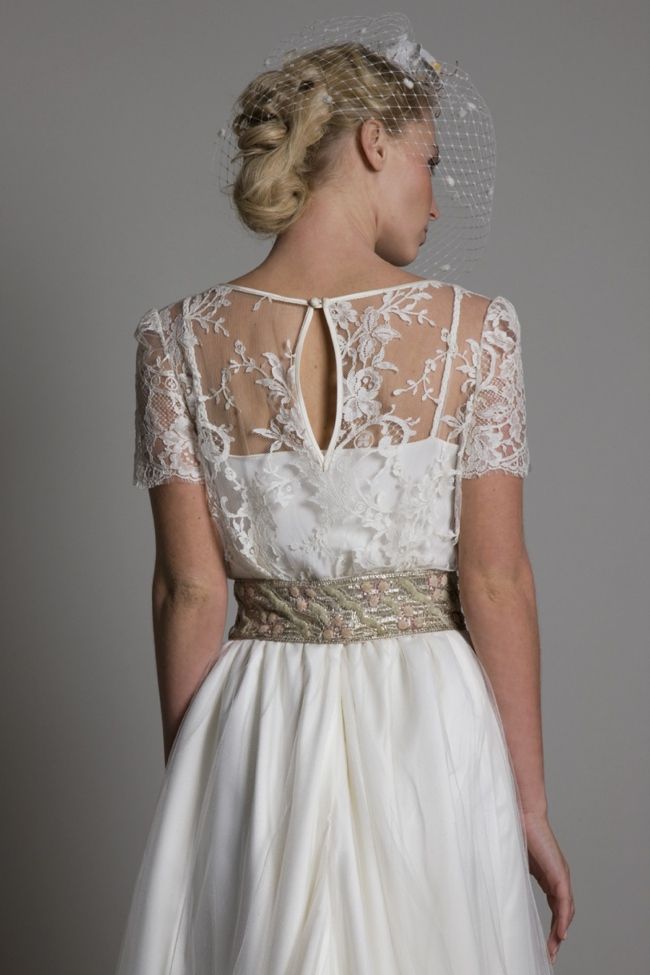
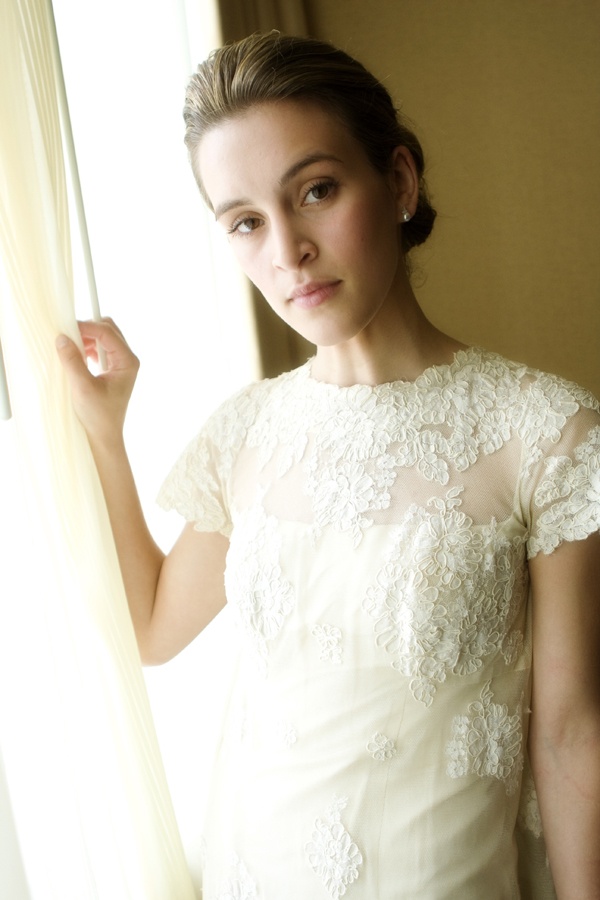
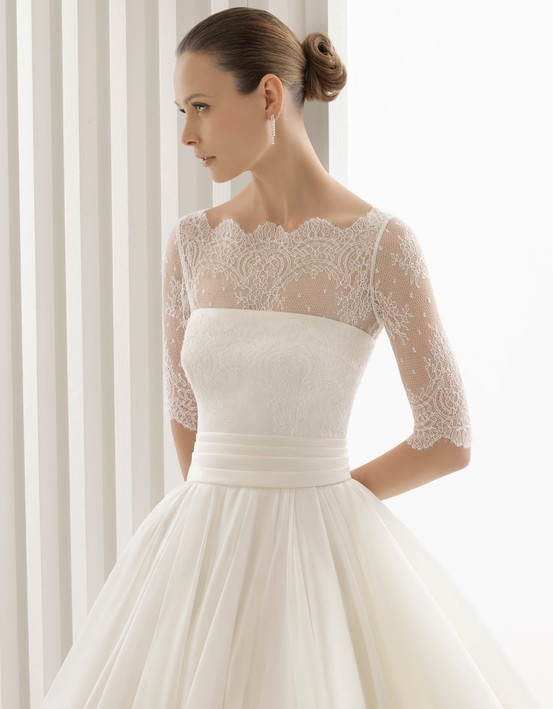
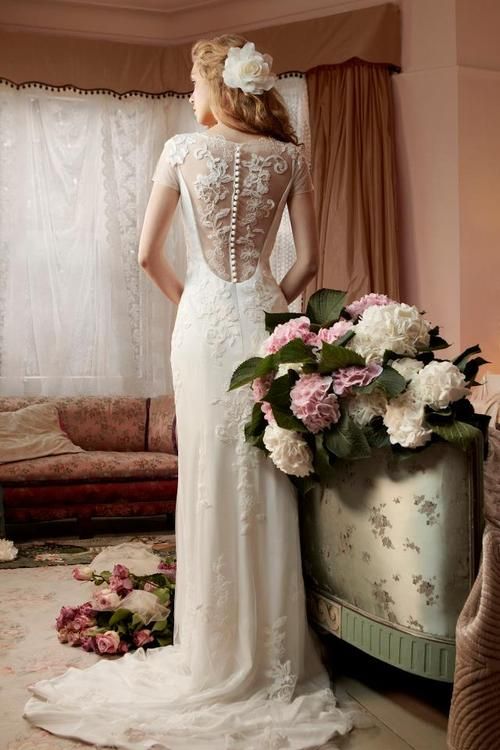
Vintage dresses photograph beautifully when hair and makeup respect the neckline. High collars and boat necks love soft waves or low chignons. Strapless and sweetheart shapes can handle more volume at the crown. Avoid competing trends—if the dress is heavily beaded, a sleek bun often reads cleaner than a complicated updo.
Makeup can nod to the era without becoming costume: soft red lips for mid-century, muted rose for 1930s satin, luminous skin for lace that already does the talking. Test products against the dress fabric color under daylight; ivory and champagne shift how blush and lipstick appear.
Many brides keep a vintage ceremony dress and change into something lighter for dancing. A shorter reception dress, jumpsuit, or modern slip can save fragile lace from late-night strain while keeping the heirloom look for vows and portraits.
Care before and after the day
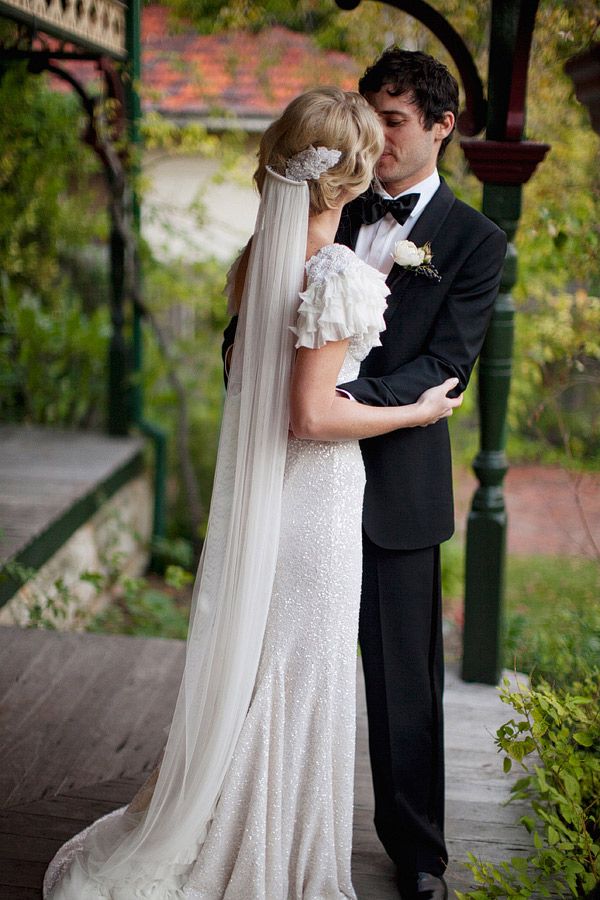
Store the dress in a cool, dry place away from direct sun. Avoid attic heat and damp basements. Use a padded hanger or store flat if the weight of beads would stretch straps. For travel to the venue, use a proper garment bag and keep liquids separate.
After the wedding, professional preservation is worth considering for heirloom pieces—especially silk and lace. Point out every stain; champagne and makeup set differently than mud. If you plan to pass the dress on, document alterations and fabric notes for the next wearer.
Matching the dress to the setting
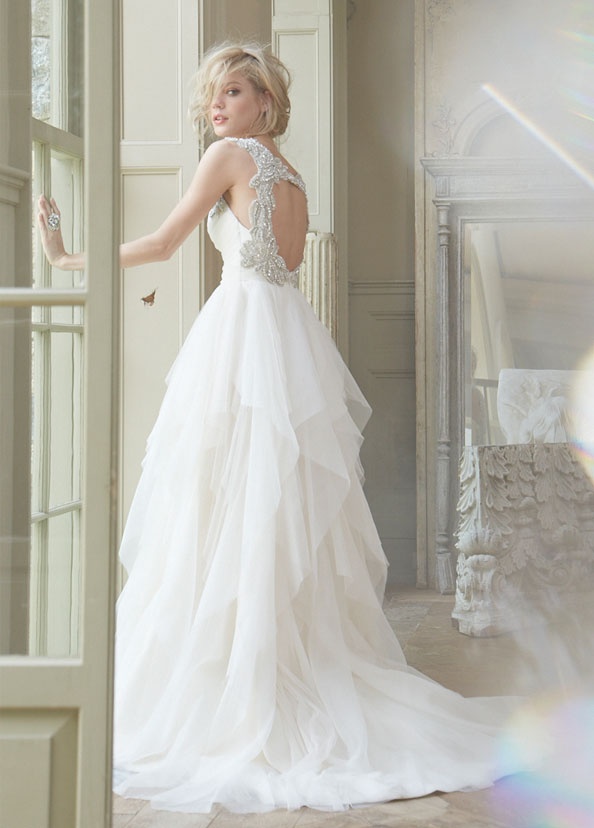
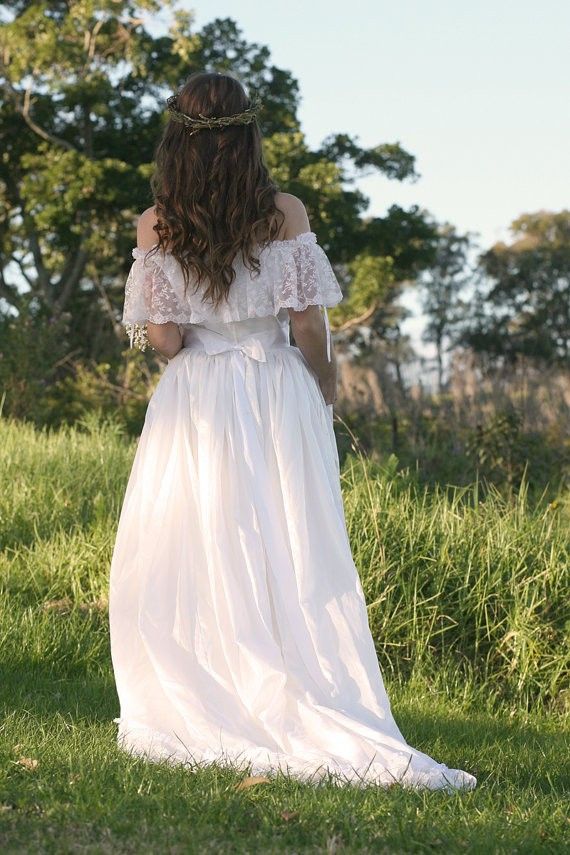
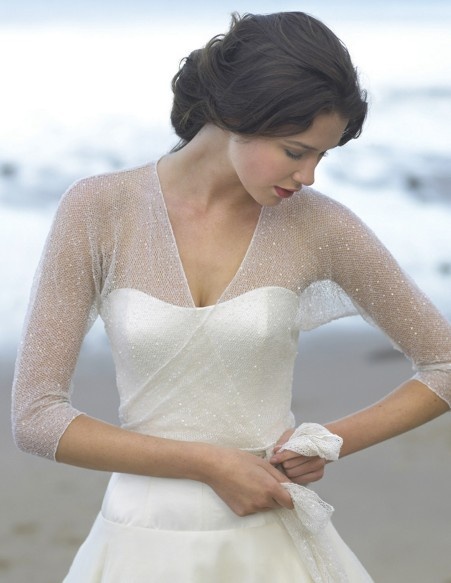
Garden and barn weddings suit softer lace, tea lengths, and relaxed trains. Ballrooms and formal hotels can carry heavier satin, gloves, and longer veils. Beach ceremonies favor lighter fabrics and fewer layers that trap heat—though some vintage silks need shade and careful timing for photos. City hall or intimate dinners often look sharpest with cleaner mid-century or bias cuts rather than cathedral trains.
Think about movement: stairs, outdoor grass, and narrow aisles all argue for bustles, shorter hems, or removable overskirts. A beautiful dress that cannot walk the venue is a problem, not a romance.
Ideas to save for later
If the wedding is still years away, collecting references helps more than buying too early. Note necklines you love, how much lace feels like “you,” and whether you prefer structure or drape. Visit one specialty shop to touch fabric weights. Talk with relatives about what exists in family closets before you assume you must buy new.
When you are ready, try vintage and contemporary options in the same week. Side-by-side fittings clarify what you actually respond to—handwork, silhouette, or simple comfort—better than scrolling alone.
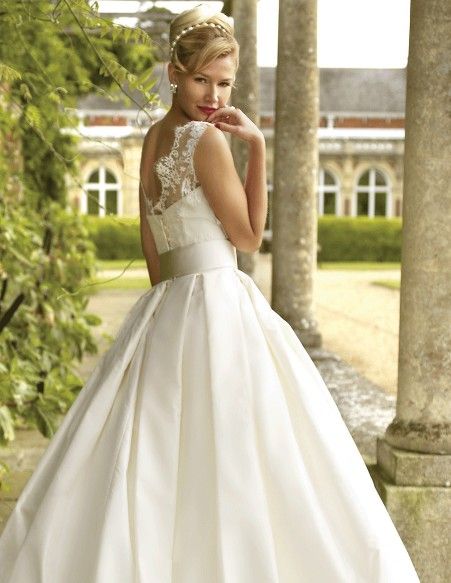
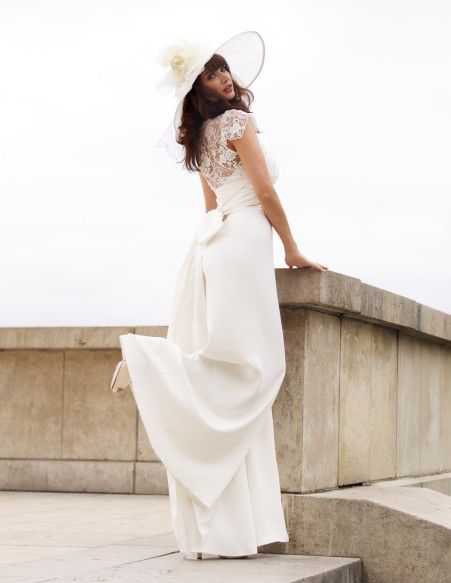
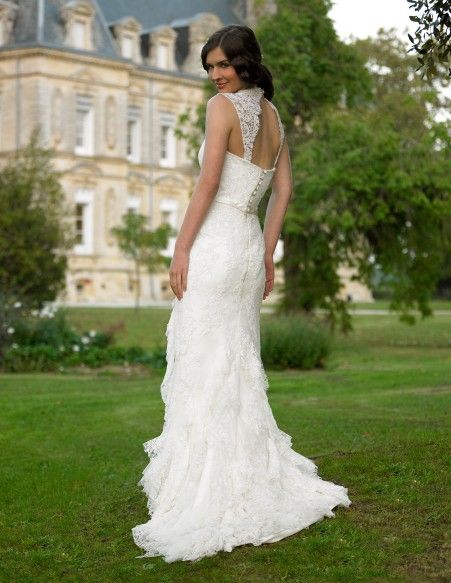
Choose the dress that still feels like you after the fittings end—whether it came from a family closet, a specialist rack, or a careful remake of something older. The best vintage bridal choice is the one you can walk, sit, and celebrate in without treating the fabric like a museum rope line.

Comments
Continue reading
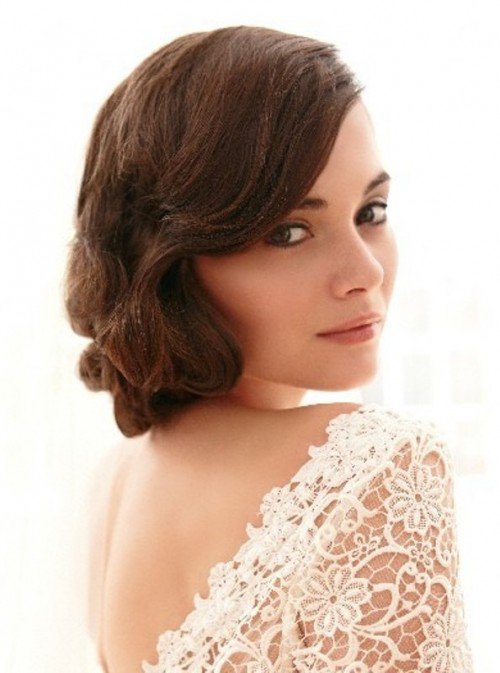
15 Vintage Wedding Hairstyles: Finger Waves, Bouffants, and Birdcage Veils
Fifteen vintage bridal hair looks—from 1920s finger-wave faux bobs to 1960s bouffants, victory rolls, and Hollywood waves with birdcage veils.
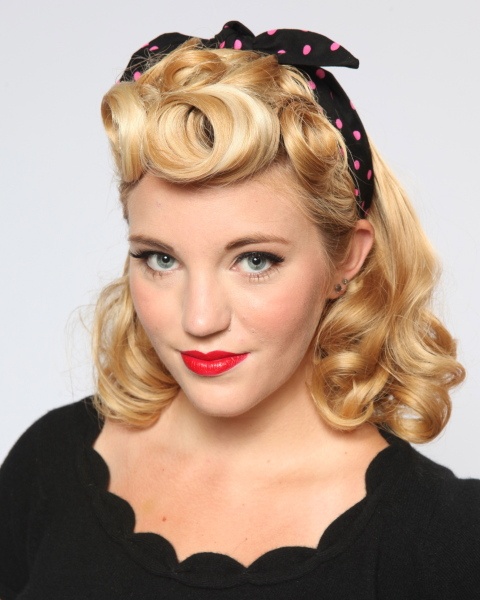
Vintage Hairstyles by Decade—Waves, Rolls, Flips, and Wearable Volume
A practical tour of 1920s waves through seventies feathers: silhouettes, tools, and how to wear period hair without a full costume.
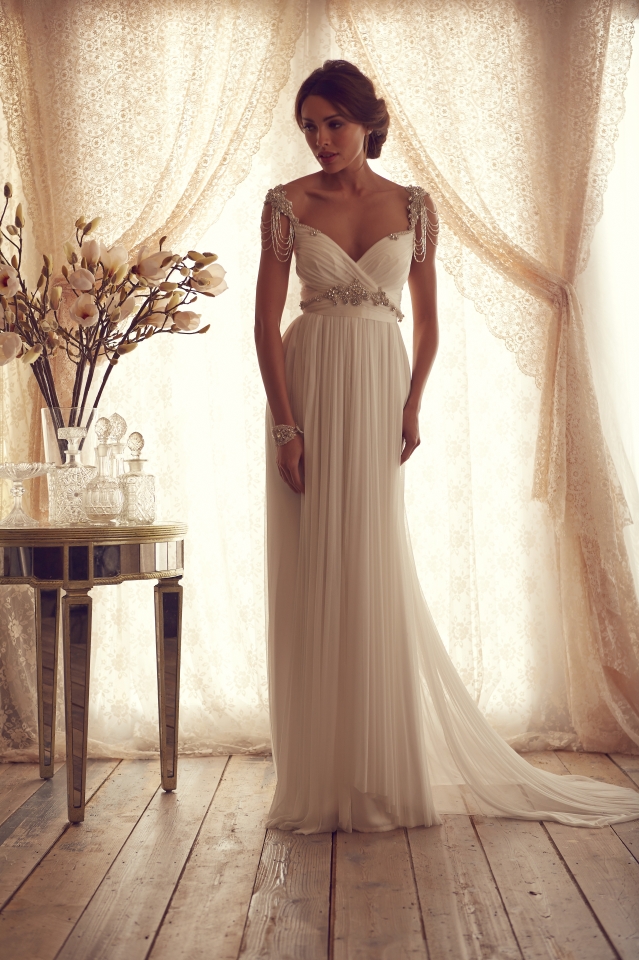
Anna Campbell’s 2013 Gossamer Made-to-Measure Bridal Collection
A historical look at Anna Campbell’s 2013 Gossamer made-to-measure wedding gowns—French-romance fit, crystal shoulders, bone color, and the Australian atelier moment.