
Trendy Summer Hats for Women: Brims, Crochet, and Warm-Weather Finish
From wide-brim straw and boaters to crochet and city fedoras—how to choose and wear summer hats that shade, photograph well, and actually get used.
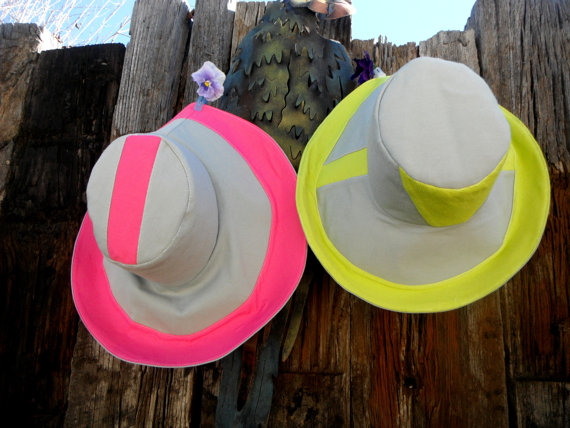
A summer hat is more than SPF with a ribbon. It finishes a silhouette the way sunglasses do: one clear shape at the top of the outfit that signals heat, holiday, or simply the decision to dress for daylight. From wide-brim straw to soft crochet crowns with a few flowers at the band, the right hat can turn a plain sundress into a composed look without adding clutter or another strap to manage.
This is a seasonal styling guide — shapes, materials, and how to wear them — not a marketplace crawl. The aim is to help you choose a hat you will actually put on when the sun is high and the outfit needs one decisive accessory rather than five small ones competing for attention.
Why hats still matter in warm weather
Function and fashion meet unusually cleanly here. A brim shades the face and shoulders; an open weave lets heat escape; a structured crown keeps hair under control on windy terraces and ferry decks. Visually, a hat creates a horizon line above the shoulders that photographs well and balances long dresses, wide trousers, or the slightly unfinished look of minimal summer separates.
Hats also solve a styling problem unique to hot months: outfits that are light in fabric can look incomplete. A hat supplies presence without adding layers. It can replace a statement necklace when necklines are already busy with ties or ruffles, or calm a loud print by giving the eye a solid, architectural shape to rest on. In street photographs, the difference between “threw clothes on” and “got dressed” is often exactly that brim.
Shapes worth knowing
Wide-brim straw. The classic summer postcard. A generous brim flatters most face shapes when the crown sits comfortably and the brim does not collapse into a sad fold. Best with linen dresses, white shirts, and clean sandals. Avoid pairing with another oversized prop — giant tote plus giant brim can erase your proportions in photos and in doorways.
Fedora and trilby-inspired straw. Shorter brims, pinched crowns, often a contrasting band. These read more city than beach and work with tailored shorts, cropped trousers, and button-downs. They suit people who want sun coverage without looking dressed exclusively for a resort brochure.
Boater. Flat crown, straight brim, often a dark ribbon. Crisp and slightly formal. Excellent with striped knits, midi skirts, and anything that benefits from a graphic top note. Keep jewelry minimal so the geometry stays clear and the hat does not share the stage with dangling earrings.
Cloche and soft close-fitting styles. More intimate and vintage-leaning. They frame the face and work with soft waves or tucked hair. Pair with tea-length dresses or high-neck blouses rather than sporty separates that fight the romantic mood.
Crochet and openwork. Handmade energy, often with floral accents or colored yarn. They feel lighter than solid straw and suit sundresses, denim cutoffs, and market-day outfits. Because the texture is busy, keep prints quieter underneath and let the hat carry the decorative load.
Caps and visors. Less “occasion,” more movement. A clean baseball cap or sun visor can look intentional with athletic-leisure pieces or a simple tee-and-skirt combination, especially in a quality fabric rather than logo-heavy polyester that ages poorly after one wash.
Materials and what they signal
Natural straw and raffia read warm and classic. They photograph beautifully and age into a soft patina if you store them well. Paper braids can be lighter and cheaper but crush more easily in luggage. Fabric hats in cotton or linen feel casual and pack better for travel. Crochet and knit openwork feel artisanal and romantic — charming until rain turns them limp, so have a backup plan.
Bands and trims change the mood fast. A plain woven band keeps things modern. Grosgrain ribbon adds polish. Flowers, shells, or beads push toward garden-party or resort. If you already wear statement earrings, choose a quieter brim. If your neckline is bare and simple, a decorated hat can be the entire accessory story for the day.
How to wear a hat without looking costumed
Match formality. A pristine boater with sweatpants fights itself. A crushed beach hat with a sleek sheath dress does too. Aim for the same “effort level” from head to shoe, even when the temperature tempts you to give up halfway.
Mind proportion. Petite frames often look sharper in medium brims than in enormous cartwheels. Tall frames can carry drama. Large curly hair needs a crown with real room; forcing volume under a tiny crown creates a mushroom effect. Try the hat sitting, walking, and turning your head before you commit — wind and motion reveal what a shop mirror hides.
Hair choices matter. Low buns and sleek ponytails sit cleanly under structured crowns. Loose waves work with softer brims. If you wear a hat all afternoon, plan for hat hair — a claw clip or scarf in your bag is more useful than regret at dinner.
Color coordination can be literal or opposite. Matching a cream hat to a cream dress looks editorial. Contrasting a black band against white linen looks graphic. Bright crochet against denim feels playful. The mistake is introducing three new colors at once: hat, bag, and shoes all competing while the dress waits politely in the middle.
- Beach day: wide-brim straw, slip dress or swim cover-up, flat sandals, one simple tote.
- City heat: short-brim fedora, linen trousers, tank or tee, loafers or sneakers.
- Garden or daytime event: boater or decorated crochet, midi dress, low heel, minimal jewelry.
- Travel: packable fabric or soft straw that recovers in humidity; avoid shapes that die in overhead bins.
Care so the hat lasts more than one season
Store brims flat or on a stand so they do not warp into permanent waves. Keep straw away from crushing weight in closets. Spot-clean bands; many cannot take a full wash. If a brim softens in humidity, reshape gently and let it dry away from direct heater blast. Travel with a light scarf stuffed in the crown to help it hold shape between hotel and beach.
Buy for your real life. The most beautiful hat is useless if you refuse to wear it because it feels precious, unstable in wind, or impossible with your usual sunglasses. A slightly simpler shape you reach for every sunny weekend will do more for your summer wardrobe than a dramatic piece that lives on a shelf looking lonely.
Start with one hat that matches your most-worn warm-weather outfit — the white dress, the linen set, the jeans-and-tee uniform — and learn how it sits on your head in motion. Once that feels natural, a second shape (softer crochet, sharper boater) becomes a choice rather than a guess. Summer accessories should lighten the look, not complicate it; a good hat does exactly that, one confident brim at a time.

Comments
Continue reading

Women’s Hats, 1913–1915
A historical look at women’s millinery from 1913 to 1915—when Edwardian picture hats narrowed toward wartime angles—told through a gallery of period portraits.
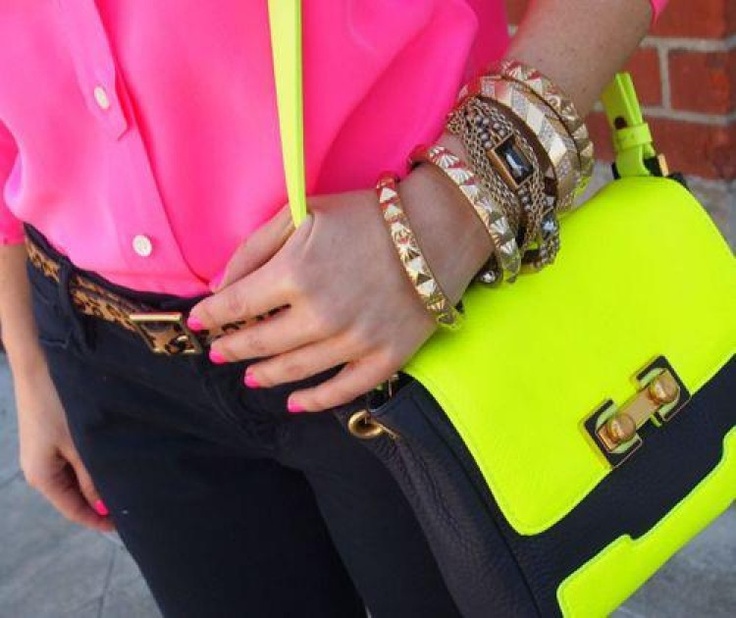
Bold Contrasts in Street Style: Neon, Clash, and Calm Zones
A practical guide to color, value, and texture contrast—neon against black, lace against spikes, and how to keep summer-loud looks composed.
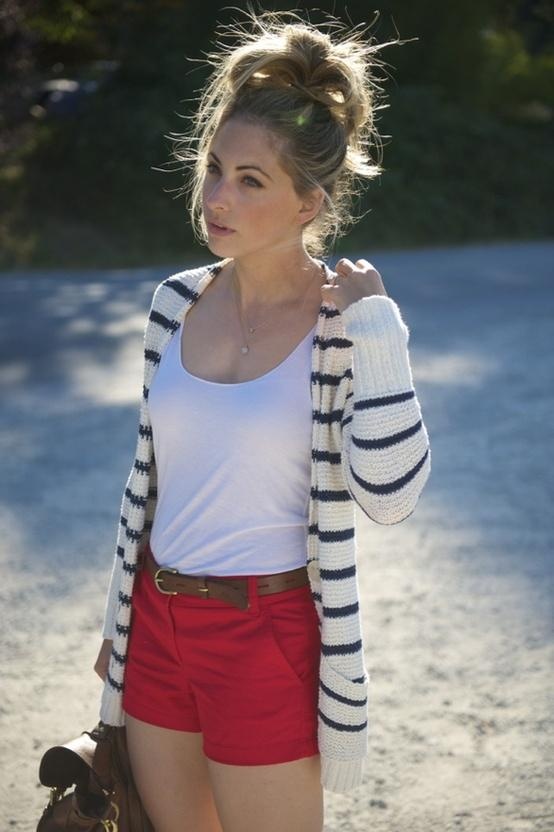
Street Style Summer: Heat, Ease, and City Polish
Warm-weather street dressing that survives pavement and humidity—breathable fabrics, removable layers, honest shoes, and edited summer silhouettes.